
Should I Buy a Car with 150k Miles?

Buying a car with 150k miles isn’t automatically a bad idea—many well-maintained vehicles can last far beyond that mark. The key is knowing what to look for, asking the right questions, and understanding the potential costs involved.
Key Takeaways
- Maintenance history matters more than mileage: A well-documented service record can outweigh high odometer readings.
- Some brands last longer than others: Brands like Toyota, Honda, and Subaru are known for reliability at high mileage.
- Expect upcoming repairs: At 150k miles, components like timing belts, water pumps, and suspension parts may need replacement soon.
- Get a pre-purchase inspection (PPI): A mechanic’s evaluation can uncover hidden issues and save you from costly surprises.
- Negotiate the price: High-mileage cars should cost significantly less than lower-mileage counterparts—use this to your advantage.
- Consider total cost of ownership: Factor in insurance, fuel efficiency, and potential repairs when deciding.
- Think about how long you’ll keep it: If you plan to drive it for 5+ more years, a 150k-mile car might still be a solid investment.
📑 Table of Contents
- Should I Buy a Car with 150k Miles?
- What Does 150,000 Miles Really Mean?
- Pros and Cons of Buying a High-Mileage Car
- Which Cars Are Best for High Mileage?
- What to Look for When Buying a 150k-Mile Car
- How Much Should You Pay for a 150k-Mile Car?
- What Repairs Should You Expect?
- Is a 150k-Mile Car Right for You?
- Final Tips for Buying a High-Mileage Car
- Conclusion
Should I Buy a Car with 150k Miles?
So, you’ve found a used car you really like—but the odometer reads 150,000 miles. Your first thought might be, “That’s way too high.” And sure, 150k miles sounds like a lot. But here’s the truth: **mileage alone doesn’t tell the whole story**. In fact, many cars with 150k miles are still running strong, especially if they’ve been cared for properly.
Modern vehicles are built to last longer than ever before. With regular maintenance, some cars can easily surpass 200,000 or even 300,000 miles. That said, buying a high-mileage car isn’t a decision to take lightly. It requires careful research, a realistic budget for potential repairs, and a good understanding of what to look for. The good news? If you do your homework, a 150k-mile car could be a smart, money-saving choice.
In this guide, we’ll walk you through everything you need to know before buying a car with 150k miles. From understanding what that mileage really means to knowing which models are most likely to go the distance, we’ll help you make an informed decision. Whether you’re on a tight budget or just looking for a reliable second car, this article will give you the tools to decide if a high-mileage vehicle is right for you.
What Does 150,000 Miles Really Mean?
Visual guide about Should I Buy a Car with 150k Miles?
Image source: automotivegearz.com
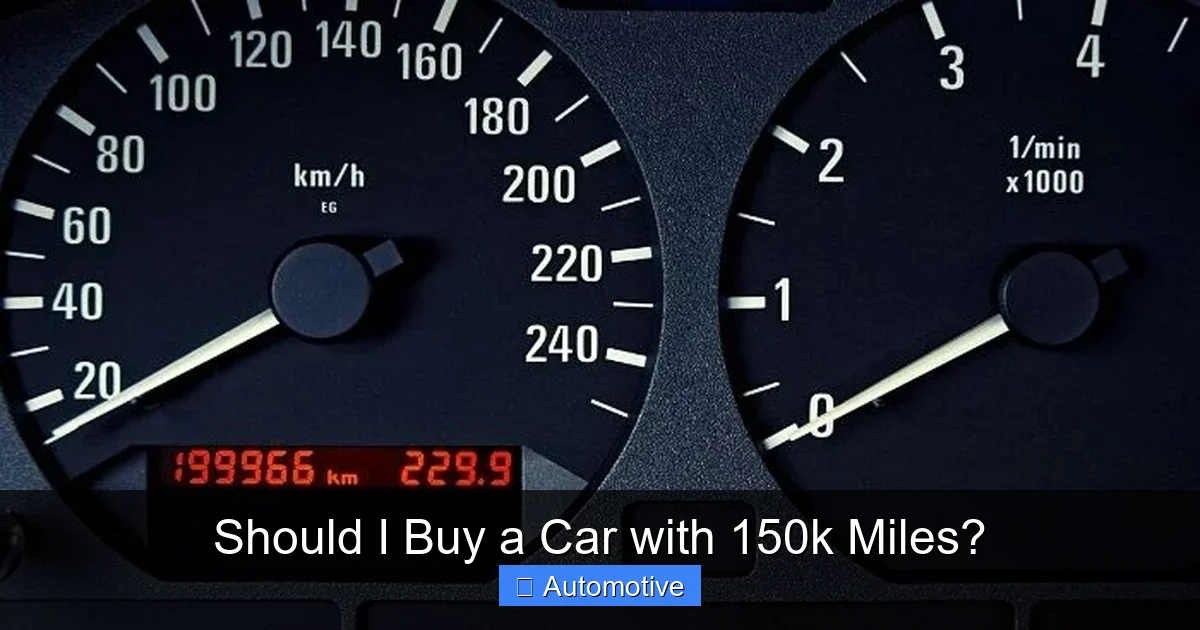
Let’s start with the basics: what does 150,000 miles actually represent? On average, Americans drive about 12,000 to 15,000 miles per year. That means a car with 150k miles is roughly 10 to 12 years old—assuming it was driven consistently. But age and mileage aren’t always directly linked. Some cars sit in garages for years, while others rack up miles quickly due to long commutes or frequent road trips.
Mileage vs. Age: Which Matters More?
While mileage is important, it’s not the only factor. A 10-year-old car with 150k miles might be in worse shape than a 15-year-old car with 120k miles, simply because the latter was driven less aggressively and maintained better. Think of it like this: a car that’s been driven 15,000 miles a year on smooth highways is likely in better condition than one that’s been driven 10,000 miles a year in stop-and-go city traffic with poor maintenance.
The Myth of the “Magic Mileage” Number
There’s a common belief that cars start to fall apart after 100,000 miles. But that’s outdated thinking. Thanks to advances in engineering, materials, and manufacturing, modern vehicles are designed to last much longer. In fact, many manufacturers now offer powertrain warranties that cover up to 100,000 miles—because they expect their engines and transmissions to last at least that long.
So, while 150k miles is certainly high, it’s not a death sentence. What matters more is how the car was treated during those miles.
Pros and Cons of Buying a High-Mileage Car
Visual guide about Should I Buy a Car with 150k Miles?
Image source: transmissioncar.com
Like any major purchase, buying a car with 150k miles comes with both advantages and drawbacks. Let’s break them down so you can weigh your options.
Pros of Buying a 150k-Mile Car
Lower Purchase Price: High-mileage cars are typically much cheaper than their lower-mileage counterparts. You might find a great deal on a well-maintained sedan or SUV that’s still perfectly functional.
Depreciation Has Already Happened: New cars lose value the moment you drive them off the lot. By the time a car hits 150k miles, most of its depreciation is already behind it. That means you’re less likely to lose money if you decide to sell it later.
Proven Reliability: If a car has made it to 150k miles without major issues, it’s a good sign that it’s built to last. You’re essentially buying a vehicle that’s already passed the reliability test.
Lower Insurance Costs: Older, high-mileage cars often cost less to insure, especially if they’re not luxury models or high-performance vehicles.
Cons of Buying a 150k-Mile Car
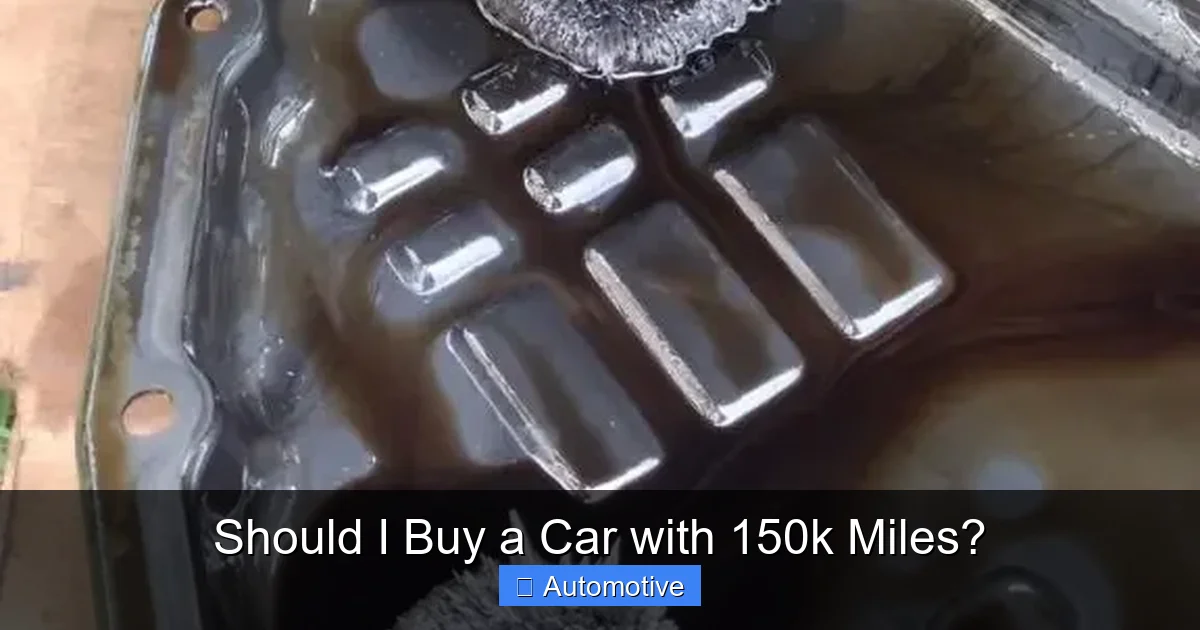
Higher Risk of Repairs: At 150k miles, wear-and-tear components are likely nearing the end of their lifespan. You may need to replace parts like the timing belt, water pump, suspension components, or even the transmission.
Outdated Technology: Older cars may lack modern safety features like blind-spot monitoring, adaptive cruise control, or Apple CarPlay. If tech is important to you, this could be a downside.
Reduced Fuel Efficiency: As engines age, they can become less efficient. A 150k-mile car might not get the same gas mileage it did when it was new.
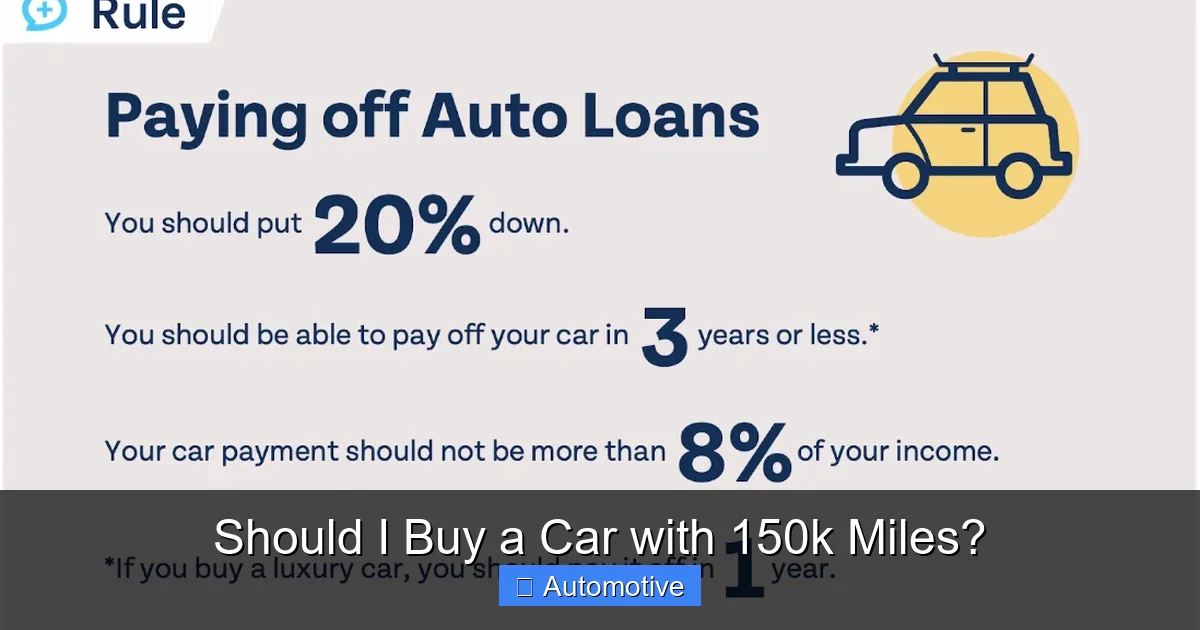
Harder to Finance: Some lenders are hesitant to finance cars over a certain age or mileage. You might need to pay cash or find a specialized lender.
Which Cars Are Best for High Mileage?
Visual guide about Should I Buy a Car with 150k Miles?
Image source: moneyguy.com
Not all cars are created equal when it comes to longevity. Some brands and models are known for their durability and ability to rack up high mileage with minimal issues. If you’re considering a 150k-mile car, these are some of the best options.
Toyota
Toyota has a well-earned reputation for building cars that last. Models like the Camry, Corolla, and RAV4 are known to easily surpass 200,000 miles with proper care. The Toyota Tacoma pickup truck is another standout—many owners report driving them well beyond 300,000 miles.
Honda
Honda vehicles, especially the Accord and Civic, are also top choices for high-mileage buyers. Their engines are reliable, and parts are widely available and affordable. The Honda CR-V is another solid SUV option with a strong track record.
Subaru
Subaru’s all-wheel-drive vehicles, like the Outback and Forester, are popular among drivers who need durability and capability. While some older Subarus had head gasket issues, newer models (post-2009) have largely resolved these problems.
Ford (Certain Models)
Not all Ford vehicles are built to last, but some are. The Ford F-150, especially with the 5.0L V8 engine, is known for its longevity. The Ford Fusion and Escape can also be good options if well-maintained.
Avoid These Brands (Generally)
While there are exceptions, brands like Chrysler, Dodge, and some European manufacturers (like BMW and Mercedes) tend to have higher repair costs and shorter lifespans—especially once they pass 100k miles. That doesn’t mean you should never buy one, but be extra cautious and budget for potential repairs.
What to Look for When Buying a 150k-Mile Car
If you’ve decided to move forward with a high-mileage car, here’s what you need to check before handing over your cash.
1. Get the Vehicle History Report
Always pull a vehicle history report using services like Carfax or AutoCheck. This will tell you if the car has been in any major accidents, had flood damage, or had multiple owners in a short time. A clean report is a good sign—but it’s not a guarantee.
2. Check the Maintenance Records
Ask the seller for service records. Look for regular oil changes, timing belt replacements, brake jobs, and transmission services. A car with a detailed maintenance history is far more likely to be reliable than one with no records.
3. Get a Pre-Purchase Inspection (PPI)
This is non-negotiable. Take the car to a trusted mechanic for a thorough inspection. They’ll check the engine, transmission, suspension, brakes, and undercarriage for signs of wear or damage. A PPI typically costs $100–$150, but it could save you thousands in repairs.
4. Test Drive the Car
Pay attention to how the car feels on the road. Does it pull to one side? Are there unusual noises? Does the transmission shift smoothly? A test drive can reveal a lot about the car’s condition.
5. Check for Rust and Corrosion
Especially if you live in an area with snow or salted roads, rust can be a major issue. Look under the car, around the wheel wells, and in the trunk for signs of corrosion.
6. Research Common Issues
Every car model has known problems. For example, some older Honda Accords have transmission issues, while certain Toyota Camrys may have oil consumption problems. Do your research and ask the mechanic to check for these specific issues.
How Much Should You Pay for a 150k-Mile Car?
Price is a big factor when buying a high-mileage car. You should expect to pay significantly less than you would for a similar model with lower mileage.
Use Pricing Tools
Websites like Kelley Blue Book (KBB), Edmunds, and NADA Guides can help you determine a fair price. Be sure to select the “high mileage” option when getting a valuation. Also, compare prices from private sellers, dealerships, and online listings to get a sense of the market.
Negotiate Based on Condition
If the car needs new tires, brakes, or a timing belt, use that as leverage to negotiate a lower price. For example, if a timing belt replacement costs $800, you can ask the seller to reduce the price by that amount or include the repair in the deal.
Example: 2012 Toyota Camry with 150k Miles
Let’s say you find a 2012 Toyota Camry LE with 150,000 miles. According to KBB, a similar model with 100k miles might be worth $8,000. With 150k miles, you should expect to pay closer to $5,000–$6,000, depending on condition and location.
What Repairs Should You Expect?
At 150k miles, your car is entering the “high-mileage maintenance” phase. Here are some common repairs and replacements you should budget for.
Timing Belt or Chain
Most cars have either a timing belt or a timing chain. Belts need to be replaced every 60,000–100,000 miles. If the belt hasn’t been replaced recently, it’s a top priority—because if it breaks, it can destroy the engine.
Water Pump
The water pump circulates coolant through the engine. It often fails around 100k–150k miles. Replacing it during a timing belt service is common and cost-effective.
Suspension Components
Shocks, struts, ball joints, and control arms wear out over time. If the car feels bouncy or wanders on the highway, the suspension may need attention.
Transmission Service
Even if the transmission seems fine, it’s a good idea to have it inspected and possibly flushed. Slipping, hesitation, or delayed shifting are red flags.
Brake System
Brake pads, rotors, and calipers wear down with use. Check the brake fluid and look for signs of leakage or uneven wear.
Cooling System
Radiators, hoses, and thermostats can fail as they age. Overheating is a serious issue—don’t ignore it.
Electrical Issues
Older cars may have problems with wiring, sensors, or the alternator. These can be tricky to diagnose but are often fixable.
Is a 150k-Mile Car Right for You?
Ultimately, the decision comes down to your needs, budget, and expectations.
You Might Want to Buy If:
– You’re on a tight budget and need reliable transportation.
– You plan to keep the car for several more years.
– You’re comfortable handling minor repairs or have access to affordable mechanics.
– The car has a strong maintenance history and comes from a reliable brand.
You Might Want to Avoid If:
– You need a car for long commutes or frequent road trips.
– You’re not prepared for unexpected repair costs.
– You want the latest tech and safety features.
– You plan to sell the car within a year or two.
Final Tips for Buying a High-Mileage Car
Before you sign on the dotted line, keep these final tips in mind:
– Buy from a private seller when possible. They’re often more transparent about the car’s history than dealerships.
– Don’t skip the PPI. It’s worth every penny.
– Budget for repairs. Set aside $1,000–$2,000 for immediate or upcoming maintenance.
– Consider an extended warranty. Some high-mileage cars qualify for third-party warranties that cover major components.
– Drive it gently at first. Give the car time to settle in and monitor how it performs.
Conclusion
So, should you buy a car with 150k miles? The answer isn’t a simple yes or no—it depends. If the car is from a reliable brand, has a solid maintenance history, and passes a pre-purchase inspection, it could be a smart, cost-effective choice. On the other hand, if it’s a model known for problems or shows signs of neglect, it might be better to keep looking.
The key is to do your homework, ask the right questions, and go in with your eyes open. A 150k-mile car isn’t inherently bad—it’s just a car that’s been driven a lot. And if it’s been driven well, it might still have plenty of life left in it.
Remember: mileage is just one piece of the puzzle. How the car was treated, what it’s been used for, and how it’s been maintained matter far more. With the right approach, you could end up with a reliable, affordable vehicle that serves you well for years to come.
Frequently Asked Questions
Is 150,000 miles too many for a used car?
Not necessarily. Many modern cars are built to last well beyond 150,000 miles, especially if they’ve been properly maintained. The key is to evaluate the car’s condition, not just the odometer reading.
What’s the average lifespan of a car?
The average car lasts between 150,000 and 200,000 miles, but many well-cared-for vehicles can exceed 250,000 miles or more. Regular maintenance and driving habits play a big role.
Can I finance a car with 150k miles?
It depends on the lender. Some banks and credit unions won’t finance cars over a certain age or mileage. You may need to pay cash or work with a specialized lender that offers high-mileage financing.
Should I buy a 150k-mile car from a dealer or private seller?
Private sellers are often more transparent and may offer better prices, but dealers might provide limited warranties or certified pre-owned programs. Weigh the pros and cons based on the specific car and seller.
What’s the most important thing to check on a high-mileage car?
The maintenance history is crucial. Look for records of regular oil changes, timing belt replacements, and other major services. A well-documented history is a strong indicator of reliability.
How much should I budget for repairs on a 150k-mile car?
Set aside at least $1,000–$2,000 for immediate or upcoming repairs. Common expenses include timing belts, brakes, suspension work, and transmission service. Having a repair fund helps avoid financial stress.