Replace Battery Tire Pressure Sensor

Replacing a battery tire pressure sensor is essential for maintaining accurate tire monitoring and vehicle safety. This guide walks you through the signs of failure, replacement steps, and tips to extend sensor life—all in simple, actionable terms.
In This Article
- 1 Key Takeaways
- 2 📑 Table of Contents
- 3 Why Your Tire Pressure Sensor Battery Matters
- 4 Signs Your Tire Pressure Sensor Battery Is Failing
- 5 How Long Do Tire Pressure Sensor Batteries Last?
- 6 Can You Replace Just the Battery in a Tire Pressure Sensor?
- 7 Step-by-Step Guide to Replacing a Tire Pressure Sensor
- 8 Should You DIY or Call a Professional?
- 9 Tips to Extend the Life of Your Tire Pressure Sensors
- 10 Choosing the Right Replacement Sensor
- 11 Conclusion
- 12 Frequently Asked Questions
- 12.1 How much does it cost to replace a tire pressure sensor battery?
- 12.2 Can I drive with a dead tire pressure sensor?
- 12.3 Do all cars have replaceable tire pressure sensor batteries?
- 12.4 How often should I check my tire pressure sensors?
- 12.5 Will a dead sensor affect my car’s performance?
- 12.6 Can I replace just one sensor, or do I need to replace all four?
Key Takeaways
- Know the signs: A flashing TPMS light or inconsistent readings often mean the sensor battery is dying.
- Most sensors last 5–10 years: Battery life varies by brand, climate, and driving habits.
- Replacement requires tools: You’ll need a TPMS scan tool, torque wrench, and possibly a valve core kit.
- Professional help is an option: Many tire shops offer sensor replacement for a reasonable fee.
- Reset the system after replacement: Always relearn the sensor IDs to ensure accurate monitoring.
- Prevent future issues: Regular tire maintenance and proper inflation extend sensor life.
- Not all sensors are equal: Choose OEM or high-quality aftermarket replacements for reliability.
📑 Table of Contents
- Why Your Tire Pressure Sensor Battery Matters
- Signs Your Tire Pressure Sensor Battery Is Failing
- How Long Do Tire Pressure Sensor Batteries Last?
- Can You Replace Just the Battery in a Tire Pressure Sensor?
- Step-by-Step Guide to Replacing a Tire Pressure Sensor
- Should You DIY or Call a Professional?
- Tips to Extend the Life of Your Tire Pressure Sensors
- Choosing the Right Replacement Sensor
- Conclusion
Why Your Tire Pressure Sensor Battery Matters
Your car’s Tire Pressure Monitoring System (TPMS) is like a silent guardian—constantly checking your tires and alerting you when something’s off. At the heart of this system are small devices mounted inside each wheel: the tire pressure sensors. These sensors measure air pressure and temperature, then wirelessly transmit that data to your dashboard. But here’s the catch: most of these sensors are powered by a small, non-rechargeable lithium battery. And just like any battery, it eventually dies.
When that happens, the sensor can’t send accurate data. You might see a flashing TPMS light, get false warnings, or—worst of all—miss a real low-pressure situation that could lead to a blowout. Replacing the battery tire pressure sensor isn’t just about fixing a warning light; it’s about keeping you safe on the road. Ignoring a failing sensor is like driving with a blind spot in your vehicle’s safety net.
Modern vehicles rely heavily on electronic systems, and TPMS is one of the most critical. Whether you drive a compact sedan or a heavy-duty truck, proper tire pressure affects fuel efficiency, tire wear, handling, and braking. A dead sensor means you’re flying blind. That’s why understanding when and how to replace the battery tire pressure sensor is a must-have skill for any car owner who values safety and performance.
Signs Your Tire Pressure Sensor Battery Is Failing
Visual guide about Replace Battery Tire Pressure Sensor
Image source: askmyauto.com
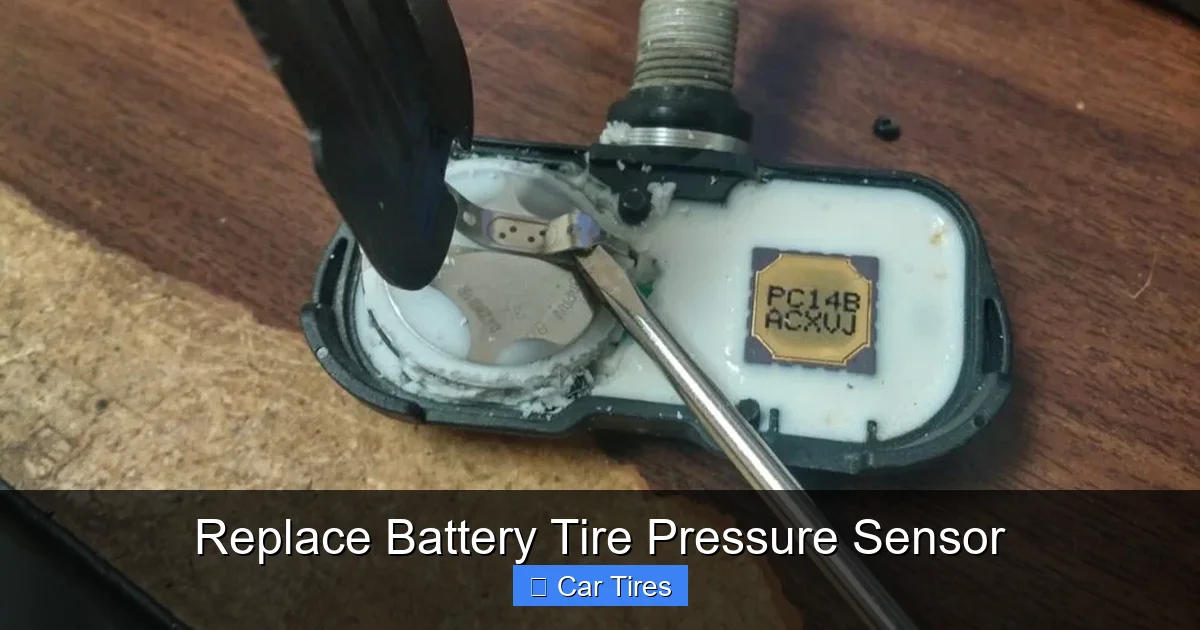
So how do you know it’s time to replace the battery tire pressure sensor? The most obvious clue is the TPMS warning light on your dashboard. But not all lights mean the same thing. A steady light usually indicates low tire pressure, while a flashing light—especially one that blinks for a minute then stays on—often points to a sensor malfunction, including a dead battery.
Another sign is inconsistent or missing readings. If your car’s display shows “—” or “No Signal” for one or more tires, the sensor may have stopped transmitting. You might also notice that the light comes on after driving for a while, then turns off—this can happen when the sensor’s weak battery fails under temperature changes.
In colder climates, sensor batteries tend to die faster. Lithium batteries lose efficiency in extreme cold, and since tire sensors are exposed to outdoor temperatures, winter can be especially tough on them. If you live in a region with harsh winters and your TPMS light starts acting up around December or January, a dying battery is a likely culprit.
It’s also worth noting that not all sensor failures are due to the battery. Physical damage from potholes, corrosion on the valve stem, or a faulty seal can also cause problems. But if your car is more than five years old and the sensor hasn’t been replaced, the battery is the most common issue.
Common Symptoms to Watch For
- Flashing TPMS light: Often indicates a sensor communication failure.
- Missing tire readings: One or more tires show no pressure data.
- Intermittent warnings: Light turns on and off randomly.
- Slow response: Pressure updates take longer than usual after driving.
- Error messages: Some vehicles display “TPMS Fault” or “Service TPMS.”
If you notice any of these signs, it’s time to investigate. Start by checking your tire pressure manually with a reliable gauge. If the pressure is correct but the light remains, the sensor itself is likely the issue.
How Long Do Tire Pressure Sensor Batteries Last?
Visual guide about Replace Battery Tire Pressure Sensor
Image source: ricksfreeautorepairadvice.com
Most tire pressure sensor batteries are designed to last between 5 and 10 years. That’s a wide range, and several factors influence how long they actually last. The type of sensor, driving conditions, climate, and even how often you drive all play a role.
Original Equipment Manufacturer (OEM) sensors, like those installed by carmakers, often use high-quality batteries and are built to last closer to the 10-year mark. Aftermarket sensors can vary widely—some are just as durable, while others may fail in as little as 3–5 years.
Climate is a big factor. Extreme heat can degrade battery life faster, but cold weather is even more damaging. Lithium batteries lose capacity in freezing temperatures, and since tire sensors are mounted inside the wheel—exposed to road salt, moisture, and temperature swings—they take a beating in winter.
Driving habits also matter. If you frequently drive on rough roads, hit potholes, or carry heavy loads, your sensors experience more vibration and stress, which can shorten battery life. Similarly, if you rarely drive, the battery may degrade from inactivity.
It’s also worth noting that some newer vehicles use sensors with replaceable batteries, while most older models have sealed units. If your car is from the early 2000s, chances are the entire sensor must be replaced when the battery dies. Newer models, especially from 2015 onward, may offer modular designs that allow battery swaps—but this is still relatively rare.
Average Lifespan by Vehicle Age
- 2005–2010 models: 5–7 years (sealed sensors, full replacement needed)
- 2011–2015 models: 6–8 years (some aftermarket options with replaceable batteries)
- 2016–2023 models: 7–10 years (improved battery tech, some modular designs)
If your car is approaching the 5-year mark and you’re seeing TPMS issues, it’s a good idea to have the sensors checked. Many mechanics recommend replacing all four sensors at once when one fails, especially if they’re nearing the end of their lifespan. This prevents future headaches and ensures consistent performance.
Can You Replace Just the Battery in a Tire Pressure Sensor?
Visual guide about Replace Battery Tire Pressure Sensor
Image source: ricksfreeautorepairadvice.com
This is one of the most common questions: Can you replace just the battery in a tire pressure sensor, or do you need to replace the whole unit? The short answer is: it depends.
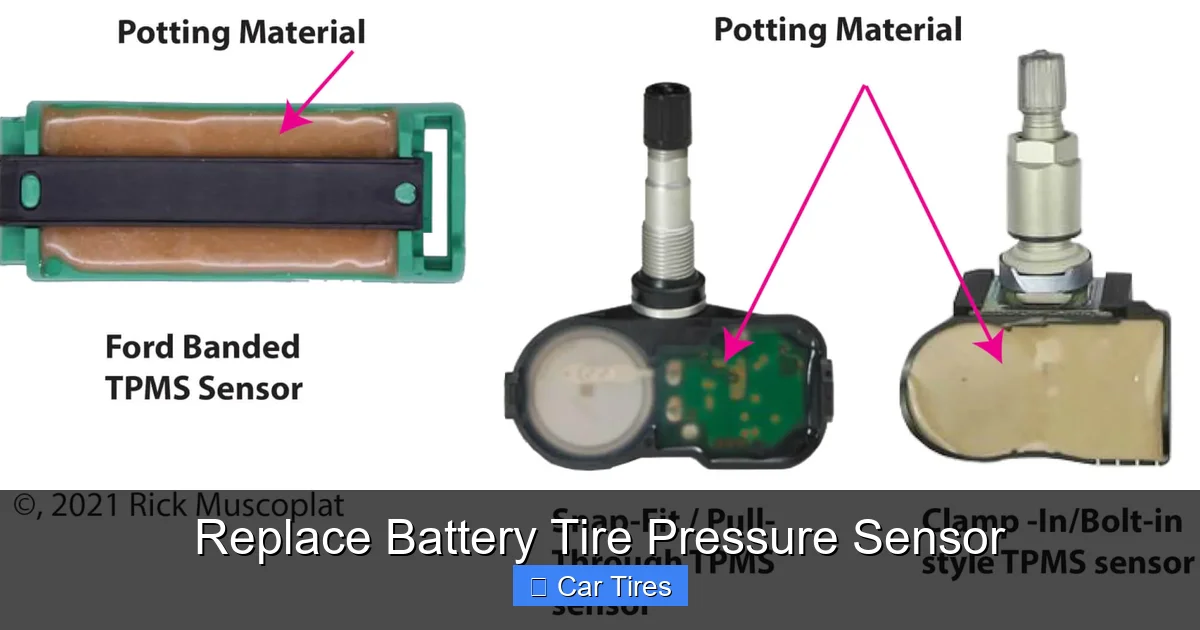
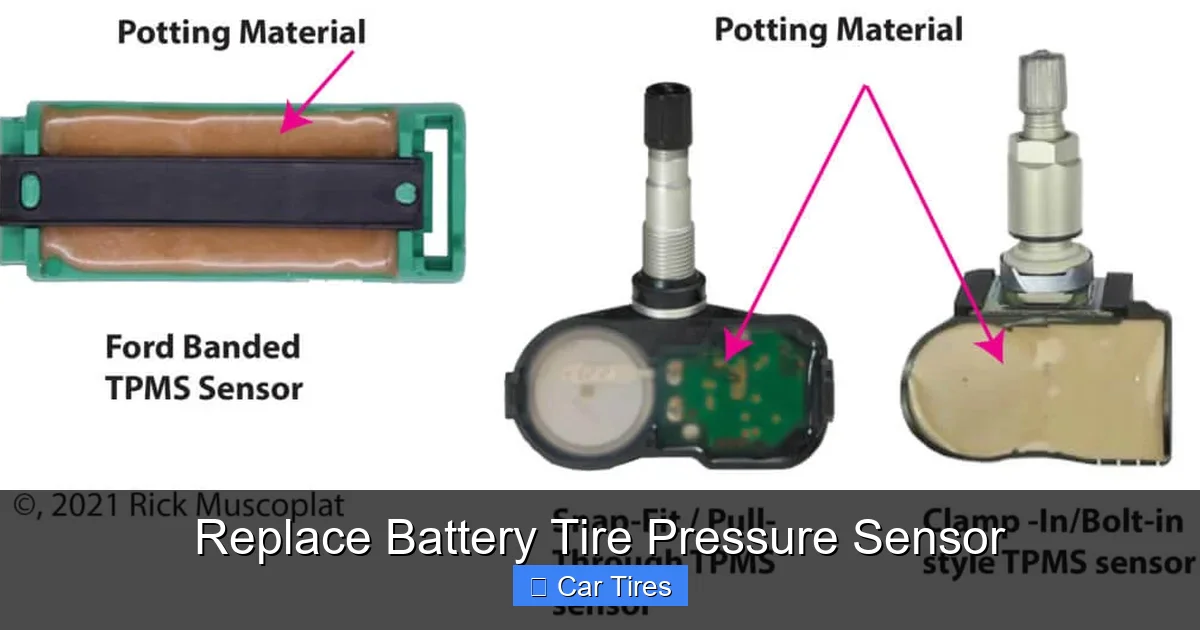
Most tire pressure sensors on the market today are sealed units. That means the battery is soldered or permanently enclosed inside the sensor housing. In these cases, you can’t simply pop open the sensor and swap the battery—you have to replace the entire sensor. This is true for the vast majority of OEM sensors and many aftermarket ones.
However, a growing number of aftermarket sensors now offer replaceable batteries. These are typically designed for DIY enthusiasts or professional tire shops. They feature a removable cap or compartment that allows you to access the battery without damaging the sensor. Brands like Schrader, Denso, and Orange Electronics offer models with this feature.
Even with replaceable batteries, the process isn’t always straightforward. You’ll need specialized tools to open the sensor without breaking it, and you must ensure the new battery matches the voltage and size exactly. Using the wrong battery can damage the sensor or cause it to malfunction.
When Full Replacement Is Necessary
- OEM sensors: Almost always sealed; replacement required.
- Older vehicles: Most models before 2015 use non-serviceable sensors.
- Damaged housings: Cracks or corrosion mean the sensor can’t be safely opened.
- Lack of tools: Without a TPMS service kit, battery replacement is risky.
If you’re unsure whether your sensor has a replaceable battery, check the manufacturer’s specifications or consult a tire professional. In most cases, especially for older vehicles, replacing the entire sensor is the safest and most reliable option.
Step-by-Step Guide to Replacing a Tire Pressure Sensor
Replacing a battery tire pressure sensor isn’t as simple as changing a lightbulb, but with the right tools and preparation, it’s doable—even for beginners. Here’s a step-by-step guide to help you through the process.
Tools and Materials You’ll Need
- TPMS scan tool (to read and program sensor IDs)
- Torque wrench (for proper valve stem tightening)
- Valve core removal tool
- New tire pressure sensor(s)
- Tire bead breaker (if removing the tire)
- Air compressor
- Safety glasses and gloves
Step 1: Identify the Faulty Sensor
Use your TPMS scan tool to check each sensor’s status. The tool will show you which sensor is not responding or has a weak signal. This helps confirm that the issue is the battery and not a wiring or module problem.
Step 2: Remove the Tire
If the sensor is mounted inside the wheel (direct TPMS), you’ll need to remove the tire. Use a tire machine or take it to a shop if you don’t have the equipment. Be careful not to damage the sensor during removal.
Step 3: Remove the Old Sensor
Once the tire is off, locate the sensor on the valve stem. Use the valve core tool to remove the core and release any remaining air. Then, unscrew the sensor from the wheel. Some sensors are held in place with a nut—use the correct socket to avoid stripping.
Step 4: Install the New Sensor
Attach the new sensor to the valve stem and tighten it to the manufacturer’s torque specification (usually 6–8 ft-lbs). Over-tightening can crack the stem; under-tightening can cause leaks. Replace the valve core and inflate the tire to the recommended pressure.
Step 5: Program and Relearn the Sensor
This is the most critical step. Each sensor has a unique ID that must be registered with your car’s computer. Use your TPMS scan tool to program the new sensor and initiate the relearn procedure. This varies by vehicle—some require driving for a few minutes, others need a specific sequence of button presses.
Step 6: Reinstall the Tire and Test
Mount the tire back on the wheel, balance it if necessary, and reinstall it on the car. Drive for 10–15 minutes to allow the system to confirm the new sensor is working. Check that the TPMS light is off and all tires show correct pressure readings.
Tips for Success
- Always replace the valve stem cap—it prevents dirt and moisture from entering.
- Use a torque wrench—never tighten by hand or with pliers.
- If replacing one sensor, consider replacing all four for consistency.
- Keep your old sensor—some shops offer trade-in discounts.
Should You DIY or Call a Professional?
Deciding whether to replace the battery tire pressure sensor yourself or hire a professional depends on your experience, tools, and confidence.
DIY replacement can save you $50–$150 per sensor, which adds up quickly. If you’re comfortable working on tires and have the right tools, it’s a manageable project. However, mistakes can be costly—improper installation can lead to air leaks, sensor damage, or even wheel corrosion.
On the other hand, professional tire shops have the equipment, expertise, and access to OEM-quality sensors. They can diagnose the issue, replace the sensor, and perform the relearn procedure in under an hour. Many also offer warranties on their work.
When to Go Pro
- You don’t own a TPMS scan tool.
- Your vehicle requires a complex relearn procedure.
- You’re unsure about torque specifications.
- The sensor is corroded or difficult to remove.
- You’re replacing multiple sensors.
For most people, especially those with newer vehicles or complex TPMS systems, professional installation is the safer choice. But if you’re a hands-on driver with the right tools, DIY can be a rewarding and cost-effective option.
Tips to Extend the Life of Your Tire Pressure Sensors
While you can’t stop the battery from eventually dying, you can take steps to maximize its lifespan and keep your sensors in top condition.
First, maintain proper tire pressure. Underinflated tires cause the sensor to work harder and can lead to overheating. Overinflated tires increase stress on the valve stem and sensor housing. Check your pressure monthly and adjust as needed.
Second, avoid harsh driving conditions when possible. Potholes, curbs, and rough roads can damage sensors. If you frequently drive on unpaved roads, consider upgrading to reinforced valve stems or protective caps.
Third, keep your wheels clean. Road salt, dirt, and brake dust can corrode the sensor and valve stem. Wash your wheels regularly, especially in winter, and inspect for signs of rust or damage.
Finally, have your TPMS inspected during routine maintenance. Many mechanics include a sensor check with tire rotations or alignments. Catching issues early can prevent unexpected failures.
Preventive Maintenance Checklist
- Check tire pressure monthly.
- Inspect sensors for damage or corrosion.
- Replace valve stem caps if missing or cracked.
- Schedule TPMS checks every 2 years.
- Avoid overloading your vehicle.
Choosing the Right Replacement Sensor
Not all tire pressure sensors are created equal. When it’s time to replace the battery tire pressure sensor, you’ll face a choice: OEM or aftermarket?
OEM sensors are made by the original manufacturer and are designed to match your vehicle exactly. They’re reliable, durable, and often come with a warranty. The downside? They’re usually more expensive—sometimes double the price of aftermarket options.
Aftermarket sensors can be a great alternative, especially if you’re on a budget. Many are built to OEM specifications and perform just as well. Look for brands with good reviews and compatibility with your vehicle’s make and model.
Top Aftermarket Sensor Brands
- Schrader: One of the largest TPMS manufacturers; widely trusted.
- Denso: Known for high-quality electronics and long battery life.
- Orange Electronics: Offers affordable, reliable sensors with good compatibility.
- Standard Motor Products: Budget-friendly with solid performance.
Always verify compatibility before buying. Use your vehicle’s VIN or consult the sensor manufacturer’s fitment guide. Installing the wrong sensor can lead to communication errors or system failures.
Conclusion
Replacing a battery tire pressure sensor is a vital part of vehicle maintenance that ensures your TPMS continues to protect you on the road. While the process may seem technical, understanding the signs of failure, knowing your options, and following proper procedures can make it manageable—even for first-timers.
Whether you choose to DIY or visit a professional, the key is to act promptly when you notice TPMS issues. Ignoring a failing sensor compromises safety, fuel efficiency, and tire longevity. With the right tools, knowledge, and a little patience, you can keep your tires—and your car—running smoothly for years to come.
Remember: a healthy TPMS starts with a healthy sensor. Don’t wait for a blowout or a roadside emergency. Stay ahead of the curve, and your car will thank you.
Frequently Asked Questions
How much does it cost to replace a tire pressure sensor battery?
The cost varies, but expect to pay $50–$150 per sensor if replacing the entire unit. Labor adds $20–$50 per wheel. Some shops offer package deals for all four sensors.
Can I drive with a dead tire pressure sensor?
Yes, but it’s not recommended. You won’t receive low-pressure alerts, increasing the risk of tire damage or blowouts. The TPMS light will also remain on, which can be distracting.
Do all cars have replaceable tire pressure sensor batteries?
No. Most sensors are sealed and require full replacement. Only certain aftermarket models offer replaceable batteries, and even then, specialized tools are needed.
How often should I check my tire pressure sensors?
Have them inspected every 2 years or during routine tire maintenance. Check the TPMS light monthly and verify tire pressure with a gauge.
Will a dead sensor affect my car’s performance?
Not directly, but it removes a key safety feature. You might miss low-pressure warnings, leading to poor handling, reduced fuel economy, or tire failure.
Can I replace just one sensor, or do I need to replace all four?
You can replace just one, but if the others are old, consider replacing all four for consistent performance and to avoid future repairs.