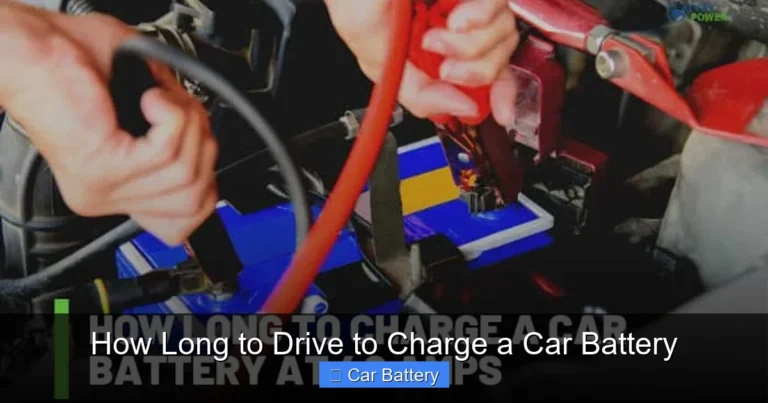
Positive or Negative First on Car Battery
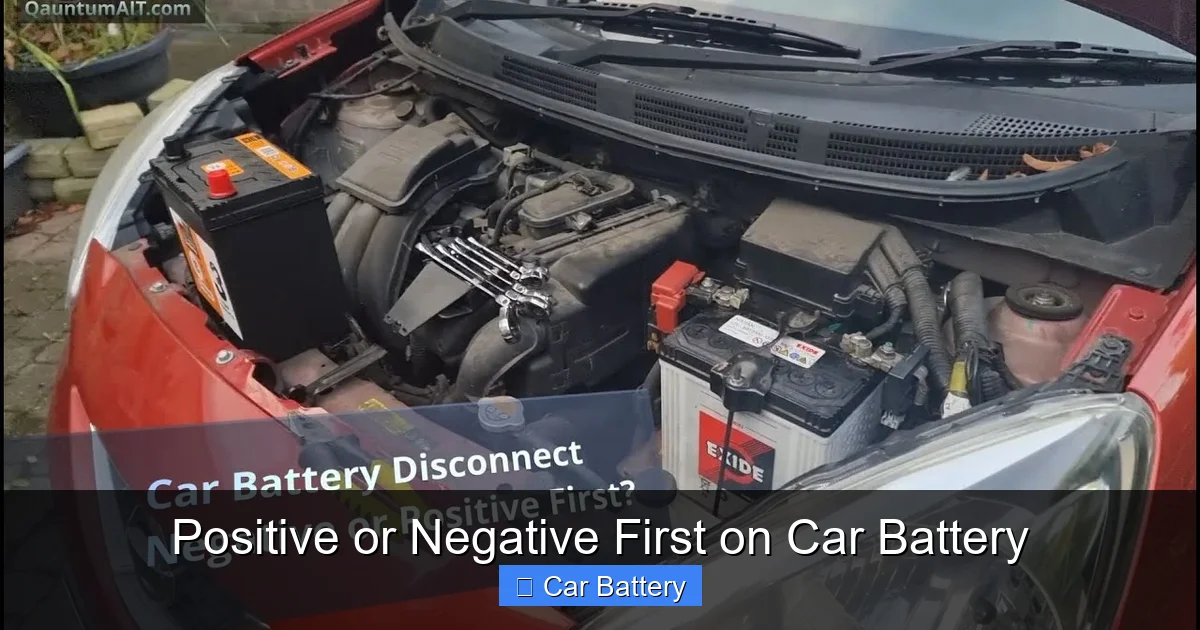
Connecting the positive or negative first on a car battery is critical for safety and performance. Always attach the positive cable first and disconnect it last to prevent sparks, short circuits, and potential damage to your vehicle’s electrical system.
In This Article
- 1 Key Takeaways
- 2 📑 Table of Contents
- 3 Positive or Negative First on Car Battery: The Right Way to Connect
- 4 Why the Order Matters: Safety and Electrical Systems
- 5 Step-by-Step: How to Safely Connect a Car Battery
- 6 Jump-Starting: Special Considerations
- 7 Battery Maintenance: Preventing the Need for Jump-Starts
- 8 Common Mistakes to Avoid
- 9 When to Replace Your Battery
- 10 Conclusion
- 11 Frequently Asked Questions
- 11.1 Should I connect positive or negative first when jump-starting?
- 11.2 Can I connect the negative cable directly to the dead battery?
- 11.3 What happens if I connect the cables in the wrong order?
- 11.4 Do I need special tools to connect a car battery?
- 11.5 How often should I check my car battery?
- 11.6 Can a bad battery damage my car’s electronics?
Key Takeaways
- Always connect the positive terminal first: This reduces the risk of sparking near the battery, which can ignite flammable gases.
- Disconnect the negative terminal last: Removing the ground connection first minimizes the chance of accidental short circuits during removal.
- Follow the correct jump-starting sequence: Connect positive to positive, then negative to the dead battery’s negative or a grounded metal part on the dead car.
- Wear safety gear: Use gloves and safety glasses to protect against acid burns and electrical shocks.
- Check battery condition regularly: Corrosion, leaks, or swelling are signs your battery may need replacement.
- Use quality cables and tools: Poor-quality jumper cables can overheat or fail, increasing the risk of injury or damage.
- Know your vehicle’s grounding system: Most modern cars are negative-ground, meaning the negative terminal is connected to the chassis.
📑 Table of Contents
- Positive or Negative First on Car Battery: The Right Way to Connect
- Why the Order Matters: Safety and Electrical Systems
- Step-by-Step: How to Safely Connect a Car Battery
- Jump-Starting: Special Considerations
- Battery Maintenance: Preventing the Need for Jump-Starts
- Common Mistakes to Avoid
- When to Replace Your Battery
- Conclusion
Positive or Negative First on Car Battery: The Right Way to Connect
We’ve all been there—your car won’t start, the dashboard lights flicker, and you realize the battery is dead. Whether you’re jump-starting a vehicle or replacing a battery, one question always comes up: *Should you connect the positive or negative terminal first?* It might seem like a small detail, but the order in which you connect or disconnect battery cables can make a big difference in safety and vehicle performance.
Car batteries store a lot of electrical energy and contain sulfuric acid, which is highly corrosive. They also emit hydrogen gas, which is flammable. A single spark near the battery can ignite this gas, leading to an explosion. That’s why understanding the correct sequence—positive or negative first—isn’t just about convenience; it’s about safety.
In this guide, we’ll walk you through the proper steps for connecting and disconnecting car battery terminals, explain why the order matters, and share practical tips to keep you and your vehicle safe. Whether you’re a seasoned DIYer or a first-time car owner, knowing how to handle your car battery correctly can save you time, money, and potentially prevent serious injury.
Why the Order Matters: Safety and Electrical Systems

Visual guide about Positive or Negative First on Car Battery
Image source: wikihow.com
The reason we emphasize connecting the positive or negative first on a car battery comes down to electrical grounding and the risk of short circuits. Most modern vehicles use a **negative-ground system**, meaning the negative terminal of the battery is connected directly to the car’s chassis (the metal frame). This design simplifies wiring and improves electrical efficiency.
When you connect the negative cable first, the entire vehicle becomes “live” as soon as the positive terminal is touched. If your wrench or tool accidentally touches both the positive terminal and any grounded metal part (like the engine block), it creates a direct short circuit. This can cause a massive spark, melt tools, damage the battery, or even start a fire.
On the other hand, if you connect the **positive terminal first**, the circuit isn’t completed until the negative cable is attached. This means there’s less risk of a spark occurring near the battery, where flammable gases may be present. The same logic applies when disconnecting: you remove the negative cable first to break the ground connection, reducing the chance of accidental contact with live parts.
Let’s say you’re jump-starting a car. If you connect the negative cable to the dead battery’s negative terminal and then touch the positive cable to the positive terminal, a spark could occur right at the battery. But if you connect positive to positive first, then attach the negative cable to a grounded metal part on the dead car (not the battery), the spark happens away from the battery—much safer.
Real-Life Example: A Spark That Could Have Been Avoided
Imagine you’re helping a friend whose car won’t start. You grab your jumper cables and connect the red (positive) clip to the dead battery’s positive terminal. Then, you connect the black (negative) clip to the good battery’s negative terminal. So far, so good. Now, for the final connection, you attach the other black clip to the dead battery’s negative terminal.
The moment you touch it, a loud *pop* and a bright spark erupt. That spark could have ignited hydrogen gas leaking from the battery. Worse, if your hand slips and the wrench touches both terminals, you could get a severe electrical shock or damage the vehicle’s electronics.
Now, let’s replay that scenario with the correct method:
1. Connect red to dead battery positive.
2. Connect red to good battery positive.
3. Connect black to good battery negative.
4. Connect black to a grounded metal part on the dead car (like a bracket or engine block), *not* the battery.
This time, the final connection happens away from the battery, minimizing spark risk. This small change can prevent accidents and protect sensitive electronics.
Step-by-Step: How to Safely Connect a Car Battery

Visual guide about Positive or Negative First on Car Battery
Image source: wikihow.com
Knowing whether to connect positive or negative first is only half the battle. The full process matters just as much. Here’s a clear, step-by-step guide to safely connecting a car battery—whether you’re installing a new one or jump-starting a dead battery.
Tools You’ll Need
– High-quality jumper cables (if jump-starting)
– Wrench or socket set (usually 10mm or 13mm)
– Safety gloves and goggles
– Wire brush (for cleaning terminals)
– Baking soda and water (optional, for cleaning corrosion)
Step 1: Turn Off Both Vehicles
Before touching any cables, make sure both cars are turned off. This prevents electrical surges and reduces the risk of short circuits. If you’re replacing a battery, disconnect the old one only after the engine is off and the keys are removed.
Step 2: Identify the Terminals
Most batteries have clearly marked terminals:
– **Positive (+)**: Usually red, larger post, marked with a “+”
– **Negative (–)**: Usually black, smaller post, marked with a “–”
If the markings are faded, look for color-coded cables or consult your owner’s manual.
Step 3: Clean the Terminals (If Needed)
Corrosion (a white or green powdery substance) can build up on terminals and interfere with electrical flow. Mix a tablespoon of baking soda with water, dip an old toothbrush in it, and scrub the terminals. Rinse with clean water and dry thoroughly.
Step 4: Connect the Positive Terminal First
This is the golden rule: **Always connect the positive cable first.**
– Place the red (positive) cable on the positive terminal of the dead battery.
– Tighten the clamp securely with a wrench.
– Then, connect the other end of the red cable to the positive terminal of the good battery.
Step 5: Connect the Negative Cable to Ground
Now, attach the black (negative) cable to the negative terminal of the good battery.
For the final connection, **do not attach the black cable to the dead battery’s negative terminal.** Instead, clamp it to a grounded metal part on the dead car—like an engine bracket, chassis bolt, or unpainted metal frame. This reduces sparking near the battery.
Step 6: Start the Vehicles
– Start the engine of the good car and let it run for a few minutes to charge the dead battery.
– Try starting the dead car. If it starts, let both cars run for 10–15 minutes.
– If it doesn’t start after a few attempts, wait a few more minutes and try again.
Step 7: Disconnect in Reverse Order
When removing cables, reverse the process:
1. Remove the black (negative) cable from the grounded metal part on the dead car.
2. Remove the black cable from the good battery’s negative terminal.
3. Remove the red cable from the good battery’s positive terminal.
4. Remove the red cable from the dead battery’s positive terminal.
This sequence ensures you’re never creating a live circuit while handling the cables.
Jump-Starting: Special Considerations

Visual guide about Positive or Negative First on Car Battery
Image source: thumbs.dreamstime.com
Jump-starting is one of the most common reasons people need to connect battery cables. But it’s also where mistakes happen most often. Let’s go over the correct jump-starting procedure with a focus on safety and the positive or negative first rule.
Why Grounding Matters in Jump-Starting
When you connect the negative cable directly to the dead battery’s negative terminal, any spark during connection happens right at the battery. Since car batteries can emit hydrogen gas—especially when charging—this is a fire hazard.
By connecting the final negative cable to a grounded metal part on the dead car, you move the spark away from the battery. This small change significantly reduces risk.
Jump-Starting Step-by-Step
1. Park the working car close enough for cables to reach, but not touching.
2. Turn off both engines and engage the parking brakes.
3. Open both hoods and locate the batteries.
4. Connect the red cable to the dead battery’s positive terminal.
5. Connect the other red end to the good battery’s positive terminal.
6. Connect the black cable to the good battery’s negative terminal.
7. Connect the other black end to a grounded metal part on the dead car (not the battery).
8. Start the working car and let it idle for 5 minutes.
9. Try starting the dead car.
10. Once running, disconnect cables in reverse order.
What If the Battery Is Swollen or Leaking?
Never attempt to jump-start a battery that is swollen, cracked, or leaking fluid. These are signs of internal damage or overcharging. A damaged battery can explode when connected. In this case, call a professional or replace the battery.
Modern Cars and Electronics
Many newer vehicles have sensitive electronics—ECUs, sensors, infotainment systems—that can be damaged by voltage spikes during jump-starting. Some manufacturers recommend using a portable jump starter or battery charger instead of another vehicle. Always check your owner’s manual for specific instructions.
Battery Maintenance: Preventing the Need for Jump-Starts
The best way to avoid the dilemma of positive or negative first is to keep your battery in good condition. A well-maintained battery is less likely to die unexpectedly.
Check Battery Age
Most car batteries last 3–5 years. If your battery is older than 4 years, consider having it tested. Many auto parts stores offer free battery testing.
Inspect for Corrosion
Check terminals monthly for white or green buildup. Clean as needed with a baking soda solution and wire brush.
Ensure Tight Connections
Loose cables can cause poor starting, flickering lights, or electrical issues. Make sure terminals are snug but don’t overtighten—this can damage the posts.
Keep It Charged
Short trips don’t allow the alternator to fully recharge the battery. If you drive less than 20 minutes at a time, consider using a battery maintainer or trickle charger.
Protect from Extreme Temperatures
Cold weather reduces battery capacity, while heat accelerates corrosion. Park in a garage when possible, and consider a battery insulation kit in winter.
Test the Charging System
A failing alternator can drain your battery even if the battery itself is good. If your battery keeps dying, have the charging system checked.
Common Mistakes to Avoid
Even experienced drivers make mistakes when handling car batteries. Here are some common errors and how to avoid them.
Connecting Negative First
This increases the risk of sparking near the battery. Always connect positive first, negative last.
Touching Both Terminals with a Tool
Using a metal wrench to tighten both terminals at once can create a short circuit. Always use insulated tools and work on one terminal at a time.
Ignoring Safety Gear
Battery acid can burn skin and eyes. Always wear gloves and safety glasses.
Using Damaged Cables
Frayed or cracked jumper cables can overheat or fail. Inspect cables before each use.
Jump-Starting a Frozen Battery
Never jump-start a frozen battery. The internal plates can crack, leading to leaks or explosions. Let the battery thaw completely in a warm environment first.
Leaving Cables Connected Too Long
Once the dead car starts, disconnect cables promptly. Prolonged connection can overcharge the battery or damage electronics.
When to Replace Your Battery
No battery lasts forever. Here are signs it’s time for a replacement:
– **Slow engine crank**: The engine turns over slowly, especially in cold weather.
– **Check engine or battery light**: Illuminated on the dashboard.
– **Swollen or bloated case**: Indicates overheating or overcharging.
– **Old age**: Over 4–5 years old.
– **Frequent jump-starts**: If you need a jump more than once a year, the battery is likely failing.
– **Corrosion buildup**: Excessive corrosion that keeps returning after cleaning.
If you notice any of these signs, have your battery tested. Most auto shops can do this for free.
Conclusion
So, should you connect positive or negative first on a car battery? The answer is clear: **always connect the positive terminal first and disconnect it last.** This simple rule reduces the risk of sparks, short circuits, and potential explosions—especially important when jump-starting or replacing a battery.
By following the correct sequence, wearing safety gear, and maintaining your battery, you can keep your vehicle running smoothly and avoid dangerous situations. Remember, safety isn’t just about knowing what to do—it’s about doing it the right way every time.
Whether you’re helping a friend on the side of the road or performing routine maintenance, taking a few extra seconds to connect your cables properly can make all the difference. Stay safe, stay informed, and keep your car’s heart—the battery—in top shape.
Frequently Asked Questions
Should I connect positive or negative first when jump-starting?
Always connect the positive cable first. Attach the red (positive) clamp to the dead battery’s positive terminal, then to the good battery’s positive. This reduces sparking near the battery, which can ignite flammable gases.
Can I connect the negative cable directly to the dead battery?
It’s safer to connect the final negative cable to a grounded metal part on the dead car, not the battery’s negative terminal. This moves any spark away from the battery, reducing fire risk.
What happens if I connect the cables in the wrong order?
Connecting negative first increases the chance of a short circuit or spark near the battery. This can damage electronics, melt tools, or even cause an explosion if hydrogen gas is present.
Do I need special tools to connect a car battery?
You’ll need a wrench or socket set to tighten terminals, jumper cables for jump-starting, and safety gear like gloves and goggles. A wire brush and baking soda can help clean corrosion.
How often should I check my car battery?
Inspect your battery every 3–6 months for corrosion, loose connections, or physical damage. Test it annually after 3 years of use, or sooner if you notice slow starts or warning lights.
Can a bad battery damage my car’s electronics?
Yes, a failing battery or improper jump-starting can cause voltage spikes that damage sensitive electronics like the ECU, sensors, or infotainment system. Always follow safe procedures and consult your manual.