
Pirelli P7 vs Continental PureContact: Which Is Actually Better?

As a former tire shop manager, I have tested both of these premium tires on wet and dry roads. When customers ask about the Pirelli P7 vs Continental PureContact, they want a quiet, plush, and safe daily driver. Between the two, the Continental PureContact LS is my overall winner. It simply stops faster in heavy rain while offering slightly sharper steering than the Pirelli.
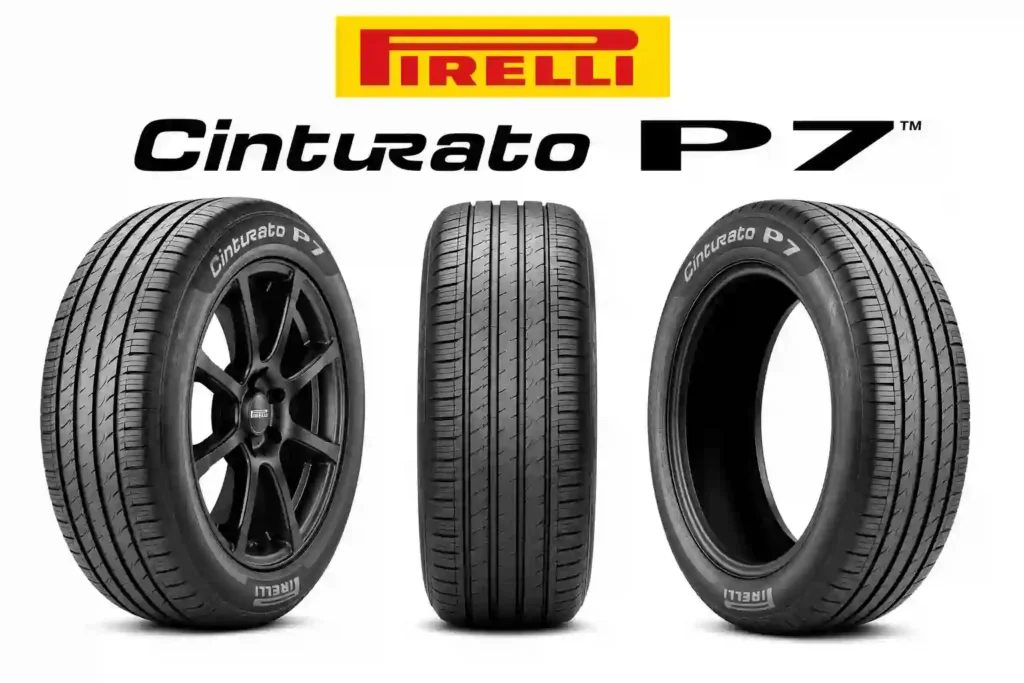
The Luxury Comfort Battle: Pirelli P7 vs Continental PureContact
Choosing the right grand touring tire can change how your car feels every single day. Both of these tires are built for long highway trips and daily city driving. They sit at the top of the luxury tire market for a very good reason.
You pay good money for premium tires, so you expect a truly smooth ride. But they handle road bumps, tight turns, and deep water in very different ways. Let us look closely at how their rubber compounds actually perform on the street.
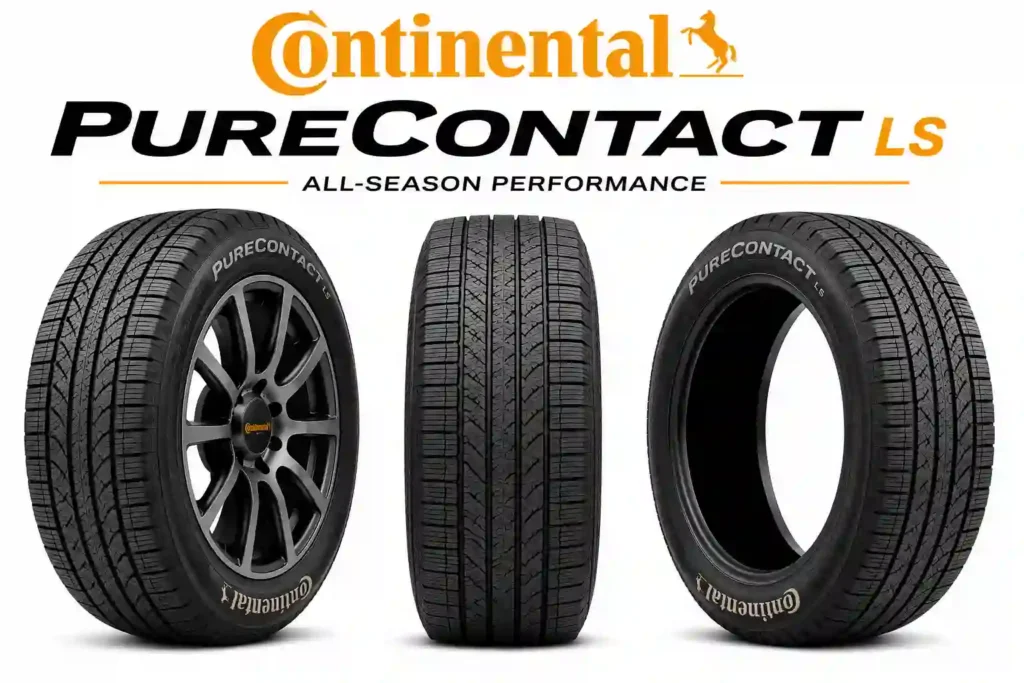
Quick Side-by-Side Spec Comparison
Before we dive deep, let us look at the hard numbers for both tires. These basic specs show exactly what each tire brings to the table right away.
| Feature | Pirelli P7 AS Plus 3 | Continental PureContact LS |
| Tire Category | Grand Touring All-Season | Grand Touring All-Season |
| Mileage Warranty | 70,000 Miles | 70,000 Miles |
| Special Tech | 3D Sipes, Quiet Tread | EcoPlus Tech, Traction Grooves |
| Tread Wear Rating | 740 UTQG | 700 UTQG |
| Best Used For | Maximum quietness and soft ride | Wet grip and sharp handling |
The UTQG (Uniform Tire Quality Grading) is a government rating for tire wear. Higher numbers mean the rubber should last longer on the road. Based on these specs, both tires offer amazing tread life for the price.
Complete Overview of Both Touring Tires
Both of these tires are built to last a long time while keeping you comfortable. They use advanced rubber mixes to grip the road without making loud noises.
Pirelli P7 Overview
The Pirelli Cinturato P7 All Season Plus 3 is built for pure comfort. It has a very flexible sidewall that eats up harsh bumps and cracks. The tire uses special 3D sipes (tiny cuts in the rubber) to grip light snow.
This tire is designed heavily around noise reduction and a plush highway ride. If your daily commute involves a lot of broken pavement, this rubber acts like a soft cushion.
Continental PureContact Overview
The Continental PureContact LS focuses heavily on wet weather safety. It uses EcoPlus technology to grip wet roads and save gas. This tire has a slightly stiffer feel, giving you much more control when turning fast.
Continental built this tire to stop quickly in sudden driving emergencies. The tread pattern blocks are very stable, which gives you confidence when driving at highway speeds.
Ride Comfort and Bump Absorption
If you drive a nice luxury car, you want a tire that feels like a cloud. Both tires do a great job hiding the feel of rough and ugly pavement.
Why the Pirelli Feels Softer
I once mounted a set of Pirelli P7s on an older Honda sedan for a customer. The owner called me the next day to say his car felt brand new again. The Pirelli has a softer rubber mix that absorbs deep potholes incredibly well.
Who Should Avoid Stiff Sidewalls
The Continental tire is very smooth, but it is firmer than the Pirelli. If you drive on dirt roads or terrible city streets daily, skip the Continental. You will feel those sharp bumps just a little bit more in your seat.
Road Noise and Cabin Quietness Evaluated
Nobody wants a tire that hums loudly on the highway. A quiet cabin is the main reason people buy grand touring tires in the first place.
Here is how both tires score when it comes to keeping your drive quiet.
| Noise Test Factor | Pirelli P7 | Continental PureContact |
| Highway Speed Hum | 9.5 / 10 | 9.2 / 10 |
| Rough Pavement Noise | 9.4 / 10 | 9.0 / 10 |
| City Driving Sound | 9.7 / 10 | 9.5 / 10 |
| Overall Quietness | Winner | Runner-up |
As the table shows, the Pirelli is the absolute king of silence. Its special tread blocks are perfectly tuned to cancel out road noise at high speeds. The Continental is still very quiet, but it lets a tiny bit more sound into the car.
Highway Performance for Long Road Trips
When you drive on the highway for hours, you need a tire that tracks straight. You should not have to fight the steering wheel to stay safely in your lane.
The Continental tire shines on long, fast highway trips. Its firmer sidewall keeps the car feeling planted and highly stable at high speeds.
“A good touring tire should feel invisible on the highway. If you have to correct your steering constantly at 70 mph, you bought the wrong tire.”
The Pirelli is also great, but its soft sidewall can feel slightly bouncy. If you hit a big dip on the highway, the Pirelli takes a second longer to settle down.
Dry Handling and Daily Commuting Grip
Most of your driving will happen on dry roads during your daily commute. You want a tire that grabs the asphalt tightly when you hit the brakes.
Let us look at how these two tires compare on dry pavement.
| Dry Performance | Pirelli P7 | Continental PureContact |
| Dry Braking Distance | Excellent | Superior |
| Cornering Grip | Good | Excellent |
| Off-the-Line Traction | Great | Great |
| Overall Dry Winner | Runner-up | Winner |
The Continental PureContact stops several feet shorter than the Pirelli on dry roads. This is because Continental uses special traction grooves that put more rubber on the street. The Contact Patch (the exact area of rubber touching the road) stays wide and flat.
Wet Performance and Hydroplaning Safety
Driving in heavy rain is scary if your tires cannot clear the water fast. A good rain tire prevents hydroplaning (sliding completely on top of a deep puddle).
I always tell my customers not to play games with wet weather safety. The Continental tire uses deep grooves to push massive amounts of water away very fast.
| Wet Performance | Pirelli P7 | Continental PureContact |
| Hydroplaning Resistance | Great | Superior |
| Wet Braking Grip | Good | Excellent |
| Heavy Rain Control | Great | Excellent |
| Overall Wet Winner | Runner-up | Winner |
During my shop days, I drove the Continental PureContact in a massive storm. The tire cut right through deep puddles on the highway without losing grip once. The Pirelli is safe in the rain, but it simply cannot match the Continental’s wet braking speed.
Steering Feel and Driver Feedback
Steering feel is how well the tire tells your hands what the road is doing. A sporty tire reacts instantly, while a soft tire feels a bit slow.
The Continental tire responds much faster when you turn the wheel. Its strong shoulder blocks keep the tire from folding over during quick lane changes.
Because the Pirelli is built for supreme comfort, the steering feels slightly numb. It takes a split second longer for the car to react when you turn hard.
Tread Life and Mileage Warranty Comparison
Buying new tires is expensive, so you want them to last as long as possible. Both brands promise their rubber will survive for years of daily driving.
Here is exactly what you get for tire life and factory warranties.
| Tread Life Factor | Pirelli P7 | Continental PureContact |
| Mileage Warranty | 70,000 Miles | 70,000 Miles |
| UTQG Wear Rating | 740 | 700 |
| Even Wear Design | Excellent | Excellent |
| Expected Lifespan | 4 to 6 Years | 4 to 6 Years |
Both tires come with an incredible 70,000-mile factory tread wear warranty. They both use special rubber mixes that resist breaking down on hot summer pavement. If you rotate them every 5,000 miles, both tires will easily hit their mileage targets.
Fuel Efficiency and Rolling Resistance
Tires play a huge role in how much gas your car uses every week. Low rolling resistance means the tire takes much less engine power to move forward.
The Continental uses its EcoPlus compound to save you money at the gas pump. It rolls extremely easily, which helps boost your miles per gallon over time.
“A good eco-friendly tire can save you enough gas money to pay for a whole new tire by the end of its life.”
The Pirelli also features low rolling resistance to improve your overall fuel economy. You really cannot go wrong with either tire if you want to save gas.
Price vs Luxury Value Breakdown
Price is often the final deciding factor when picking between two great tires. Both of these models sit in the premium price bracket for touring tires.
Let us compare the average pricing and overall value for a standard 17-inch tire size.
| Value Category | Pirelli P7 | Continental PureContact |
| Average Cost Per Tire | ~$182 | ~$180 |
| Cost for a Set of Four | ~$728 | ~$720 |
| Roadside Assistance | 30-Day Trial | 3 Years Included |
| Overall Value Winner | Great | Excellent |
The prices are nearly identical, costing around $180 to $182 per tire for a standard 17-inch size. This means a full set will run you about the exact same amount of money.
However, Continental offers a three-year roadside assistance plan with their tires. This extra perk makes the Continental an incredible value for your hard-earned money.
Comprehensive Pros and Cons List
It always helps to see all the good and bad points in one simple list. No tire is absolutely perfect for every single driver on the road.
Here is the final breakdown of what each tire does best.
| Tire Model | The Good (Pros) | The Bad (Cons) |
| Pirelli P7 | Unbeatable quietness, super soft ride | Slower steering, longer wet braking |
| Continental | Amazing wet grip, sharp handling | Slightly firmer over big bumps |
If you know exactly what you hate about your current tires, use this table. Pick the tire that fixes your biggest driving complaint today.
Which Tire Is Better for Daily Driving?
Your daily drive dictates which tire you should actually bolt onto your car. If you drive a plush luxury sedan and hate road noise, buy the Pirelli.
However, if you deal with heavy rain and want sporty handling, grab the Continental. It strikes a perfect balance between everyday comfort and sharp safety.
Final Verdict: The Best Touring Choice
The Continental PureContact LS wins this luxury touring battle. It delivers better wet traction, shorter stopping distances, and a slightly better warranty package. The Pirelli is incredibly smooth, but the Continental keeps you safer in bad weather.
Check your driver-side door jamb to find your exact factory tire size today. Then, grab a tread depth gauge to see if it is time to upgrade your rubber.
FAQ for Pirelli P7 vs Continental PureContact
Which tire lasts longer on the road?
Both tires feature a strong 70,000-mile warranty. With regular tire rotations, they will easily last 4 to 6 years.
Are these tires good in the snow?
They handle very light snow fine. For deep winter weather or ice, always buy dedicated winter tires instead.
Which tire is quieter on the highway?
The Pirelli P7 is the absolute quietest option. Its unique tread design blocks out harsh road hum almost entirely.
