Order for Connecting Car Battery
Connecting a car battery the right way is crucial for safety and vehicle performance. This guide explains the proper order—negative first when disconnecting, positive first when reconnecting—and why it matters. Follow these steps to avoid sparks, short circuits, and costly repairs.
In This Article
- 1 Key Takeaways
- 2 📑 Table of Contents
- 3 Why the Order for Connecting Car Battery Matters
- 4 The Correct Order for Disconnecting a Car Battery
- 5 The Right Way to Reconnect a Car Battery
- 6 Safety Precautions When Handling Car Batteries
- 7 Common Mistakes to Avoid
- 8 When to Replace Your Car Battery
- 9 Conclusion
- 10 Frequently Asked Questions
- 10.1 What happens if I connect the car battery in the wrong order?
- 10.2 Can I disconnect the positive terminal first if I’m careful?
- 10.3 Do I need to reset my car’s computer after changing the battery?
- 10.4 How tight should battery terminal nuts be?
- 10.5 Is it safe to jump-start a car without following the connection order?
- 10.6 How often should I check my car battery?
Key Takeaways
- Disconnect the negative terminal first: Always remove the negative (black) cable before the positive to reduce the risk of short circuits and sparks near the battery.
- Reconnect the positive terminal first: When reinstalling, attach the positive (red) cable first, then the negative, to safely complete the circuit.
- Wear safety gear: Use gloves and safety goggles to protect against acid burns and electrical shocks.
- Check for corrosion: Clean terminals with a baking soda and water solution before reconnecting to ensure a solid electrical connection.
- Turn off the ignition: Always ensure the car is off and keys are removed to prevent accidental electrical surges.
- Use proper tools: A wrench that fits snugly prevents slipping and reduces the chance of shorting terminals.
- Test after reconnecting: Start the engine and check lights and electronics to confirm everything is working properly.
📑 Table of Contents
Why the Order for Connecting Car Battery Matters
You might think swapping out a car battery is as simple as unplugging the old one and plugging in the new. But if you’ve ever seen a spark fly when touching a wrench to a battery terminal, you know there’s more to it. The order for connecting car battery terminals isn’t just a suggestion—it’s a safety protocol designed to protect you, your vehicle, and the battery itself.
Car batteries store a lot of electrical energy. Even when the car is off, the battery remains live. That means any metal tool that touches both the positive and negative terminals—or a grounded part of the car—can create a short circuit. This can cause sparks, melt tools, damage electronics, or even trigger a battery explosion in rare cases. That’s why knowing the correct sequence—disconnecting the negative first, reconnecting the positive first—is so important.
Many DIYers get this backward, especially when they’re in a hurry. But taking an extra minute to follow the right steps can save you from costly repairs, injury, or a dead battery. Whether you’re replacing an old battery, jump-starting a car, or performing maintenance, the connection order is a small detail with big consequences.
The Correct Order for Disconnecting a Car Battery
Visual guide about Order for Connecting Car Battery
Image source: i.ytimg.com
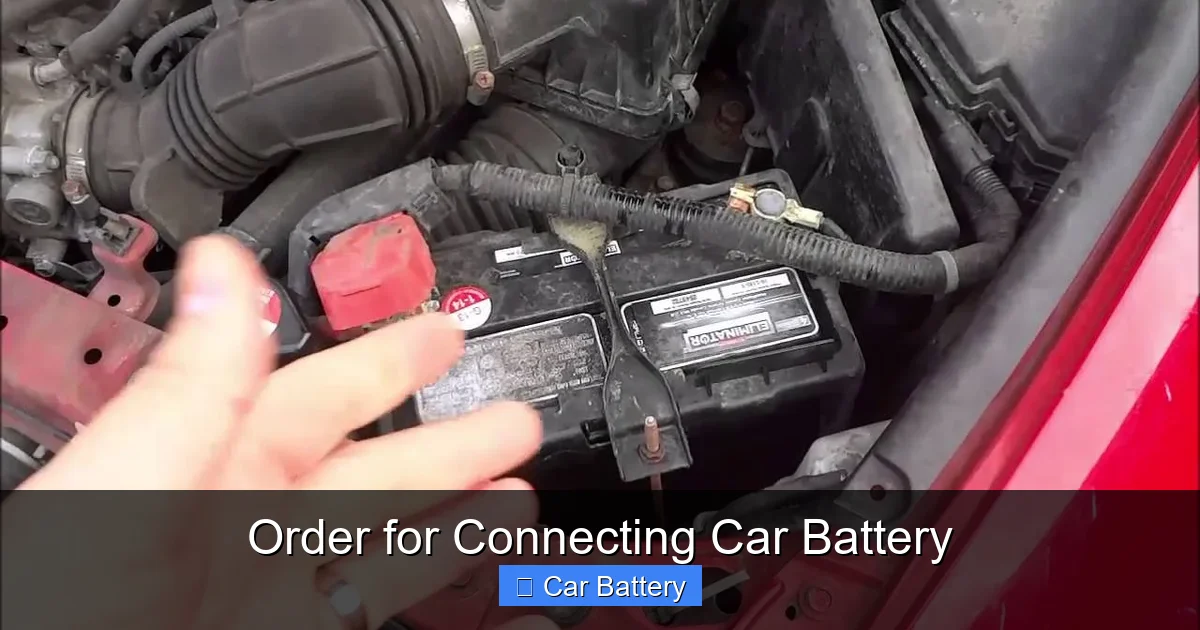
When it’s time to remove a car battery—whether for replacement, cleaning, or repair—the first rule is simple: always disconnect the negative terminal first. This terminal is usually marked with a minus sign (–) and connected to a black cable. It’s also linked to the car’s chassis, which acts as a ground.
Step-by-Step Disconnection Process
Start by turning off the engine and removing the keys from the ignition. Open the hood and locate the battery. Most batteries are in the engine bay, but some newer models may have them in the trunk or under a seat. Once you’ve found it, identify the positive (red, +) and negative (black, –) terminals.
Using a wrench or socket that fits the terminal nut, loosen the negative cable clamp. Don’t remove the wrench yet—just loosen it enough to wiggle the clamp off the terminal. Once it’s loose, carefully lift the negative cable away and tuck it aside so it can’t accidentally touch the terminal or any metal part of the car.
Next, repeat the process with the positive terminal. Loosen the nut, remove the red cable, and secure it away from the battery. By removing the negative first, you’ve broken the ground connection. This means that even if your tool touches both the positive terminal and the car’s metal frame, there’s no complete circuit—so no spark.
Why Negative First?
You might wonder why the order matters. After all, both cables carry electricity, right? The key is in the grounding. The negative terminal is connected to the car’s chassis. If you remove the positive cable first and your wrench touches both the positive terminal and the metal body of the car, you create a direct short. Electricity will flow from the positive terminal, through the wrench, into the grounded chassis, and back to the battery—causing a spark, heat, and potential damage.
But if the negative is disconnected first, the circuit is already broken. The car’s frame is no longer part of the electrical loop. So even if your tool bridges the positive terminal and the chassis, nothing happens. It’s like unplugging a lamp before changing the bulb—it’s just safer.
Real-Life Example: A Spark That Could’ve Been Avoided
Imagine you’re replacing a battery in your garage. You’re in a rush, so you grab the positive cable first. As you loosen the nut, your wrench slips and touches the positive terminal and the engine block at the same time. A bright spark flashes, the wrench gets hot, and you jump back. Luckily, no one was hurt—but the battery could have been damaged, and the car’s electronics might have taken a hit.
Now imagine doing it the right way: negative first. Even if the wrench slips, there’s no complete circuit. No spark. No risk. That’s the power of proper order.
The Right Way to Reconnect a Car Battery
Visual guide about Order for Connecting Car Battery
Image source: i.ytimg.com
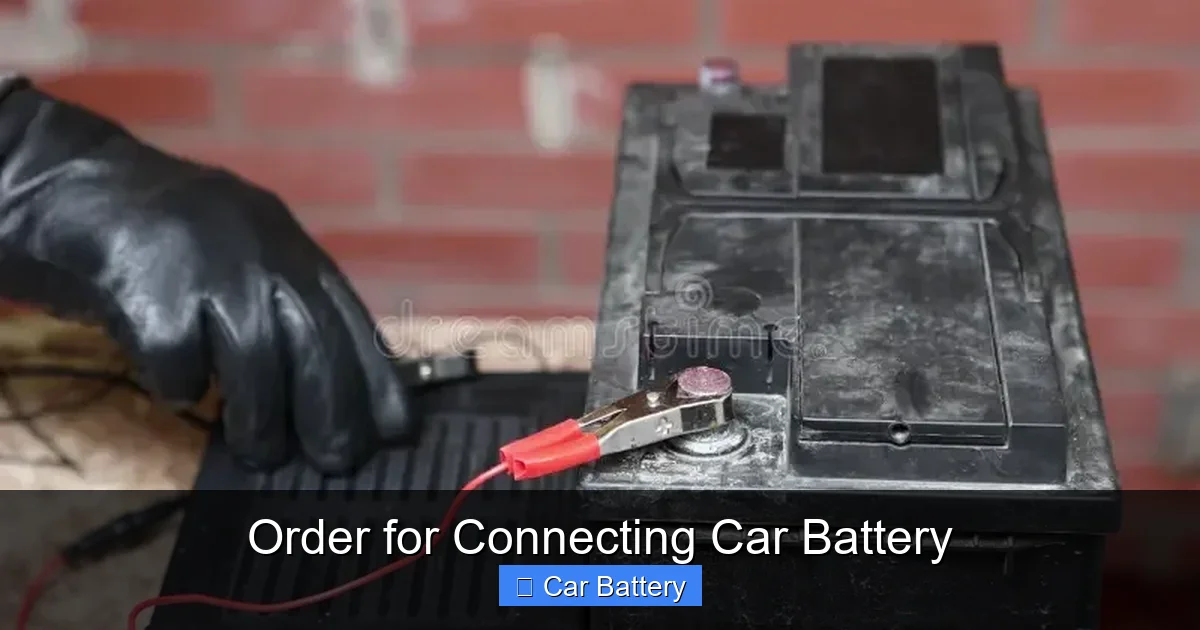
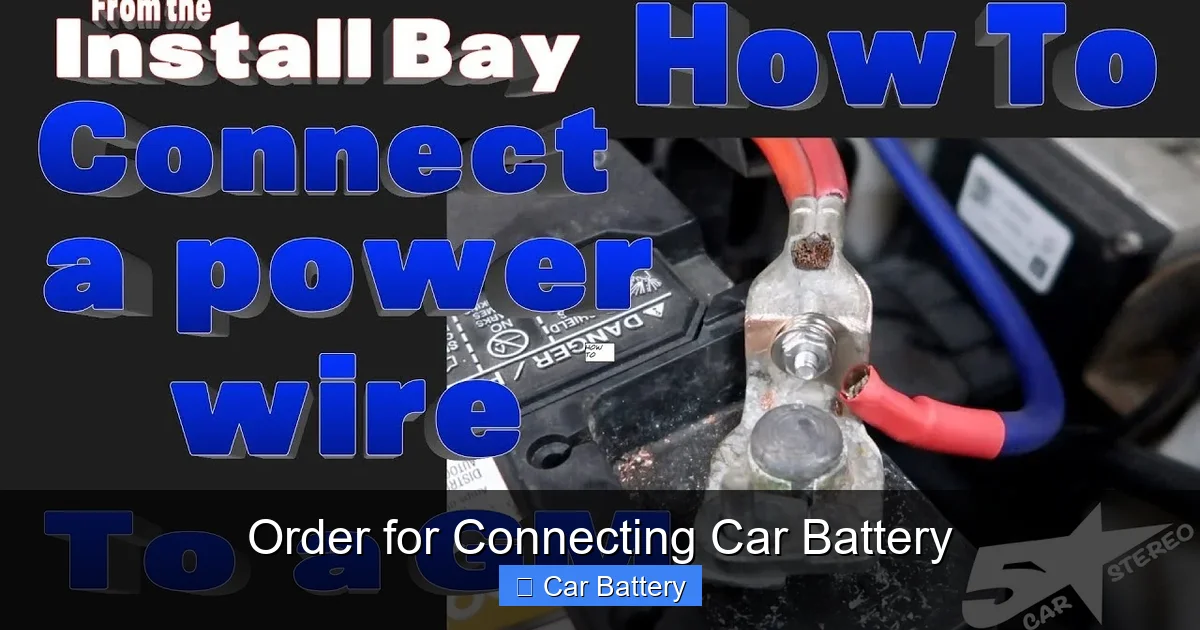
Once the old battery is out and the new one is in place, it’s time to reconnect. But here’s where many people get confused: the reconnection order is the opposite of disconnection. You should connect the positive terminal first, then the negative.
Step-by-Step Reconnection Process
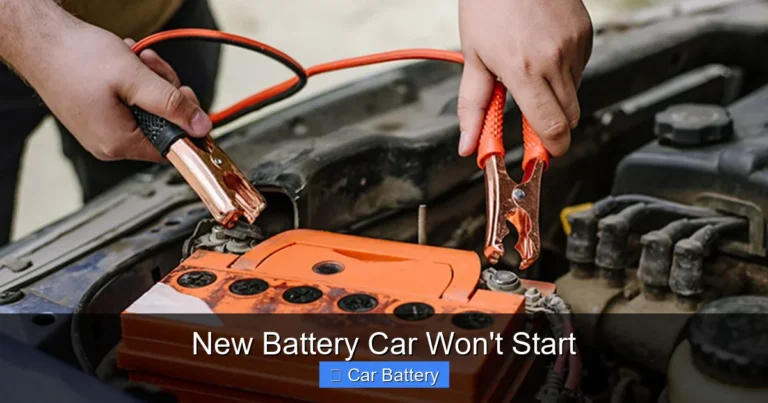
Start by placing the new battery in the tray and securing it with the hold-down clamp. Make sure it’s snug and won’t move around while driving. Then, take the positive (red) cable and place it over the positive terminal. Use your wrench to tighten the nut just enough to hold it firmly—don’t over-tighten, as this can strip the threads or crack the terminal.
Next, attach the negative (black) cable to the negative terminal and tighten it securely. This completes the circuit, and the battery is now live. But because you connected the positive first, the risk of a short is minimized. Even if the negative cable accidentally touches the positive terminal during installation, the circuit isn’t complete until the negative is grounded—and you’re doing that last, under control.
Why Positive First When Reconnecting?
It might seem counterintuitive, but connecting the positive first is safer because the negative terminal is grounded to the car. If you connected the negative first and then touched the positive cable to the terminal while the wrench was near metal, you could create a short. But by connecting the positive first, you’re only energizing one side of the circuit. The system remains safe until the final connection.
Think of it like turning on a light switch. The power is live, but the circuit isn’t complete until the switch is flipped. In this case, the “switch” is the negative connection.
Pro Tip: Use Dielectric Grease
After connecting both terminals, consider applying a small amount of dielectric grease to the connections. This special grease prevents corrosion, reduces resistance, and helps maintain a strong electrical connection over time. Just dab a pea-sized amount on each terminal before attaching the cables. It’s cheap, easy, and can extend the life of your battery and electrical system.
Safety Precautions When Handling Car Batteries
Visual guide about Order for Connecting Car Battery
Image source: rustyautos.com
Even with the right connection order, working with car batteries comes with risks. Battery acid, flammable gases, and high electrical currents mean you should always take precautions.
Wear Protective Gear
Always wear safety goggles and gloves when handling a car battery. Battery acid is corrosive and can cause serious burns to your skin and eyes. If you spill acid, rinse the area immediately with plenty of water. Keep a bottle of baking soda nearby—it neutralizes acid on contact.
Work in a Well-Ventilated Area
Car batteries emit hydrogen gas, especially when charging. This gas is highly flammable and can ignite with a single spark. Never smoke, use open flames, or create sparks near a battery. Work in a garage with the door open or outside whenever possible.
Keep Metal Objects Away
Avoid wearing jewelry, watches, or carrying loose tools in your pockets. Metal objects can accidentally bridge terminals and cause short circuits. Keep your workspace clean and organized.
Use the Right Tools
Use a wrench or socket that fits the terminal nut perfectly. A loose tool can slip and cause sparks. Insulated tools are even better—they reduce the risk of electrical shock.
Never Tip the Battery
Car batteries contain liquid electrolyte. If you tip or drop the battery, acid can leak out. Always carry it upright and secure it during transport.
Dispose of Old Batteries Properly
Old car batteries contain lead and acid, which are hazardous. Never throw them in the trash. Most auto parts stores and recycling centers accept used batteries for safe disposal or recycling. In many places, it’s illegal to dispose of them improperly.
Common Mistakes to Avoid
Even experienced drivers make mistakes when handling car batteries. Here are some common pitfalls and how to avoid them.
Reversing the Connection Order
This is the biggest mistake. Connecting the negative first when reconnecting—or positive first when disconnecting—increases the risk of short circuits. Always remember: negative off first, positive on first.
Over-Tightening Terminal Nuts
Using too much force can crack the battery terminal or strip the threads. Tighten just enough to hold the cable securely. If it’s loose, it will vibrate and cause poor connections. If it’s too tight, you risk damage.
Ignoring Corrosion
White or blue-green crust around the terminals is a sign of corrosion. This buildup increases resistance and can prevent the battery from charging properly. Clean it with a mixture of baking soda and water, using an old toothbrush to scrub the terminals and cable ends. Rinse with water and dry thoroughly before reconnecting.
Forgetting to Turn Off the Car
Always turn off the engine and remove the keys before working on the battery. Even in accessory mode, some systems remain active and can cause electrical issues.
Using the Wrong Battery
Not all batteries are the same. Check your owner’s manual for the correct size, type, and cold cranking amps (CCA) rating. Installing the wrong battery can lead to poor performance or damage to the charging system.
Not Securing the Battery
A loose battery can shift while driving, damaging terminals or cables. Always use the hold-down clamp to keep it in place.
When to Replace Your Car Battery
Knowing when to replace your battery can prevent unexpected breakdowns. Most car batteries last 3 to 5 years, but factors like climate, driving habits, and vehicle electronics can shorten that lifespan.
Signs Your Battery Is Failing
Slow engine crank is one of the earliest signs. If your engine takes longer to start—especially in cold weather—it could mean the battery is losing its charge. Dim headlights or interior lights are another clue. If lights flicker or seem weaker than usual, the battery may not be delivering full power.
Electrical issues like malfunctioning power windows, radio, or dashboard lights can also point to a weak battery. And if you notice a swollen or bloated battery case, it’s likely overheated and should be replaced immediately.
Testing Your Battery
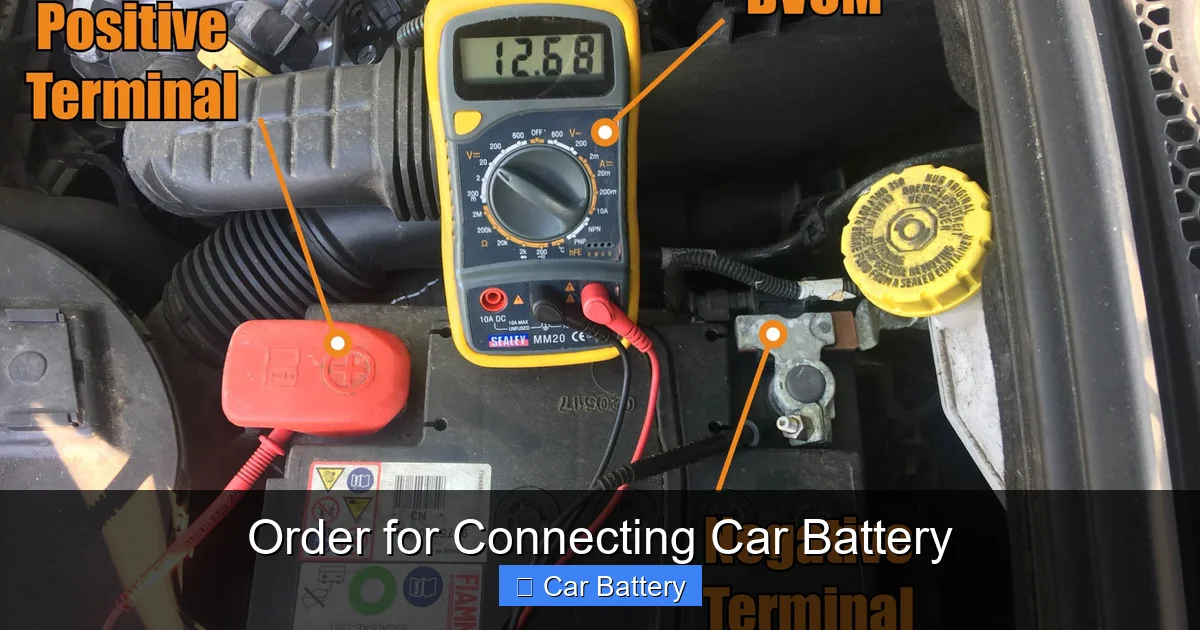
You can test your battery with a multimeter or visit an auto parts store for a free load test. A healthy battery should read around 12.6 volts when the car is off. If it’s below 12.4 volts, it may need charging or replacement.
Preventive Maintenance
To extend battery life, keep terminals clean, drive regularly to allow the alternator to recharge the battery, and avoid leaving lights or accessories on when the engine is off. In extreme climates, consider a battery insulator or trickle charger during long periods of inactivity.
Conclusion
The order for connecting car battery terminals might seem like a minor detail, but it plays a major role in safety and performance. By disconnecting the negative terminal first and reconnecting the positive terminal first, you minimize the risk of sparks, short circuits, and damage to your vehicle’s electrical system.
Taking the time to follow the correct steps—wearing safety gear, cleaning terminals, using the right tools, and testing after installation—can save you time, money, and stress in the long run. Whether you’re a seasoned mechanic or a first-time DIYer, these practices ensure a smooth, safe battery replacement.
Remember, your car’s battery is the heart of its electrical system. Treat it with care, and it will keep you moving reliably for years to come.
Frequently Asked Questions
What happens if I connect the car battery in the wrong order?
Connecting the battery in the wrong order—such as positive first when disconnecting—can cause sparks, short circuits, or damage to the vehicle’s electronics. In rare cases, it may even lead to a battery explosion due to flammable gases.
Can I disconnect the positive terminal first if I’m careful?
It’s not recommended. Even with caution, a slipping tool can create a short circuit if the negative is still connected. Always disconnect the negative terminal first to break the ground connection and reduce risk.
Do I need to reset my car’s computer after changing the battery?
Some vehicles may require a reset for radio codes, clock settings, or adaptive learning features. Check your owner’s manual. Most modern cars will relearn settings automatically, but you may need to drive for a few miles to complete the process.
How tight should battery terminal nuts be?
Terminal nuts should be snug but not over-tightened. Use a wrench to tighten just until the cable clamp is secure. Over-tightening can crack the terminal or strip the threads, leading to poor connections.
Is it safe to jump-start a car without following the connection order?
No. Jump-starting also requires proper order: connect positive to positive, then negative to a grounded metal part (not the battery). Reversing this can cause sparks near the battery, increasing the risk of explosion.
How often should I check my car battery?
Inspect your battery every 6 months for corrosion, loose connections, and physical damage. Test the voltage annually or before long trips, especially if your battery is over 3 years old.