Nail in Tire Should I Pull It Out
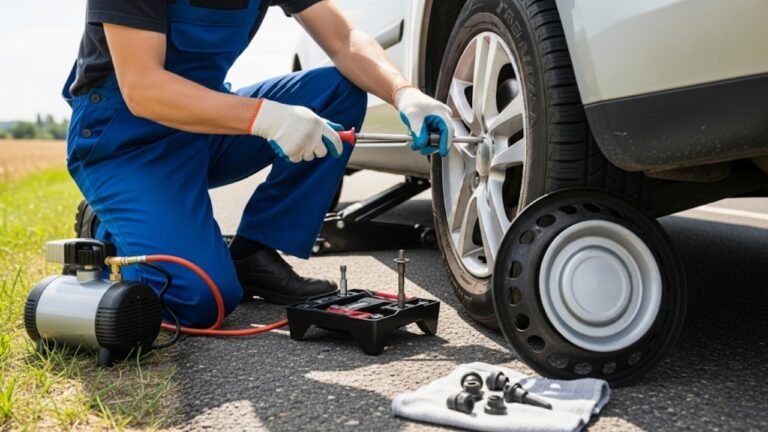
Finding a nail in your tire can be alarming, but pulling it out immediately isn’t always the best move. Acting too quickly might worsen the leak or hide the real damage. This guide walks you through what to do—and what not to do—when you spot a nail in your tire.
This is a comprehensive guide about nail in tire should i pull it out.
In This Article
- 1 Key Takeaways
- 2 Introduction: That Dreaded Nail in Your Tire
- 3 Should You Pull the Nail Out? The Short Answer
- 4 How to Assess the Damage: A Step-by-Step Guide
- 5 Can the Tire Be Repaired? Understanding Your Options
- 6 Safety First: Risks of Driving on a Punctured Tire
- 7 What to Do Next: Your Action Plan
- 8 Prevention Tips: How to Avoid Nail Punctures
- 9 Conclusion: Stay Calm, Stay Safe
- 10 Frequently Asked Questions
Key Takeaways
- Do not pull the nail out right away: Removing it can cause rapid air loss and make it harder to assess the damage.
- Check tire pressure immediately: Use a gauge to see if the tire is losing air slowly or quickly.
- Inspect the location of the nail: Nails in the tread (center) are often repairable; those near the sidewall are usually not.
- Seek professional help: Only certified tire technicians should remove the nail and determine if a patch or plug is safe.
- Driving on a punctured tire is risky: Even a slow leak can lead to overheating, blowouts, or loss of control.
- Prevention matters: Avoid debris on roads, check tires regularly, and maintain proper inflation to reduce puncture risks.
- Know your tire warranty: Some manufacturers cover puncture repairs, so check your policy before paying out of pocket.
[FEATURED_IMAGE_PLACEHOLDER]
Introduction: That Dreaded Nail in Your Tire
You’re driving down the road, minding your own business, when you hear that faint hissing sound. Or maybe you glance at your dashboard and see the tire pressure warning light glowing like a tiny red alarm. You pull over, step out, and there it is—a shiny nail embedded deep in your tire’s tread. Your heart sinks. Now what?
It’s a scenario every driver fears, yet it happens more often than you’d think. According to the Rubber Manufacturers Association, punctures from nails, screws, and other sharp objects are one of the most common reasons for roadside tire failures. But while the sight of a nail in your tire is unsettling, panicking—or worse, yanking it out—can make things much worse. The key is to stay calm, assess the situation, and take the right steps to protect your safety and your wallet.
In this comprehensive guide, we’ll walk you through everything you need to know about dealing with a nail in your tire. From whether you should pull it out to how to tell if your tire can be saved, we’ll cover the facts, myths, and best practices. Whether you’re a seasoned driver or a new car owner, this article will help you respond confidently the next time you spot that unwelcome intruder in your tire.
Should You Pull the Nail Out? The Short Answer
The short answer? No—don’t pull the nail out right away. It might seem logical to remove the foreign object as quickly as possible, but doing so can actually accelerate air loss and complicate the repair process.
Why Leaving the Nail In Can Be Safer
When a nail punctures your tire, it often acts like a temporary plug. The rubber around the nail compresses and seals the hole, slowing or even stopping air from escaping. This is why some drivers don’t notice a problem until days after the puncture. If you remove the nail, that seal is broken, and air can rush out—sometimes rapidly. In worst-case scenarios, this can lead to a flat tire while driving, which is dangerous and could cause a loss of vehicle control.
Imagine this: You’re on a busy highway, and you decide to pull over because you suspect a flat. You see the nail, think “I’ll just take it out and drive to the nearest shop,” and yank it. Within minutes, your tire goes completely flat. Now you’re stranded, possibly in a dangerous location, and you’ll need a tow anyway. Had you left the nail in, you might have made it safely to a repair shop with minimal air loss.
When It’s Okay to Remove the Nail
There are rare exceptions. If you’re in a safe location, have a spare tire ready, and need to change the tire immediately (for example, you’re already pulled over and preparing to swap it out), then removing the nail is acceptable. But even then, do it carefully and only if you’re certain you can replace the tire right away.
Another scenario: If the nail is loose and wiggling, or if it’s causing the tire to lose air rapidly even while in place, it may be safer to remove it to prevent further damage. But again, only do this if you’re prepared to handle the consequences—like needing a tow or immediate repair.
How to Assess the Damage: A Step-by-Step Guide
Once you’ve spotted the nail, your next step is to evaluate the situation. Not all punctures are equal, and understanding the extent of the damage will help you decide what to do next.
Step 1: Check Tire Pressure
Grab a tire pressure gauge—most gas stations have them, or you can buy a digital one for under $10. Check the air pressure in the affected tire and compare it to the recommended PSI listed on your vehicle’s door jamb or owner’s manual. If the pressure is significantly lower than it should be, you likely have a leak.
Pro tip: If you don’t have a gauge, look at the tire visually. A slightly underinflated tire might appear slightly flattened, but don’t rely on sight alone—tires can lose up to 25% of their air before it’s visibly noticeable.
Step 2: Listen for Hissing
Get close to the tire and listen carefully. If you hear a faint hissing sound near the nail, air is escaping. This means the puncture is active and the tire is losing pressure. If there’s no sound, the nail might still be acting as a seal—but that doesn’t mean it’s safe to ignore.
Step 3: Inspect the Nail’s Location
This is crucial. The location of the nail determines whether your tire can be repaired or must be replaced.
- Tread Area (Center): If the nail is in the central part of the tread—the part that makes contact with the road—it’s usually repairable. This area is thick and durable, and punctures here can often be fixed with a professional patch or plug.
- Shoulder Area (Edge of Tread): If the nail is near the edge of the tread, close to the sidewall, repair is riskier. The shoulder flexes more during driving, which can weaken a repair over time.
- Sidewwall: If the nail is in the sidewall—the curved, flexible part of the tire—do not attempt to repair it. Sidewall damage compromises the tire’s structural integrity and can lead to blowouts. Replacement is the only safe option.
Step 4: Look for Additional Damage
While you’re inspecting, check for other signs of trouble: bulges, cracks, or cuts in the rubber. These could indicate that the tire was damaged before the puncture or that the nail caused more harm than just a hole. Even if the nail is in a repairable spot, existing damage might make the tire unsafe to fix.
Can the Tire Be Repaired? Understanding Your Options
So, you’ve assessed the damage and the nail is in the tread. Great! That means there’s a good chance your tire can be saved. But not all repairs are created equal, and doing it wrong can be dangerous.
Professional Repair vs. DIY Fixes
You might be tempted to grab a tire plug kit from the auto store and fix it yourself. While these kits are widely available and marketed as “easy fixes,” they’re not always safe—especially if used incorrectly.
A proper tire repair involves more than just stuffing a plug into the hole. Certified technicians use a two-step process: they remove the tire from the rim, inspect the inside for damage, and then apply both an internal patch and an external plug. This “patch-plug” method seals the hole from both sides and restores the tire’s integrity.
DIY plugs, on the other hand, only seal the hole from the outside. Over time, heat and pressure can cause the plug to fail, leading to sudden air loss. In fact, the Tire Industry Association (TIA) recommends only internal patching or patch-plug combinations for safe, long-term repairs.
When Repair Isn’t an Option
Even if the nail is in the tread, there are situations where repair isn’t safe:
- The hole is larger than 1/4 inch (6mm) in diameter.
- The tire has multiple punctures close together.
- There’s internal damage, such as cord separation or belt shift.
- The tire is worn down (tread depth below 2/32 inch).
- The tire has been driven on while flat or severely underinflated.
In these cases, replacing the tire is the only safe choice. Continuing to drive on a compromised tire increases the risk of a blowout, which can cause serious accidents.
Cost Considerations
The cost of repairing a nail puncture typically ranges from $15 to $30, depending on your location and the shop. Tire replacement, however, can cost anywhere from $100 to $300 or more per tire—especially if you need a matching set or high-performance tires.
Before you decide, check your tire warranty. Some manufacturers offer coverage for puncture repairs, and certain tire shops include free inspections or discounts for repeat customers. It’s also worth asking if the repair comes with a warranty—many reputable shops guarantee their work for a year or more.
Safety First: Risks of Driving on a Punctured Tire
Even if the nail is still in place and the tire isn’t visibly flat, driving on a punctured tire is risky. Here’s why:
Slow Leaks Can Turn Into Blowouts
A slow leak might not seem urgent, but over time, the tire loses air gradually. As pressure drops, the tire flexes more during driving, generating heat. Excessive heat can weaken the rubber and internal structure, eventually leading to a blowout—especially at high speeds.
Blowouts are dangerous because they can cause sudden loss of control, swerving, or even rollovers. According to the National Highway Traffic Safety Administration (NHTSA), tire failures contribute to thousands of crashes each year, many of which are preventable.
Reduced Handling and Braking Performance
Underinflated tires don’t grip the road as well. This affects your car’s ability to brake, corner, and respond to steering inputs. In wet or icy conditions, the risk is even greater. You might notice your car feeling “mushy” or less responsive—signs that your tires aren’t performing as they should.
Damage to the Wheel and Suspension
Driving on a flat or underinflated tire can also damage the wheel rim. The tire may rub against the road, causing the rim to scrape or bend. Additionally, the extra stress on your suspension system can lead to premature wear on shocks, struts, and other components.
Increased Fuel Consumption
Underinflated tires create more rolling resistance, which means your engine has to work harder to move the car. This reduces fuel efficiency—sometimes by as much as 3% for every 1 PSI drop in pressure. Over time, that adds up in wasted gas and money.
What to Do Next: Your Action Plan
Now that you understand the risks and options, here’s a clear action plan to follow when you find a nail in your tire:
Step 1: Pull Over Safely
If you notice the tire pressure light or hear a hissing sound, find a safe place to pull over—preferably a flat, stable surface away from traffic. Turn on your hazard lights and set up warning triangles if you have them.
Step 2: Do Not Remove the Nail
Resist the urge to pull it out. Leave it in place to maintain the seal and slow air loss.
Step 3: Check Tire Pressure
Use a gauge to measure the pressure. If it’s low, add air if you have a portable compressor. This might help you make it to a repair shop.
Step 4: Drive Cautiously to a Repair Shop
If the tire isn’t flat and you’re close to a service center, drive slowly (under 50 mph) and avoid highways if possible. Keep an eye on the pressure and pull over immediately if it drops further.
Step 5: Have a Professional Inspect the Tire
Only a certified technician should remove the nail and assess the damage. They’ll determine if a repair is safe or if the tire needs to be replaced.
Step 6: Consider a Spare or Roadside Assistance
If the tire is too damaged to drive on, use your spare tire or call for roadside assistance. Many auto insurance policies and membership programs (like AAA) offer free towing or tire changes.
Prevention Tips: How to Avoid Nail Punctures
While you can’t always avoid nails and debris on the road, there are steps you can take to reduce your risk:
Stay Alert on the Road
Keep an eye out for construction zones, potholes, and debris. Nails often come from construction sites, so be extra cautious in those areas.
Maintain Proper Tire Pressure
Underinflated tires are more prone to punctures and damage. Check your tire pressure at least once a month and before long trips.
Inspect Your Tires Regularly
Look for signs of wear, cracks, or embedded objects. Catching a small nail early can prevent a bigger problem later.
Rotate and Balance Your Tires
Regular maintenance helps ensure even wear and extends tire life. Most manufacturers recommend rotation every 5,000 to 7,500 miles.
Consider Run-Flat or Puncture-Resistant Tires
If you live in an area with lots of debris or construction, these specialty tires can give you peace of mind. Run-flat tires allow you to drive up to 50 miles after a puncture, while puncture-resistant models have reinforced sidewalls and sealant layers.
Conclusion: Stay Calm, Stay Safe
Finding a nail in your tire is never fun, but it doesn’t have to be a disaster. The most important thing is to stay calm and avoid making impulsive decisions—like pulling the nail out without thinking. By following the steps in this guide, you can protect yourself, your passengers, and your vehicle from unnecessary risks.
Remember: Leave the nail in, check the pressure, and get professional help. Most punctures in the tread can be safely repaired, saving you money and keeping you on the road. And by practicing good tire maintenance and staying alert, you can reduce the chances of this happening again.
Your tires are the only part of your car that touches the road. Treat them with care, and they’ll take you where you need to go—safely and reliably.
Frequently Asked Questions
Can I drive with a nail in my tire?
You can drive a short distance with a nail in your tire if it’s not losing air rapidly and you’re heading to a repair shop. However, avoid high speeds and long distances, as this increases the risk of a blowout.
Will a tire shop remove the nail for me?
Yes, professional tire technicians will safely remove the nail and inspect the tire for damage. They’ll determine if a repair is possible or if the tire needs replacement.
How much does it cost to fix a nail in a tire?
Most puncture repairs cost between $15 and $30. Prices vary by location and shop, and some include a warranty on the repair.
Can I use a tire plug kit at home?
While DIY plug kits are available, they’re not always safe for long-term use. For a reliable fix, it’s best to have a professional perform a patch-plug repair from the inside.
What if the nail is in the sidewall?
If the nail is in the sidewall, do not attempt to repair it. Sidewall damage compromises the tire’s strength, and replacement is the only safe option.
How long can I drive on a tire with a slow leak?
You should not drive on a tire with a slow leak for more than a day or two. Even a small leak can worsen quickly and lead to a blowout, especially at high speeds.