Missouri Window Tint Law

Contents
- 1 Key Takeaways
- 2 📑 Table of Contents
- 3 Introduction: Why Missouri’s Tint Laws Matter for Every Driver
- 4 Understanding VLT: The Heart of Missouri Window Tint Law
- 5 Windshield Tinting Rules: The AS1 Line Mystery
- 6 Side and Rear Window Regulations: The Full Picture
- 7 Special Exemptions and Considerations
- 8 Penalties for Non-Compliance: What Happens If You Get Pulled Over
- 9 The Tinting Process: Ensuring You Stay Legal
- 10 Conclusion: Tint Smart, Drive Legal in Missouri
- 11 Frequently Asked Questions

Steering Wheel Cover
Side Window Sunshade

Portable Work Light

Car Fog Light Bulb
Missouri window tint law allows 35% VLT on front side windows and 20% on rear windows, with no specific darkness limit for the back windshield if front sides are legal. The front windshield can only have non-reflective tint above the AS1 line. Violations are a primary offense with fines starting around $75, and medical exemptions are available. Always verify your tint’s VLT percentage and ensure professional installation to stay compliant.
Key Takeaways
- VLT Limits: Front side windows must allow at least 35% light transmission, while rear side and back windows must allow at least 20%.
- Windshield Rule: Only non-reflective tint is permitted on the portion of the windshield above the manufacturer’s AS1 line.
- Penalties: Tint violations are a primary traffic offense in Missouri, meaning you can be pulled over solely for illegal tint, with fines typically starting at $75.
- Medical Exemption: Residents with a physician’s certification for a qualifying medical condition may apply for an exemption allowing darker tint.
- Factory Tint Counts: Any factory-installed tint is included in the VLT calculation; aftermarket tint must be combined with factory tint to meet legal limits.
- Enforcement: Law enforcement uses tint meters to measure Visible Light Transmission (VLT) during traffic stops.
- No Side Mirror Requirement: Unlike some states, Missouri does not require side mirrors if the rear window is tinted.
📑 Table of Contents
- Introduction: Why Missouri’s Tint Laws Matter for Every Driver
- Understanding VLT: The Heart of Missouri Window Tint Law
- Windshield Tinting Rules: The AS1 Line Mystery
- Side and Rear Window Regulations: The Full Picture
- Special Exemptions and Considerations
- Penalties for Non-Compliance: What Happens If You Get Pulled Over
- The Tinting Process: Ensuring You Stay Legal
- Conclusion: Tint Smart, Drive Legal in Missouri
Introduction: Why Missouri’s Tint Laws Matter for Every Driver
So, you’re thinking about tinting your car windows. Maybe you drive a sleek BMW and want that cool, sleek look while beating the Missouri summer heat. Or perhaps you just value your privacy and want to reduce glare. Before you rush to the nearest tint shop, you need to know the rules of the road—literally. Missouri window tint law is specific, and getting it wrong can lead to a ticket, a court date, and a mandatory scrape of that expensive film off your windows.
These laws aren’t arbitrary. They’re designed for safety, ensuring law enforcement can see inside your vehicle during traffic stops and that you have adequate visibility, especially at night. For BMW owners and drivers of all vehicles, understanding these regulations is the first step to a successful, legal tint job. This guide will walk you through everything you need to know about Missouri’s window tinting statutes, from the exact percentage of light your windows must let in to the consequences of non-compliance. We’ll make it simple, so you can tint with confidence and stay on the right side of the law.
Understanding VLT: The Heart of Missouri Window Tint Law
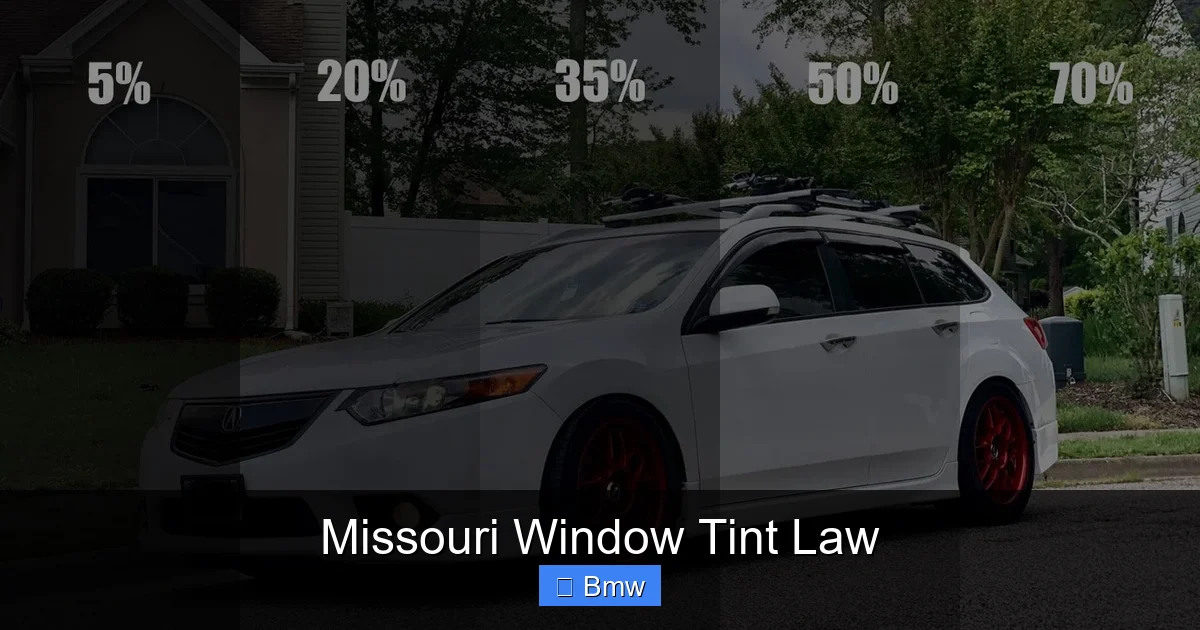
If you’re new to the world of window tint, you’ll hear one acronym a lot: VLT. It stands for Visible Light Transmission. Think of it as the “darkness” percentage. A 35% VLT tint means 35% of visible light passes through the window, and 65% is blocked. The lower the percentage number, the darker the tint. Missouri law sets different VLT limits for different windows on your vehicle.
Visual guide about Missouri Window Tint Law
Image source: low-offset.com
What Does “35% VLT” Actually Look Like?
It’s one thing to read a number, another to see it. A 35% VLT tint is moderately dark. You can see clearly through it from the inside during the day, but it provides decent privacy. At night, visibility is reduced but still functional for safe driving. A 20% VLT tint is significantly darker. It offers strong privacy and heat rejection but will notably impair nighttime vision, which is why the law restricts it to rear windows. If you’re considering a darker shade for your BMW’s front windows to match its sporty aesthetic, you must know that 35% is the legal maximum in the Show-Me State. For a real-world visual reference, checking out articles like this guide on 35% window tint meaning with real-life examples can be incredibly helpful.
Missouri’s VLT Chart by Window Location
Here’s the breakdown, straight from the Missouri Revised Statutes (Section 307.171):
- Front Side Windows: Must allow a minimum of 35% of light to pass through (VLT of 35% or higher). This applies to the driver and front passenger windows.
- Rear Side Windows: Must allow a minimum of 20% of light to pass through (VLT of 20% or higher).
- Rear Back Window: Must allow a minimum of 20% of light to pass through, but there’s a crucial caveat: if the rear side windows are tinted to 20% VLT or darker, the rear back window can be any darkness. This is a common point of confusion. The key is that the rear side windows set the baseline.
- Front Windshield: Has its own, separate rule, which we’ll cover in the next section.
Remember, these percentages are for the combined tint. If your BMW came from the factory with a slight factory tint (often around 20-25% on rear windows), any aftermarket film you add must be factored in. The final, combined VLT must meet or exceed the state minimums. A tint shop should measure the factory tint before applying new film, but it’s your responsibility as the vehicle owner to ensure compliance.
Windshield Tinting Rules: The AS1 Line Mystery
The windshield is a special case. For obvious safety reasons, you cannot tint the entire windshield. Missouri law is clear: you may apply a non-reflective (or “non-glare”) tint film to the uppermost portion of the windshield. But where exactly does that portion end? It ends at the manufacturer’s AS1 line.
Visual guide about Missouri Window Tint Law
Image source: windowtintlaws.us
What and Where is the AS1 Line?
The AS1 line is a small marking, usually a set of letters or a line, etched into the corner of your windshield (typically at the top on the driver’s side). It’s part of the original glass manufacturing standard. Missouri law permits tinting only above this line. In most vehicles, this gives you a “visitor” or “eyebrow” strip—usually about 4 to 6 inches deep at the very top of the windshield. This strip helps reduce sun glare for the driver without obstructing the critical view through the main windshield area.
Non-Reflective is the Key Phrase
The tint on this top strip must be non-reflective. This means it cannot have a mirrored or chrome appearance. Metallic or reflective films that create a mirror-like shine are illegal on the windshield anywhere. They can blind other drivers and are strictly prohibited. The purpose of the allowed strip is purely to block direct overhead sun, not to create privacy or a stylistic statement. If a shop suggests a reflective strip on your BMW’s windshield, that’s a major red flag for legality in Missouri.
Side and Rear Window Regulations: The Full Picture
Now let’s get into the meat of it—the side and rear windows. This is where most people have questions, especially if they want a dramatic, “limo” style look on their rear windows while keeping the front sides legal.

Visual guide about Missouri Window Tint Law
Image source: windowtintlaws.us
Front Side Windows: The 35% Benchmark
As stated, your driver and front passenger windows must let in at least 35% of light. This is a strict rule. There are no medical exemptions for the front side windows in Missouri. The reason is driver visibility and officer safety. An officer needs to be able to see inside the front compartment to assess any potential threats during a traffic stop. A 35% VLT tint is considered a good balance between privacy and visibility. It’s dark enough to provide a sleek look and heat rejection but light enough that you can still see clearly at night and police can see in during the day. If you own a BMW with a sporty package and want to maintain that aggressive stance, 35% is as dark as you can legally go up front.
Rear Windows: Your Privacy Zone
Here’s where you have more freedom. The combined VLT for your rear side windows and rear back window must be at least 20%. You can go darker than 20% on the rear back window only if your rear side windows are already tinted to 20% VLT or darker. In practice, most people simply tint all rear windows (sides and back) to the same VLT percentage, usually 20% or 15%. A 20% tint on the rear gives excellent privacy and dramatically reduces cabin heat from the sun, which is a huge plus in Missouri’s hot summers. It’s a popular choice for families, privacy seekers, and anyone transporting pets or valuables. However, be aware that very dark rear tint (like 5%) will make it very difficult to see behind you at night or in poor weather. Safety should always be a priority.
Special Exemptions and Considerations
Missouri law isn’t completely rigid. There are specific exemptions and important considerations every vehicle owner should know.
Medical Exemptions for Window Tint
Individuals with certain medical conditions that cause severe sensitivity to sunlight (such as Lupus, Psoriasis, Xeroderma Pigmentosum, or severe photosensitivity due to medication) may qualify for a medical exemption. This exemption, granted by the Missouri Department of Revenue, allows for darker tint on all windows, including the front sides, beyond the standard legal limits. To qualify, you must:
- Obtain a signed statement from a licensed physician (MD or DO) detailing the medical necessity.
- Complete the Application for Medical Exemption (Form 4685) available from the Department of Revenue.
- Submit the application with the physician’s statement.
- Receive an official exemption certificate, which you must carry in your vehicle at all times.
- The exemption is non-transferable and tied to the specific vehicle and individual.
This process is serious and requires legitimate documentation. It is not a loophole for aesthetic preference.
Factory Tint vs. Aftermarket Tint
Many modern vehicles, including luxury brands like BMW, come with a degree of “factory tint.” This is usually a light dyed film applied during manufacturing, most commonly on the rear windows. This factory tint is legal and counts toward the total VLT. If your car has factory tint at, say, 25% on the rear windows, you could add a very light aftermarket film (like 70%) to reach the legal 20% minimum, or you could leave it as-is if it already meets the 20% standard. However, if your factory tint is 15% on the rear, you are already legal for that window, but you cannot add any darker film to the front sides beyond 35%. Always have a professional measure your factory tint with a calibrated meter before planning additional tint. Misjudging this is a common mistake that leads to illegal combined VLT.
Commercial Vehicles and Multi-Purpose Vehicles (MPVs)
The rules we’ve discussed primarily apply to standard passenger vehicles. Missouri has separate, often more lenient, regulations for certain commercial vehicles and Multi-Purpose Vehicles (MPVs, like vans and some SUVs). For example, some MPVs may have different rules for rear window tinting if they are used for transporting property. It’s important to check your specific vehicle classification. If you use your BMW X5 for both personal and business purposes, it’s best to adhere to the stricter passenger vehicle rules to avoid any ambiguity.
Penalties for Non-Compliance: What Happens If You Get Pulled Over
Ignoring Missouri window tint law is a risk you don’t want to take. Law enforcement officers are equipped with handheld tint meters and frequently use them during traffic stops. If your tint is measured and found to be below the legal VLT, you will be cited.
Is It a Primary or Secondary Offense?
In Missouri, operating a vehicle with illegal window tint is a primary traffic offense. This is critical. A primary offense means a police officer can pull you over solely for having tint that is too dark. You don’t need to be speeding, have a broken taillight, or commit any other violation first. This gives law enforcement a direct reason to stop your vehicle, which can lead to further investigation if other issues are present. This is different from secondary offenses, where an officer can only ticket you for tint if they’ve already stopped you for something else. The primary status makes compliance even more important.
Fines and Court Costs
The base fine for a window tint violation in Missouri is typically around $75. However, this is just the starting point. When you add court costs, fees, and potential surcharges, the total amount you’ll owe often lands between $100 and $150 for a first offense. You will also be issued a “Fix-It” ticket, which requires you to remove or correct the illegal tint and have your vehicle reinspected by a law enforcement officer or authorized official. You must provide proof of correction to the court. Failure to do so can result in additional penalties. For repeat offenses within a certain timeframe, the fines can increase. While not a moving violation that adds points to your driver’s license, it is a non-moving violation that still costs you time and money. To understand the full financial impact, you can review resources on how much a window tint ticket costs in various scenarios, which often align with Missouri’s structure.
The Tinting Process: Ensuring You Stay Legal
So, you know the rules. How do you make sure your tint job is compliant from the start? The process matters as much as the product.
Choosing a Reputable, Knowledgeable Shop
This is the most important step. Do not go to the cheapest shop in town. Look for a professional automotive tint shop with excellent reviews and a proven track record. A good shop will:
- Know the Law: They should be able to quote Missouri’s VLT percentages from memory and explain the AS1 line rule.
- Use a Calibrated Meter: They should measure the VLT of your factory tint (if any) with a professional, certified tint meter before recommending a film percentage. They should also test the new film they are about to install.
- Offer Legal Options: They will recommend films that are guaranteed to meet or exceed the legal VLT for your specific vehicle and windows. A trustworthy shop will refuse to install illegal tint, as they share liability.
- Provide Documentation: They should give you a receipt and, ideally, a certification stating the film used and the VLT percentage for each window.
Ask them directly: “What VLT will my front sides be after you account for factory tint?” and “Can you show me the meter reading?” Their answers will tell you everything.
Post-Installation: Your Final Check
Before you drive off, do a final check with the shop. Look at the car from the inside and outside. Does the tint look even? Are there any bubbles, debris, or creases? Most importantly, ask to see the meter reading on the finished windows, especially the front sides. It should read 35% or higher (e.g., 36%, 38%). Get this in writing if possible. Keep all your paperwork in your glove compartment. If you are ever pulled over, having the shop’s certification that the tint is legal can sometimes help, though the officer’s meter reading is the final authority.
The Longevity Factor
A legal tint job today doesn’t guarantee legality forever. Low-quality films can fade, bubble, or turn purple over time, which increases the VLT (makes it lighter) but also looks terrible and obstructs view. While a lighter VLT from fading isn’t illegal, it’s a sign of poor quality. High-quality ceramic or metallic films from reputable brands are engineered to retain their color and darkness for a decade or more. Investing in good film means your tint will remain both aesthetically pleasing and legally compliant for the life of your vehicle. To learn more about how long you can expect tint to last, you can research how long car window tint lasts under different conditions and film types.
Conclusion: Tint Smart, Drive Legal in Missouri
Missouri’s window tint law is straightforward once you break it down: 35% for front sides, 20% for rear sides/back (with flexibility on the rear back), and a small non-reflective strip on the windshield above the AS1 line. The penalties for ignoring these rules are real and can be an annoying, costly hassle. For BMW owners and all drivers, the goal is to achieve that perfect blend of style, comfort, and compliance.
Your action plan is simple: 1) Know the VLT percentages for your vehicle’s windows. 2) Choose a professional, law-abiding tint shop that measures everything. 3) Get your tint installed with proper documentation. 4) Keep your papers in the car. By following these steps, you can enjoy the many benefits of window tinting—reduced heat and glare, enhanced privacy, UV protection for your skin and interior, and that sharp, custom look—without ever worrying about a “fix-it” ticket. Tinting your car is an investment. Make sure it’s a legal one that you can enjoy for years to come.
Frequently Asked Questions
What is the darkest legal tint for the front side windows in Missouri?
The darkest legal tint for the front driver and passenger windows in Missouri is 35% VLT. This means the window must allow at least 35% of visible light to pass through. No darker tint is permitted on these windows, and there are no medical exemptions for the front sides.
Can I tint my entire front windshield in Missouri?
No. Missouri law only permits non-reflective tint on the portion of the windshield above the manufacturer’s AS1 line. This is typically a small strip at the very top. Tinting below the AS1 line or using reflective tint on any part of the windshield is illegal.
Do I need a medical exemption for darker tint in Missouri?
You only need a medical exemption if you require tint darker than the legal limits (darker than 35% on front sides or 20% on rear windows). The exemption process requires a physician’s statement and approval from the Missouri Department of Revenue. Without it, you must adhere to the standard VLT percentages.
What are the penalties for having illegal window tint in Missouri?
Illegal tint is a primary offense, so you can be pulled over solely for that. The fine is typically around $75, but with court costs, the total is often $100-$150. You will receive a “fix-it” ticket requiring you to remove the illegal tint and get the vehicle reinspected.
How do police measure window tint in Missouri?
Law enforcement officers use a handheld device called a tint meter or photometer. They place it on the inside of the window, and it shines a light through the glass to measure the exact percentage of Visible Light Transmission (VLT). This reading is the legal standard.
Does factory-installed tint count toward the legal limit?
Yes. Any tint applied by the vehicle manufacturer is included in the total VLT calculation. If your car has factory tint on the rear windows, any aftermarket film you add is combined with it. The final, combined VLT must meet Missouri’s minimum percentages. Always have a professional measure your factory tint first.