
How Much Does a Window Tint Ticket Cost?

Getting a window tint ticket can cost anywhere from $50 to over $500, depending on your state and violation severity. This guide breaks down average fines, legal limits, and how to avoid expensive tickets by understanding local laws.
Key Takeaways
- Window tint ticket costs vary by state: Fines typically range from $50 to $500, with some states imposing higher penalties for repeat offenses.
- Legal tint limits differ widely: Most states allow 20% to 35% visible light transmission (VLT) on side windows, but rear and front windshields have stricter rules.
- Enforcement is increasing: Police use tint meters to measure darkness, and even slightly illegal tints can result in citations.
- Medical exemptions exist: Some states allow darker tints with a doctor’s note for conditions like lupus or photosensitivity.
- Out-of-state drivers aren’t exempt: You must follow local tint laws even if your home state allows darker windows.
- Removing illegal tint is often required: In addition to fines, you may need to pay for professional tint removal before your vehicle passes inspection.
- Prevention is cheaper than penalties: Always check your state’s Department of Motor Vehicles (DMV) or equivalent agency before tinting your windows.
📑 Table of Contents
- How Much Does a Window Tint Ticket Cost? A Complete Guide
- Understanding Window Tint Laws: Why They Exist
- Average Cost of a Window Tint Ticket by State
- Real-Life Examples: What Happens When You Get Caught
- How to Avoid a Window Tint Ticket
- What to Do If You Receive a Window Tint Ticket
- The Bottom Line: Is Window Tint Worth the Risk?
How Much Does a Window Tint Ticket Cost? A Complete Guide
You’ve just had your car windows professionally tinted—sleek, stylish, and perfect for keeping the sun out. But a week later, you’re pulled over and handed a ticket for illegal window tint. Now you’re wondering: How much does a window tint ticket cost? The answer isn’t simple, because fines vary dramatically depending on where you live, how dark your tint is, and whether it’s your first offense.
This comprehensive guide will walk you through everything you need to know about window tint tickets—from average costs and state-specific laws to real-life examples and how to avoid getting one in the first place. Whether you’re a new driver, a seasoned car enthusiast, or just curious about automotive regulations, understanding window tint laws can save you hundreds of dollars and a lot of stress. Let’s dive in.
Understanding Window Tint Laws: Why They Exist
Window tinting isn’t just about looks or privacy. It serves practical purposes like reducing glare, blocking UV rays, and improving fuel efficiency by keeping your car cooler. However, excessively dark tints can create serious safety hazards. Police officers need to see inside vehicles during traffic stops, and other drivers need to see your brake lights and signals clearly. That’s why every state in the U.S. has laws regulating how dark your car windows can be.
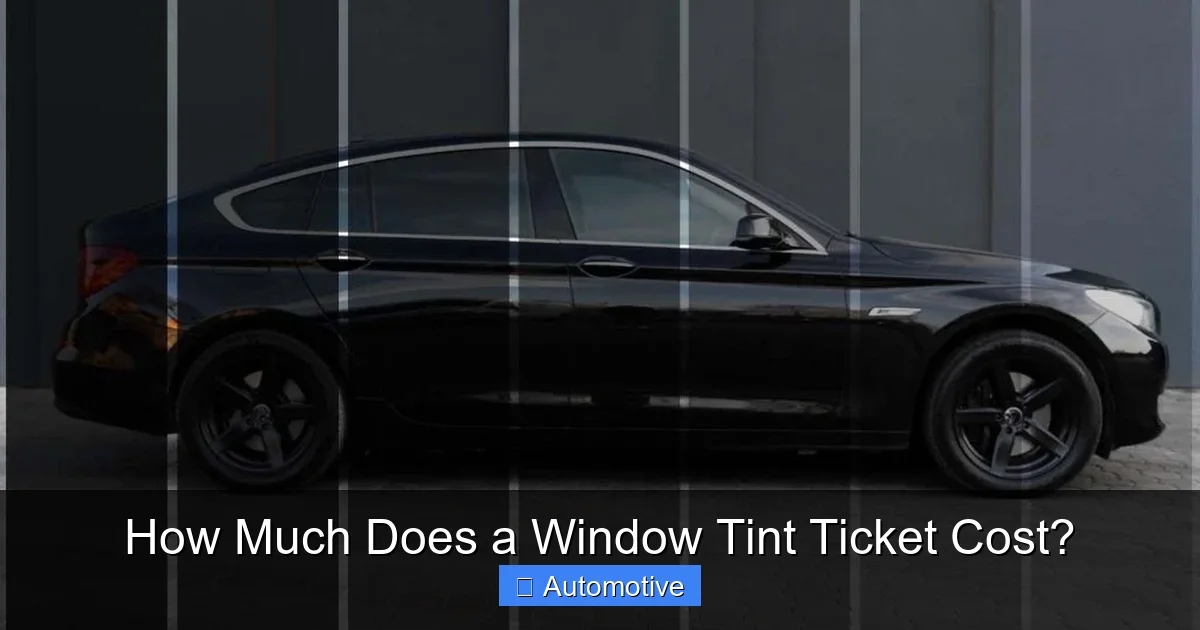
Visual guide about How Much Does a Window Tint Ticket Cost?
Image source: excellenceautodetail.com
These laws are based on Visible Light Transmission (VLT), which measures the percentage of light that passes through the window. For example, a 5% tint allows only 5% of light through—making it extremely dark—while a 70% tint is nearly clear. Most states allow tints between 20% and 35% on side windows, but front windshields and rear windows often have stricter rules.
The Role of Law Enforcement
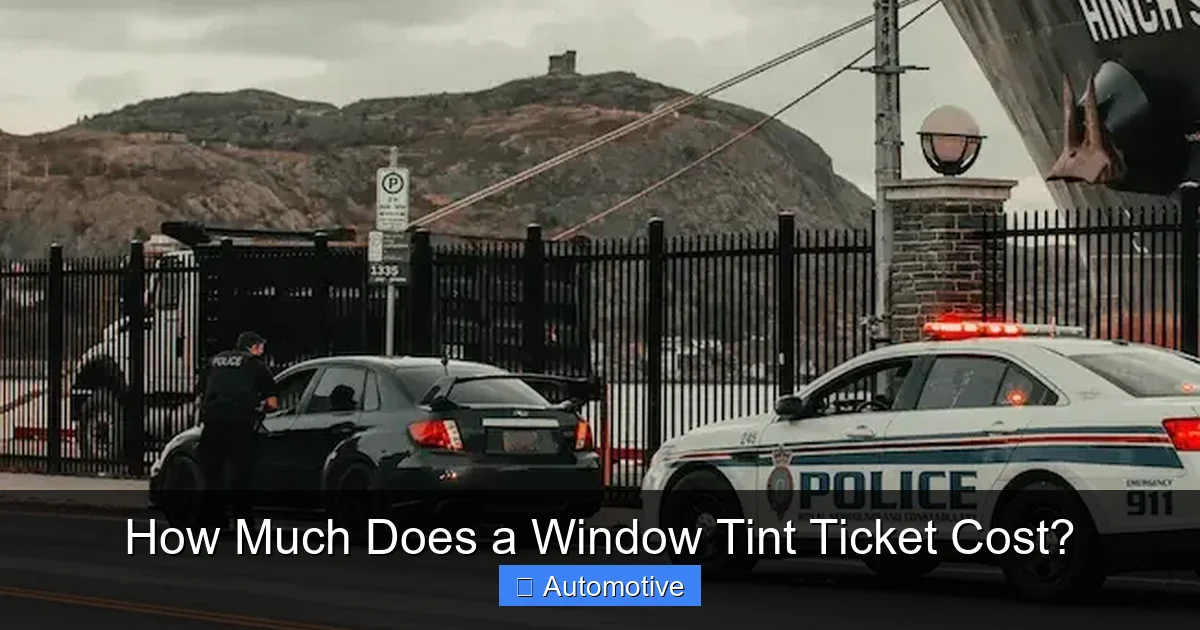
Police officers use handheld tint meters to measure the darkness of your windows during routine stops or inspections. If your tint falls below the legal VLT threshold, you can be issued a citation—even if you weren’t aware it was illegal. Some states also conduct random vehicle inspections, especially in areas with high rates of tint violations.
It’s important to note that enforcement isn’t always consistent. In some cities, officers may overlook slightly illegal tints, while in others—especially near state borders or in high-crime areas—they’re more strict. But assuming leniency can be risky. A single ticket can lead to fines, mandatory court appearances, and even points on your driving record.
Medical Exemptions: A Legal Loophole?
Some drivers have legitimate medical reasons for needing darker window tints. Conditions like lupus, melanoma, or severe photosensitivity can make exposure to sunlight dangerous. In these cases, many states offer medical exemptions that allow you to install tints darker than the legal limit—but only with proper documentation.
To qualify, you typically need a signed letter from a licensed physician stating your condition and the necessity for darker tint. You may also need to register the exemption with your state’s DMV and display a special sticker on your vehicle. Without this documentation, even medically necessary tints can result in a ticket.
Average Cost of a Window Tint Ticket by State
So, how much does a window tint ticket cost? The short answer: it depends. Fines vary widely across the U.S., ranging from as little as $25 to over $1,000 in extreme cases. Below is a breakdown of average costs by region, with examples from states known for strict or lenient enforcement.
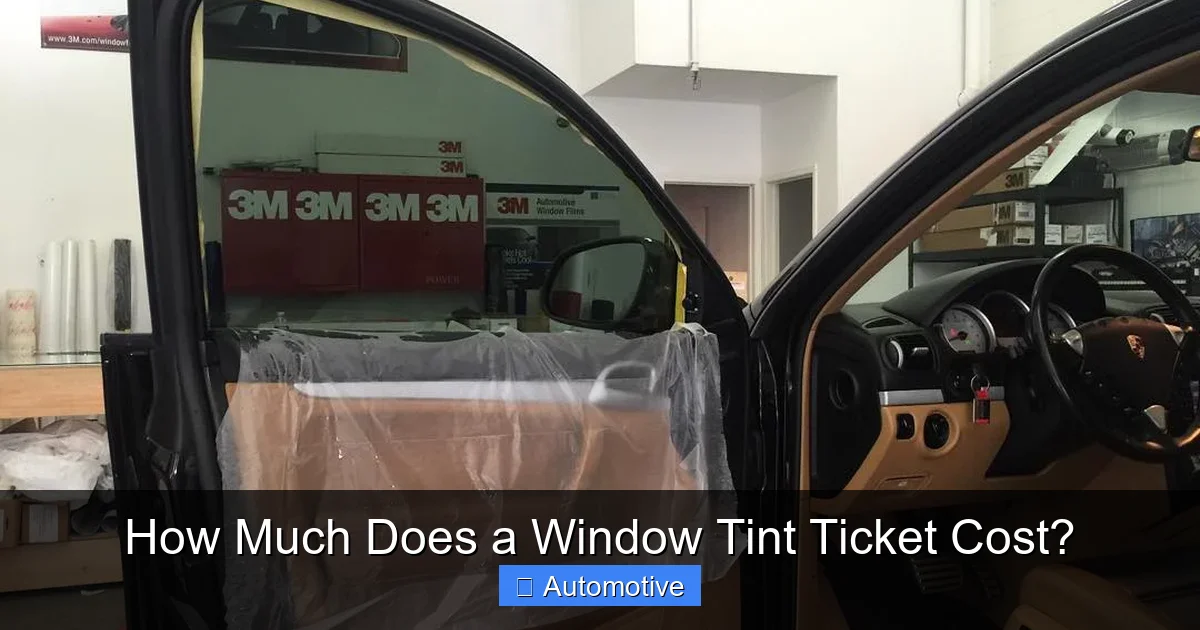
Visual guide about How Much Does a Window Tint Ticket Cost?
Image source: elitetint.ca
States with Low Fines ($25–$100)
In states like Alaska and Wyoming, window tint violations are treated as minor infractions. Fines typically start around $50 for a first offense and may increase slightly for repeat violations. These states often have more relaxed enforcement, especially in rural areas where traffic stops are less frequent.
For example, in Alaska, the legal VLT for front side windows is 25%. If you’re caught with a 15% tint, you might receive a $75 fine—but no points on your license. Similarly, in Wyoming, fines are usually under $100, and officers may issue a warning for first-time offenders.
States with Moderate Fines ($100–$300)
Many states fall into this middle range, including Texas, Florida, and Ohio. In Texas, for instance, the fine for illegal window tint is $200 for a first offense. The state allows 25% VLT on front side windows and 25% on rear windows, but the front windshield can only have a non-reflective tint on the top 5 inches.
Florida has similar rules: 28% VLT on front side windows and 30% on rear windows. A first-time ticket costs around $150, but if you don’t fix the tint within 30 days, the fine can double. Ohio allows 50% VLT on all side windows, but front windshields must be clear. Violations there typically result in a $150 fine.
States with High Fines ($300–$500+)
Some states take window tint violations very seriously. In California, the fine for illegal tint starts at $250 and can go up to $1,000 for repeat offenses. California law requires at least 70% VLT on all windows except the rear, which can be darker if the car has dual side mirrors. However, even a 69% tint can trigger a citation if measured incorrectly.
New York is another strict state, with fines starting at $300. The legal limit is 70% VLT on all windows, and officers frequently check for compliance during inspections. In Illinois, fines can reach $500, and you may be required to appear in court. Repeat offenders risk having their vehicle impounded.
Additional Costs Beyond the Fine
The ticket itself isn’t the only expense. In many states, you’ll also need to remove the illegal tint and possibly pay for a re-inspection. Professional tint removal can cost $100–$300, depending on the number of windows and the type of film used. Some shops charge extra for stubborn or layered tints.
You might also face court fees, especially if you contest the ticket and lose. In some cases, your insurance rates could increase if the violation is reported to your provider. And if you’re pulled over multiple times for the same issue, you could face escalating penalties, including license suspension.
Real-Life Examples: What Happens When You Get Caught
Let’s look at a few real-world scenarios to understand how window tint tickets play out in practice.
Visual guide about How Much Does a Window Tint Ticket Cost?
Image source: windowtintlaws.us
Case Study 1: The Out-of-State Driver
Sarah, a college student from Arizona, drove her car to California for a summer internship. Her car had 20% tint on all windows—legal in Arizona but illegal in California, where the minimum is 70%. During a routine traffic stop, an officer used a tint meter and issued a $250 fine. Sarah had to pay the ticket, remove the tint ($200), and reinstall legal film ($150). Total cost: $600.
This case highlights a common mistake: assuming your home state’s laws apply everywhere. Always check local regulations when traveling or relocating.
Case Study 2: The Medical Exemption Gone Wrong
James, who has lupus, installed 5% tint on his car windows to protect his skin from UV rays. He had a doctor’s note but forgot to register the exemption with the DMV. When pulled over in Texas, he was fined $200 for illegal tint. After submitting the paperwork, the fine was reduced to $50, but he still had to pay for legal tint removal and reinstallation.
This shows that even with a valid medical reason, you must follow proper procedures to avoid penalties.
Case Study 3: The Repeat Offender
Mike, a car enthusiast in New York, ignored a previous tint ticket and kept his 15% film. During a second stop, he was fined $500 and required to appear in court. The judge ordered him to remove the tint and attend a driver safety course. His insurance company also raised his premiums due to the violation.
Repeat offenses often lead to harsher consequences, including higher fines and legal action.
How to Avoid a Window Tint Ticket
The best way to avoid a window tint ticket is to know your state’s laws before you tint your windows. Here are some practical tips to stay compliant and save money.
Research Your State’s Tint Laws
Start by visiting your state’s DMV or Department of Transportation website. Look for sections on “vehicle equipment,” “window tint,” or “safety inspections.” These pages usually include detailed charts showing legal VLT percentages for front, side, and rear windows.
For example, in Georgia, front side windows must allow at least 32% light, while rear windows can be as dark as 5%. In Michigan, all side windows must be 35% or higher, and the front windshield can only have a non-reflective strip on the top 4 inches.
Use a Tint Meter Before Installation
Many auto shops offer free tint measurements, but you can also buy a handheld tint meter for $20–$50. Test your windows before and after installation to ensure they meet legal standards. This is especially important if you’re applying tint yourself or using a less reputable installer.
Choose Reputable Installers
Professional tint shops should know local laws and use high-quality films that meet legal requirements. Ask for a certificate of compliance or a warranty that covers legal issues. Avoid “bargain” shops that promise ultra-dark tints at low prices—they may be cutting corners.
Keep Documentation Handy
If you have a medical exemption, keep a copy of your doctor’s note and DMV registration in your glove compartment. This can help resolve misunderstandings during traffic stops.
Be Cautious When Traveling
If you’re driving across state lines, consider removing or replacing your tint temporarily. Some drivers use removable tint films or sunshades to comply with stricter laws while traveling.
What to Do If You Receive a Window Tint Ticket
If you’ve already been ticketed, don’t panic. Here’s how to handle it wisely.
Review the Citation Carefully
Check the fine amount, court date, and required actions. Some tickets give you 30 days to fix the tint and show proof to avoid further penalties.
Pay the Fine or Contest It
If you believe the ticket was issued in error—for example, if your tint is legal or you have a medical exemption—you can contest it in court. Bring your documentation, photos, and any receipts from your tint installer.
Remove the Tint Promptly
Even if you plan to appeal, it’s smart to remove the illegal tint as soon as possible. This shows good faith and may reduce your fine.
Reinstall Legal Tint
Once the old tint is removed, have new film installed that meets your state’s standards. Keep the receipt as proof of compliance.
Check for Points on Your License
Some states add points to your driving record for tint violations. Check your DMV record to see if this affects your insurance or license status.
The Bottom Line: Is Window Tint Worth the Risk?
Window tinting offers real benefits—comfort, privacy, and protection from UV rays. But the risks of illegal tinting, including costly tickets and legal trouble, are significant. The average window tint ticket cost may seem manageable at first, but when you factor in removal, reinstallation, and potential insurance hikes, the total can easily exceed $500.
The smartest approach is to tint legally. Research your state’s laws, choose a reputable installer, and always carry documentation if you have a medical exemption. A little upfront effort can save you a lot of money and stress down the road.
Remember, the goal isn’t to eliminate tinting altogether—it’s to enjoy its benefits without breaking the law. With the right knowledge and preparation, you can have a cool, comfortable car that’s also 100% compliant.
Frequently Asked Questions
How much does a window tint ticket cost on average?
The average cost of a window tint ticket ranges from $50 to $500, depending on the state and whether it’s a first or repeat offense. Some states impose additional fees for court appearances or mandatory tint removal.
Can I get a ticket for slightly illegal tint?
Yes. Even if your tint is just 1–2% below the legal limit, police can issue a citation using a tint meter. Enforcement varies, but it’s best to stay well within legal limits to avoid any risk.
Do I have to remove the tint if I get a ticket?
In most states, yes. You’ll typically need to remove the illegal tint and may be required to show proof of compliance, such as a receipt from a professional installer or a re-inspection certificate.
Are medical exemptions valid in all states?
Most states allow medical exemptions for darker tints, but you must provide a doctor’s note and often register the exemption with the DMV. Rules vary, so check your state’s specific requirements.
Can out-of-state drivers be ticketed for window tint?
Absolutely. You must follow the tint laws of the state you’re driving in, even if your home state allows darker windows. Ignorance of local laws is not a valid defense.
Will a window tint ticket affect my insurance?
It depends on the state and your insurer. Some companies may raise your rates if the violation is reported, especially if it’s a repeat offense or results in points on your license. Always check with your provider.