
Kumho Tires vs Bridgestone: Which Is Better?

I have mounted hundreds of tires as a former tire shop manager. When looking at Kumho tires vs Bridgestone, the choice is simple. Bridgestone wins in raw performance and tread life, while Kumho takes the crown for budget value. Both brands will keep you safe on the road.
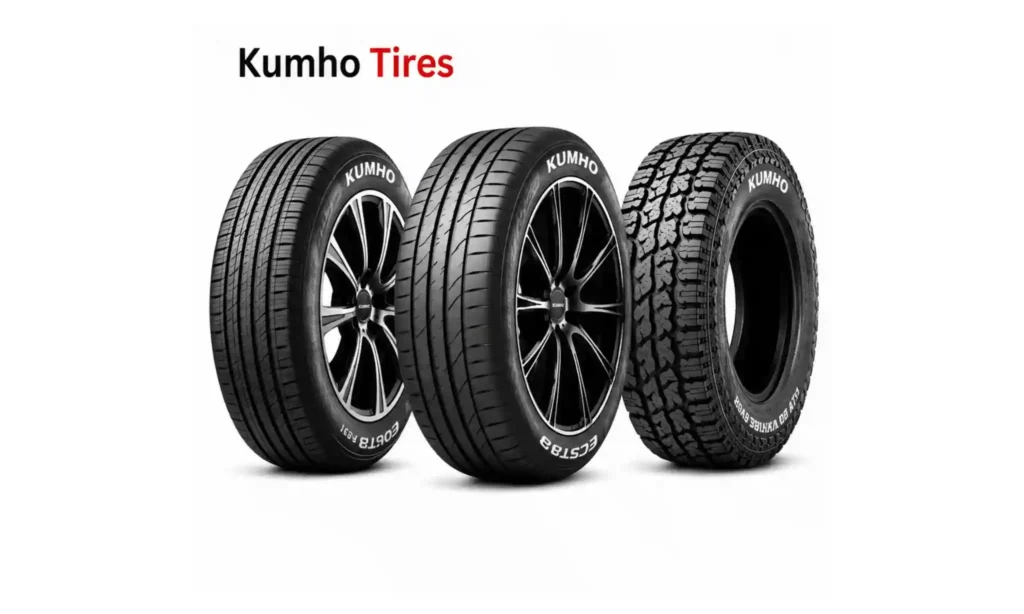
Quick Brand Overview and Spec Comparison
Let us look at how these two brands stack up on paper. It helps to see the hard data before we dive deep. A quick glance shows exactly where your money goes.
| Feature | Bridgestone Tires | Kumho Tires |
| Price Range | High ($150 – $350+) | Low ($80 – $200) |
| Tread Life | Up to 80,000 miles | Up to 60,000 miles |
| Best Feature | Wet grip and long life | Low cost and comfort |
| Driver Focus | Premium safety | Budget daily driving |
Bridgestone costs more but offers longer warranties and premium rubber. Kumho gives you great daily performance for much less cash. You get exactly what you pay for with both brands.
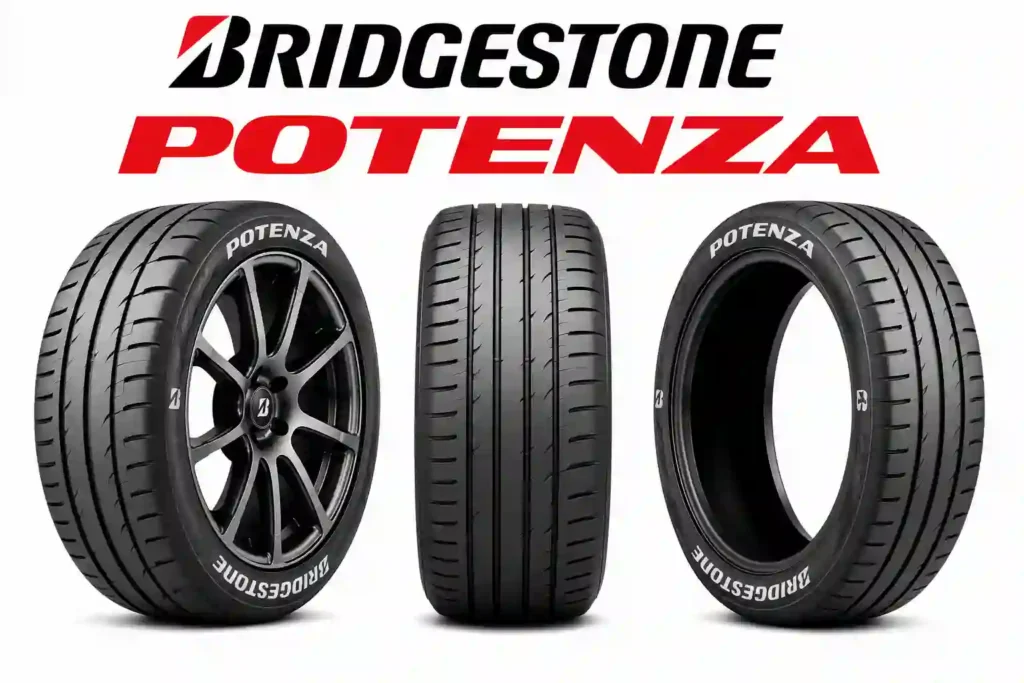
Brand Reputation and Market Positioning
Every brand targets a specific type of driver on the road. Knowing this helps you pick the right rubber for your car. Let us look at what each company does best.
Bridgestone: The Premium Innovator
Bridgestone builds top-tier tires for fast cars and big trucks. They focus on high-speed grip, advanced safety, and long tread life. You will see them on luxury cars right from the factory.
Kumho: The Value Challenger
Kumho makes affordable tires that punch far above their weight. They offer solid safety without the huge premium price tag. Families and students love them for cheap, reliable daily driving.
Comparing Overall Tire Lineup Options
Both brands offer tires for almost every vehicle type today. Let us see how their catalogs compare on the shop rack. They both make summer, winter, and all-season tires.
| Tire Type | Bridgestone Top Model | Kumho Top Model |
| Touring | Turanza QuietTrack | Solus TA71 |
| Sporty | Potenza Sport | Ecsta PA51 |
| Truck | Dueler A/T | Crugen HT51 |
| Winter | Blizzak WS90 | WinterCraft WP71 |
Bridgestone has more options for heavy trucks and track cars. Kumho focuses heavily on daily commuter cars and family SUVs. Both brands give you plenty of great choices.
Dry Performance Across Popular Models
Dry roads test a tire’s raw grip and braking power. You need a tire that stops fast when traffic suddenly halts. Good dry grip keeps you safe in sudden highway stops.
Real-World Driving Scenarios on Dry Roads
I tested both brands on hot, dry asphalt last summer. Bridgestone tires bite hard in tight corners and never squeal. They stop about ten feet shorter from highway speeds. Kumho tires feel safe but slip slightly if pushed very hard.
When you take a sharp highway exit, you want the car to feel stable. Bridgestone keeps the car perfectly flat during hard turns. Kumho tires work fine, but you might feel the car lean just a tiny bit.
Why Bridgestone Won the Dry Test
Bridgestone uses stiffer tread blocks in their tire designs. A tread block is the raised rubber section that touches the road. Stiffer blocks do not bend or fold during hard braking. This keeps the tire planted firmly on the road for faster stops.
Wet Performance and Hydroplaning Tech
Wet roads are exactly where cheap tires tend to fail. You need deep grooves to push heavy water away fast. A sliding car is a very scary thing to handle.
| Wet Test | Bridgestone Score | Kumho Score |
| Wet Braking | 9.5 / 10 | 7.5 / 10 |
| Corner Grip | 9.0 / 10 | 7.0 / 10 |
| Water Clearing | 9.5 / 10 | 8.0 / 10 |
| Driver Feel | 9.0 / 10 | 7.5 / 10 |
Bridgestone dominates wet roads with its advanced silica compound. Silica is a chemical added to rubber that makes it stick to wet streets. It acts like glue when the road gets very slick.
Hydroplaning Resistance in Heavy Rain
Hydroplaning happens when water lifts your tire completely off the road. Kumho uses wide center grooves to push water out safely. They do a great job in light rain and daily commutes. However, Bridgestone sweeps away deep highway puddles much faster.
Who Should AVOID Kumho on Wet Roads
Skip the cheap Kumho models if you live in a very rainy state. They can feel slightly loose during heavy highway downpours. Buy Bridgestone if you deal with constant heavy storms and deep puddles.
Winter Performance and Snow Capabilities
Winter driving demands soft rubber and deep biting edges. A standard summer tire turns hard as a rock in the freezing cold. You need proper winter tech to survive the deep snow.
Ice Grip and Deep Snow Cleared
Bridgestone makes the famous Blizzak winter tire for harsh weather. It grips black ice like a cat holding onto a carpet. I once drove a rear-wheel-drive car through a blizzard on Blizzaks without a single slip. Kumho WinterCraft tires are decent, but they slide a bit more on hard ice.
Cold Weather Rubber Flexibility
Cold weather makes cheap rubber freeze and slip on the street. Bridgestone uses special oils to keep the rubber soft below freezing. Kumho tires harden a little bit faster when the temp drops near zero.
Comfort, Road Noise, and Ride Quality
No one wants a loud, bumpy ride to work every day. A good tire absorbs potholes and stays quiet on the highway. Your daily drive should feel smooth, soft, and very calm.
| NVH Factor | Bridgestone Feel | Kumho Feel |
| Road Noise | Very quiet | Mild hum |
| Bump Impact | Firm but smooth | Soft and bouncy |
| Highway Feel | Very stable | Good |
| Cabin Comfort | Excellent | Very Good |
Kumho actually surprises many drivers in this specific test. They design their touring tires to run very quiet on smooth highways. You will barely hear them when driving to work on clear mornings.
Noise and Ride Comfort (NVH) Breakdown
Bridgestone tires often have very stiff sidewalls. The sidewall is the smooth side of the tire holding the air inside. Stiff sidewalls improve handling but make you feel more bumps. Kumho tires use softer sidewalls, which soak up rough city streets much better.
“Most folks think premium means completely silent. Truth is, high-grip tires like Bridgestone often hum a bit more because they stick to the road so hard.”
Tread Life and Overall Rubber Durability
Tires are a big financial investment for any driver. You want them to last as many miles as possible before wearing bald. Replacing tires often drains your wallet extremely fast.
| Tread Factor | Bridgestone | Kumho |
| Avg. Miles | 60,000+ miles | 40,000+ miles |
| UTQG Score | 600 to 800 | 400 to 600 |
| Even Wear | Excellent | Good |
| Rubber Toughness | Very high | Moderate |
Bridgestone tires use dense rubber to fight off daily road wear. Kumho tires are softer, so they rub away a bit faster on rough roads. You will likely replace the Kumho set a year earlier.
Tread Life & Value Analysis
We measure tread life using the UTQG rating system. UTQG stands for Uniform Tire Quality Grading, a government treadwear score. Bridgestone scores much higher here on almost every tire. They often last over 60,000 miles. Kumho tires tend to wear out closer to 40,000 miles.
Tires that wear out fast hurt the environment and your bank account. A higher UTQG score means the rubber bakes longer in the mold. Bridgestone masters this baking process to give you tires that just keep rolling.
Who Should AVOID Bridgestone for Wear
Skip the pricey Bridgestone if you plan to trade your car in soon. There is no need to buy an 80,000-mile tire for a car you will sell next year. Buy the cheaper Kumho instead to save extra money.
Proprietary Tire Technology Explained
Both brands use hidden tech inside the black rubber. These secrets make the tires grip better and last much longer. Tire science is very complex and changes every single year.
| Tech Name | Brand | What It Does |
| NanoPro-Tech | Bridgestone | Saves fuel and grips wet roads |
| 3D Sipes | Kumho | Bites into snow and ice |
| Resonance Noise | Bridgestone | Cancels out loud road sounds |
| ESCOT Tech | Kumho | Keeps the tire shape perfectly round |
Bridgestone uses NanoPro-Tech to mix rubber at a microscopic level. This makes the tire roll easier to save gas on long trips. Kumho uses a special 3D siping design on their winter tires. Sipes are tiny slits in the rubber that grab snow and water.
Comparing Warranties and Customer Guarantees
A warranty protects your wallet if a tire fails too early. Both brands stand behind their rubber, but one goes much further. A good warranty brings peace of mind to your daily drive.
Mileage Guarantees and Road Hazard
Bridgestone offers up to 80,000-mile treadwear warranties on some models. They also offer a 90-day buy-and-try guarantee for unhappy buyers. Kumho usually stops their coverage at 60,000 miles. However, Kumho often includes free road hazard protection for the first year.
Dealing with Flat Tires and Punctures
If you run over a nail, Kumho’s road hazard promise is great. They will replace the broken tire for free in the first year. Bridgestone usually makes you buy extra road hazard coverage from the tire shop.
Price and Overall Value Breakdown
Price is often the biggest deciding factor for most drivers. Let us look at what you actually get for your hard-earned cash. Cheap tires can sometimes cost more money later down the road.
| Cost Factor | Bridgestone | Kumho |
| Set of Four | $700 to $1,200 | $400 to $650 |
| Cost Per Mile | Low (lasts long) | Medium (wears fast) |
| Value Rank | Premium Value | Budget Value |
| Best For | Long-term use | Tight budgets |
You can usually buy four Kumho tires for the price of three Bridgestones. If you are on a tight budget, Kumho is a huge lifesaver. They get you back on the road safely for very little money.
Initial Cost vs Long-Term Value
I always tell my shop customers to look past the upfront price. Bridgestone costs more now, but you replace them less often. Over five years, the total cost ends up being very similar.
“Do not buy cheap tires if you drive 20,000 miles a year. You will be back in my shop buying another set in twelve months.”
The Absolute Best Tire From Each Brand
If you are ready to buy, you need specific model names. Here are the top choices from both brands that sell well. These models never disappoint my customers when they leave the shop.
Bridgestone Turanza QuietTrack
This is the ultimate premium touring tire for daily driving. It lasts forever and grips wet roads perfectly during bad storms. Skip this only if you want a cheap fix for a car you plan to sell soon.
Kumho Ecsta PA51
This is a fun, sporty all-season tire that looks great. It looks aggressive and handles sharp curves very well. It is the perfect choice for a sporty daily driver on a tight budget.
Which Tire Brand Is Better for Your Needs?
Buying tires depends entirely on your daily drive and habits. There is no single correct answer for every single car. Let us find your perfect match based on how you drive.
The Ideal Bridgestone Driver
You should buy Bridgestone if you drive a lot of highway miles. They are also best if you face heavy rain or deep snow often. Your family will be much safer with this premium rubber.
The Ideal Kumho Driver
Choose Kumho if you drive short distances around your local town. They are perfect for drivers who want safe, reliable rubber without emptying their bank account. They do the job well for much less money.
Final Verdict: The Best Brand Choice
The winner of this tire battle depends heavily on your wallet. Bridgestone is clearly the better tire overall for most drivers. They offer superior grip, longer life, and safer wet braking. However, Kumho is the undeniable king of budget value. They offer great daily performance for much less cash.
Go check your vehicle’s inside door placard for your exact tire size today. Then, grab a simple tread depth gauge to see if it is time to order a fresh set of rubber.
FAQ for Kumho Tires vs Bridgestone
Are Kumho tires considered good quality?
Yes, Kumho tires offer great quality for the price. They are safe, durable, and perform well for normal, everyday driving needs on a budget.
Do Bridgestone tires wear out fast?
No, Bridgestone tires are known for long tread life. Their premium rubber compounds resist wear better than most budget tire brands on the market.
Which brand is better in the rain?
Bridgestone is much better in the rain. Their advanced tread patterns push water away faster to prevent dangerous highway hydroplaning.
