
Key Fob Unlocks Car but Won’t Start

If your key fob unlocks the doors but fails to start the engine, the issue likely lies with the ignition system, battery, or programming—not the fob itself. This frustrating problem is more common than you think, but often fixable with simple troubleshooting steps.
Key Takeaways
- Weak key fob battery: A low battery may still allow door unlocking but not transmit the stronger signal needed for ignition.
- Faulty ignition switch or starter: Mechanical or electrical failure in the ignition system can prevent engine cranking despite a working fob.
- Immobilizer system issues: The car’s anti-theft system may not recognize the fob’s chip, blocking startup even if doors unlock.
- Damaged or misaligned antenna ring: The ring around the ignition cylinder reads the fob’s signal—damage here disrupts communication.
- Programming or sync problems: After battery replacement or software updates, the fob may need re-syncing with the vehicle.
- Environmental interference: Nearby electronics or metal objects can block the fob’s signal to the ignition system.
- Worn key blade or damaged fob casing: Physical damage can affect internal components, reducing signal strength.
📑 Table of Contents
Why Your Key Fob Unlocks the Car but Won’t Start It
You walk up to your car, press the unlock button on your key fob, and—click—the doors open. Relieved, you hop in, press the start button or turn the key, and… nothing. The dashboard lights up, but the engine refuses to turn over. Sound familiar? You’re not alone. This is one of the most confusing and frustrating issues drivers face: the key fob works for unlocking, but not for starting the car.
At first glance, it seems like the fob is broken. But here’s the twist—your fob is likely perfectly fine. The real culprit is often hidden deeper in your vehicle’s electrical or security systems. Modern cars rely on complex communication between the key fob, the immobilizer, the ignition system, and the car’s computer. When one link in this chain fails, you get the classic “unlocks but won’t start” scenario.
This problem isn’t just annoying—it can leave you stranded at the worst possible time. Whether you’re late for work, picking up kids, or on a road trip, a car that won’t start is a major disruption. The good news? Most causes are diagnosable and fixable, often without a costly trip to the dealership. In this guide, we’ll walk you through the most common reasons your key fob unlocks the doors but fails to start the engine, how to troubleshoot them, and what you can do to get back on the road fast.
Understanding How Key Fobs Work
Visual guide about Key Fob Unlocks Car but Won’t Start
Image source: disco3.co.uk
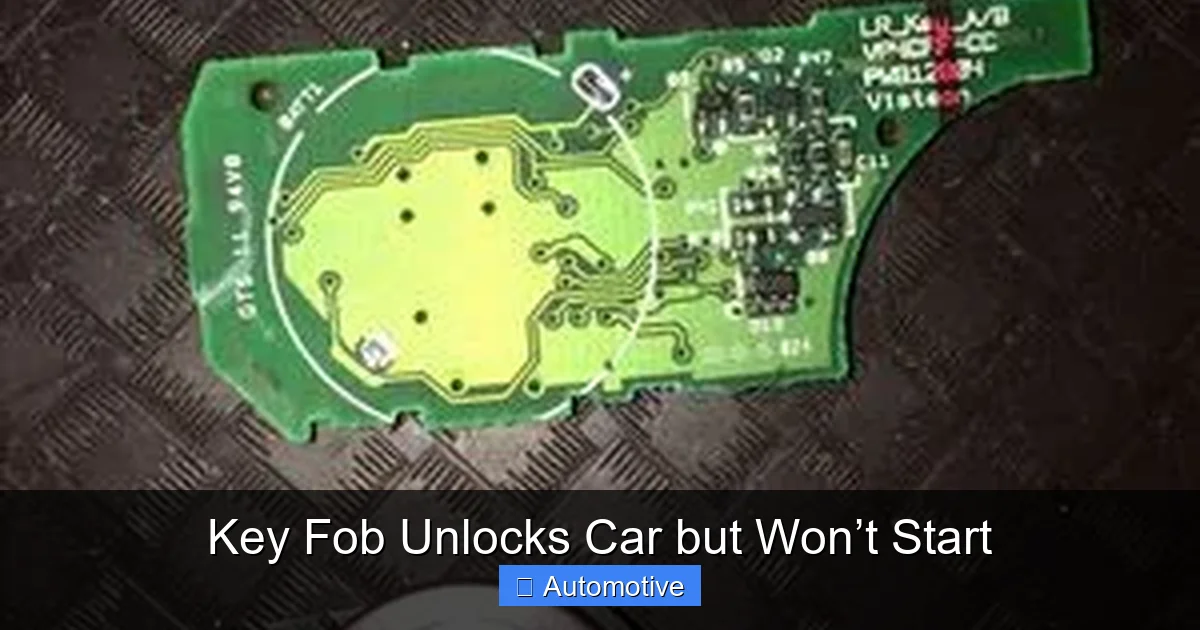
Before diving into fixes, it helps to understand how your key fob actually communicates with your car. Modern key fobs do more than just lock and unlock doors. They’re mini-computers that use radio frequency (RF) signals to talk to your vehicle’s onboard systems.
When you press the unlock button, the fob sends a low-power signal to the car’s door sensors. This signal is relatively weak and only needs to travel a short distance—usually within 10 to 20 feet. That’s why even a nearly dead fob battery can still unlock your doors from a few feet away.
But starting the car is a different story. To prevent theft, most vehicles use an immobilizer system. This system requires the key fob to transmit a unique encrypted code via a transponder chip—either in the fob itself or in the physical key blade. The car’s computer reads this code through an antenna ring around the ignition cylinder. Only if the code matches the one stored in the car’s memory will the engine allow startup.
This two-step process explains why your fob might unlock the doors (low-power signal works) but fail to start the car (high-security signal fails). The immobilizer is essentially saying, “I see you, but I don’t trust you.”
Additionally, many newer vehicles use passive entry systems. These allow you to unlock the car just by touching the door handle or walking near it—no button press needed. Starting the car usually requires pressing a start/stop button while the fob is inside the cabin. In these systems, the car constantly scans for the fob’s signal. If the signal is weak or blocked, the car won’t recognize the fob, even if it’s sitting on the passenger seat.
Understanding this distinction—between door access and engine authorization—is key to diagnosing the problem. It’s not just about whether the fob “works,” but whether it’s communicating properly with the right systems at the right time.
Common Causes and How to Diagnose Them
Visual guide about Key Fob Unlocks Car but Won’t Start
Image source: disco3.co.uk
Now that you know how key fobs and immobilizers work, let’s look at the most common reasons your fob unlocks the car but won’t start it. Each cause has telltale signs and diagnostic steps you can try at home.
1. Weak or Dying Key Fob Battery
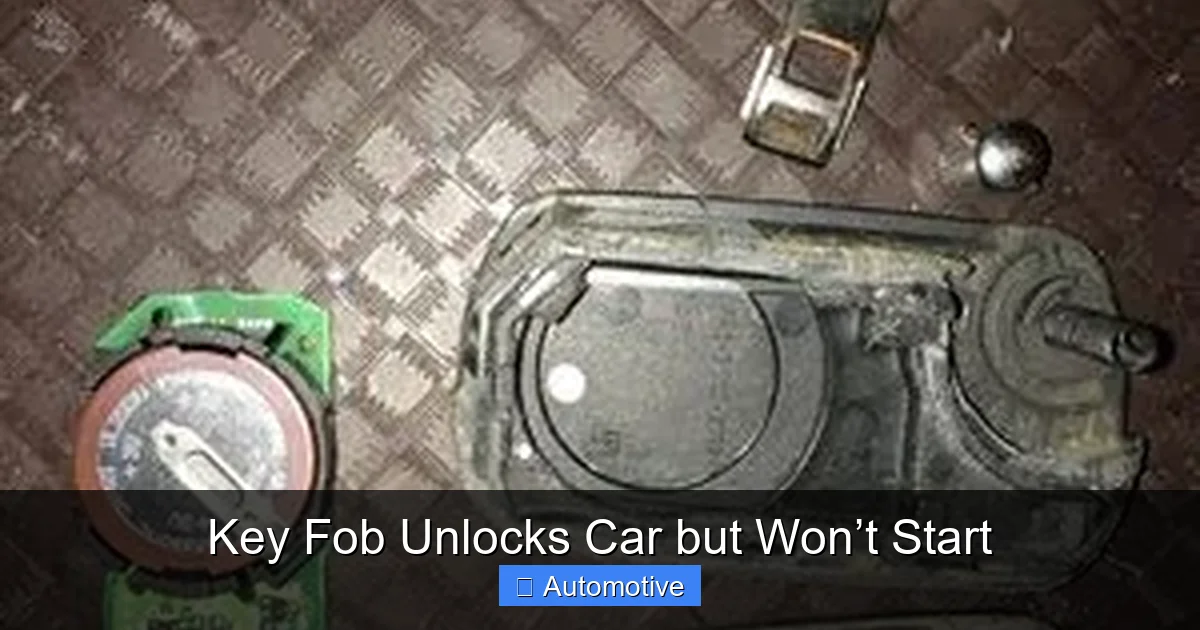
The most common culprit is a weak battery. Even if the fob can still send a signal strong enough to unlock the doors, it may not have enough power to transmit the stronger, encrypted signal required for the immobilizer.
Signs to watch for:
– The fob works only when held close to the door or ignition.
– The unlock button feels sluggish or requires multiple presses.
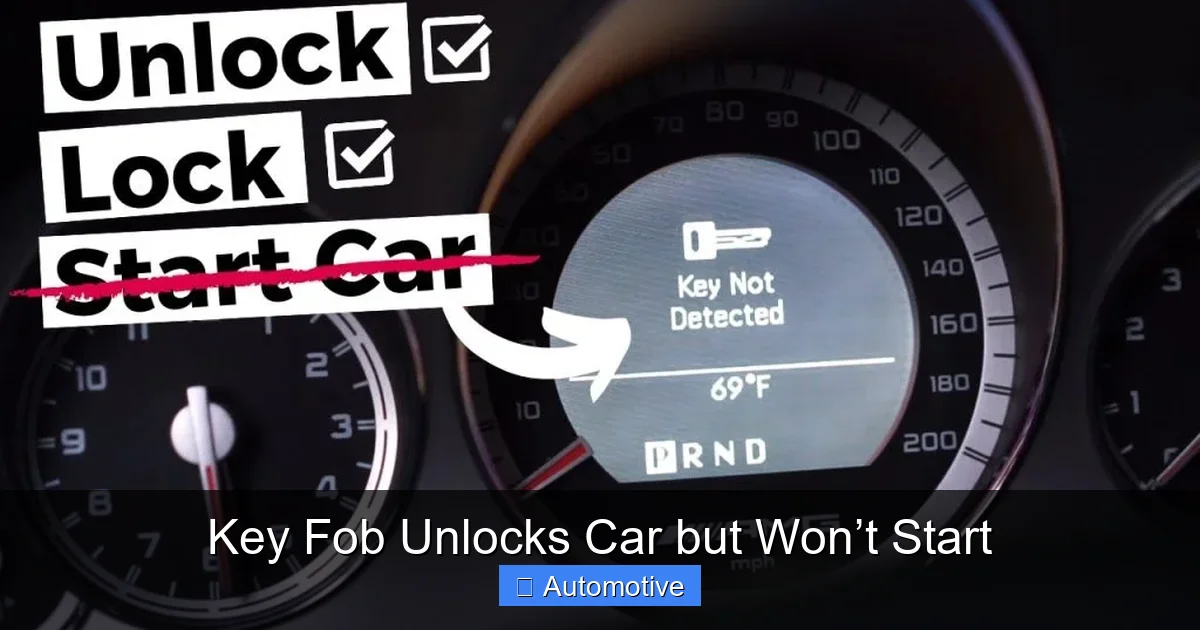
– The car’s dashboard shows a “Key Not Detected” or “Fob Battery Low” warning.
How to test:
Try starting the car with the fob placed directly against the start button or ignition cylinder. Many cars have a “backup” position for this—often marked with a symbol like a key or antenna. If the car starts when the fob is pressed against it, the battery is likely weak.
What to do:
Replace the battery. Most fobs use a CR2032 coin cell battery, available at any hardware or electronics store. Use a small screwdriver or prying tool to open the fob, swap the old battery, and reassemble. After replacement, test the fob’s range and functionality.
2. Faulty Immobilizer System
The immobilizer is your car’s anti-theft brain. If it doesn’t recognize the fob’s transponder chip, it will block the engine from starting—even if the doors unlock.
Signs to watch for:
– The engine cranks but won’t fire.
– A flashing security light on the dashboard (often labeled “SECURITY” or “ANTI-THEFT”).
– The car starts with a spare key but not the primary fob.
How to test:
Try using a spare key fob if you have one. If the spare works, the issue is likely with the original fob’s chip or programming. If neither works, the problem may be with the immobilizer module or antenna ring.
What to do:
If you have a spare fob, use it temporarily. If not, you may need to visit a dealership or locksmith with programming tools to reprogram or replace the fob. Some vehicles allow manual resyncing—check your owner’s manual for a “relearn” procedure, which often involves turning the key on and off in a specific sequence.
3. Damaged or Misaligned Antenna Ring
The antenna ring is a small coil of wire wrapped around the ignition cylinder. It reads the fob’s transponder signal when you insert the key or press the start button. If this ring is damaged, loose, or misaligned, the car can’t detect the fob.
Signs to watch for:
– The car starts only when the key is wiggled or held at a certain angle.
– Intermittent starting issues that come and go.
– No response even with a new fob battery.
How to test:
Visually inspect the area around the ignition. Look for cracks, loose wires, or signs of wear. If you’re comfortable removing the steering column cover, you can check the antenna ring for continuity with a multimeter (consult a repair manual for your specific model).
What to do:
If the antenna ring is damaged, it may need replacement. This is typically a job for a mechanic or dealership, as it involves disassembling part of the steering column. In some cases, simply reseating the ring or tightening connections can fix the issue.
4. Ignition Switch or Starter Problems
Sometimes, the issue isn’t the fob at all—it’s the ignition system. A faulty ignition switch or starter motor can prevent the engine from cranking, even if the fob is working perfectly.
Signs to watch for:
– No sound when you turn the key or press start (not even a click).
– Dashboard lights dim or flicker when attempting to start.
– The car starts intermittently or only after multiple attempts.
How to test:
Listen for a clicking sound when you try to start the car. A single loud click usually points to a starter issue. No sound at all may indicate a bad ignition switch or electrical fault. You can also check for power at the starter solenoid using a test light or multimeter.
What to do:
If the ignition switch is faulty, it may need replacement. This is a more involved repair and often requires professional help. A bad starter may need to be rebuilt or replaced. In either case, it’s best to have a mechanic diagnose the issue to avoid further damage.
5. Programming or Sync Issues
After replacing the fob battery, updating the car’s software, or disconnecting the car battery, the fob may lose its sync with the vehicle. This is especially common in older models or after DIY repairs.
Signs to watch for:
– The fob worked before a battery change or repair, but not after.
– The car recognizes the fob for unlocking but not for starting.
– Multiple fobs stop working at the same time.
How to test:
Try the manual resync procedure outlined in your owner’s manual. This often involves turning the key to the “on” position, waiting, turning it off, and repeating in a specific pattern. Some cars require a diagnostic tool to reset the system.
What to do:
Follow the manufacturer’s resync instructions carefully. If that doesn’t work, you may need to visit a dealership or auto locksmith with the right equipment to reprogram the fob.
Practical Tips to Fix the Problem at Home
Visual guide about Key Fob Unlocks Car but Won’t Start
Image source: motorcarnutglass.com
Before calling a mechanic, try these practical, at-home fixes. Many drivers resolve the issue with simple troubleshooting.
Replace the Key Fob Battery
This is the first and easiest step. Even if the fob seems to work, a weak battery can fail under load. Use a fresh CR2032 battery and ensure the contacts are clean. After replacing, test the fob’s range and responsiveness.
Clean the Fob and Ignition Area
Dirt, moisture, or corrosion can interfere with signal transmission. Use a soft cloth and isopropyl alcohol to clean the fob’s exterior and the ignition cylinder. Avoid spraying liquid directly into the ignition.
Try the Backup Start Method
Most cars have a backup way to start the engine if the fob isn’t detected. Common methods include:
– Placing the fob directly against the start button.
– Inserting the physical key into a hidden slot (often near the steering column).
– Holding the fob near the antenna ring while pressing start.
Check your owner’s manual for the exact procedure.
Check for Interference
Electronic devices like phones, tablets, or other key fobs can interfere with the fob’s signal. Try starting the car with all other electronics turned off and the fob away from metal objects.
Test with a Spare Fob
If you have a second key fob, test it. If it works, the issue is with the original fob. If not, the problem is likely in the car’s system.
Reset the Car’s Electrical System
Disconnect the car battery for 10–15 minutes to reset the computer. Reconnect it and try starting the car. This can clear temporary glitches in the immobilizer or ignition system.
When to Call a Professional
While many fixes are DIY-friendly, some issues require expert help. Here’s when to call a mechanic, dealership, or auto locksmith:
– The immobilizer light stays on after troubleshooting.
– The antenna ring is damaged or inaccessible.
– The ignition switch or starter needs replacement.
– The fob needs reprogramming and your car doesn’t support manual resync.
– Multiple fobs fail at the same time, suggesting a system-wide issue.
Dealerships have the tools and software to diagnose and fix complex immobilizer problems. Independent locksmiths with automotive experience can often reprogram fobs at a lower cost. Avoid cheap, unlicensed services—they may damage your fob or car.
Preventing Future Issues
Once your car is running again, take steps to avoid a repeat:
– Replace the fob battery every 2–3 years, even if it still works.
– Keep the fob clean and dry.
– Avoid exposing the fob to extreme temperatures or moisture.
– Store spare fobs in a signal-blocking pouch (like a Faraday bag) to prevent accidental draining.
– Have your car’s electrical system checked during routine maintenance.
Conclusion
A key fob that unlocks the car but won’t start it is a common but solvable problem. The issue usually lies not with the fob itself, but with the immobilizer, antenna ring, or ignition system. By understanding how these components work together, you can diagnose the cause and apply the right fix—whether it’s a new battery, a resync procedure, or professional repair.
Don’t let this frustrating issue leave you stranded. With the right knowledge and a few simple tools, you can get your car started and back on the road. And remember: when in doubt, consult your owner’s manual or a trusted automotive professional.
Frequently Asked Questions
Why does my key fob unlock the doors but not start the car?
This usually happens because the fob’s signal is strong enough for door access but too weak for the immobilizer system. The immobilizer requires a stronger, encrypted signal to authorize engine start, which a weak battery or damaged component may not provide.
Can a dead key fob battery prevent the car from starting?
Yes. Even if the fob can unlock the doors, a low battery may not transmit the stronger signal needed for the immobilizer. Replace the battery and test the fob’s range to confirm.
How do I know if my immobilizer is the problem?
Look for a flashing security light on the dashboard, or try starting the car with a spare fob. If the spare works, the issue is likely with the original fob’s chip or programming.
Can I fix a damaged antenna ring myself?
It depends on your skill level and the car model. Some antenna rings are accessible under the steering column cover, but others require professional disassembly. If you’re unsure, consult a mechanic.
Will disconnecting the car battery reset the key fob?
Sometimes. Disconnecting the battery for 10–15 minutes can reset the car’s computer and clear temporary glitches. However, it won’t fix hardware issues or reprogram a fob.
How much does it cost to reprogram a key fob?
Costs vary by vehicle and location. Dealerships typically charge $100–$300, while independent locksmiths may offer the same service for $50–$150. Always get a quote beforehand.
