
Is Vandalism Covered by Car Insurance?

Yes, vandalism is typically covered by car insurance—but only if you have comprehensive coverage. This protection helps pay for repairs when your car is damaged by graffiti, broken windows, slashed tires, or other intentional acts. Without comprehensive coverage, you’ll likely have to foot the bill yourself.
Key Takeaways
- Comprehensive coverage is required: Vandalism is not covered under liability or collision policies—only comprehensive insurance protects against intentional damage.
- Common vandalism claims include: Keying, broken windows, slashed tires, graffiti, and stolen parts like catalytic converters.
- Deductibles apply: You’ll pay your deductible before insurance covers the rest, so consider your out-of-pocket costs when filing a claim.
- Document everything: Take photos, file a police report, and gather witness info to strengthen your claim.
- Not all damage qualifies: Minor scratches or wear-and-tear may be denied; insurers assess whether damage was truly intentional.
- Location matters: Cars parked in high-crime areas may face higher premiums or require additional safeguards.
- Prevention helps: Use parking garages, install dash cams, and consider anti-theft devices to reduce risk.
📑 Table of Contents
- Is Vandalism Covered by Car Insurance?
- What Is Vandalism and How Does It Affect Your Vehicle?
- Which Car Insurance Policies Cover Vandalism?
- What Does Comprehensive Coverage Typically Include?
- What Vandalism-Related Claims Are Commonly Filed?
- How to File a Vandalism Claim: Step-by-Step
- What If Your Claim Is Denied?
- How to Prevent Vandalism and Reduce Risk
- Does Vandalism Affect Your Insurance Premium?
- Final Thoughts: Protecting Your Vehicle from Vandalism
Is Vandalism Covered by Car Insurance?
Picture this: You walk out to your car one morning, coffee in hand, ready to start your day—only to find deep scratches across the driver’s side door, a shattered window, and spray-painted symbols on the hood. Your heart sinks. Not only is your vehicle damaged, but you’re now facing repair costs, possible rental car fees, and the stress of dealing with insurance.
This scenario isn’t just a nightmare—it’s a reality for thousands of drivers each year. Vandalism, defined as the deliberate destruction or defacement of property, can strike anywhere: in a supermarket parking lot, on a quiet residential street, or even in your own driveway. And while it’s emotionally frustrating, the good news is that in most cases, your car insurance can help cover the cost of repairs—provided you have the right type of coverage.
But here’s the catch: not all car insurance policies include protection against vandalism. Understanding what your policy covers—and what it doesn’t—can mean the difference between a smooth claims process and a costly surprise. In this guide, we’ll break down everything you need to know about vandalism coverage, including which policies include it, what types of damage qualify, how to file a claim, and how to protect your vehicle from future incidents.
Whether you’re a new driver or a seasoned road warrior, this information will help you make smarter decisions about your auto insurance and give you peace of mind knowing you’re prepared—even when the unexpected happens.
What Is Vandalism and How Does It Affect Your Vehicle?
Before diving into insurance details, it’s important to understand what qualifies as vandalism. Vandalism refers to intentional acts of damage or defacement committed against someone else’s property. In the context of vehicles, this can include a wide range of destructive behaviors—some minor, others more severe.
Common examples of car vandalism include:
– Keying or scratching the paint
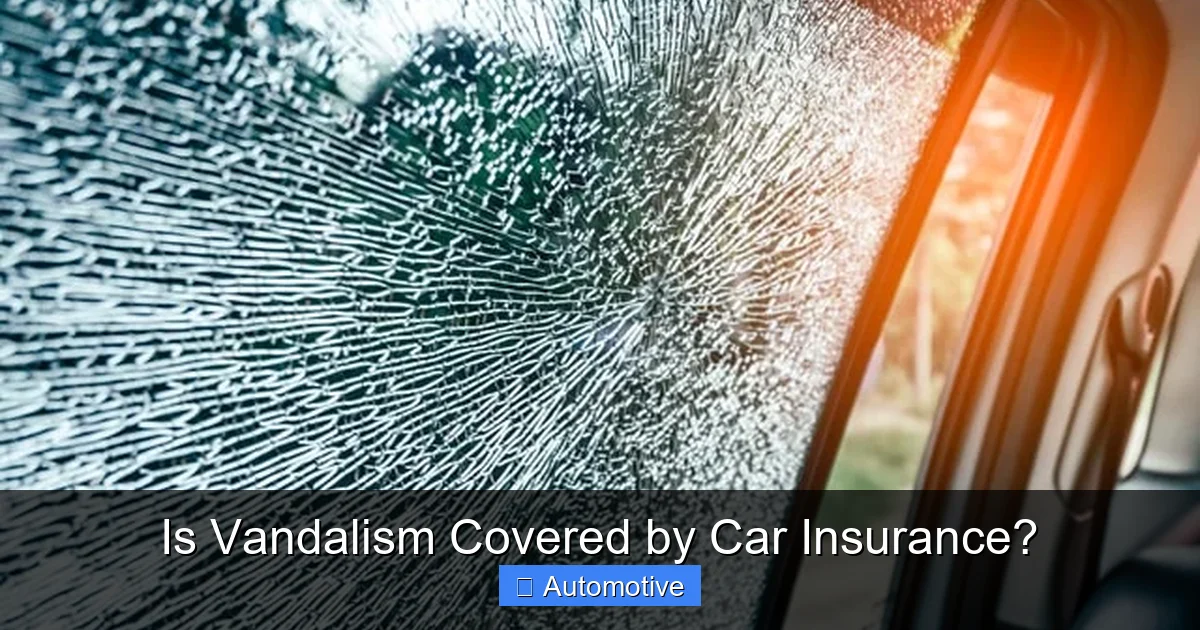
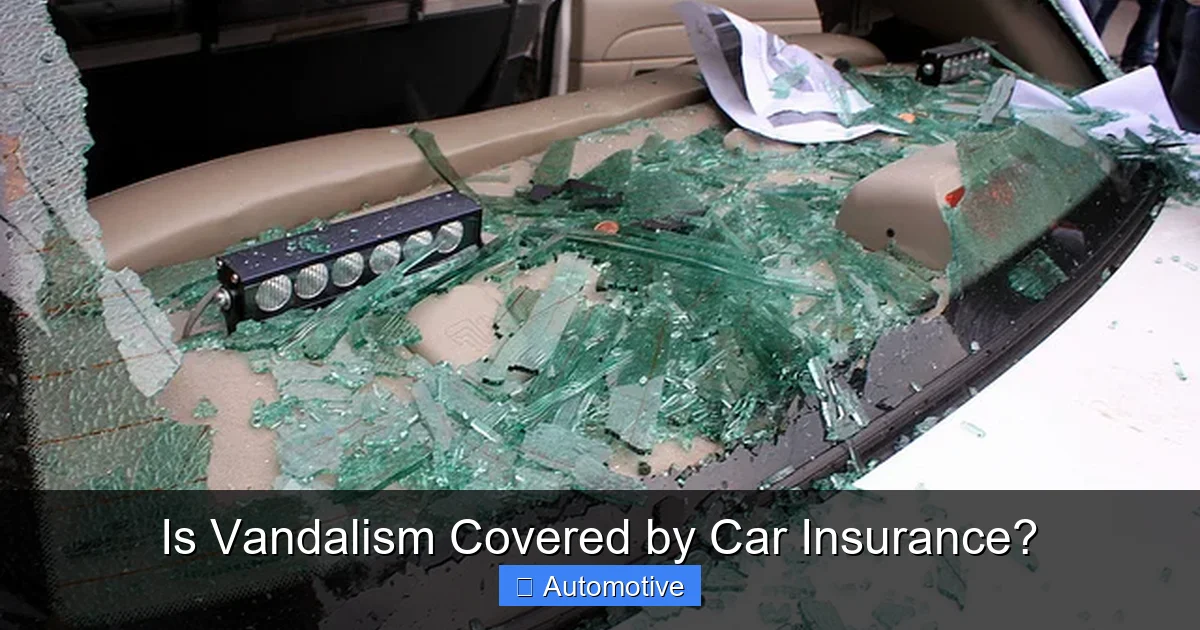
– Breaking windows or windshields
– Slashing or puncturing tires
– Spray-painting graffiti on the body
– Stealing or damaging parts like mirrors, antennas, or catalytic converters
– Smashing headlights or taillights
– Tampering with locks or ignition systems
These acts are typically carried out with malicious intent, often as a result of personal disputes, random acts of aggression, or even boredom. Unlike accidents caused by weather or collisions, vandalism is deliberate—and that distinction plays a key role in how insurance companies handle claims.
It’s also worth noting that vandalism can happen anywhere. While high-crime urban areas may see more frequent incidents, suburban neighborhoods and rural communities aren’t immune. A car left unattended overnight in a poorly lit parking lot, for example, becomes an easy target. Even vehicles parked in secure garages have been vandalized—sometimes by neighbors or acquaintances with a grudge.
The emotional impact of vandalism shouldn’t be underestimated. Beyond the financial cost of repairs, many drivers feel violated, angry, or anxious about leaving their car unattended again. That’s why having the right insurance coverage isn’t just about money—it’s about restoring a sense of security and control.
Which Car Insurance Policies Cover Vandalism?
Now, let’s get to the heart of the matter: which types of car insurance actually cover vandalism?
The short answer is: **comprehensive coverage**.
Comprehensive insurance is an optional add-on to your standard auto policy that protects your vehicle against non-collision-related damage. This includes events like theft, fire, natural disasters, falling objects, animal collisions—and yes, vandalism.
Here’s a quick breakdown of the main types of car insurance and whether they cover vandalism:
Liability Insurance
Liability coverage is required in most states and pays for damage or injuries you cause to others in an accident. However, it does not cover damage to your own vehicle—including vandalism. So if someone keys your car, liability insurance won’t help you.
Visual guide about Is Vandalism Covered by Car Insurance?
Image source: plymouthrock.com
Visual guide about Is Vandalism Covered by Car Insurance?
Image source: cdn0.iconfinder.com
Collision Coverage
Collision insurance pays for damage to your car resulting from a crash with another vehicle or object, such as a tree or guardrail. While it covers accidents, it does not apply to intentional acts like vandalism. So if your car is vandalized, collision coverage won’t kick in.
Comprehensive Coverage
This is the only standard auto insurance policy that covers vandalism. Comprehensive insurance protects your vehicle from a wide range of “acts of God” and human-caused damage that aren’t related to collisions. Since vandalism is an intentional, non-collision event, it falls squarely under comprehensive coverage.
For example:
– If someone slashes your tires while your car is parked, comprehensive insurance will typically cover the cost of replacing them (minus your deductible).
– If your windshield is smashed with a rock, comprehensive coverage can pay for a replacement.
– If your car is spray-painted, comprehensive insurance may cover the cost of professional detailing or repainting.
It’s important to note that comprehensive coverage is optional in most states. If you’re financing or leasing your vehicle, your lender will likely require it. But if you own your car outright, you may have opted out—leaving you vulnerable to vandalism-related expenses.
What Does Comprehensive Coverage Typically Include?
Comprehensive insurance is often called “other than collision” coverage because it handles a wide variety of incidents that don’t involve crashing into something. Vandalism is just one of many scenarios it covers.
Here’s a closer look at what comprehensive insurance typically includes:
Theft
If your entire vehicle is stolen, comprehensive coverage can help pay for a replacement (up to the car’s actual cash value). It also covers theft of parts, such as a catalytic converter or stereo system.
Visual guide about Is Vandalism Covered by Car Insurance?
Image source: obrella.com
Fire and Smoke Damage
Whether it’s a house fire that spreads to your garage or a lightning strike, comprehensive insurance covers fire-related damage to your vehicle.
Natural Disasters
Events like hurricanes, tornadoes, floods, hailstorms, and earthquakes can cause significant damage. Comprehensive coverage helps pay for repairs or replacement if your car is affected.
Falling Objects
If a tree branch, construction debris, or even a satellite (yes, it happens!) falls on your car, comprehensive insurance can cover the damage.
Animal Collisions
Hitting a deer, raccoon, or other animal is covered under comprehensive—not collision—because the damage results from contact with a living creature, not a stationary object.
Vandalism and Malicious Mischief
This includes all forms of intentional damage, such as keying, graffiti, broken windows, and tire slashing. As long as the damage was deliberate and not accidental, it’s typically covered.
Civil Disturbances
Damage caused during riots, protests, or civil unrest may also be covered under comprehensive insurance, depending on your policy and location.
Keep in mind that every policy is different. Some insurers may exclude certain types of vandalism or impose limits on coverage. Always read your policy documents carefully or speak with your agent to understand the specifics.
What Vandalism-Related Claims Are Commonly Filed?
Vandalism claims vary in severity, but some types are more common than others. Understanding these can help you recognize when you might need to file a claim—and what to expect during the process.
Keying and Scratching
One of the most frequent forms of vandalism is keying—using a key or sharp object to scratch the paint. While it may seem minor, deep scratches can expose metal to rust and require professional repainting. Comprehensive insurance typically covers the cost of repair, though you’ll need to pay your deductible first.
Broken Windows
Smashing a window with a rock, bat, or other object is a common vandalism tactic. Whether it’s the windshield, side window, or rear glass, comprehensive coverage usually pays for replacement. Some policies even include glass repair with no deductible, so check your terms.
Slashed Tires
Cutting or puncturing tires is another frequent act of vandalism. Replacing one or more tires can cost hundreds of dollars. Fortunately, comprehensive insurance generally covers tire damage caused by vandalism—though some insurers may require proof that the damage was intentional.
Graffiti and Paint Damage
Spray-painted messages, symbols, or random designs on your car’s exterior can be difficult and expensive to remove. Professional detailing or repainting may be necessary. Comprehensive coverage often includes this, but insurers may assess whether the damage affects the car’s value or safety.
Stolen or Damaged Parts
Catalytic converters, side mirrors, hubcaps, and stereo systems are prime targets for thieves and vandals. Comprehensive insurance typically covers the cost of replacing these parts, especially if they were stolen or damaged during a break-in.
Interior Damage
Less common but still possible is interior vandalism—such as slashed seats, broken dashboards, or stolen personal items. While comprehensive coverage may pay for interior repairs, personal belongings (like phones or laptops) are usually not covered under auto insurance. You’d need homeowners or renters insurance for those.
How to File a Vandalism Claim: Step-by-Step
If your car is vandalized, acting quickly and methodically can help ensure a smooth claims process. Here’s what to do:
1. Ensure Your Safety
First, make sure you and anyone else nearby are safe. If the vandal is still present or the scene feels unsafe, call the police immediately and avoid confronting the person.
2. Document the Damage
Take clear, close-up photos and videos of all damage from multiple angles. Include wide shots to show the car’s location and surroundings. This visual evidence is crucial for your claim.
3. File a Police Report
Even if the perpetrator isn’t caught, filing a police report creates an official record of the incident. Most insurance companies require a report number to process vandalism claims. Provide as much detail as possible—time, location, description of the damage, and any witnesses.
4. Contact Your Insurance Company
Notify your insurer as soon as possible. Most companies have 24/7 claims lines. Provide your policy number, details of the incident, and the police report number. They’ll guide you through the next steps.
5. Get Repair Estimates
Your insurer may ask you to get estimates from approved repair shops. Some companies have direct repair programs (DRP) that streamline the process. Avoid making repairs until your claim is approved to prevent complications.
6. Pay Your Deductible
Once the claim is approved, you’ll need to pay your deductible before repairs begin. For example, if your deductible is $500 and the repair costs $2,000, you pay $500 and the insurer covers the remaining $1,500.
7. Follow Up
Stay in touch with your insurer and repair shop to track progress. If there are delays or disputes, don’t hesitate to ask questions or escalate the issue.
What If Your Claim Is Denied?
Unfortunately, not all vandalism claims are approved. Insurers may deny a claim for several reasons:
Lack of Comprehensive Coverage
If you don’t have comprehensive insurance, your claim will be denied outright. This is the most common reason for denial.
Insufficient Evidence
If you didn’t file a police report or take photos, the insurer may question whether the damage was truly vandalism—or if it was pre-existing wear and tear.
Policy Exclusions
Some policies exclude certain types of damage or have geographic limitations. For example, vandalism during a declared riot may not be covered in some states.
High Deductible
Even if the claim is approved, you might decide not to proceed if the repair cost is only slightly higher than your deductible. In that case, you’d pay out of pocket.
If your claim is denied, you have the right to appeal. Contact your insurer for a detailed explanation and consider seeking a second opinion from an independent adjuster or attorney if necessary.
How to Prevent Vandalism and Reduce Risk
While you can’t always stop vandals, you can take steps to reduce your risk:
Park in Well-Lit, Secure Areas
Choose parking spots with good lighting, security cameras, and high foot traffic. Avoid dark alleys or isolated lots.
Use a Garage or Covered Parking
If possible, park your car in a locked garage or covered carport. This significantly reduces exposure to vandals.
Install Security Devices
Consider adding a dash cam, motion sensor lights, or a car alarm. Visible deterrents can discourage vandals.
Remove Valuables
Don’t leave purses, electronics, or bags in plain sight. Even empty containers can attract thieves.
Join a Neighborhood Watch
Community vigilance can help deter crime. Report suspicious activity to local authorities.
Consider Anti-Theft Devices
Steering wheel locks, tire locks, and catalytic converter shields can protect against specific types of vandalism and theft.
Does Vandalism Affect Your Insurance Premium?
Filing a vandalism claim may or may not affect your premium, depending on your insurer and location.
In many cases, comprehensive claims—like vandalism—are treated differently than collision claims. Since vandalism is often considered an “act of God” or random event (not due to driver error), some insurers won’t raise your rates.
However, if you live in a high-crime area or have multiple claims, your premium could increase. Additionally, your deductible may go up at renewal.
To minimize rate hikes:
– Choose a higher deductible (if you can afford it)
– Maintain a clean driving record
– Bundle your auto policy with home or renters insurance
– Ask about discounts for security devices or safe parking
Always ask your insurer how a claim might impact your premium before filing.
Final Thoughts: Protecting Your Vehicle from Vandalism
Vandalism is an unfortunate reality of car ownership, but it doesn’t have to leave you financially vulnerable. With comprehensive car insurance, you can recover from intentional damage and get back on the road with confidence.
The key takeaway? **Make sure you have comprehensive coverage.** It’s the only standard policy that protects against vandalism, and it’s often more affordable than people think—especially when weighed against the cost of repairs.
Beyond insurance, take proactive steps to protect your vehicle. Park smart, stay aware, and invest in security measures. And if the worst happens, remember: document everything, file a police report, and contact your insurer right away.
Your car is more than just a mode of transportation—it’s a valuable asset. Protecting it from vandalism is about more than money; it’s about peace of mind. With the right coverage and habits, you can drive knowing you’re prepared for whatever comes your way.
Frequently Asked Questions
Is vandalism covered by car insurance if I only have liability coverage?
No, vandalism is not covered under liability insurance. Liability only pays for damage you cause to others, not damage to your own vehicle. You need comprehensive coverage to be protected against vandalism.
Will my insurance premium go up if I file a vandalism claim?
It depends on your insurer and location. Many companies don’t raise rates for comprehensive claims like vandalism, especially if it’s a one-time event. However, multiple claims or living in a high-risk area could lead to higher premiums.
Do I need a police report to file a vandalism claim?
Yes, most insurance companies require a police report to process a vandalism claim. It provides official documentation of the incident and helps verify that the damage was intentional.
Can I file a claim if only one tire was slashed?
Yes, comprehensive insurance typically covers tire damage caused by vandalism. However, you’ll need to pay your deductible, and some insurers may require proof that the damage was intentional.
Does comprehensive coverage pay for graffiti removal?
Yes, comprehensive insurance usually covers the cost of removing graffiti or repainting your vehicle if it was vandalized. The coverage applies as long as the damage was intentional and not due to normal wear and tear.
What if my car was vandalized but I don’t have comprehensive coverage?
Unfortunately, you’ll have to pay for repairs out of pocket. Without comprehensive coverage, your auto insurance won’t help with vandalism-related damage. Consider adding comprehensive coverage to future policies for protection.
