
Is It a Felony to Sell a Car with a Lien on It

Selling a car with a lien isn’t automatically a felony, but doing so dishonestly or without disclosure can lead to serious legal trouble. Understanding lien laws, buyer protections, and proper title transfer is crucial to avoid fines, lawsuits, or even criminal charges.
So, you’ve got a car you want to sell—but there’s still a loan on it. Maybe you’re behind on payments, or maybe you just haven’t finished paying it off yet. You’re wondering: *Can I sell this car? And more importantly—is it a felony to sell a car with a lien on it?*
The short answer? It’s not automatically a crime. But the way you handle the sale can turn a simple transaction into a legal nightmare. Selling a vehicle that still has a lien (a legal claim by a lender) requires careful steps. If you skip those steps—or worse, lie about the lien—you could face serious consequences, including criminal charges.
This guide will walk you through everything you need to know about selling a car with a lien. We’ll cover what a lien is, how it affects ownership, the legal risks involved, and the safest ways to sell your car without breaking the law. Whether you’re a private seller or working with a dealership, understanding these rules protects you, the buyer, and the lender. Let’s dive in.
Key Takeaways
- It’s not inherently a felony to sell a car with a lien, but fraud or misrepresentation can make it one. The legality depends on how the sale is handled and whether the lienholder and buyer are properly informed.
- You must disclose the lien to the buyer in most states. Hiding a lien or forging documents to remove it from the title can result in criminal charges.
- The lien must be paid off before the title can be transferred. Selling without clearing the debt leaves the lender with a legal claim to the vehicle.
- Buyers are protected by state laws and title verification processes. Most DMVs will not issue a new title until the lien is released by the lender.
- Working with the lienholder and using a secure payment method protects both parties. Escrow services or dealerships can help manage the payoff during the sale.
- Penalties for selling a lien car illegally vary by state but can include fines, jail time, or civil lawsuits. Intent matters—knowingly defrauding a buyer increases legal risk.
- Always get a lien release in writing after payoff. Without it, the title remains encumbered, blocking future sales or transfers.
📑 Table of Contents
What Is a Lien on a Car?
Before we talk about selling, let’s clarify what a lien actually is. A lien is a legal right or claim that a lender (like a bank or credit union) has on your vehicle until you’ve paid off your auto loan. Think of it as a safety net for the lender. If you stop making payments, they can repossess the car to recover their money.
When you finance a car, the lender holds the title—the official document proving ownership—until the loan is fully paid. Even though you drive the car and use it daily, the lender technically has a stake in it. This is why the title often says “lienholder” along with your name.
Types of Liens on Vehicles
Not all liens are the same. Here are the most common types you might encounter:
- Voluntary lien: This is the most common type. You agree to it when you take out a car loan. The lender places the lien as collateral for the debt.
- Involuntary lien: These are placed without your consent, usually due to unpaid taxes, court judgments, or mechanic’s bills. For example, if you owe money to a repair shop and don’t pay, they might place a mechanic’s lien on your car.
- Tax lien: If you owe back taxes, the IRS or state tax authority can place a lien on your assets, including your vehicle.
In most car sales, we’re dealing with voluntary liens from auto loans. But it’s important to know that any lien—voluntary or not—must be resolved before you can legally transfer full ownership to a buyer.
How Liens Appear on Titles and Registration
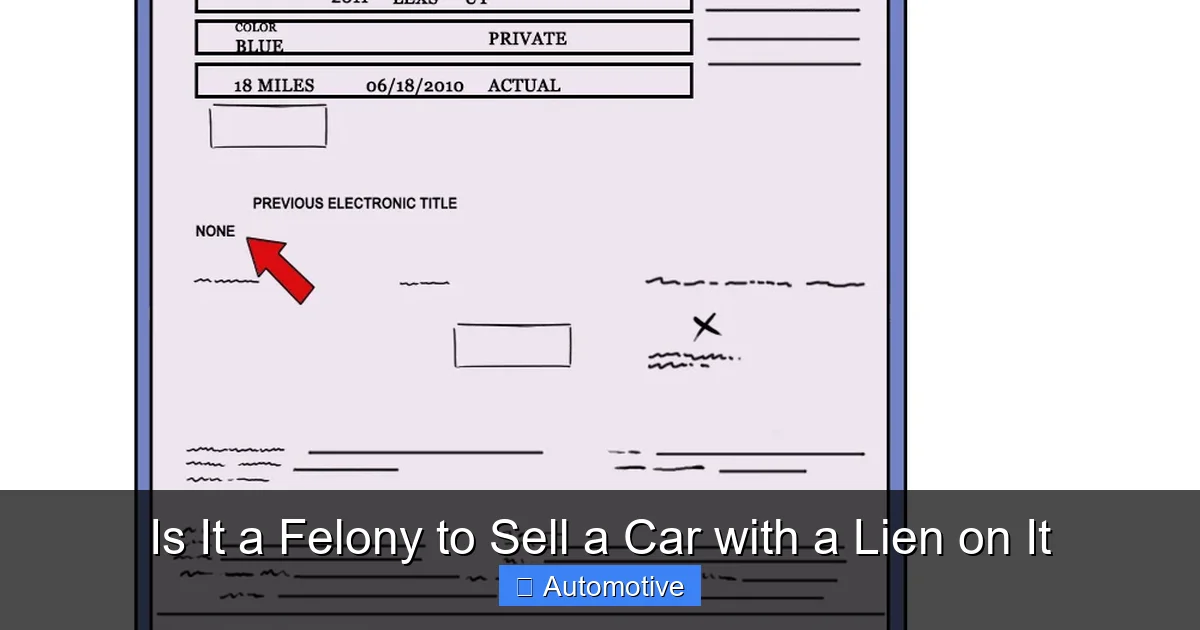
When a lien is active, it’s recorded on your car’s title. You’ll usually see the lender’s name listed as the “lienholder.” Some states issue a “lien title” that clearly shows the claim. Others may just note it in the registration records.
This means that even if you sell the car, the lender still has a legal interest in it until the debt is paid. The buyer can’t get a clean title until the lien is released. And that’s where things can get tricky—and potentially illegal.
Can You Legally Sell a Car with a Lien?

Visual guide about Is It a Felony to Sell a Car with a Lien on It
Image source: sellmax.com
Yes, you *can* sell a car with a lien—but you can’t just hand over the keys and walk away. The process is more involved than selling a car you fully own. The key is transparency and proper procedure.
Selling a car with a lien isn’t against the law in itself. In fact, many people sell cars while still paying off loans. But the sale must be handled correctly to protect all parties: you, the buyer, and the lender.
The Role of the Lienholder
The lienholder (your lender) must be involved in the process. They have a legal right to the vehicle until the loan is paid. That means they need to approve the sale and receive the payoff amount directly.
Most lenders will work with you to facilitate a sale. They may require:
- A payoff quote (how much you still owe, including fees).
- Proof of the sale price and buyer information.
- Direct payment from the buyer or escrow service to settle the debt.
Some lenders even allow you to sell the car privately and then send them the payoff amount yourself—but only if you can cover the full balance immediately.
State Laws and Title Transfer Rules
Every state has its own rules about selling vehicles with liens. In most cases, the Department of Motor Vehicles (DMV) will not issue a new title to the buyer until the lien is officially released.
For example:
- In California, the DMV requires a lien release form signed by the lender before transferring ownership.
- In Texas, the buyer can’t register the car until the lien is cleared, even if they have a bill of sale.
- In Florida, the seller must provide a lien release or proof of payoff at the time of sale.
These rules exist to prevent fraud and protect buyers from unknowingly purchasing a car that could be repossessed.
When Does Selling a Lien Car Become a Felony?
Visual guide about Is It a Felony to Sell a Car with a Lien on It
Image source: res.cloudinary.com
Now for the big question: *When does selling a car with a lien cross the line into felony territory?*
The answer lies in intent and action. Simply selling a car with a lien isn’t a crime—but certain behaviors during the sale can be.
Fraud and Misrepresentation
If you lie about the lien—say, by telling the buyer the car is fully paid off when it’s not—you could be committing fraud. Fraud is a criminal offense in every state.
For example:
- You remove the lienholder’s name from the title using a forged signature.
- You tell the buyer the car has no loan, even though you still owe $8,000.
- You use the sale money to pay bills instead of paying off the loan, knowing the buyer will be stuck with a repossession risk.
These actions show intent to deceive. And that’s where prosecutors can step in.
Title Washing and Odometer Fraud
Some sellers try to “wash” the lien by registering the car in a different state with lax title laws. This is called title washing and is illegal. It’s often done to hide salvage titles, liens, or odometer rollback.
If you’re caught title washing to sell a lien car, you could face felony charges for fraud, forgery, or even racketeering in extreme cases.
Failure to Disclose the Lien
In most states, you’re legally required to disclose any liens on the vehicle to the buyer. This is usually done through a written disclosure form or on the bill of sale.
If you fail to disclose the lien and the buyer later discovers it—especially if the car gets repossessed—you could be sued for damages. In some cases, especially if the buyer loses money, this could lead to criminal charges for theft by deception or fraud.
Examples of Felony Cases
Let’s look at real-world scenarios where selling a lien car led to felony charges:
- Case 1: A seller in Ohio sold a car with a $12,000 lien, telling the buyer it was paid off. The buyer registered the car, but the lender repossessed it a month later. The seller was charged with felony theft by deception and sentenced to probation and restitution.
- Case 2: A dealer in Georgia forged lien release documents to sell multiple cars with outstanding loans. He was convicted of felony forgery and fraud, receiving a two-year prison sentence.
- Case 3: A private seller in Arizona used the sale proceeds to pay rent instead of the loan. The buyer’s credit was ruined when the lender repossessed the car. The seller faced civil lawsuits and criminal charges for fraud.
These cases show that the law takes deception seriously—especially when it harms innocent buyers.
How to Safely Sell a Car with a Lien
Visual guide about Is It a Felony to Sell a Car with a Lien on It
Image source: uscenterfordebtrelief.org
The good news? You can sell your car with a lien without breaking the law—or your budget. It just takes planning and honesty.
Here’s a step-by-step guide to doing it right:
Step 1: Contact Your Lender
Call your lender and ask for a payoff quote. This tells you exactly how much you owe, including any fees or interest. The quote is usually valid for 10–30 days.
Ask if they allow private sales and what their process is. Some lenders require the buyer to pay them directly. Others may let you handle the payment if you can cover the full amount.
Step 2: Disclose the Lien to the Buyer
Be upfront. Tell the buyer there’s a lien on the car and explain how the sale will work. Most buyers will understand—especially if you’re transparent.
Provide a copy of the payoff quote and explain that the lender must be paid before the title can be transferred.
Step 3: Use a Secure Payment Method
Never accept cash or personal checks for the full amount if the lien is large. Instead, use a secure method:
- Escrow service: A third party holds the money until the lien is paid and the title is released.
- Bank wire transfer: Direct payment to the lender ensures the money goes where it should.
- Dealership trade-in: If you’re buying another car, the dealer can handle the payoff directly.
This protects both you and the buyer from scams.
Step 4: Pay Off the Lien
Once the buyer pays, send the money to the lender immediately. Follow up to ensure they process the payoff and send the lien release.
Step 5: Get the Lien Release
The lender must provide a signed lien release form. This document proves the debt is paid and the claim is removed. Keep a copy for your records.
Step 6: Transfer the Title
With the lien release, you can now sign over the title to the buyer. Both of you should go to the DMV to complete the transfer and registration.
Step 7: Notify the DMV
Some states require you to notify the DMV of the sale within a certain time frame (usually 5–10 days). This protects you if the buyer doesn’t register the car.
What Happens If the Sale Doesn’t Cover the Lien?
Sometimes, the sale price isn’t enough to pay off the loan. This is called being “upside-down” or “underwater” on your loan.
If this happens, you have a few options:
- Pay the difference yourself: Bring cash to cover the gap at the time of sale.
- Roll the debt into a new loan: If you’re buying another car, some lenders will let you add the negative equity to your new loan.
- Negotiate with the buyer: Some buyers may agree to pay a little extra if the car is a great deal.
But never sell the car and keep the money if you still owe the lender. That’s a fast track to repossession, lawsuits, and criminal charges.
Buyer Protections and Red Flags
Buyers should also be cautious when purchasing a car with a lien. Here’s what to watch for:
Red Flags to Avoid
- The seller refuses to show the title or says it’s “in the mail.”
- The title has a lienholder listed, but the seller says it’s “no big deal.”
- The seller asks for cash and promises to “handle the paperwork later.”
- The price seems too good to be true—especially for a newer car.
How Buyers Can Protect Themselves
- Always check the title and registration for liens.
- Ask for a payoff quote from the lender.
- Use an escrow service for large transactions.
- Complete the title transfer at the DMV together.
If a buyer purchases a car with a hidden lien, they may lose the vehicle if the lender repossesses it. They can sue the seller for damages—but prevention is always better.
Conclusion
Selling a car with a lien isn’t a felony—but it can become one if you’re dishonest or cut corners. The key is transparency, proper procedure, and working with your lender.
By disclosing the lien, using secure payment methods, and ensuring the debt is paid before transferring ownership, you protect yourself and the buyer. Skipping these steps—or worse, lying about the lien—can lead to fines, lawsuits, or even jail time.
Whether you’re selling privately or trading in, take the time to do it right. A little extra effort now can save you from major legal and financial trouble down the road.
Remember: honesty isn’t just the best policy—it’s the law.
Frequently Asked Questions
Is it illegal to sell a car with a lien?
No, it’s not illegal to sell a car with a lien, as long as you disclose it to the buyer and follow proper procedures. However, hiding the lien or forging documents to remove it is illegal and can lead to criminal charges.
Can I sell my car if I still owe money on it?
Yes, you can sell a car you still owe money on, but the lien must be paid off before the title can be transferred. Work with your lender to get a payoff quote and ensure the debt is settled during the sale.
What happens if I sell a car with a lien and don’t pay the lender?
If you sell the car and keep the money without paying the lender, the lien remains on the vehicle. The lender can repossess the car, and you could face civil lawsuits or criminal charges for fraud or theft.
Do I need the lender’s permission to sell my car?
You don’t need explicit permission, but the lender must be paid off to release the lien. Most lenders will cooperate if you provide a valid sale agreement and payoff amount.
Can a buyer get a clean title if the car has a lien?
No, the buyer cannot get a clean title until the lien is officially released by the lender. The DMV will not process the transfer until the lienholder confirms the debt is paid.
What is a lien release, and why is it important?
A lien release is a document from the lender stating that the loan has been paid and the claim on the vehicle is removed. It’s essential for transferring ownership and proving the car is free of debts.