
Top 2 Best Tires for Toyota Tundra for 2026 – Expert Tested

Finding the best tires for Toyota Tundra isn’t just about grip—it’s about performance, durability, and peace of mind whether you’re hauling heavy loads or cruising through muddy trails. The Tundra’s powerful engine and rugged design demand tires that can keep up with its strength, especially when you’re relying on it for work or adventure. From all-season performance to off-road capability, choosing the right set can make a big difference in your driving experience and vehicle longevity.
Quick Product Comparison
| Product | Image | Check Price |
|---|---|---|
| 1. Dr.Roc Spare Tire Kit for Toyota | | 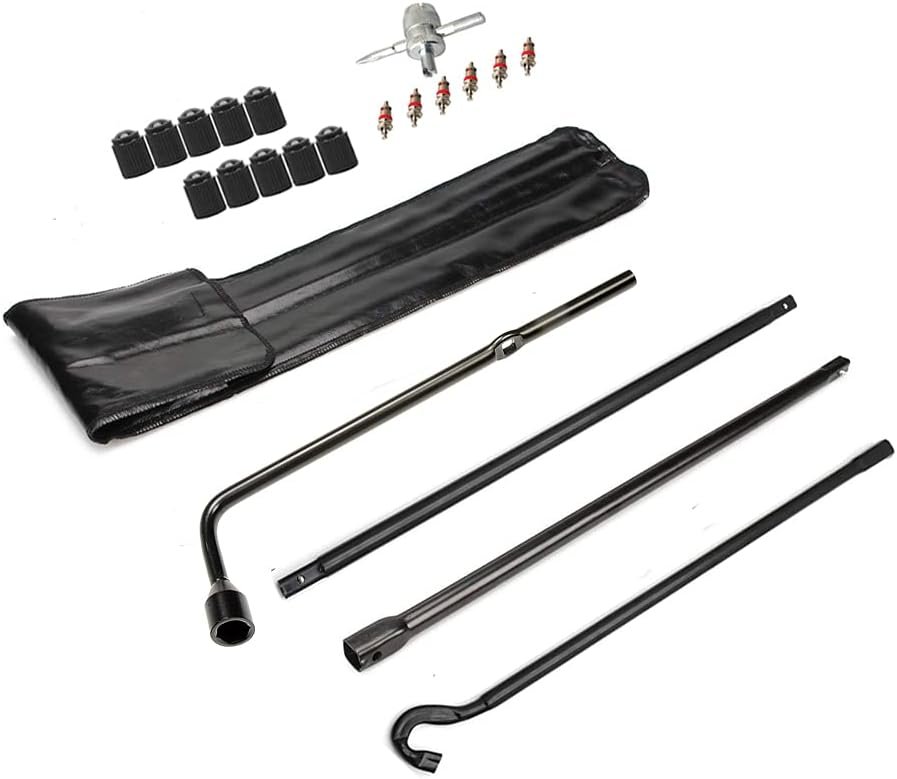 |
Check Price |
| 2. TPMS Sensors for Toyota Lexus | | 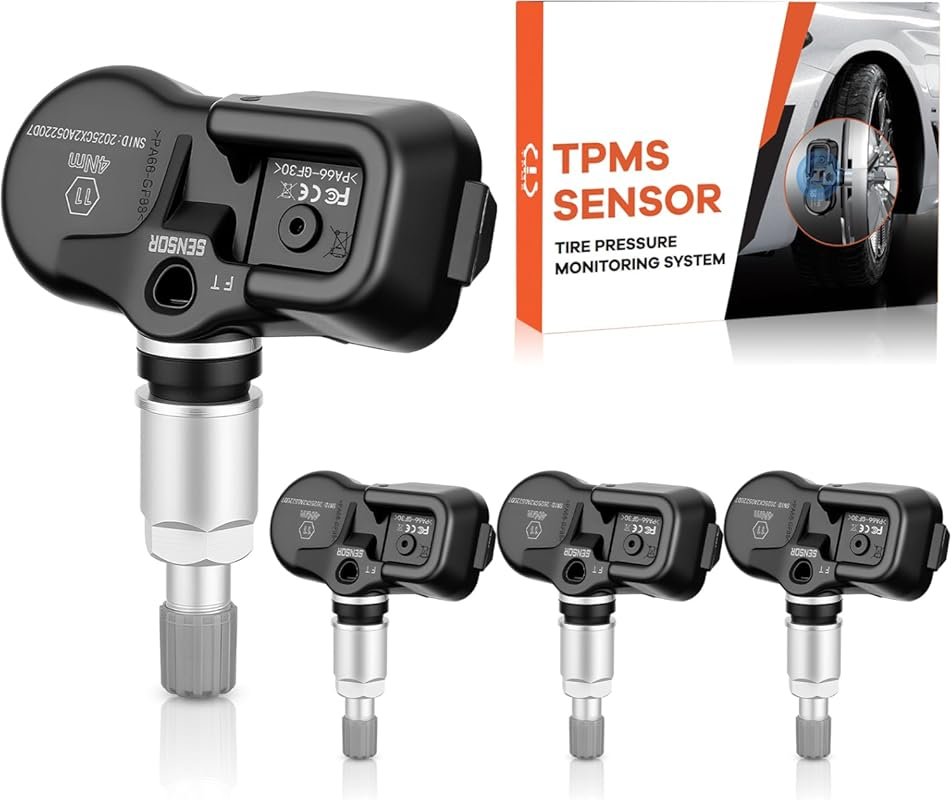 |
Check Price |
Our Top 2 Best Tires For Toyota Tundra Reviews – Expert Tested & Recommended
1. Dr.Roc Spare Tire Tool Kit with Jack Handle & Lug Wrench for Toyota Tundra 2007-2022 & Sequoia 2008-2022
★★★★☆ 4.5/5
This premium spare tire tool kit is engineered specifically for Toyota Tundra models from 2007 to 2022 and Sequoia from 2008 to 2022. Built with high-grade stainless steel and featuring the latest auto-flex technology, it ensures smooth operation when raising or lowering your spare tire. The ergonomic design reduces strain and improves control during use, making it a reliable companion for both daily drivers and off-road enthusiasts.
Key Features That Stand Out
✓ Made from rustproof automotive-grade steel for long-lasting durability
✓ Auto-flex technology for smoother, more flexible operation
✓ Lightweight yet strong design—easier to handle than factory tools
✓ Compatible with Tundra 2007–2022 and Sequoia 2008–2022 models
✓ Complete kit includes jack handle and lug wrench in one set
Why We Recommend It
This kit outperforms many OEM tools in both build quality and usability. Whether you’re changing a flat or retrieving your spare from the hitch-mounted carrier, this set handles the job with confidence. The improved grip and reduced bending make it ideal for users who frequently need access to their spare tire.
Best For
Owners of newer Tundras who need a dependable, OEM-quality replacement for the factory tool set. It’s especially useful for those who tow or off-road regularly and rely on quick access to their spare.
Pros and Cons
Pros:
- Superior build quality compared to stock tools
- Easy installation and operation
- Corrosion-resistant materials ensure long-term use
- Fits multiple Tundra and Sequoia years seamlessly
Cons:
- May not fit older pre-2007 models without adapter
- Not ideal for vehicles with non-hitch spare setups
Customer Reviews
Customer Review: I bent the tire iron that came factory with my truck and bought this to replace it. Better than the first one!
Customer Review: Also works great for first gen Toyota tundras! I was able to lower my spare on my 2006 Toyota tundra SR5 thanks to these tools. This is much cheaper than buying the OEM tool set even from a certain auction site.
2. Pre-Programmed TPMS Sensors 315MHz/433MHz for Toyota Lexus & Subaru BRZ 4PCS
★★★★☆ 4.3/5
These pre-programmed TPMS sensors are a smart upgrade for any Toyota or Lexus vehicle, including the Toyota Tundra. Designed to work with both 315MHz and 433MHz systems, they offer broad compatibility across multiple model years. Each sensor is factory-programmed, meaning no relearn process is needed—just install and go. This makes them a convenient solution for Tundra owners who want reliable tire pressure monitoring without the hassle.
Key Features That Stand Out
✓ Pre-programmed—no need for reprogramming or relearn procedures
✓ Compatible with 315MHz and 433MHz TPMS systems
✓ Fits a wide range of Toyota, Lexus, and Subaru models including Tundra 2003–2024
✓ Direct-fit design matches OEM specifications
✓ Includes 4 sensors for full tire coverage
Why We Recommend It
If you’ve had issues with TPMS warning lights or faulty sensors, this set offers a cost-effective, plug-and-play fix. The sensors are programmed to your vehicle’s exact specifications, eliminating guesswork. For Tundra owners who prioritize safety and system accuracy, these sensors deliver consistent performance.
Best For
Owners of Toyota Tundras from 2003 onward who need reliable TPMS replacement sensors. It’s ideal for those replacing worn-out sensors or upgrading to avoid future warning light issues.
Pros and Cons
Pros:
- Pre-programmed—no additional tools or programming required
- Wide vehicle compatibility including Tundra and Lexus models
- High-quality construction with accurate pressure readings
- Easy installation process
Cons:
- Only includes 4 sensors—not enough for full 5-wheel coverage
- May require verification of exact part number for older models
- Not compatible with non-Toyota vehicles outside listed fitment
Customer Reviews
Customer Review: if (true === true) { document.write(‘
‘); };
Complete Buying Guide for Best Tires for Toyota Tundra
Essential Factors We Consider
When selecting the best tires for Toyota Tundra, we evaluate several key performance indicators. Tread depth and compound matter for both dry and wet traction, while load index and speed rating ensure the tires can handle the Tundra’s weight and your driving demands. All-season vs. all-terrain vs. winter tires depend on your climate and usage—whether you’re towing a trailer, driving through snow, or hitting the dirt roads. Additionally, sidewall strength and durability are crucial for off-road adventures.
Budget Planning
You don’t need to break the bank for great tires, but investing in quality pays off in longevity and safety. Entry-level all-season tires start around $150 per tire, while premium off-road models can exceed $300. Consider total cost of ownership—cheaper tires may wear faster, especially if you tow or drive aggressively. Many Tundra owners find that spending 20–30% more upfront saves money over time due to longer tread life.
Final Thoughts
Choosing the right tires transforms your Tundra’s performance and safety. Whether you prioritize comfort, off-road capability, or towing strength, matching your driving style to the tire type ensures better handling, fuel efficiency, and peace of mind. Always check your owner’s manual for recommended sizes and ratings.
Frequently Asked Questions
Q: What size tires does a Toyota Tundra take?
A: Most Toyota Tundras use 275/65R18 or 275/60R20 tires, depending on the model year and trim. Always confirm your exact size in the owner’s manual or on the driver’s side door jamb sticker.
Q: Are all-terrain tires better for Tundras?
A: Yes, if you frequently drive off-road or in rugged conditions. All-terrain tires offer better traction, durability, and ground clearance. However, they may be noisier and slightly less fuel-efficient than all-season tires.
Q: How often should I replace Tundra tires?
A: Tires should be replaced every 6–10 years, even if the tread looks good. Rubber degrades over time due to heat and UV exposure. Check the DOT code on the sidewall for manufacture date.
Q: Can I mix different tire brands on my Tundra?
A: It’s not recommended. Mixing brands, sizes, or tread patterns can affect handling, braking, and safety—especially at high speeds or during emergency maneuvers.
Q: Do I need winter tires for a Tundra?
A: If you live in areas with heavy snow or icy roads, dedicated winter tires significantly improve traction and braking. Otherwise, high-quality all-season tires with three-peak mountain snowflake (3PMSF) rating offer sufficient winter performance.
Upgrading your best tires for Toyota Tundra is one of the most effective ways to enhance performance, safety, and overall driving experience. Whether you’re replacing worn-out rubber or optimizing for towing, off-roading, or daily commuting, the right tires make all the difference. From the reliable Dr.Roc spare tire kit to the seamless TPMS sensor upgrade, these products help keep your Tundra running strong—no matter the terrain. Ready to hit the road with confidence? Check your current tire condition and consider upgrading today. And if you’re looking for more tailored recommendations, check out our Best Tires for 2018 Toyota Tundra or Best Tires for 2013 Toyota Tundra for model-specific insights.