
Is a Cracked Windshield Covered Under Toyota Warranty?

A cracked windshield is generally not covered under Toyota’s standard new vehicle warranty unless it’s due to a manufacturing defect. However, certain extended protection plans or add-on glass coverage may offer repair or replacement benefits. Always check your specific warranty terms and consider supplemental insurance for peace of mind.
Key Takeaways
- Standard Toyota Warranty Excludes Windshield Damage: Cracks from road debris, weather, or accidents are typically not covered under the basic new vehicle warranty.
- Manufacturing Defects May Be Covered: If the crack stems from a flaw in the glass installation or material, Toyota may cover repair or replacement under warranty.
- Extended Warranties and Add-Ons Matter: Some Toyota Certified Pre-Owned (CPO) plans or optional protection packages include glass coverage.
- Comprehensive Auto Insurance Is Key: Most drivers rely on their auto insurance with comprehensive coverage to pay for windshield repairs or replacements.
- Act Quickly to Prevent Further Damage: Small chips can turn into large cracks, so early repair is safer and often cheaper.
- Document Everything for Claims: Take photos, note the date and location of damage, and keep service records to support any warranty or insurance claim.
- Use Toyota-Authorized Service Centers: For warranty-related glass work, always go through approved dealers to ensure eligibility and quality.
📑 Table of Contents
- Is a Cracked Windshield Covered Under Toyota Warranty?
- Understanding Toyota’s Standard New Vehicle Warranty
- When Might a Cracked Windshield Be Covered?
- Extended Warranties and Optional Protection Plans
- Comprehensive Auto Insurance: Your Best Bet
- DIY Repair vs. Professional Service
- Preventing Windshield Damage in the First Place
- Real-Life Example: Sarah’s RAV4 Windshield Story
- Conclusion: Know Your Options
Is a Cracked Windshield Covered Under Toyota Warranty?
You’re driving down the highway, enjoying the smooth ride in your Toyota Camry or RAV4, when suddenly—*ping!*—a tiny chip appears on your windshield. A few days later, that small imperfection has turned into a long, jagged crack stretching across your view. Your first thought? “Will Toyota fix this under warranty?”
It’s a common question among Toyota owners, and the answer isn’t always straightforward. While Toyota offers some of the most reliable and well-backed vehicles on the road, their standard warranty doesn’t automatically cover every type of damage—especially something as common as a cracked windshield. Understanding what’s covered, what’s not, and where you can turn for help is essential to protecting both your safety and your wallet.
In this guide, we’ll break down everything you need to know about windshield coverage under Toyota warranties, including the types of protection available, real-life scenarios, and practical tips to handle windshield damage like a pro. Whether you’re driving a brand-new Corolla or a certified pre-owned Highlander, this information will help you make informed decisions when that unexpected crack appears.
Understanding Toyota’s Standard New Vehicle Warranty
Visual guide about Is a Cracked Windshield Covered Under Toyota Warranty?
Image source: myg37.com
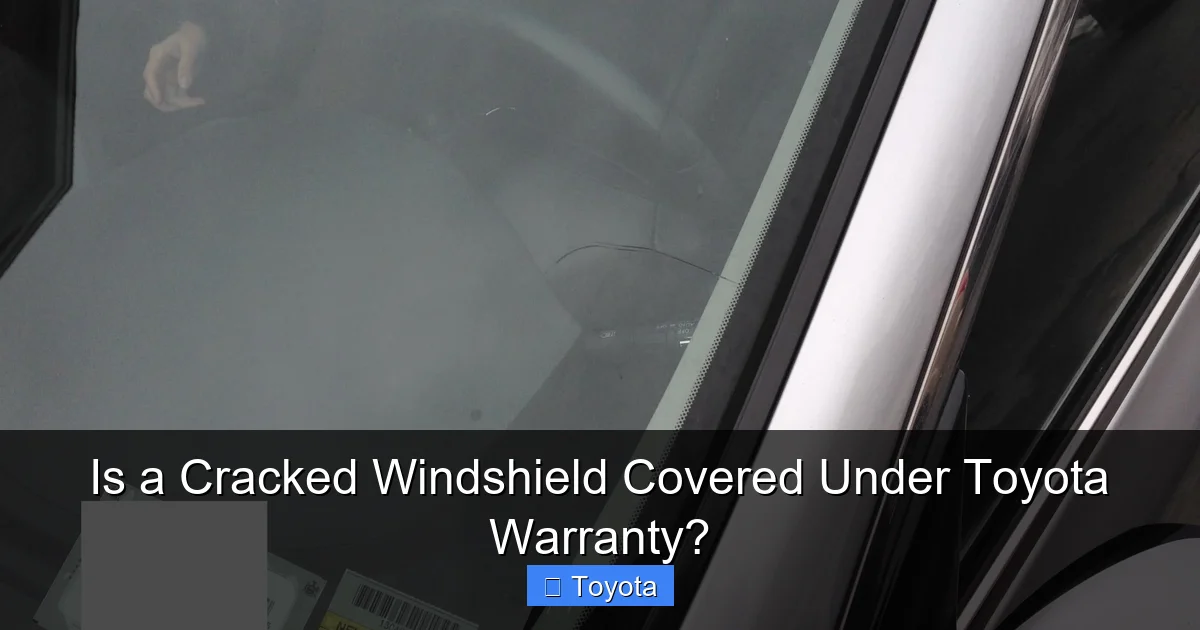
Toyota’s reputation for reliability is backed by one of the industry’s most comprehensive standard warranties. The basic new vehicle limited warranty covers your Toyota for 3 years or 36,000 miles, whichever comes first. This includes repairs or replacements needed due to defects in materials or workmanship under normal use.
But here’s the catch: **windshield damage is generally not considered a manufacturing defect unless there’s clear evidence that the glass was improperly installed or had a flaw from the factory**. Most cracks and chips happen due to external factors—like flying gravel, temperature changes, or minor impacts—that fall outside the scope of the standard warranty.
For example, if you’re driving behind a truck and a stone kicks up and cracks your windshield, that’s considered accidental damage. Toyota’s warranty won’t cover it. However, if your windshield begins to crack spontaneously within the first few months of ownership—with no impact or external cause—it might be worth having a dealer inspect it. In rare cases, issues like adhesive failure or glass delamination could qualify as a defect.
What the Warranty Covers
The new vehicle warranty is designed to protect you against unexpected failures of major components. This includes:
– Engine and transmission
– Electrical systems
– Suspension and steering
– Air conditioning and heating
– Safety systems (airbags, seat belts, etc.)
These are the parts that, if they fail due to a factory error, could compromise the safety or functionality of your vehicle. Windshield glass, while important, is treated more like a wear item—similar to tires or brake pads—because it’s exposed to constant environmental stress.
What’s Typically Excluded
Toyota clearly states in its warranty documentation that the following are not covered:
– Damage from accidents, collisions, or vandalism
– Wear and tear from normal use
– Damage caused by misuse, neglect, or improper maintenance
– Environmental damage (hail, flooding, etc.)
– Damage from road hazards (rocks, debris, potholes)
Since most windshield cracks fall into one of these categories, they’re excluded from standard coverage. That doesn’t mean you’re out of options—it just means you’ll likely need to look beyond the basic warranty.
When Might a Cracked Windshield Be Covered?
Visual guide about Is a Cracked Windshield Covered Under Toyota Warranty?
Image source: cdn.carcomplaints.com
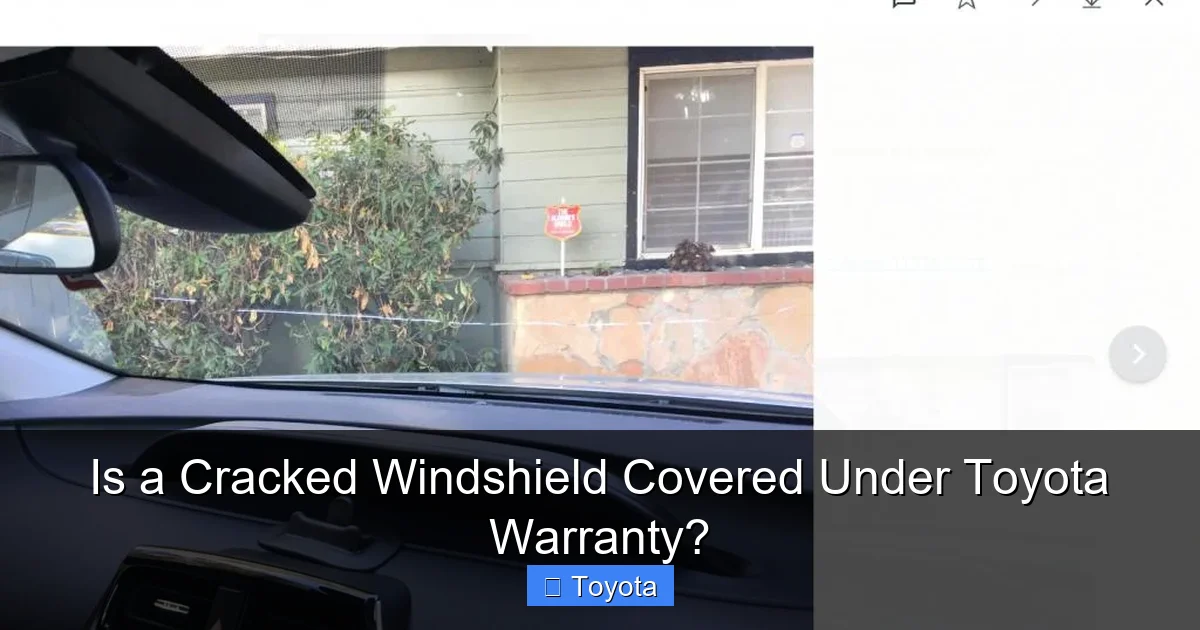
While the odds are slim, there are specific situations where Toyota might cover a cracked windshield under warranty. These are rare but worth understanding.
Manufacturing or Installation Defects
If your windshield cracks without any apparent cause—especially within the first 12 months or 12,000 miles—it could be due to a defect. Examples include:
– Improper sealing during installation, leading to stress fractures
– Use of substandard glass that doesn’t meet Toyota’s specifications
– Delamination (layers of glass separating) due to poor bonding
In these cases, a Toyota service advisor may approve a warranty claim after inspection. Document the issue early and avoid DIY repairs, as tampering can void potential coverage.
Recalls or Technical Service Bulletins (TSBs)
Occasionally, Toyota issues recalls or TSBs related to specific models with known windshield problems. For instance, certain model years of the Toyota Prius or Tacoma have had issues with windshield bonding or cracking due to design flaws. If your vehicle is affected by such a bulletin, Toyota may offer free repair or replacement—even outside the standard warranty period.
Always check the National Highway Traffic Safety Administration (NHTSA) website or contact your local dealer to see if your vehicle has any open recalls or service campaigns related to glass.
Certified Pre-Owned (CPO) Warranty Coverage
If you own a Toyota Certified Pre-Owned vehicle, you may have additional protection. The CPO program includes a 12-month/12,000-mile comprehensive warranty that covers more than the standard used car warranty. While it still excludes most accidental damage, some CPO plans offer optional add-ons like glass protection.
Ask your dealer about the specifics of your CPO coverage. Some include limited glass repair benefits, especially if the crack is small and caught early.
Extended Warranties and Optional Protection Plans

Visual guide about Is a Cracked Windshield Covered Under Toyota Warranty?
Image source: gearshifters.org
If you want broader coverage for windshield damage, consider Toyota’s extended protection options. These aren’t part of the standard warranty but can provide valuable peace of mind.
Toyota Care and Toyota Extra Care
Toyota Care is a complimentary maintenance plan included with most new Toyotas for the first 2 years or 25,000 miles. While it covers routine services like oil changes and tire rotations, it does **not** include windshield repair.
However, Toyota Extra Care—an optional extended service contract—can be customized to include additional protections. Some plans offer “appearance protection” or “glass coverage” as add-ons. These typically cover:
– Repair of small chips and cracks
– Full windshield replacement (with a deductible)
– No-claim bonuses for maintaining a clean record
The cost varies by plan and vehicle, but glass coverage usually adds $100–$300 to the total price. It’s worth considering if you drive frequently on highways or in areas with poor road conditions.
Third-Party Extended Warranties
Many owners purchase third-party extended warranties that may include glass protection. Be sure to read the fine print—some policies exclude windshield damage entirely, while others offer limited coverage with high deductibles.
Always verify whether the plan covers OEM (original equipment manufacturer) glass and whether repairs must be done at specific shops. Using non-Toyota glass could affect resale value and safety performance.
Comprehensive Auto Insurance: Your Best Bet
For most Toyota owners, the most reliable way to cover windshield damage is through **comprehensive auto insurance**. This is the part of your policy that covers non-collision events like:
– Falling objects (tree branches, hail)
– Theft or vandalism
– Fire or natural disasters
– Animal collisions
– Flying debris (rocks, gravel)
And yes—**windshield damage is typically included** under comprehensive coverage.
How Insurance Pays for Windshield Repair
Many insurance companies offer **full glass coverage** with no deductible. This means if your windshield is cracked, they’ll pay for repair or replacement without you paying anything out of pocket—provided you have this add-on.
Even without full glass coverage, comprehensive claims usually have a low deductible (often $100–$500). Given that a new windshield can cost $300–$1,000+ depending on your Toyota model (especially if it has advanced driver-assistance systems like lane departure warning or rain-sensing wipers), insurance is often the most cost-effective route.
Filing a Claim: Step-by-Step
1. **Document the Damage**: Take clear photos of the crack, including the date and location if possible.
2. **Contact Your Insurer**: Call your insurance company or use their app to start a claim.
3. **Get a Repair Estimate**: Most insurers work with certified glass shops. They’ll send an adjuster or recommend a provider.
4. **Choose Repair or Replacement**: Small chips (under 1 inch) can often be repaired. Larger cracks usually require full replacement.
5. **Use OEM or Equivalent Glass**: Ask for OEM glass if possible, especially if your Toyota has sensors or cameras behind the windshield.
Tip: Some insurers offer mobile repair services—they’ll come to your home or office to fix the glass, saving you time and hassle.
DIY Repair vs. Professional Service
When you spot a chip or small crack, you might be tempted to fix it yourself with a DIY windshield repair kit. These kits are inexpensive (usually $10–$30) and can work for very minor damage.
When DIY Makes Sense
– The damage is smaller than a quarter
– It’s in the driver’s peripheral vision (not directly in the line of sight)
– The crack hasn’t spread and isn’t near the edge
DIY kits use resin to fill the crack, which can prevent it from growing and improve clarity. However, they’re not a permanent fix and may not meet safety standards for vehicles with advanced safety systems.
Why Professional Repair Is Better
Modern Toyotas often have **windshield-mounted cameras and sensors** for features like:
– Adaptive cruise control
– Lane departure warning
– Automatic emergency braking
– Rain-sensing wipers
Replacing or repairing the windshield requires **calibration** of these systems. A DIY job won’t recalibrate the cameras, which could disable safety features or trigger warning lights.
Always use a certified technician who can:
– Install OEM or OEM-equivalent glass
– Perform camera and sensor recalibration
– Ensure proper sealing to prevent leaks
Toyota dealerships and authorized glass centers (like Safelite with Toyota certification) are your best bet for safe, reliable service.
Preventing Windshield Damage in the First Place
While you can’t avoid every rock on the road, there are steps you can take to reduce the risk of windshield damage.
Drive Smart
– Maintain a safe distance from trucks and vehicles that kick up debris.
– Avoid following too closely behind large vehicles, especially on gravel roads.
– Slow down on rough or unpaved roads where rocks are more likely to fly.
Park Wisely
– Avoid parking under trees during storms—falling branches can crack glass.
– Use a car cover in areas with frequent hail.
– Park in shaded or covered areas to reduce thermal stress from extreme temperature changes.
Inspect Regularly
Check your windshield monthly for small chips or cracks. Early detection means easier (and cheaper) repairs. If you spot a chip, get it fixed within a few days—before temperature swings or vibrations cause it to spread.
Use a Windshield Protector
Some aftermarket films and coatings claim to strengthen glass or reduce the risk of cracking. While not foolproof, they may offer a small layer of protection. Just be sure they don’t interfere with sensors or visibility.
Real-Life Example: Sarah’s RAV4 Windshield Story
Sarah, a Toyota RAV4 owner in Colorado, was driving home from work when a pebble hit her windshield, leaving a dime-sized chip. She didn’t think much of it—until a week later, a temperature drop caused the chip to grow into a 12-inch crack.
She called her Toyota dealer, hoping it would be covered under warranty. After inspection, the service advisor explained that the damage was due to road debris, not a manufacturing defect, so it wasn’t covered under her 3-year warranty.
Disappointed but prepared, Sarah checked her auto insurance policy. She had comprehensive coverage with full glass protection and no deductible. She filed a claim, and within 48 hours, a technician came to her office to replace the windshield with OEM glass. The entire process was free, and her safety systems were recalibrated on the spot.
“I wish I’d known about glass coverage sooner,” Sarah said. “But now I make sure all my friends with Toyotas check their insurance policies.”
Conclusion: Know Your Options
So, is a cracked windshield covered under Toyota warranty? The short answer is: **usually not**—unless it’s due to a rare manufacturing defect. Toyota’s standard warranty focuses on mechanical and electrical failures, not damage from everyday driving hazards.
But that doesn’t mean you’re left paying out of pocket. By understanding your warranty, considering extended protection plans, and maintaining comprehensive auto insurance, you can protect yourself from unexpected glass repair costs.
The key is to act quickly, document damage, and use certified professionals for repairs—especially on modern Toyotas with advanced safety technology. And if you’re buying a new or used Toyota, ask about optional glass coverage. It could save you hundreds down the road.
Remember: a cracked windshield isn’t just an eyesore—it can compromise structural integrity and safety. Don’t ignore it. Whether through warranty, insurance, or out-of-pocket repair, get it fixed fast. Your Toyota—and your peace of mind—will thank you.
Frequently Asked Questions
Is a cracked windshield covered under Toyota’s basic warranty?
No, a cracked windshield is generally not covered under Toyota’s standard new vehicle warranty unless it’s proven to be due to a manufacturing or installation defect. Most cracks result from road debris or environmental factors, which are excluded.
Will Toyota fix a windshield crack for free?
Only in rare cases involving defects or active recalls. Otherwise, you’ll need to use insurance or pay out of pocket. Always have a Toyota dealer inspect the damage to rule out warranty eligibility.
Does Toyota insurance cover windshield replacement?
Toyota does not sell auto insurance, but your personal comprehensive auto insurance policy likely covers windshield repair or replacement—especially if you have full glass coverage with no deductible.
Can I use any glass shop to replace my Toyota windshield?
You can, but for vehicles with advanced safety systems (like lane departure warning), it’s best to use a Toyota-authorized or certified shop that can properly calibrate cameras and sensors after replacement.
How much does it cost to replace a Toyota windshield?
Costs range from $300 to $1,000+, depending on the model and whether it has sensors, rain-sensing wipers, or heated glass. OEM glass and calibration add to the price but ensure safety and functionality.
Should I repair or replace a cracked windshield?
Small chips (under 1 inch) can often be repaired. Cracks longer than 6 inches, in the driver’s line of sight, or near the edge usually require full replacement for safety and structural reasons.
