Installing a Car Battery Which Terminal First
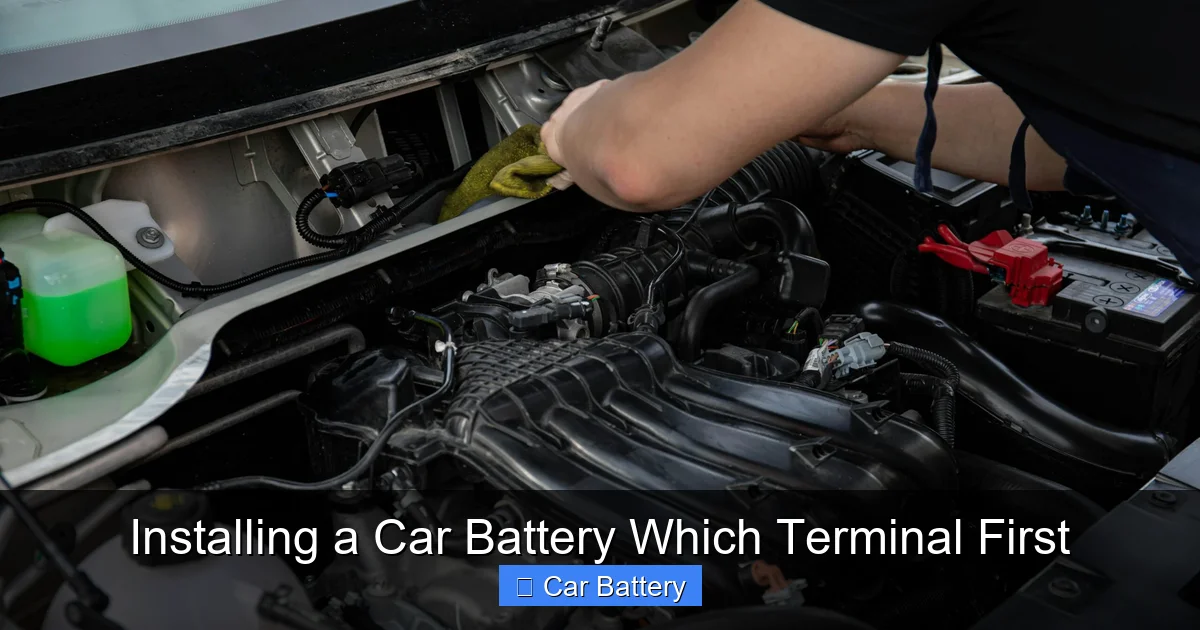
Installing a car battery which terminal first is a critical safety step every driver should know. Connecting the positive terminal before the negative—or worse, reversing the order—can cause sparks, damage electronics, or even start a fire. This guide walks you through the safest, most effective method to install your car battery the right way, every time.
In This Article
- 1 Key Takeaways
- 2 📑 Table of Contents
- 3 Why the Order Matters: The Science Behind Terminal Connection
- 4 Step-by-Step Guide to Installing a Car Battery: Which Terminal First
- 5 Safety Tips and Common Mistakes to Avoid
- 6 When to Call a Professional
- 7 Maintaining Your New Battery
- 8 Conclusion
- 9 Frequently Asked Questions
- 9.1 Which terminal do you connect first when installing a car battery?
- 9.2 Can you connect the negative terminal first?
- 9.3 What happens if you connect the battery terminals in the wrong order?
- 9.4 Do I need to reset anything after changing my car battery?
- 9.5 How tight should battery terminal nuts be?
- 9.6 Can I change a car battery alone?
Key Takeaways
- Always disconnect the negative terminal first when removing a battery: This reduces the risk of short circuits and accidental sparks near the battery.
- Connect the positive terminal first when installing a new battery: This minimizes the chance of creating a ground path that could cause sparks or damage electronics.
- Use proper tools and safety gear: Insulated wrenches, gloves, and eye protection are essential to prevent injury during installation.
- Clean battery terminals and cables before reconnecting: Corrosion and dirt can lead to poor connections and starting issues.
- Double-check polarity before tightening connections: Reversing the terminals can fry your car’s electrical system in seconds.
- Secure the battery properly after installation: A loose battery can shift, leak acid, or cause electrical faults while driving.
- Reset electronic systems if needed: Some vehicles require radio codes, clock resets, or system recalibrations after a battery change.
📑 Table of Contents
Why the Order Matters: The Science Behind Terminal Connection
Changing a car battery might seem like a simple task—just swap the old one for a new one, right? But if you’ve ever watched someone fumble with cables or heard a loud pop when reconnecting, you know it’s not always that straightforward. The real question isn’t just *how* to install a car battery, but *which terminal first*—and why that order is so important.
At the heart of every car battery are two terminals: positive (+) and negative (−). The positive terminal carries electrical current from the battery to the vehicle’s systems, while the negative terminal connects to the car’s chassis, completing the circuit. This grounding system is essential for safe and efficient operation. But when you’re installing or removing a battery, the sequence in which you connect or disconnect these terminals can make a big difference in safety and performance.
Imagine this: you’re under the hood, wrench in hand, ready to swap out a dead battery. If you connect the negative terminal first and accidentally touch the wrench to a metal part of the engine while tightening the positive cable, you’ve just created a direct short circuit. The result? A spark, a blown fuse, or worse—damage to your car’s sensitive electronics like the ECU (engine control unit), radio, or onboard computer. In extreme cases, a short can even ignite hydrogen gas emitted by the battery, leading to an explosion.
That’s why professionals and mechanics follow a strict rule: **always connect the positive terminal first when installing a battery, and disconnect the negative terminal first when removing it.** This sequence minimizes the risk of accidental grounding and protects both you and your vehicle. It’s not just a suggestion—it’s a safety protocol backed by years of automotive experience and electrical engineering principles.
The Role of Grounding in Car Electrical Systems
To understand why terminal order matters, it helps to know how your car’s electrical system works. Unlike your home, where appliances are wired directly to a power source, cars use the metal frame (chassis) as a return path for electricity. This is called a “grounded system.” The negative terminal of the battery is connected to the chassis, so when you complete a circuit—like turning on the headlights—current flows from the positive terminal, through the light, and back to the battery via the car’s body.
Because the chassis is always “live” on the negative side, any metal tool that touches both the positive terminal and the chassis while the negative cable is connected can create a dangerous short. That’s why disconnecting the negative cable first breaks the ground connection, making the system safer to work on. When installing, connecting the positive first ensures that even if your wrench slips and touches metal, there’s no complete circuit—because the negative isn’t connected yet.
This grounding principle is why you’ll often see mechanics use insulated tools and wear gloves. It’s also why many modern vehicles have battery terminals designed to reduce the risk of accidental contact. But no matter how advanced your car is, the fundamental rule remains: **positive first on installation, negative first on removal.**
Step-by-Step Guide to Installing a Car Battery: Which Terminal First
Visual guide about Installing a Car Battery Which Terminal First
Image source: guide-images.cdn.ifixit.com
Now that you understand the “why,” let’s walk through the “how.” Installing a car battery correctly isn’t just about getting your car to start—it’s about doing it safely and ensuring your vehicle’s electronics stay protected. Follow these steps carefully, and you’ll avoid common mistakes that can lead to costly repairs or dangerous situations.
Gather Your Tools and Safety Gear
Before you even pop the hood, make sure you have everything you need. You’ll want:
– A new car battery (correct size and type for your vehicle)
– A wrench or socket set (usually 10mm or 13mm, but check your owner’s manual)
– Safety gloves (rubber or nitrile)
– Safety goggles
– Wire brush or battery terminal cleaner
– Baking soda and water (for cleaning corrosion)
– A clean rag or paper towels
– Optional: dielectric grease or battery terminal protector spray
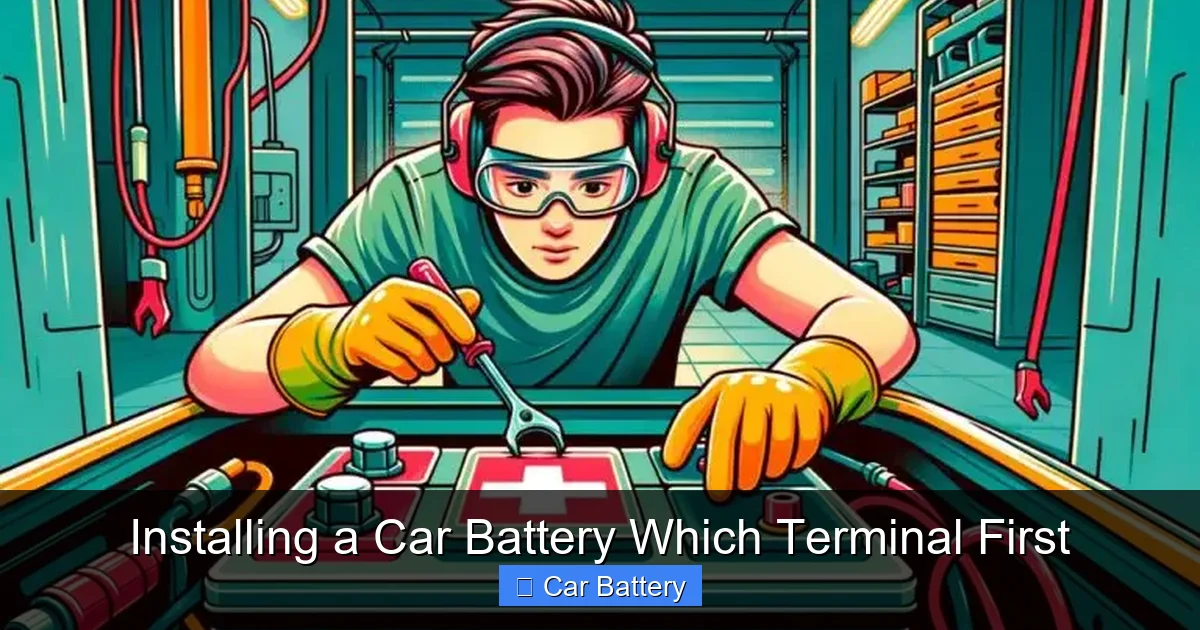
Safety gear is non-negotiable. Car batteries contain sulfuric acid and emit flammable hydrogen gas, so protecting your eyes and skin is essential. Even if you’ve changed a battery before, don’t skip the gloves and goggles—accidents happen fast.
Turn Off the Engine and Remove the Old Battery
Start by turning off the engine and removing the keys from the ignition. If your car has a push-button start, make sure it’s fully powered down. Open the hood and locate the battery—it’s usually a rectangular box with two thick cables attached.
Now, here’s the critical step: **disconnect the negative terminal first.** Look for the cable marked with a minus sign (−) or black cover. Use your wrench to loosen the nut on the terminal clamp. Once it’s loose, carefully wiggle the clamp off the terminal. Tuck the cable aside so it can’t accidentally touch the battery post.
Next, disconnect the positive terminal (marked with a plus sign + or red cover). Loosen the nut and remove the clamp. Again, keep the cable away from the battery and any metal surfaces.
With both cables disconnected, remove any brackets or hold-down clamps securing the battery. Some batteries have a plastic strap or metal bar across the top—remove these carefully. Then, lift the old battery straight up and out of the tray. Car batteries are heavy (often 30–50 pounds), so use your legs, not your back, and consider asking for help if needed.
Clean the Battery Tray and Terminals
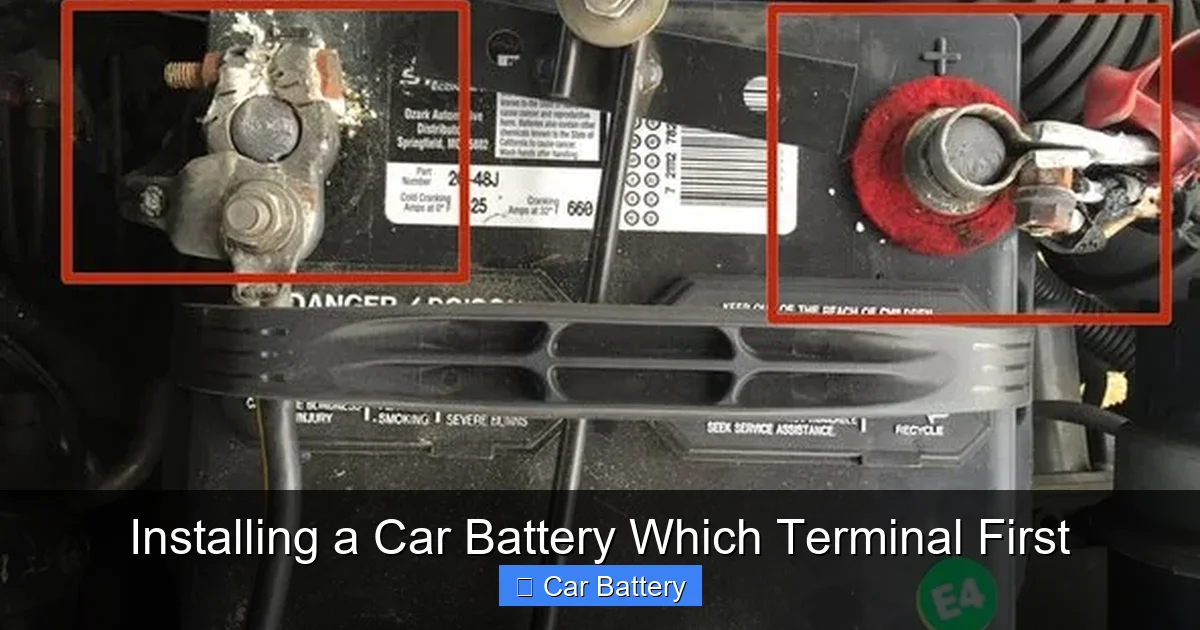
Before installing the new battery, take a moment to clean the area. Over time, battery acid and corrosion can build up on the tray and cable clamps. This residue looks like a white, green, or blue powder and can interfere with electrical connections.
Mix a small amount of baking soda with water to create a paste. Use an old toothbrush or wire brush to scrub the tray and cable clamps. Rinse with water and dry thoroughly. If the corrosion is severe, you may need a commercial battery cleaner.
Also inspect the cable clamps for cracks, fraying, or excessive wear. Damaged cables should be replaced—don’t risk a poor connection that could leave you stranded.
Install the New Battery: Positive Terminal First
Now it’s time to install the new battery. Place it in the tray, making sure it’s oriented correctly—the positive and negative terminals should match the positions of the cables. Most batteries have labels or color-coded posts to help you identify them.
Secure the battery with the hold-down clamp or bracket. A loose battery can vibrate, leak acid, or shift during driving, which is both dangerous and damaging.
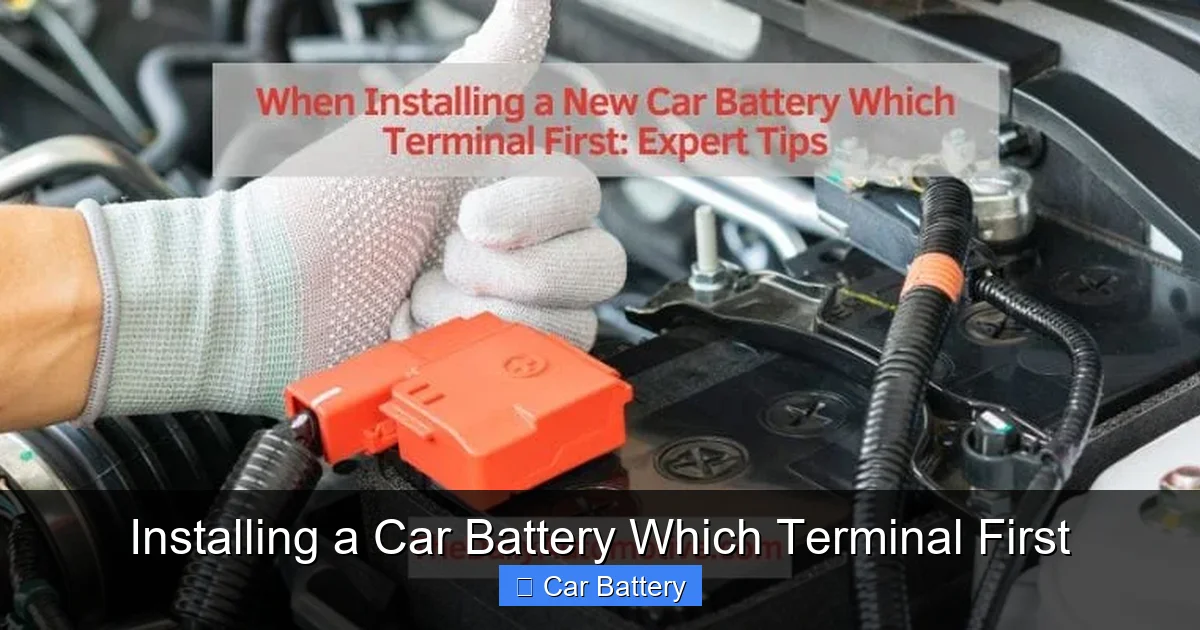
Here’s the key moment: **connect the positive terminal first.** Take the red (positive) cable and slide the clamp over the positive post. Tighten the nut securely with your wrench—snug, but don’t over-tighten, as this can strip the threads or crack the terminal.
Once the positive is connected, attach the negative (black) cable to the negative post and tighten the nut. This order—positive first, then negative—ensures that even if your wrench slips and touches metal, there’s no complete circuit until the final connection is made.
After both terminals are secure, apply a thin layer of dielectric grease or battery terminal protector spray. This helps prevent future corrosion and keeps connections clean.
Test the Installation
Close the hood and start the car. If it starts smoothly, great! But don’t stop there. Check that all electrical systems are working—lights, radio, windshield wipers, power windows, etc. Some vehicles may require a brief “relearning” period for systems like the idle speed or transmission shift points.
If the car doesn’t start, double-check your connections. Make sure the terminals are tight and the cables aren’t reversed. Also, verify that the battery is the correct type and fully charged.
Safety Tips and Common Mistakes to Avoid
Visual guide about Installing a Car Battery Which Terminal First
Image source: carsofelectric.com
Even with the right steps, mistakes can happen. Here are some common pitfalls and how to avoid them.
Reversing the Terminals
This is the most dangerous mistake you can make. Connecting the positive cable to the negative post (or vice versa) can cause a massive short circuit. The result? Instant damage to your car’s electrical system, including the alternator, fuses, and onboard computers. In some cases, it can even cause the battery to explode.
Always double-check the labels and colors before connecting. If you’re unsure, consult your owner’s manual or look for markings on the battery itself.
Using the Wrong Tools
Using a wrench that’s too big or too small can strip the terminal nuts. Always use the correct size socket or wrench. Insulated tools are best, as they reduce the risk of accidental grounding.
Ignoring Corrosion
Dirty or corroded terminals lead to poor connections, which can cause starting problems, dim lights, or intermittent electrical issues. Cleaning the terminals and cables during installation ensures a solid connection and extends the life of your new battery.
Forgetting to Secure the Battery
A loose battery can shift during driving, potentially damaging the cables or leaking acid. Always use the hold-down clamp to keep the battery firmly in place.
Skipping Safety Gear
Even a small splash of battery acid can burn your skin or damage your eyes. Always wear gloves and goggles, and work in a well-ventilated area.
When to Call a Professional
Visual guide about Installing a Car Battery Which Terminal First
Image source: thedailyautomotive.com
While changing a car battery is a task many drivers can handle themselves, there are times when it’s best to leave it to the pros.
If your car has a start-stop system, advanced electronics, or a complex battery management system (common in hybrids and luxury vehicles), the battery may need to be registered with the car’s computer after installation. This process, called “battery registration,” ensures the vehicle’s charging system works correctly with the new battery. Without it, you might experience reduced performance, warning lights, or premature battery failure.
Additionally, if you’re uncomfortable working under the hood, notice signs of electrical damage, or the battery is in a hard-to-reach location (like under the rear seat or in the trunk), it’s wise to visit a trusted mechanic.
Maintaining Your New Battery
Installing a new battery is just the first step. To get the most life and performance from it, follow these maintenance tips:
– **Check terminals regularly:** Look for corrosion and clean as needed.
– **Keep it charged:** Short trips and extreme temperatures can drain the battery. Consider a trickle charger if the car sits for long periods.
– **Inspect the battery case:** Cracks or bulges can indicate internal damage.
– **Test the battery annually:** Many auto parts stores offer free battery testing.
With proper care, a quality car battery can last 3–5 years—or even longer in ideal conditions.
Conclusion
Installing a car battery isn’t just about swapping parts—it’s about doing it safely and correctly. The question of “which terminal first” isn’t just a technical detail; it’s a critical safety step that protects you, your vehicle, and its electronics. By connecting the positive terminal first during installation and disconnecting the negative first during removal, you minimize the risk of sparks, shorts, and damage.
Take your time, use the right tools, wear safety gear, and follow the steps outlined in this guide. Whether you’re a seasoned DIYer or a first-time battery changer, knowing the correct procedure gives you confidence and peace of mind. And when in doubt, don’t hesitate to consult a professional.
Your car’s battery is the heart of its electrical system. Treat it with care, and it will keep you moving reliably for miles to come.
Frequently Asked Questions
Which terminal do you connect first when installing a car battery?
Always connect the positive terminal first when installing a car battery. This reduces the risk of creating a short circuit if your tool accidentally touches the car’s metal frame. Only after the positive is secure should you connect the negative terminal.
Can you connect the negative terminal first?
No, you should never connect the negative terminal first during installation. Doing so increases the chance of a short circuit if the positive cable or tool touches grounded metal. The correct order is positive first, then negative.
What happens if you connect the battery terminals in the wrong order?
Reversing the terminals can cause a massive electrical short, damaging the alternator, fuses, ECU, and other electronics. In extreme cases, it can lead to sparks, fire, or even battery explosion. Always double-check polarity before connecting.
Do I need to reset anything after changing my car battery?
Some vehicles require resets for systems like the radio (which may need a code), clock, power windows, or idle speed. Check your owner’s manual. Luxury or hybrid cars may also need battery registration via a diagnostic tool.
How tight should battery terminal nuts be?
Tighten terminal nuts securely—just enough to prevent movement—but avoid over-tightening, which can strip threads or crack the terminal. A snug fit ensures a good electrical connection without damage.
Can I change a car battery alone?
Yes, most people can safely change a car battery alone with the right tools and precautions. However, if the battery is heavy, hard to reach, or your car has advanced electronics, consider asking for help or visiting a mechanic.