How to Use Car Battery Charger
Knowing how to use car battery charger correctly can save you time, money, and stress when your vehicle won’t start. This guide walks you through every step—from safety checks to charging techniques—so you can confidently revive a dead battery at home.
In This Article
- 1 Key Takeaways
- 2 📑 Table of Contents
- 3 Why Knowing How to Use Car Battery Charger Matters
- 4 Understanding Car Batteries and Why They Fail
- 5 Types of Car Battery Chargers and How to Choose One
- 6 Step-by-Step Guide: How to Use Car Battery Charger Safely
- 7 Tips for Safe and Effective Charging
- 8 Common Mistakes to Avoid When Using a Car Battery Charger
- 9 When to Charge vs. When to Replace
- 10 Maintaining Your Battery and Charger for Long-Term Use
- 11 Conclusion
- 12 Frequently Asked Questions
- 12.1 Can I charge a car battery while it’s still connected to the car?
- 12.2 How long does it take to charge a car battery?
- 12.3 Can I overcharge a car battery?
- 12.4 What should I do if my battery keeps dying after charging?
- 12.5 Is it safe to charge a battery in cold weather?
- 12.6 Do I need a special charger for an AGM battery?
Key Takeaways
- Safety first: Always wear protective gear, work in a well-ventilated area, and disconnect the battery before charging to avoid sparks or acid exposure.
- Choose the right charger: Match the charger type (trickle, smart, or fast) to your battery and situation—smart chargers are best for regular maintenance.
- Check battery condition: Inspect for cracks, leaks, or corrosion before charging; a damaged battery may need replacement instead of charging.
- Follow correct connection order: Connect red (positive) clamp first, then black (negative), and reverse the order when disconnecting to prevent short circuits.
- Monitor charging progress: Use a charger with indicators or a multimeter to avoid overcharging, which can damage the battery.
- Maintain regularly: Charge your battery every few months if the car sits unused to extend its lifespan and prevent unexpected failures.
📑 Table of Contents
- Why Knowing How to Use Car Battery Charger Matters
- Understanding Car Batteries and Why They Fail
- Types of Car Battery Chargers and How to Choose One
- Step-by-Step Guide: How to Use Car Battery Charger Safely
- Tips for Safe and Effective Charging
- Common Mistakes to Avoid When Using a Car Battery Charger
- When to Charge vs. When to Replace
- Maintaining Your Battery and Charger for Long-Term Use
- Conclusion
Why Knowing How to Use Car Battery Charger Matters
Picture this: It’s a cold Monday morning, you’re running late for work, and you turn the key—only to hear a weak click or nothing at all. Your car won’t start. Before you panic and call a tow truck, consider this: the problem might be as simple as a dead battery. And with the right tools and knowledge, you can fix it yourself in under an hour.
That’s where learning how to use car battery charger becomes a game-changer. A car battery charger isn’t just for emergencies—it’s a smart investment for anyone who wants to maintain their vehicle’s reliability and avoid costly roadside assistance fees. Whether you live in a cold climate where batteries drain faster, or you have an older car that sits unused for days, a battery charger can keep your ride ready to go.
But using one isn’t as simple as just plugging it in. There are safety steps, connection rules, and charging methods that matter. Doing it wrong can damage your battery, your car’s electrical system, or even put you at risk. That’s why this guide is here—to walk you through everything you need to know, step by step, so you can charge your car battery safely and effectively.
Understanding Car Batteries and Why They Fail
Visual guide about How to Use Car Battery Charger
Image source: m.media-amazon.com
Before diving into how to use car battery charger, it helps to understand what you’re working with. Most cars use a 12-volt lead-acid battery. These batteries store electrical energy through a chemical reaction between lead plates and sulfuric acid. Over time, this reaction slows down, especially in cold weather or if the battery isn’t used regularly.
Common Causes of Battery Failure
Batteries don’t last forever—most last between 3 to 5 years. But several factors can shorten that lifespan:
- Leaving lights on: Even a small interior light left on overnight can drain a battery completely.
- Short trips: Frequent short drives don’t give the alternator enough time to fully recharge the battery.
- Extreme temperatures: Cold weather slows chemical reactions, reducing power. Heat accelerates corrosion and evaporation of battery fluid.
- Old age: As batteries age, their internal components degrade, reducing their ability to hold a charge.
- Parasitic drain: Faulty electronics or wiring can slowly drain the battery even when the car is off.
Signs Your Battery Needs Charging
You don’t always have to wait for a no-start situation. Watch for these warning signs:
- Slow engine crank when starting
- Dim headlights or interior lights
- Dashboard warning lights (like the battery or check engine light)
- Electrical issues (power windows moving slowly, radio resetting)
- A battery that’s more than 3 years old
If you notice any of these, it’s a good idea to test your battery or charge it before it fails completely.
Types of Car Battery Chargers and How to Choose One
Visual guide about How to Use Car Battery Charger
Image source: m.media-amazon.com
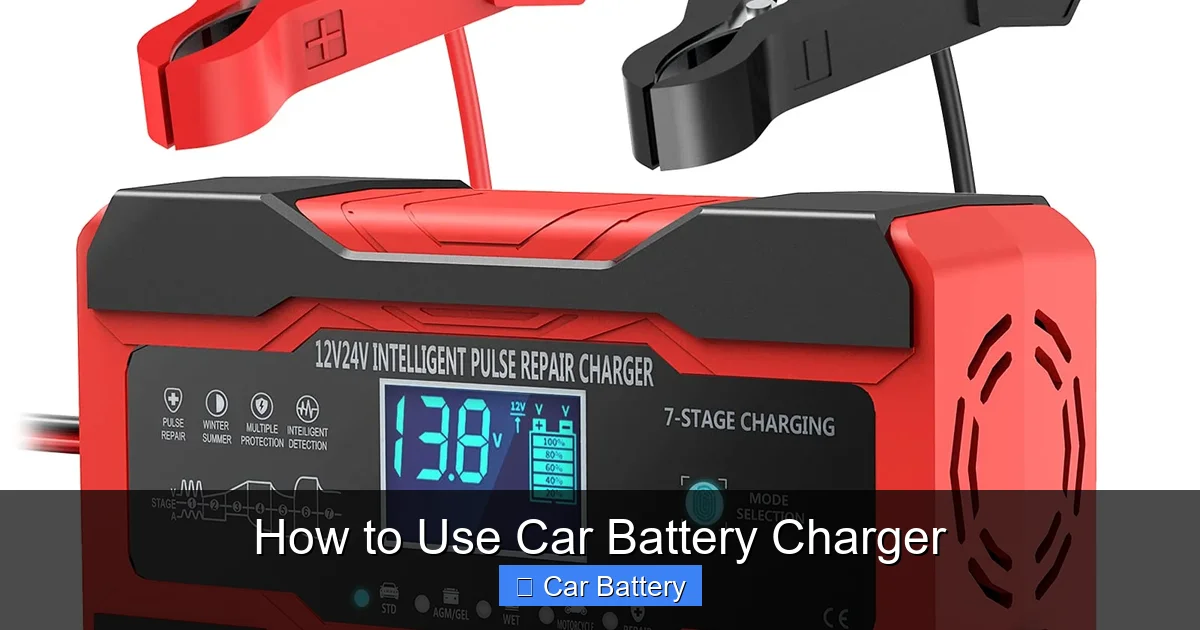
Not all battery chargers are created equal. Choosing the right one depends on your needs, budget, and how often you plan to use it. Here’s a breakdown of the most common types:
Trickle Chargers
Trickle chargers deliver a low, steady current over a long period. They’re ideal for maintaining a battery during storage—like if you have a classic car or motorcycle that sits unused for weeks.
Pros: Affordable, simple to use, great for long-term maintenance.
Cons: Can overcharge if left connected too long, not ideal for quick boosts.
Smart Chargers (Automatic Chargers)
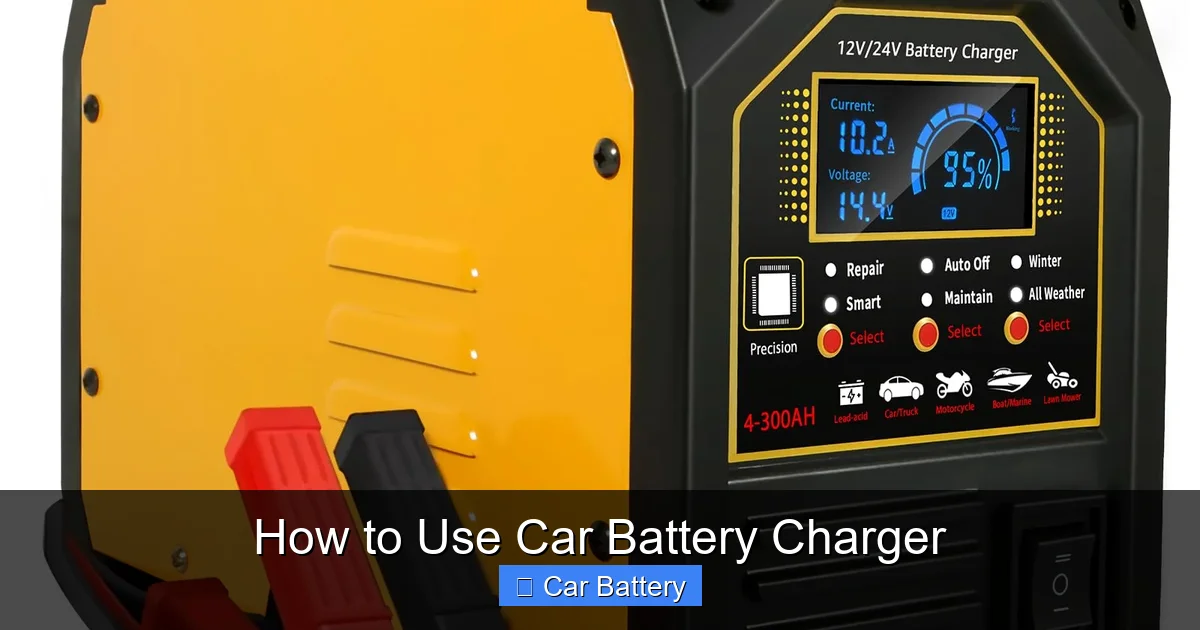
Smart chargers are the most popular choice for everyday drivers. They monitor the battery’s voltage and adjust the charge rate automatically. Once the battery is full, they switch to a maintenance or “float” mode to keep it topped up without overcharging.
Pros: Safe, efficient, user-friendly, prevents overcharging.
Cons: Slightly more expensive than trickle chargers.
Fast Chargers (Boost or Jump Chargers)
These deliver a high current quickly to revive a dead battery in minutes. Some even have built-in jump-start capabilities.
Pros: Fast results, great for emergencies.
Cons: Risk of overheating or damaging older batteries if used improperly.
Solar Chargers
Solar-powered chargers use sunlight to maintain a battery. They’re eco-friendly and perfect for RVs, boats, or cars stored outdoors.
Pros: No electricity needed, great for remote locations.
Cons: Slower charging, dependent on sunlight.
How to Choose the Right Charger
Ask yourself:
- How often will I use it?
- Do I need fast charging or just maintenance?
- What type of battery do I have (standard, AGM, lithium)?
- Do I want automatic shutoff features?
For most people, a smart charger with 4–10 amp output is the best all-around choice. It’s safe, effective, and easy to use.
Step-by-Step Guide: How to Use Car Battery Charger Safely
Visual guide about How to Use Car Battery Charger
Image source: vehiclescene.com
Now that you understand the basics, let’s walk through the actual process of how to use car battery charger. Follow these steps carefully to ensure safety and effectiveness.
Step 1: Prepare Your Workspace
Safety starts before you even touch the charger.
- Park your car in a well-ventilated area—preferably outdoors or in a garage with the door open.
- Turn off the engine and remove the keys.
- Wear safety goggles and gloves to protect against acid and sparks.
- Keep the charger and cables away from water, oil, or flammable materials.
Step 2: Inspect the Battery
Before connecting anything, check the battery for damage.
- Look for cracks, bulges, or leaks in the casing.
- Check the terminals for corrosion—white, green, or blue powdery buildup.
- If you see heavy corrosion, clean it with a mixture of baking soda and water using a wire brush.
- If the battery is cracked or leaking, do not charge it—replace it instead.
Step 3: Disconnect the Battery (Optional but Recommended)
While you can charge a battery while it’s still connected to the car, disconnecting it is safer and prevents potential damage to your vehicle’s electronics.
- Use a wrench to loosen the negative (black) terminal first, then the positive (red).
- Lift the cables off and secure them so they don’t touch the terminals.
- Note: Some modern cars have sensitive electronics. If you’re unsure, consult your owner’s manual or charge with the battery connected—just be extra cautious.
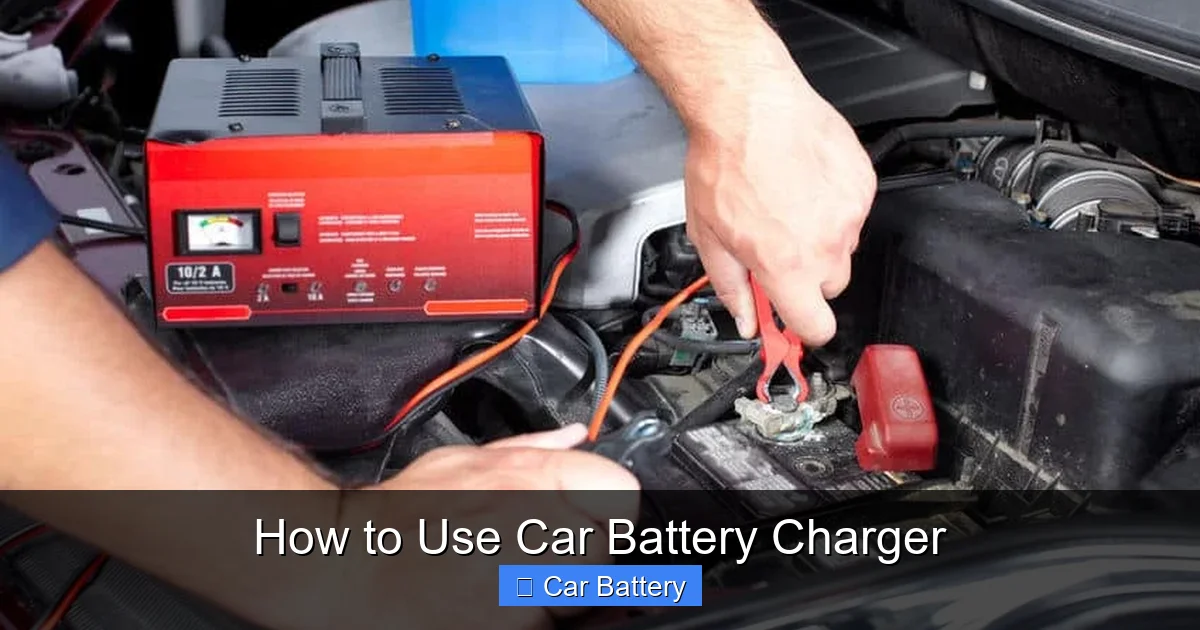
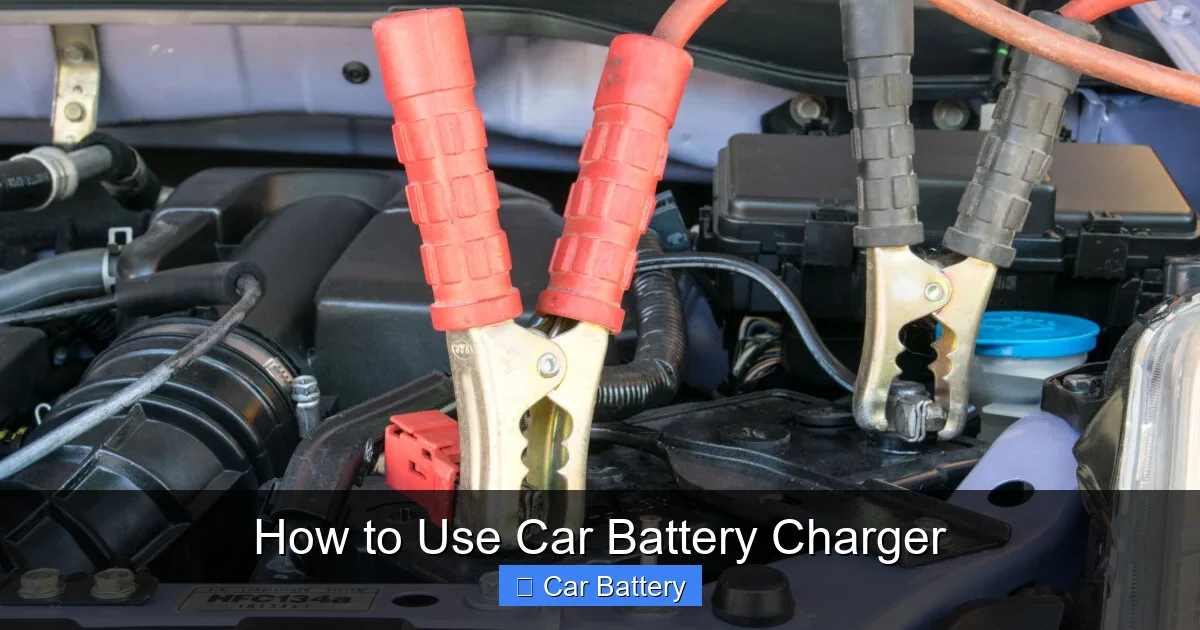
Step 4: Connect the Charger
This is the most critical step—get the order right.
- Attach the red (positive) clamp to the positive terminal (+) on the battery.
- Attach the black (negative) clamp to the negative terminal (–) on the battery.
- Never reverse the connections—this can cause sparks, damage the charger, or even explode the battery.
- Make sure the clamps have a solid, metal-to-metal connection.
Step 5: Set the Charger
Now it’s time to configure the charger.
- Plug the charger into a grounded outlet.
- Select the correct voltage (usually 12V for cars).
- Choose the charge rate—start with a lower amp setting (like 2–4 amps) for a slow, safe charge. Use higher settings (6–10 amps) only if you’re in a hurry.
- If your charger has a “maintenance” or “float” mode, use it for long-term charging.
Step 6: Start Charging and Monitor Progress
Turn on the charger and let it do its job.
- Most smart chargers will display the charging status with lights or a digital screen.
- A full charge can take anywhere from 4 to 24 hours, depending on the battery’s condition and the charger’s output.
- Check the battery periodically. If it feels hot to the touch, stop charging immediately—it may be overheating.
- Never leave a charging battery unattended for long periods.
Step 7: Disconnect the Charger
Once the battery is fully charged (indicated by a green light or “full” message), it’s time to disconnect.
- Unplug the charger from the wall first.
- Remove the black (negative) clamp, then the red (positive) clamp.
- If you disconnected the battery, reconnect it in reverse order: positive first, then negative.
- Tighten the terminals securely.
Step 8: Test the Battery
Start your car to confirm the charge worked.
- If the engine starts smoothly, you’re good to go.
- If it still struggles, the battery may be too old or damaged and need replacement.
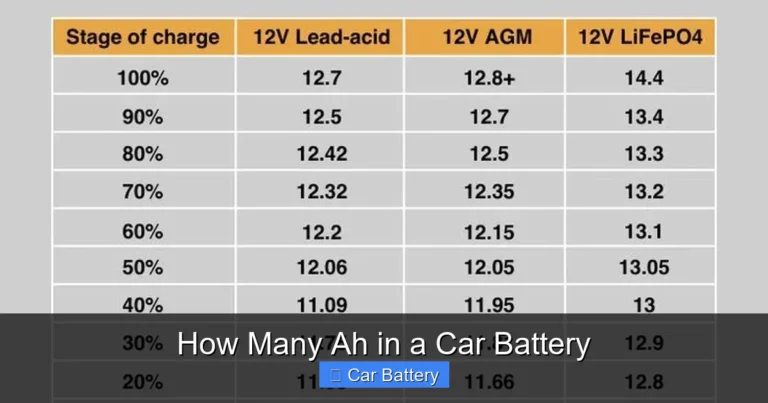
- Consider using a multimeter to check the voltage—12.6V or higher means a full charge.
Tips for Safe and Effective Charging
Even with the right steps, small mistakes can cause big problems. Here are some practical tips to help you get the best results when you learn how to use car battery charger.
Use the Right Charge Rate
Charging too fast can overheat the battery and reduce its lifespan. A general rule:
- Use 2–4 amps for maintenance or slow charging.
- Use 6–10 amps for faster charging, but only if the battery is in good condition.
- Avoid high-amp settings on old or weak batteries.
Avoid Overcharging
Overcharging can cause the battery to swell, leak, or even explode. Smart chargers help prevent this, but if you’re using a basic trickle charger, set a timer and check it regularly.
Charge in a Cool, Dry Place
Heat accelerates chemical reactions inside the battery, which can lead to overheating. Avoid charging in direct sunlight or hot garages.
Don’t Charge a Frozen Battery
If the battery is frozen (common in winter), do not charge it. The internal plates can crack. Let it thaw completely in a warm room first.
Maintain Regularly
Even if your car starts fine, charge the battery every 2–3 months if it sits unused. This prevents sulfation—a buildup of lead sulfate crystals that reduces capacity.
Store Your Charger Properly
After use, unplug the charger, coil the cables neatly, and store it in a dry place. Keep it away from children and pets.
Common Mistakes to Avoid When Using a Car Battery Charger
Even experienced drivers make errors. Here are some common pitfalls and how to avoid them.
Reversing the Clamp Connections
Connecting red to negative and black to positive is dangerous. It can cause sparks, damage electronics, or even explode the battery. Always double-check before plugging in.
Charging a Damaged Battery
If the battery is cracked, leaking, or swollen, charging it won’t help—and it’s unsafe. Replace it instead.
Using the Wrong Charger for Your Battery Type
Not all chargers work with all batteries. For example, AGM (Absorbent Glass Mat) batteries require a specific charging profile. Using a regular charger can damage them. Always check compatibility.
Leaving the Charger On Too Long
Even smart chargers can fail. Set a reminder to check the battery after a few hours, especially if you’re using a basic model.
Ignoring Ventilation
Charging produces hydrogen gas, which is flammable. Always work in a well-ventilated area and keep sparks or flames away.
Not Cleaning Terminals First
Corrosion increases resistance and reduces charging efficiency. Clean the terminals before connecting the charger.
When to Charge vs. When to Replace
Charging isn’t always the answer. Sometimes, the battery is beyond saving.
Battery Is Under 3 Years Old
If your battery is relatively new and dies frequently, charging may fix the issue. Check for parasitic drains or charging system problems.
Battery Is Over 5 Years Old
Most batteries last 3–5 years. If yours is older and won’t hold a charge, it’s probably time for a replacement.
Repeated Failures After Charging
If you’ve charged the battery multiple times and it keeps dying, the internal plates may be worn out. Replacement is the best option.
Physical Damage
Cracks, leaks, or bulges mean the battery is unsafe. Do not charge—replace immediately.
Low Voltage After Full Charge
Use a multimeter to test voltage. If it reads below 12.4V after charging, the battery isn’t holding a charge and should be replaced.
Maintaining Your Battery and Charger for Long-Term Use
Learning how to use car battery charger is just the first step. To get the most out of your equipment and your battery, follow these maintenance tips.
Clean Terminals Regularly
Corrosion builds up over time. Clean terminals every 6 months with a baking soda and water solution and a wire brush.
Check Electrolyte Levels (If Applicable)
Some batteries have removable caps. If yours does, check that the fluid covers the plates. Top up with distilled water if needed—never tap water.
Keep the Battery Secure
A loose battery can vibrate and damage internal components. Make sure it’s tightly secured in its tray.
Inspect Cables and Clamps
Frayed wires or loose clamps can cause poor connections or sparks. Replace damaged parts immediately.
Store the Charger Properly
Keep it in a dry, cool place. Avoid extreme temperatures and moisture.
Test Your Battery Annually
Many auto parts stores offer free battery testing. Use it to catch problems early.
Conclusion
Knowing how to use car battery charger is a valuable skill that every car owner should have. It saves money, reduces stress, and keeps your vehicle reliable. Whether you’re dealing with a dead battery on a cold morning or maintaining a classic car in storage, the right charger and proper technique make all the difference.
Remember: safety comes first. Always wear protective gear, work in a ventilated area, and follow the correct connection order. Choose a smart charger for the best results, and never charge a damaged or frozen battery. With regular maintenance and smart habits, you can extend your battery’s life and avoid unexpected breakdowns.
So the next time your car won’t start, don’t panic—grab your charger, follow these steps, and get back on the road with confidence.
Frequently Asked Questions
Can I charge a car battery while it’s still connected to the car?
Yes, you can, but it’s safer to disconnect it first. Modern cars have sensitive electronics that can be damaged by voltage spikes during charging. If you must charge it in place, use a smart charger and monitor it closely.
How long does it take to charge a car battery?
It depends on the battery’s condition and the charger’s output. A typical 12V battery with a 4-amp charger may take 6–12 hours to fully charge. Faster chargers can do it in 2–4 hours, but avoid high speeds on weak batteries.
Can I overcharge a car battery?
Yes, overcharging can cause overheating, swelling, or even explosion. Use a smart charger with automatic shutoff to prevent this. Never leave a basic trickle charger unattended for long periods.
What should I do if my battery keeps dying after charging?
This could indicate a faulty battery, a parasitic drain, or a problem with your car’s alternator. Test the battery and charging system at an auto shop to find the root cause.
Is it safe to charge a battery in cold weather?
Yes, but avoid charging a frozen battery. Let it warm to room temperature first. Cold batteries charge slower, so allow extra time and use a lower amp setting.
Do I need a special charger for an AGM battery?
Yes, AGM batteries require a charger with a specific voltage profile. Using a regular charger can damage them. Look for a charger labeled “AGM-compatible” or “smart” with multiple modes.