How to Turn on Rab on a Subaru Ascent

Contents
- 1 Key Takeaways
- 2 📑 Table of Contents
- 3 Understanding RAB: What It Is and Why It Matters
- 4 Step-by-Step Guide: How to Turn On RAB on a Subaru Ascent
- 5 When and How RAB Activates
- 6 Common Issues and Troubleshooting
- 7 Maintenance Tips to Keep RAB Working Properly
- 8 Frequently Asked Questions About RAB
- 9 Conclusion: Drive Smarter with RAB
- 10 Frequently Asked Questions

Jumper Cables

Car Floor Mats (Universal)

Reflective Stickers

Microfiber Car Cleaning Cloth
Turning on RAB (Reverse Automatic Braking) on your Subaru Ascent is simple and enhances safety when backing up. This feature helps detect obstacles behind your vehicle and can automatically apply the brakes if needed. With just a few button presses, you can activate this smart safety system and drive with more confidence.
Key Takeaways
- What RAB Is: Reverse Automatic Braking (RAB) is a safety feature that detects objects behind your Subaru Ascent and can automatically apply the brakes to prevent collisions.
- How to Activate RAB: Press the RAB button on the center console or use the touchscreen menu to turn the system on or off.
- When RAB Works Best: RAB is most effective at low speeds (under 9 mph) and functions best in clear weather and well-lit conditions.
- Limitations to Know: RAB may not detect small, low, or fast-moving objects, and it won’t work if sensors are blocked by dirt, snow, or ice.
- Maintenance Tips: Keep rear sensors clean and free of debris to ensure RAB operates correctly.
- Driver Responsibility: RAB is a driver-assist feature—always stay alert and use mirrors and cameras alongside the system.
- Model Compatibility: RAB is available on most Subaru Ascent trims from 2019 onward, especially Limited, Touring, and Premier models.
📑 Table of Contents
Understanding RAB: What It Is and Why It Matters
If you’ve ever backed out of a tight parking spot or navigated a crowded driveway, you know how stressful it can be to worry about unseen obstacles. That’s where Subaru’s Reverse Automatic Braking (RAB) system comes in. Designed to give drivers peace of mind, RAB is a smart safety feature that actively monitors what’s behind your vehicle when you’re in reverse.
RAB uses a combination of radar sensors and cameras mounted at the rear of your Subaru Ascent to detect objects in your path. If the system senses that a collision is imminent—and you haven’t reacted in time—it can automatically apply the brakes to help prevent or reduce the impact. Think of it as a second set of eyes (and reflexes) working behind you.
This technology is especially helpful in situations where visibility is limited. For example, if a child runs behind your car while you’re backing up, or if a shopping cart rolls into your path, RAB can react faster than most human drivers. It’s not meant to replace careful driving, but it adds an extra layer of protection that can make all the difference.
Subaru introduced RAB as part of its commitment to safety, aligning with its reputation for building reliable, family-friendly SUVs. The Ascent, being Subaru’s largest SUV, is a prime candidate for such advanced safety systems—especially since it’s often used for family trips, school drop-offs, and hauling gear.
How RAB Differs from Other Subaru Safety Features
It’s easy to confuse RAB with other Subaru safety technologies like EyeSight or Blind Spot Detection. While all these systems aim to improve safety, they serve different purposes.
EyeSight, for instance, uses forward-facing cameras to monitor traffic ahead and can assist with adaptive cruise control, lane departure warnings, and pre-collision braking—but only when moving forward. RAB, on the other hand, is specifically designed for reverse maneuvers.
Similarly, the rear cross-traffic alert (RCTA) warns you of vehicles approaching from the sides when you’re backing up, but it doesn’t apply the brakes. RAB goes a step further by actively intervening if a collision risk is detected directly behind you.
So while RCTA shouts, “Hey, look out!” RAB says, “I’ve got this,” and hits the brakes for you. Together, these systems create a comprehensive safety net around your vehicle.
Step-by-Step Guide: How to Turn On RAB on a Subaru Ascent

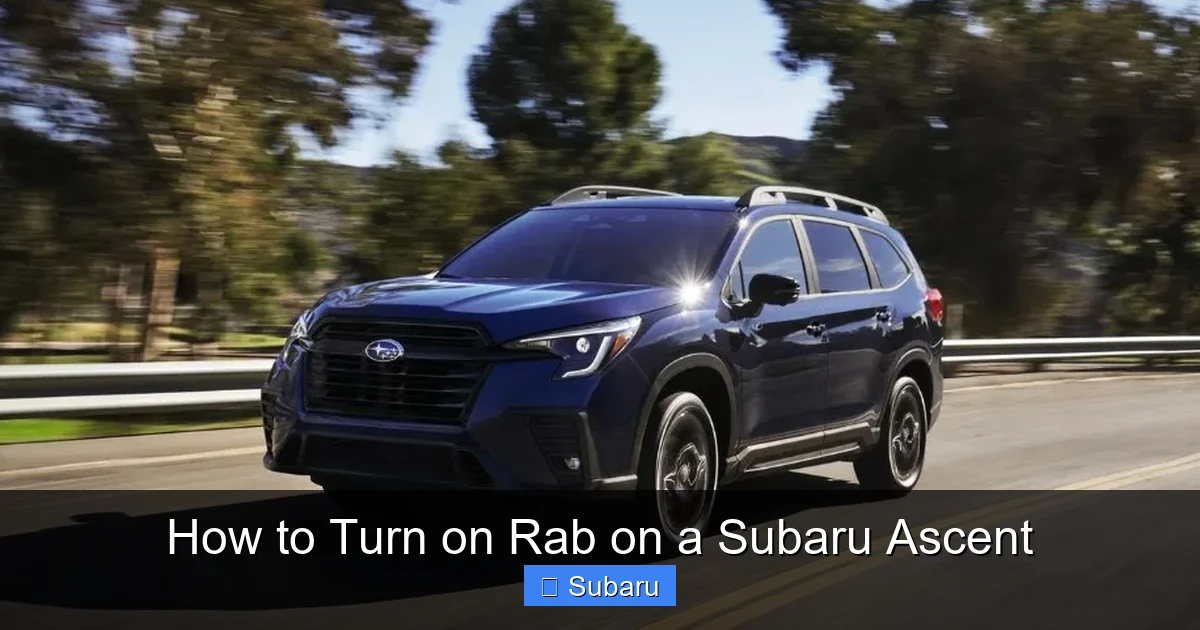
Visual guide about How to Turn on Rab on a Subaru Ascent
Image source: 2024subaru.com
Activating RAB on your Subaru Ascent is surprisingly simple—no tools or technical know-how required. Whether you’re a new owner or just forgot how to enable it, this guide will walk you through the process in just a few minutes.
Method 1: Using the Physical RAB Button
The quickest way to turn on RAB is by using the dedicated button on your center console. Here’s how:
1. **Start your vehicle** – Make sure the engine is running or the ignition is in the “On” position.
2. **Locate the RAB button** – It’s usually found on the center console, near the gear shifter. Look for a button labeled “RAB” or with a symbol of a car reversing with brake lines.
3. **Press the button** – A single press will toggle the system on or off. When RAB is active, a green indicator light on the button will illuminate.
4. **Confirm activation** – You may also see a confirmation message on your instrument cluster or infotainment screen.
That’s it! Once the light is on, RAB is ready to assist you whenever you shift into reverse.
Method 2: Using the Touchscreen Menu
If your Ascent doesn’t have a physical RAB button (some trims vary), or if you prefer using the touchscreen, you can enable it through the vehicle settings:
1. **Turn on the ignition** – Ensure the vehicle is powered up.
2. **Tap the “Settings” icon** – This is usually found on the home screen of your infotainment system.
3. **Navigate to “Vehicle” or “Safety” settings** – The exact wording may vary by model year.
4. **Select “Reverse Automatic Braking”** – Toggle the switch to “On.”
5. **Exit the menu** – The system will save your preference automatically.
After enabling RAB this way, it will remain active until you manually turn it off—either through the menu or by pressing the button (if available).
Pro Tip: Test It Safely
Once you’ve turned on RAB, it’s a good idea to test it in a safe, open area. Find an empty parking lot and place a soft object—like a cardboard box or traffic cone—behind your vehicle. Slowly reverse toward it. The system should alert you with a warning sound and, if you don’t stop, may apply the brakes.
This test helps confirm that RAB is working and gives you a feel for how it responds. Just remember: never rely solely on the system. Always check your surroundings manually.
When and How RAB Activates

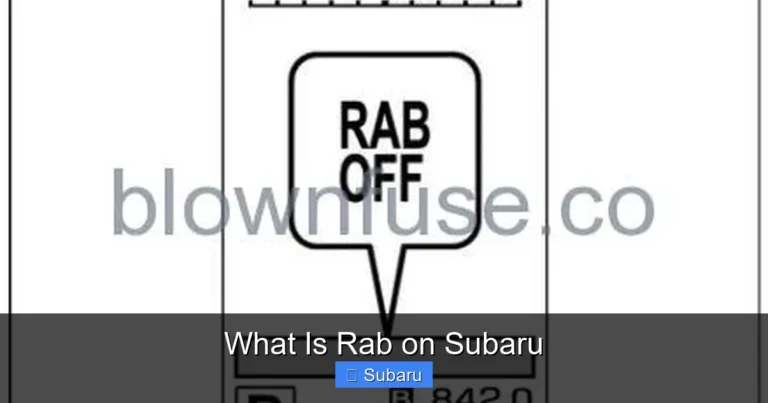
Visual guide about How to Turn on Rab on a Subaru Ascent
Image source: insidethehood.com
Understanding when RAB kicks in—and when it doesn’t—is key to using it effectively. This system isn’t designed to work in every situation, and knowing its limits helps you stay safe.
Activation Conditions
RAB operates under specific conditions:
– **Vehicle speed:** RAB only works when the Ascent is moving in reverse at speeds below 9 mph (about 14 km/h). At higher speeds, the system disengages because sudden braking could be dangerous.
– **Sensor range:** The rear sensors can detect objects within approximately 5 to 7 feet (1.5 to 2 meters) behind the vehicle.
– **Object size and position:** RAB is most effective at detecting larger, upright objects like walls, parked cars, or people. It may struggle with low curbs, small pets, or objects that are flush with the ground.
Warning Stages
RAB doesn’t just slam on the brakes without warning. It follows a two-stage alert system:
1. **Stage 1 – Visual and Audible Warning:** When an object is detected, you’ll hear a beeping sound and see a warning on your dashboard or rearview camera screen. This gives you time to react.
2. **Stage 2 – Automatic Braking:** If you don’t respond and the system determines a collision is unavoidable, it will apply the brakes automatically. You’ll feel a firm pulse in the brake pedal and hear a more urgent tone.
This staged approach gives you the chance to take control, but steps in when needed.
Real-World Example
Imagine you’re backing out of your garage. A backpack or toy is lying on the floor just behind your rear bumper. As you shift into reverse, RAB detects the object. First, you hear a soft beep and see a warning light. If you don’t stop, the system will apply the brakes before impact—potentially preventing damage or injury.
This kind of scenario is exactly why RAB was designed: to catch what you might miss.
Common Issues and Troubleshooting
Visual guide about How to Turn on Rab on a Subaru Ascent
Image source: 2024subaru.com
Even the best technology can run into hiccups. If RAB isn’t working as expected, don’t panic. Most issues are easy to fix with a little troubleshooting.
RAB Light Won’t Turn On
If pressing the RAB button doesn’t activate the green light, try these steps:
– **Check the ignition:** Make sure the vehicle is fully powered on. RAB won’t activate in accessory mode.
– **Look for error messages:** A message like “RAB Unavailable” may appear on your screen. This could indicate a sensor blockage or system fault.
– **Restart the vehicle:** Turn the car off, wait 30 seconds, and restart it. This can reset the system.
RAB Keeps Turning Off
Some drivers notice that RAB disables itself after a few uses. This can happen if:
– **The system detects a fault:** If a sensor is dirty or malfunctioning, RAB may disable itself as a safety precaution.
– **You manually turned it off:** Accidentally pressing the RAB button can deactivate it. Check the button light or menu setting.
– **Software glitch:** In rare cases, a software update may be needed. Visit a Subaru dealer for diagnostics.
False Alarms or No Response
If RAB triggers when there’s nothing behind you—or fails to react when there is—consider these causes:
– **Dirty sensors:** Dirt, snow, ice, or mud on the rear bumper can block sensor signals. Clean the area thoroughly with water and a soft cloth.
– **Obstructions:** Bike racks, trailers, or aftermarket accessories can interfere with sensor performance. Remove or adjust them if possible.
– **Weather conditions:** Heavy rain, fog, or snow can reduce sensor accuracy. Use extra caution in poor weather.
When to Visit a Dealer
If troubleshooting doesn’t resolve the issue, it’s time to see a professional. Persistent error messages, unresponsive buttons, or inconsistent braking behavior may indicate a hardware problem. Subaru dealerships have the tools and expertise to run diagnostics and repair or replace faulty components.
Maintenance Tips to Keep RAB Working Properly
Like any advanced system, RAB performs best when properly maintained. A little care goes a long way in ensuring it’s ready when you need it.
Keep Sensors Clean
The rear sensors are your first line of defense. Regular cleaning prevents false alarms and ensures accurate detection.
– **Wash your vehicle regularly:** Use a gentle car wash to remove dirt and grime.
– **Inspect after off-roading or winter driving:** Salt, mud, and debris can build up quickly.
– **Use a soft cloth:** Avoid abrasive materials that could scratch the sensors.
Check for Obstructions
Before long trips or after installing new accessories, inspect the rear bumper:
– **Remove bike racks or cargo carriers** when not in use.
– **Ensure license plates and stickers** aren’t covering sensor areas.
– **Avoid parking too close to walls or curbs** that could damage sensors.
Update Software When Needed
Subaru occasionally releases software updates that improve system performance. These can be installed at a dealership or, in some cases, over-the-air. Ask your service advisor during routine maintenance if any updates are available.
Test RAB Periodically
Make it a habit to test RAB every few months. A quick check in a safe area ensures the system is functioning and helps you stay familiar with its alerts.
Frequently Asked Questions About RAB
Can I permanently disable RAB?
Yes, you can turn off RAB using the button or menu, but it will reset to “on” each time you restart the vehicle. There’s no permanent disable option, which encourages safe driving habits.
Does RAB work at night?
Yes, RAB functions in low-light conditions, including nighttime. However, its effectiveness may decrease in very dark areas without ambient light.
Will RAB stop for animals or small objects?
RAB is designed for larger obstacles. It may not detect small animals, low curbs, or objects close to the ground. Always use caution when reversing.
Can RAB damage my brakes?
No, RAB uses the same braking system as normal operation. The automatic application is gentle and designed to prevent damage, not cause it.
Is RAB available on all Subaru Ascent trims?
RAB is standard on higher trims like Limited, Touring, and Premier. It may be optional or unavailable on base models. Check your owner’s manual or window sticker for confirmation.
Does RAB work with a trailer attached?
No, RAB is typically disabled when a trailer is connected, as the sensors may detect the trailer itself as an obstacle. Always use extra caution when reversing with a trailer.
Conclusion: Drive Smarter with RAB
The Subaru Ascent is built for families, adventures, and everyday reliability—and RAB is one of the many features that make it a standout in its class. By learning how to turn on RAB and understanding how it works, you’re not just activating a button; you’re adding a layer of intelligence to your driving.
This system won’t replace your attention, but it will support it. Whether you’re navigating a busy parking lot, backing into a tight garage, or simply want extra peace of mind, RAB is there to help. With regular maintenance and a little awareness of its limits, you can trust it to perform when it matters most.
So the next time you slide into your Ascent, take a moment to check that RAB is on. Press that button, listen for the confirmation, and drive with confidence. After all, safety isn’t just about avoiding accidents—it’s about being prepared for anything.
Frequently Asked Questions
What does RAB stand for in a Subaru Ascent?
RAB stands for Reverse Automatic Braking. It’s a safety feature that detects obstacles behind your vehicle when reversing and can automatically apply the brakes to prevent a collision.
How do I know if RAB is active on my Subaru Ascent?
When RAB is turned on, a green light on the RAB button (if your model has one) will illuminate. You may also see a confirmation message on your dashboard or infotainment screen.
Can RAB be turned off permanently?
No, RAB cannot be permanently disabled. It resets to “on” each time you restart the vehicle, encouraging consistent use of the safety feature.
Why is my RAB system not working?
Common reasons include dirty sensors, obstructions on the rear bumper, or a system fault. Clean the sensors and check for error messages. If the issue persists, visit a Subaru dealer.
Does RAB work in the rain or snow?
RAB can function in light rain or snow, but heavy precipitation or snow buildup on sensors may reduce its effectiveness. Always drive cautiously in adverse weather.
Is RAB the same as rear cross-traffic alert?
No, they’re different. Rear cross-traffic alert warns you of vehicles approaching from the sides when reversing, while RAB detects obstacles directly behind you and can apply the brakes.