How to Turn Off Shipping Mode on Nissan Altima

Contents
- 1 Key Takeaways
- 2 What Is Shipping Mode on a Nissan Altima?
- 3 Signs Your Nissan Altima Is Still in Shipping Mode
- 4 Why Shipping Mode Exists: The Purpose Behind the Feature
- 5 How to Turn Off Shipping Mode on a Nissan Altima (Step-by-Step)
- 6 Tips to Avoid Shipping Mode Issues in the Future
- 7 When to Seek Professional Help
- 8 Conclusion
- 9 Frequently Asked Questions

Solar Car Battery Maintainer

Rear View Camera
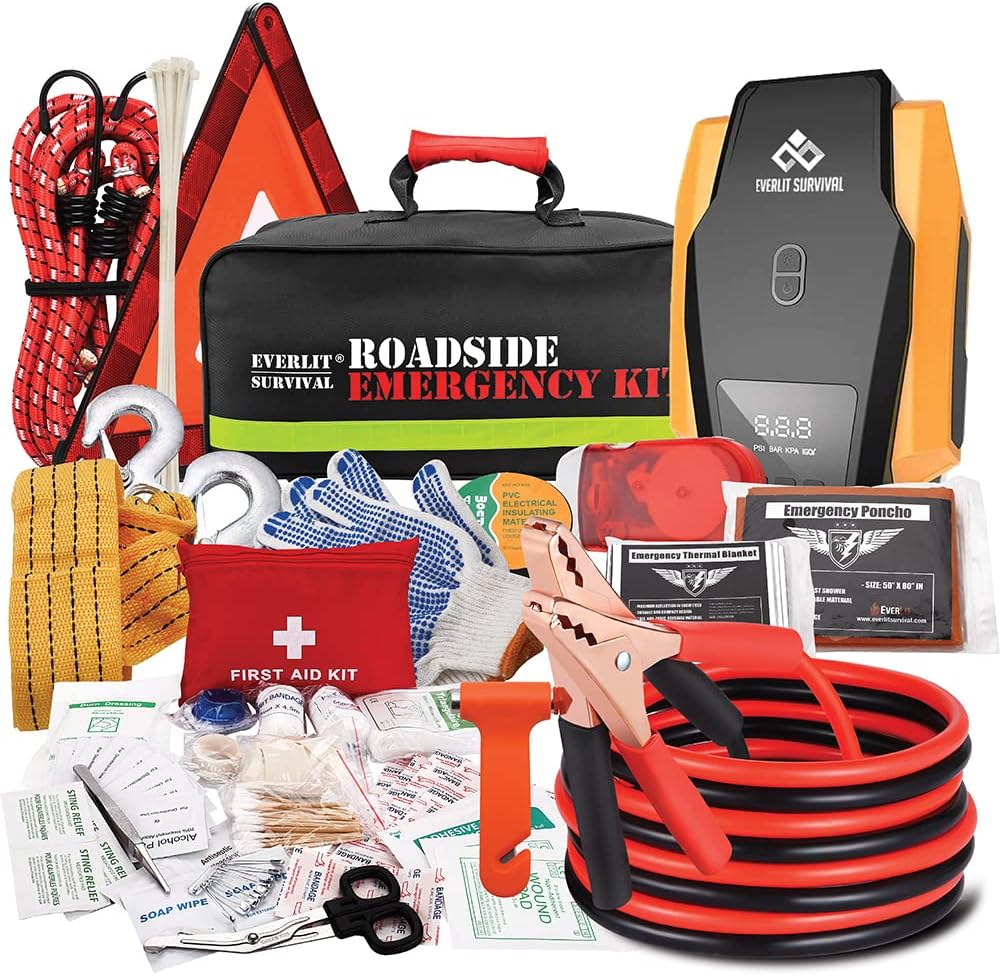
Car Emergency Roadside Kit

Car Glass Cleaner
Shipping mode on your Nissan Altima is a protective setting used during transport, but it can cause electrical issues if left on. This guide walks you through simple steps to disable it and restore full vehicle functionality.
This is a comprehensive guide about How to Turn Off Shipping Mode on Nissan Altima.
Key Takeaways
- Shipping mode limits electrical functions to preserve battery life during vehicle transport and storage.
- It’s commonly activated at the factory or dealership and must be turned off before regular use.
- Symptoms include dim lights, unresponsive infotainment, and warning lights on the dashboard.
- Disabling shipping mode typically requires a key fob sequence or OBD-II tool, depending on model year.
- Always consult your owner’s manual or a certified technician if unsure about the process.
- Leaving shipping mode on can drain the battery and prevent normal vehicle operation.
- Resetting may require reconnecting the battery or using diagnostic software for newer models.
[FEATURED_IMAGE_PLACEHOLDER]
What Is Shipping Mode on a Nissan Altima?
Shipping mode is a special factory setting designed to protect your Nissan Altima during transportation from the assembly plant to the dealership. Think of it like putting your car into a low-power “sleep” state—similar to how you might put a smartphone in airplane mode to save battery during a long flight. This mode reduces electrical load by disabling or limiting non-essential systems such as the infotainment screen, interior lights, power windows, and even some warning chimes. The goal is simple: preserve the 12-volt battery so your car starts reliably when it arrives at the dealer.
While shipping mode is helpful during logistics, it’s not meant to stay on once the vehicle reaches its destination. Unfortunately, sometimes it gets overlooked—especially if the car sits on the lot for a while or if the delivery process is rushed. When shipping mode remains active, drivers may notice strange behaviors: the radio won’t turn on, the climate control seems sluggish, or the dashboard shows odd warning lights that don’t match any known issue. In some cases, the car might even fail to start properly because critical systems are being restricted.
It’s important to understand that shipping mode isn’t a defect—it’s a feature. But just like you’d take your phone out of airplane mode after landing, you need to deactivate shipping mode before driving your Altima regularly. Ignoring it can lead to frustration, unexpected battery drain, and even missed appointments if your car won’t start one morning. The good news? Turning it off is usually straightforward, especially if you know what to look for and how your specific model handles the reset.
Signs Your Nissan Altima Is Still in Shipping Mode
How do you know if your Nissan Altima is stuck in shipping mode? The symptoms are often subtle at first but become more noticeable over time. One of the most common signs is dim or non-functional interior lighting—especially when you open the doors or turn on the headlights. You might also notice that the infotainment system takes longer than usual to boot up, or it doesn’t respond at all when you press the power button. Some drivers report that the steering wheel controls, USB ports, or even the rearview camera seem unresponsive.
Another red flag is unusual dashboard behavior. For example, you might see warning lights flicker briefly when starting the car, or the instrument cluster displays messages like “System Initializing” repeatedly. In newer Altima models (2019 and later), shipping mode can also affect advanced driver-assistance systems (ADAS), such as blind-spot monitoring or automatic emergency braking, causing them to appear offline or disabled in the settings menu.
Battery-related issues are another strong indicator. If your Altima struggles to start after sitting overnight—even though the battery is relatively new—it could be because shipping mode is preventing the vehicle from entering a proper sleep cycle. This constant low-level electrical activity drains the battery faster than normal. Additionally, if you’ve recently purchased a new or certified pre-owned Altima and these quirks appeared right away, there’s a good chance shipping mode was never deactivated at the dealership.
Keep in mind that not all symptoms are exclusive to shipping mode. A weak battery, faulty alternator, or wiring issue could mimic similar problems. That’s why it’s wise to rule out basic causes first—check your battery voltage with a multimeter (it should read around 12.6 volts when off and 13.7–14.7 volts when running). If everything checks out electrically but your car still acts “off,” shipping mode is likely the culprit.
Why Shipping Mode Exists: The Purpose Behind the Feature
Nissan—and most major automakers—use shipping mode to solve a real-world problem: protecting vehicles during long-distance transport. Imagine thousands of cars being shipped across the country by rail or truck. Each vehicle has a fully charged battery at the factory, but if all electrical systems remained active during transit, that charge would deplete within days. By activating shipping mode, Nissan ensures that only essential functions (like immobilizer security) remain online, while everything else is powered down or limited.
This approach saves money and reduces headaches for dealerships. Without shipping mode, dealers would have to jump-start or replace batteries on nearly every incoming vehicle—a costly and time-consuming process. It also minimizes the risk of electrical faults caused by prolonged partial power states, which can confuse onboard computers and lead to error codes. In essence, shipping mode acts as a digital hibernation mode, keeping the car “alive” just enough to be functional upon arrival.
For consumers, this means your new Altima arrives ready to drive—but only after the mode is turned off. Unfortunately, communication gaps sometimes occur between delivery teams and sales staff, leading to vehicles being handed over to customers still in shipping mode. This isn’t negligence per se; it’s more about process oversight. That’s why it’s always a good idea to ask your salesperson or service advisor to confirm that shipping mode has been disabled before driving off the lot.
How to Turn Off Shipping Mode on a Nissan Altima (Step-by-Step)
The method for disabling shipping mode varies slightly depending on your Altima’s model year and trim level. However, the most common and reliable approach involves using the key fob in a specific sequence. This works for most Altimas from 2013 through 2024. Before you begin, make sure the car is parked in a safe, flat area with the engine off and all doors closed.
Method 1: Key Fob Reset (Most Common)
Start by standing within a few feet of your Altima with the key fob in hand. Press and hold the LOCK button on the fob for about 10 seconds. While still holding LOCK, press the UNLOCK button three times in quick succession. Release both buttons. You should hear the hazard lights flash once or twice—this indicates the system is responding. Next, get inside the car, close all doors, and insert the key into the ignition (or press the start button if you have push-button ignition). Turn the key to the “ON” position (but don’t start the engine) and wait 10–15 seconds. Then turn it back to “OFF.” Repeat this ON/OFF cycle two more times. On the third cycle, leave the key in the “ON” position and wait for the dashboard lights to stabilize. Finally, start the engine. If successful, all systems should now function normally.
Method 2: Battery Disconnect (Fallback Option)
If the key fob method doesn’t work—or if you don’t have access to the original fob—you can try disconnecting the battery. Turn off the engine and remove the key. Open the hood and locate the negative (-) terminal on the 12-volt battery. Use a wrench to loosen the nut and carefully remove the cable. Wait at least 15 minutes to allow the vehicle’s computer systems to fully reset. Reconnect the cable securely and tighten the nut. Start the car and check if the symptoms have resolved. Note: This method may reset other settings like radio presets or clock time, so be prepared to reconfigure them.
Method 3: OBD-II Scanner (For Advanced Users)
Newer Altima models (especially 2020+) may require a diagnostic tool to fully exit shipping mode. If you own an OBD-II scanner with Nissan-specific software (like Nissan Consult-III or aftermarket tools such as Foxwell NT530), you can connect it to the port under the dashboard (usually near the driver’s knee). Follow the scanner’s prompts to access the “Transport Mode” or “Shipping Mode” menu and select “Disable.” This method is often used by dealerships and certified technicians but can be performed at home if you have the right equipment.
Always refer to your owner’s manual for model-specific instructions. If none of these methods work, or if you’re uncomfortable performing them yourself, visit a Nissan dealership or trusted mechanic. They can verify the status of shipping mode and disable it using factory tools.
Tips to Avoid Shipping Mode Issues in the Future
Prevention is always better than troubleshooting. If you’re buying a new or certified pre-owned Nissan Altima, make it a habit to ask the salesperson or service manager whether shipping mode has been disabled. A simple confirmation can save you hours of confusion later. Many dealerships now include this step in their pre-delivery inspection (PDI) checklist, but it doesn’t hurt to double-check.
If you’re purchasing a used Altima privately, consider having a pre-purchase inspection done by a Nissan specialist. They can scan the vehicle’s computer systems and confirm that all modes—including shipping mode—are properly configured. This is especially important for cars that have been sitting on lots for extended periods or imported from other regions.
For current owners, keep an eye on your car’s electrical behavior. If you notice sudden changes in how systems respond—like slower infotainment startup or unresponsive buttons—shipping mode might have been accidentally reactivated (though this is rare). Also, avoid using third-party battery chargers or jump starters unless necessary, as improper use can sometimes trigger protective modes in modern vehicles.
Finally, stay informed. Nissan occasionally releases technical service bulletins (TSBs) related to shipping mode or battery management. You can check for updates on the official Nissan website or through your local dealer. Subscribing to owner forums or communities can also help you learn from others’ experiences and catch potential issues early.
When to Seek Professional Help
While turning off shipping mode is usually a DIY-friendly task, there are situations where professional assistance is the best choice. If your Altima is still under warranty, attempting complex resets yourself could void certain coverage terms—especially if you damage wiring or modules during the process. In such cases, it’s safer to let a certified technician handle it.
Additionally, if disabling shipping mode doesn’t resolve the electrical issues, there may be an underlying problem. For example, a failing body control module (BCM), corroded ground connections, or a defective battery sensor could mimic shipping mode symptoms. A professional diagnostic scan can pinpoint the real cause and prevent unnecessary repairs.
Lastly, if your Altima is a hybrid model (like the e-POWER variants available in some markets), the process may involve high-voltage systems that require specialized training to handle safely. Never attempt to work on hybrid components unless you’re qualified—electric shock risk is real and serious.
Conclusion
Shipping mode on your Nissan Altima is a helpful feature—but only when it’s used correctly. Designed to protect your vehicle during transport, it should be disabled before you hit the road. Recognizing the signs—dim lights, unresponsive controls, or odd dashboard behavior—can save you from frustration and potential breakdowns. Fortunately, turning it off is often as simple as a key fob sequence or a quick battery reset.
Whether you’re a new Altima owner or troubleshooting an older model, this guide equips you with the knowledge to restore full functionality safely. Remember: when in doubt, consult your owner’s manual or reach out to a Nissan professional. Your car deserves to run at its best—and that starts with making sure it’s truly “awake.”
Frequently Asked Questions
How do I know if my Nissan Altima is in shipping mode?
Common signs include dim interior lights, unresponsive infotainment system, slow startup, and dashboard warning lights that don’t match any known issue. If your car acts “sluggish” electrically after purchase, shipping mode may still be active.
Can I drive my Altima while it’s in shipping mode?
Technically yes, but it’s not recommended. Shipping mode restricts key systems and can drain the battery quickly, potentially leaving you stranded. It’s best to disable it as soon as possible.
Does turning off shipping mode require special tools?
Most models only need the key fob and basic steps. However, newer Altimas (2020+) may require an OBD-II scanner with Nissan software for a complete reset.
Will disabling shipping mode affect my warranty?
No, as long as you follow proper procedures. Using the key fob method or battery disconnect won’t void your warranty. Avoid tampering with wiring or modules unnecessarily.
What if the key fob method doesn’t work?
Try disconnecting the battery for 15 minutes, or use an OBD-II scanner. If issues persist, visit a Nissan dealer—they have factory tools to diagnose and fix the problem.
Can shipping mode turn back on by itself?
It’s extremely rare. Shipping mode is manually activated at the factory and shouldn’t re-engage unless the vehicle undergoes a major electrical reset or repair involving the body control module.