How to Take Out a Car Battery
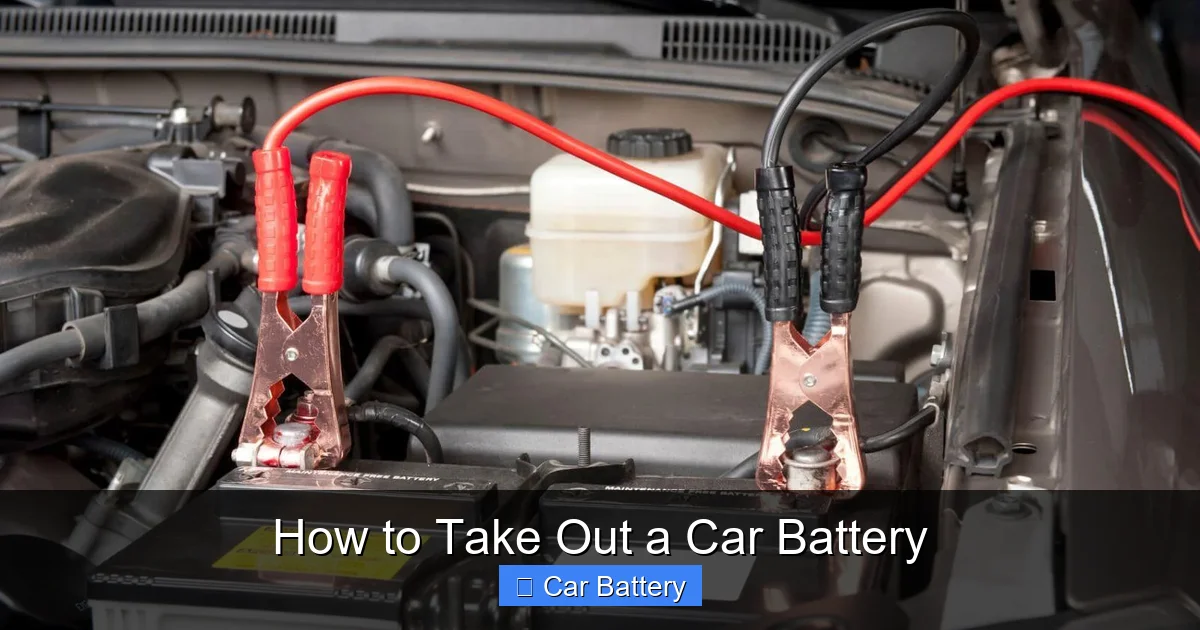
Taking out a car battery is simpler than you think—if you follow the right steps. This guide walks you through the entire process safely, from disconnecting terminals to proper disposal, so you can avoid sparks, damage, or injury.
In This Article
- 1 Key Takeaways
- 2 📑 Table of Contents
- 3 Why You Might Need to Take Out a Car Battery
- 4 Safety Precautions Before Starting
- 5 Tools and Materials You’ll Need
- 6 Step-by-Step Guide to Removing the Car Battery
- 7 What to Do with the Old Battery
- 8 Common Mistakes to Avoid
- 9 When to Call a Professional
- 10 Conclusion
- 11 Frequently Asked Questions
- 11.1 Can I take out a car battery without disconnecting anything?
- 11.2 What happens if I disconnect the positive terminal first?
- 11.3 How do I know if my battery is dead or just needs a jump?
- 11.4 Can I reuse the old battery terminals?
- 11.5 Is it safe to store a car battery indoors?
- 11.6 Do I need to reset my car after replacing the battery?
Key Takeaways
- Safety first: Always wear gloves and safety goggles to protect against acid and sparks.
- Disconnect the negative terminal first: This prevents short circuits and accidental shocks.
- Use the right tools: A wrench or socket set (usually 10mm or 13mm) is essential for loosening terminal clamps.
- Check for hold-down clamps: Most batteries are secured with a bracket or strap that must be removed before lifting.
- Lift with care: Car batteries are heavy (30–50 lbs)—use proper lifting technique to avoid injury.
- Dispose responsibly: Take old batteries to recycling centers or auto parts stores—never throw them in the trash.
- Test before replacing: Use a multimeter to confirm if the battery is truly dead or if another issue exists.
📑 Table of Contents
Why You Might Need to Take Out a Car Battery
There are several reasons you might find yourself needing to take out a car battery. Maybe your car won’t start, and you suspect the battery is dead. Or perhaps you’re replacing an old battery with a new one. Sometimes, you might need to remove the battery to access other engine components during repairs. In colder climates, batteries lose efficiency over time, and winter is a common season for replacements. Even if your car starts fine, most experts recommend replacing your battery every 3 to 5 years to avoid unexpected failure.
It’s also worth noting that modern vehicles rely heavily on electrical systems—from infotainment to engine management. A weak or failing battery can cause strange electrical glitches, dim lights, or slow cranking. If you’ve noticed any of these signs, it’s a good idea to inspect or replace the battery. Taking out a car battery isn’t just for mechanics—it’s a skill every car owner should know. With the right tools and a bit of caution, you can do it yourself in under 30 minutes.
Safety Precautions Before Starting
Visual guide about How to Take Out a Car Battery
Image source: backyardbins.com.au
Before you even touch the battery, safety should be your top priority. Car batteries contain sulfuric acid and produce flammable hydrogen gas, so a single spark could lead to an explosion. That’s why it’s critical to take precautions. Start by parking your car on a flat, dry surface and turning off the engine. Make sure the headlights, radio, and all electrical accessories are off. This reduces the risk of drawing power while you work.
Next, put on protective gear. Wear safety goggles to shield your eyes from acid splashes and gloves—preferably rubber or nitrile—to protect your skin. Avoid wearing jewelry, especially metal rings or watches, as they can conduct electricity. If you’re working in a garage, ensure the space is well-ventilated. Never smoke or use open flames near the battery. Even a small spark from a tool touching metal can ignite gases.
Another important step is disconnecting the battery properly. Always remove the negative terminal first. Why? Because the negative terminal is connected to the car’s chassis (the ground). If you disconnect the positive first and your wrench touches both the terminal and any metal part of the car, you could create a short circuit. That can cause sparks, damage electronics, or even start a fire. By removing the negative first, you eliminate the risk of grounding the circuit accidentally.
Tools and Materials You’ll Need
Visual guide about How to Take Out a Car Battery
Image source: s.yimg.com
You don’t need a full toolbox to take out a car battery, but having the right tools makes the job much easier and safer. Here’s a quick list of what you’ll need:
– A wrench or socket set (typically 10mm or 13mm, but check your vehicle’s manual)
– Safety gloves and goggles
– A battery terminal cleaner or wire brush (optional, but helpful)
– A battery carrier strap or handle (optional, for easier lifting)
– A multimeter (to test voltage before and after)
– Baking soda and water (for cleaning corrosion, if needed)
– A container or bag for the old battery
Most modern cars use standard-sized terminals, so a basic wrench set should work. However, some European or luxury vehicles may require specialty tools. If you’re unsure, consult your owner’s manual or look up your car’s make and model online. A multimeter is especially useful—it lets you check the battery’s voltage to confirm whether it’s truly dead or just needs a jump.
If you’re planning to replace the battery, bring the old one with you when buying a new one. Many auto parts stores offer discounts or free installation if you recycle your old battery. Plus, they can help you choose the right replacement based on your vehicle’s specifications.
Step-by-Step Guide to Removing the Car Battery
Visual guide about How to Take Out a Car Battery
Image source: i.ytimg.com
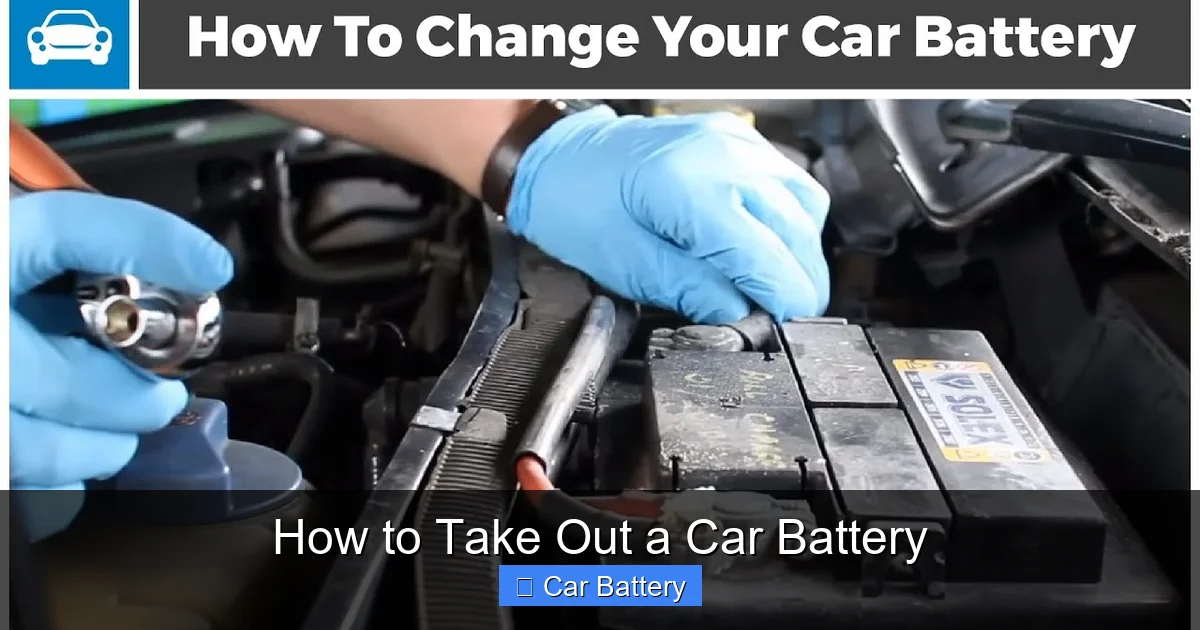
Now that you’re prepared, let’s walk through the actual process of taking out a car battery. Follow these steps carefully to ensure a smooth and safe removal.
Step 1: Locate the Battery
In most cars, the battery is under the hood, usually on the driver’s or passenger’s side. However, some vehicles—especially hybrids or luxury models—may have the battery in the trunk, under the rear seat, or even in the wheel well. Check your owner’s manual if you can’t find it. Once located, open the hood and secure it with the prop rod.
Step 2: Identify the Terminals
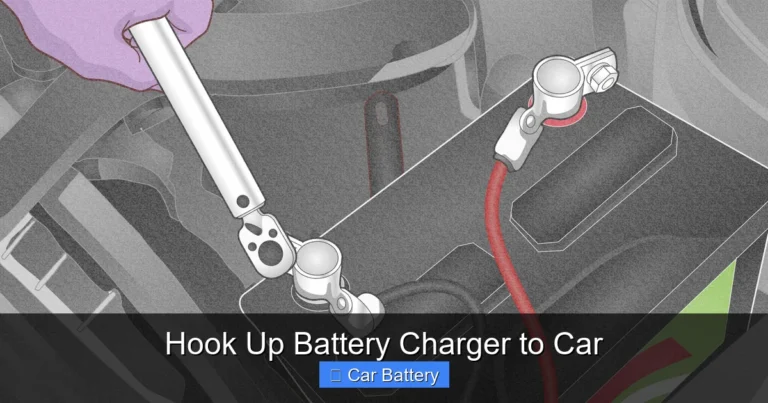
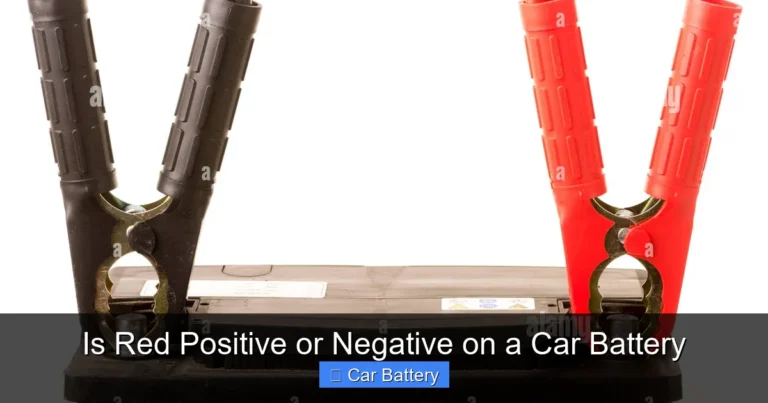
Look for two cables connected to the battery: one red (positive) and one black (negative). The positive terminal usually has a “+” sign and may be covered with a red plastic cap. The negative terminal has a “–” sign and is often bare metal. Double-check the colors and symbols to avoid confusion.
Step 3: Disconnect the Negative Terminal First
Using your wrench or socket, loosen the nut on the negative terminal clamp. Turn it counterclockwise until the clamp is loose enough to wiggle free. Once it’s loose, carefully lift the clamp off the terminal and tuck it aside—away from any metal parts. Never let it touch the positive terminal or the car’s frame.
Step 4: Disconnect the Positive Terminal
Now, repeat the process with the positive terminal. Loosen the nut, remove the clamp, and set it aside. Again, keep it away from the negative terminal and any grounded metal. At this point, the battery is electrically disconnected from the car.
Step 5: Remove the Hold-Down Clamp or Bracket
Most batteries are secured with a metal or plastic clamp that holds them in place. This is usually attached to the battery tray with bolts or a wing nut. Use your wrench to remove these fasteners. Some vehicles have a strap across the top of the battery—lift it up or unscrew it carefully. Be gentle; these parts can be brittle with age.
Step 6: Lift the Battery Out
Car batteries are heavy—typically between 30 and 50 pounds—so lift with your legs, not your back. If the battery has a handle or you’re using a carrier strap, use it. Grasp the battery firmly on both sides and lift straight up. Avoid tilting it, as this could spill acid. Place the battery on a stable, non-conductive surface like a wooden board or plastic tray.
Step 7: Clean the Tray and Terminals (Optional)
While the battery is out, take a moment to inspect the battery tray and cable terminals. If you see white or greenish powder (corrosion), mix a tablespoon of baking soda with a cup of water and scrub the area with an old toothbrush. Rinse with clean water and dry thoroughly. This helps ensure a good connection when you install the new battery.
What to Do with the Old Battery
Once you’ve taken out the car battery, you can’t just toss it in the trash. Car batteries contain lead and sulfuric acid, both of which are hazardous to the environment. In most places, it’s illegal to dispose of them in regular waste. Instead, take your old battery to a recycling center, auto parts store, or hazardous waste facility.
Many retailers—like AutoZone, O’Reilly, or Advance Auto Parts—offer free battery recycling. Some even give you a discount on a new battery when you bring in the old one. When transporting the battery, place it in a sturdy, leak-proof container. Keep it upright to prevent acid spills, and avoid placing it in the passenger compartment of your car. If you’re driving home with it, secure it in the trunk or back seat with a non-conductive mat underneath.
If you’re not replacing the battery right away, store it in a cool, dry place away from children and pets. Never store a battery on concrete—contrary to popular belief, modern batteries won’t discharge faster on concrete, but it’s still best to keep them off the ground to prevent moisture buildup.
Common Mistakes to Avoid
Even simple tasks like taking out a car battery can go wrong if you’re not careful. Here are some common mistakes and how to avoid them:
– Disconnecting the positive terminal first: This is the #1 mistake. Always remove the negative terminal first to prevent short circuits.
– Using the wrong tools: Using pliers or adjustable wrenches can slip and cause sparks. Stick to a proper wrench or socket set.
– Forgetting to secure the hold-down clamp: If you skip this step, the battery could shift while driving, causing damage or a fire.
– Lifting improperly: Bending over to lift a heavy battery can strain your back. Always bend your knees and keep your back straight.
– Ignoring corrosion: Corrosion on terminals can weaken connections. Clean it off before installing a new battery.
– Not testing the battery: Sometimes the issue isn’t the battery—it could be the alternator or starter. Use a multimeter to check voltage (12.6V or higher when off, 13.7–14.7V when running).
When to Call a Professional
While taking out a car battery is a DIY-friendly task, there are times when it’s best to call a professional. If your battery is located in a hard-to-reach area—like under the rear seat or behind a panel—you might need special tools or experience to access it safely. Hybrid and electric vehicles often have high-voltage systems that require certified technicians to handle.
If you’re uncomfortable working with electrical systems or don’t have the right tools, don’t risk it. A mechanic can remove and replace the battery quickly and safely. They can also test your charging system to make sure the new battery will last. Additionally, if your car has a battery management system (common in newer models), disconnecting the battery may reset error codes or require a reset procedure—something a professional can handle.
Conclusion
Taking out a car battery is a straightforward process when you follow the right steps and prioritize safety. From wearing protective gear to disconnecting terminals in the correct order, every detail matters. With the tools and knowledge in this guide, you can confidently remove your battery, whether you’re replacing it or performing maintenance.
Remember, car batteries don’t last forever. Regular checks and timely replacements can save you from being stranded with a dead car. And when it’s time to recycle, do your part for the environment by taking the old battery to a proper facility. With a little practice, you’ll find that maintaining your car’s electrical system is easier than you thought.
Frequently Asked Questions
Can I take out a car battery without disconnecting anything?
No, you should always disconnect the terminals before removing the battery. Failing to do so can cause short circuits, damage electronics, or create sparks that could ignite flammable gases.
What happens if I disconnect the positive terminal first?
Disconnecting the positive terminal first increases the risk of a short circuit. If your tool touches both the positive terminal and any grounded metal part of the car, it can cause sparks, damage the battery, or even start a fire.
How do I know if my battery is dead or just needs a jump?
Use a multimeter to check the voltage. A healthy battery should read around 12.6 volts when the car is off. If it’s below 12 volts, it may be dead. If it reads low but jumps successfully, the issue might be the alternator or starter.
Can I reuse the old battery terminals?
Yes, in most cases, you can reuse the terminals if they’re not corroded or damaged. Clean them with a wire brush and baking soda solution before reinstalling. However, if they’re cracked or loose, replace them for safety.
Is it safe to store a car battery indoors?
Yes, but only in a cool, dry place away from heat sources and out of reach of children and pets. Never store a battery on concrete, and keep it upright to prevent acid leaks.
Do I need to reset my car after replacing the battery?
Some modern cars may require a reset for the radio, clock, or engine control unit. Check your owner’s manual. In most cases, basic functions will reset automatically, but you might need to re-enter security codes or drive the car for a short time to recalibrate systems.