How to Store a Jeep Soft Top

Contents
- 1 Key Takeaways
- 2 📑 Table of Contents
- 3 Why Proper Storage is Non-Negotiable for Your Soft Top
- 4 Pre-Storage Preparation: The Critical First Steps
- 5 Mastering the Fold: Model-Specific Techniques
- 6 Choosing the Perfect Storage Spot: Location, Location, Location
- 7 Long-Term Storage Maintenance and Seasonal Care
- 8 Conclusion: A Simple Practice for a Long-Lasting Top
- 9 Frequently Asked Questions

Car Seat Cover (Universal Fit)

Car Hydraulic Jack

Car Paint Touch Up Pen

Windshield Washer Fluid
Storing your Jeep soft top correctly is crucial for preventing costly damage from UV rays, mildew, and improper folding. Always clean and fully dry the top before storage, then fold it using the manufacturer’s recommended method for your specific Jeep model. Choose a cool, dry, dark location like a garage and protect it with a breathable cover, avoiding extreme temperatures and direct sunlight to keep it in prime condition for years.
So, you’ve decided to take the doors and top off your Jeep for the season, or maybe you’re swapping to a hardtop for the winter. Fantastic! That’s one of the best parts of owning a Wrangler. But now you’re faced with a big, floppy, expensive piece of vinyl or fabric. What in the world do you do with it? Simply throwing it in the corner of the garage or leaving it outside is a surefire way to ruin it. Learning how to store a Jeep soft top properly is one of the most important skills a Jeep owner can have. It protects your investment, saves you from a costly replacement, and ensures it’s ready to go the moment you want the wind in your hair again. This guide will walk you through every single step, from pre-storage cleaning to the perfect long-term spot, making the process simple and foolproof.
First, let’s address the elephant in the room: your soft top is not just a tarp. It’s a complex system of vinyl or Sailcloth, fabric windows, plastic zippers, metal bows, and tension straps. Each component has its own vulnerabilities. UV radiation from the sun is public enemy number one, breaking down the material and causing it to become brittle and discolored. Moisture is a close second, leading to mildew, staining, and even rot in the fabric layers. Improper folding creates sharp creases that can crack vinyl or damage window inserts. And weight? That’s another factor. If you’ve ever wondered about the actual weight of your top before handling it, understanding its heft helps you plan for safe storage and folding. You need to treat it with respect, and that starts with a plan. We’ll break it down into clear, manageable stages.
Key Takeaways
- Clean and Dry Thoroughly: Always wash the top with a mild soap and let it air dry completely to prevent mildew and stains.
- Fold Correctly for Your Model: Follow Jeep’s specific folding procedure (e.g., for JK/JL vs. TJ/YJ) to avoid stressing zippers, seams, and windows.
- Store in a Cool, Dry Place: Ideal storage is indoors, away from UV light, extreme heat, and humidity to prevent material degradation.
- Use a Protective, Breathable Cover: Shield from dust and pests with a cotton or canvas cover, never plastic, which traps moisture.
- Avoid Common Pitfalls: Never store a damp or rolled-up top, and don’t place heavy items on it that can cause permanent creases.
- Periodic Inspection is Key: Check the stored top every few months for signs of stress, moisture, or pest activity.
📑 Table of Contents
- Why Proper Storage is Non-Negotiable for Your Soft Top
- Pre-Storage Preparation: The Critical First Steps
- Mastering the Fold: Model-Specific Techniques
- Choosing the Perfect Storage Spot: Location, Location, Location
- Long-Term Storage Maintenance and Seasonal Care
- Conclusion: A Simple Practice for a Long-Lasting Top
Why Proper Storage is Non-Negotiable for Your Soft Top
Before we dive into the “how,” let’s hammer home the “why.” Skipping proper storage isn’t just a minor inconvenience; it’s a direct path to a ruined top. The cost of a new factory soft top can run into the thousands, and aftermarket options, while sometimes cheaper, are still a significant investment. Proper storage preserves its value, functionality, and appearance.
The Silent Killers: UV Rays and Heat
Sunlight is the most potent destroyer of soft top materials. The UV rays break down the polymers in vinyl and the dyes in fabric, leading to a process called “chalking” (a white, powdery residue) and significant fading. What was once a deep black or vibrant color will turn a dull gray. More critically, this breakdown makes the material stiff and brittle. Once that happens, the first time you try to fold it, you’ll likely hear and feel cracks forming. Heat accelerates this process and can also warp the plastic window panels and distort the metal bows. Storing your top in a hot attic or a car with no shade is practically a death sentence.
The Mold and Mildew Menace
Moisture is the other primary antagonist. If your top is even slightly damp when stored—from rain, washing, or morning dew—it becomes a breeding ground for mold and mildew. These fungi don’t just create ugly black spots; they actually digest the organic and synthetic components of your top. The stains are often permanent, and the material can become weak and torn at the affected points. A musty smell is a clear indicator of a storage mistake. The key is absolute dryness before it ever touches a storage surface.
Physical Damage from Poor Folding and Placement
How you fold your top is 50% of the battle. A haphazard, rolled-up bundle creates extreme stress points. The folds should be along the existing, factory-created seams and bow lines as much as possible. Sharp, new creases across the vinyl or, worse, across the plastic rear window, will cause cracking over time. Additionally, placing heavy items on top of the stored top, or storing it under something sharp, will create permanent dents and pressure marks that can’t be removed. The goal is to store it in a way that mimics its natural, installed state—supported and relaxed.
Pre-Storage Preparation: The Critical First Steps
You cannot overestimate the importance of the prep work. Rushing this stage guarantees problems later. Think of it as prepping a classic car for winter hibernation. This is where you set the stage for a perfect storage outcome.
Visual guide about How to Store a Jeep Soft Top
Image source: jeepfixes.com
Step 1: A Meticulous Clean
Dirt, bird droppings, tree sap, and road grime are not just unsightly; they are abrasive and acidic. Left on the material, they will continue to degrade it while in storage. Use a dedicated soft top cleaner or a mild automotive soap (like a baby shampoo alternative) and a soft sponge or microfiber mitt. Avoid harsh household cleaners or abrasive brushes. Pay special attention to the seams, where dirt loves to accumulate. For stubborn stains or sticky residues, let the soapy water sit on the spot for a minute before gently agitating. Rinse thoroughly with a low-pressure hose or buckets of clean water to remove all soap residue, which itself can attract dirt.
Step 2: The Ultimate Dry
This is the most important step after cleaning. The top must be 100% bone dry, inside and out. This means more than just surface dry. The multiple layers of fabric and vinyl, especially around the seams and in the folded areas, can hold trapped moisture. The best method is to let it air dry completely in a shaded, well-ventilated area. Do not use a leaf blower or high-pressure air, as this can force moisture deeper into seams. If you’re in a humid climate, you may need to let it dry for 24-48 hours. A good trick is to prop it up in a “tent” shape to allow air to circulate on all surfaces. Never, ever fold or store a top that is even faintly damp to the touch.
Step 3: Inspection and Minor Repairs
With the top clean and dry, give it a full inspection under good light. Look for:
- Small Tears or Abrasions: These can be repaired with a soft top repair kit before they become larger.
- Zipper Issues: Check for missing teeth, corrosion, or difficulty zipping. Clean zipper teeth with a toothbrush and apply a silicone-based lubricant (like a zipper lube or even a tiny bit of beeswax) to ensure smooth operation when you reinstall.
- Seam Stress: Look for any separation at the seams, especially where the vinyl meets the fabric or where the bows attach.
- Window Condition: Check plastic rear and quarter windows for scratches, hazing, or cracks. These are often the first things to fail.
Fixing these small issues now is far easier and cheaper than dealing with a catastrophic failure later. If you find significant damage, it might be time to consult a professional upholstery shop that specializes in Jeep tops.
Step 4: Remove All Attachments and Hardware
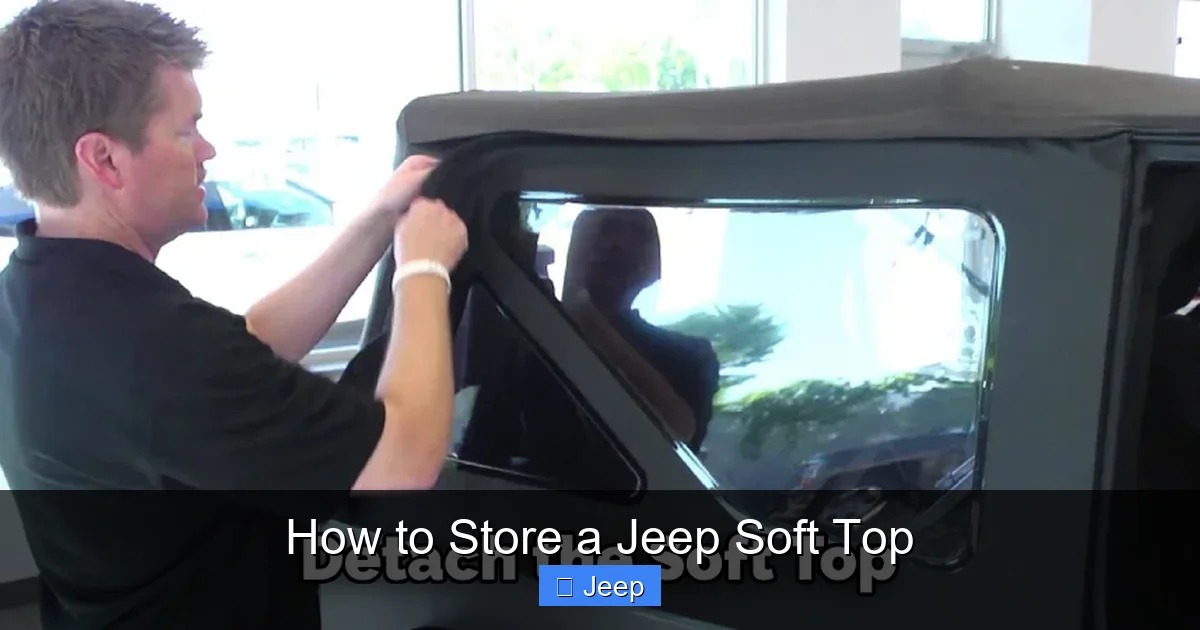
Before folding, detach everything. This includes the overhead bow (if removable), the rear window zipper pull, any tension straps, and the side retention straps. Store these small parts in a labeled ziplock bag and tape it to the top’s storage bag or box. This prevents loss and makes reinstallation easier. It also ensures you don’t have hard bits digging into the vinyl during storage.
Mastering the Fold: Model-Specific Techniques
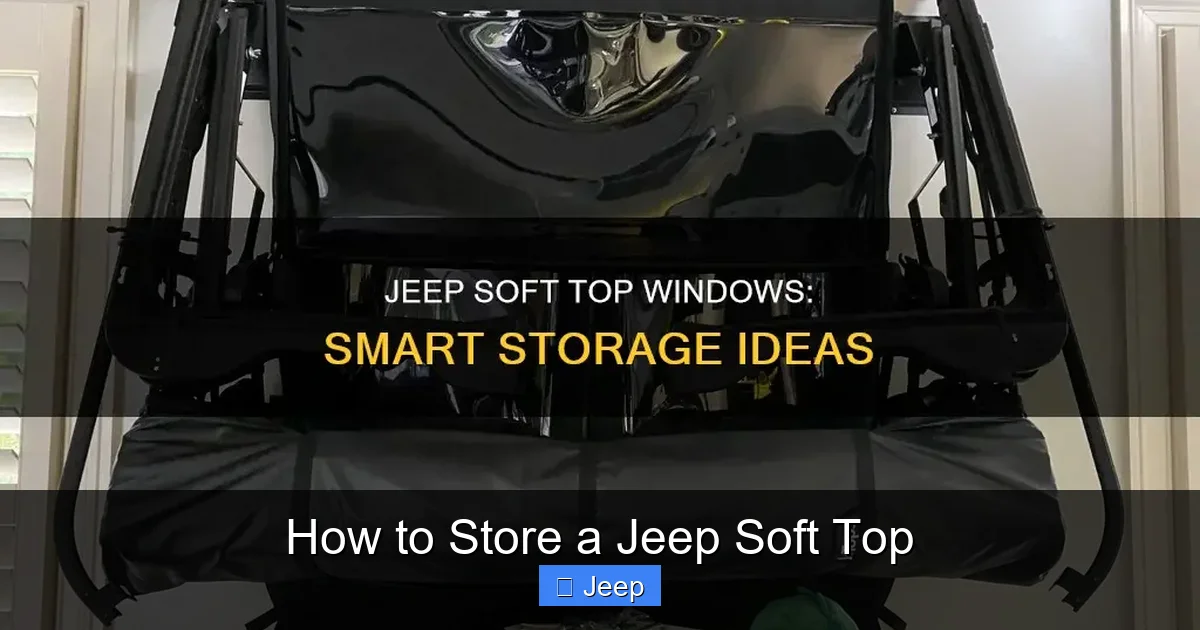
This is the hands-on part that causes the most anxiety. The folding method is NOT one-size-fits-all. Jeep changed the design and hardware significantly between the TJ/YJ era and the JK/JL/JT era. Folding a newer top the “old way” will damage it. You must identify your Jeep’s generation and follow the correct procedure.
Visual guide about How to Store a Jeep Soft Top
Image source: shunauto.com
Folding a TJ/YJ (1997-2006) Classic Soft Top
The classic TJ/YJ top has a simple, manual system with a rear window that rolls up. The fold is essentially a “triangle” or “envelope” fold.
- Start with the top fully installed and all windows up.
- Unzip the rear window completely and roll it up to the top of the opening. Secure the roll with the Velcro strap.
- Unclip the front header from the windshield surround.
- Lift the entire top assembly up and forward. It will pivot on the rear corners.
- Fold the front section (the part that goes over the windshield) down onto the main body of the top.
- Then, fold the entire assembly in half, bringing the rear bow forward to meet the front.
- Finally, fold the sides inward, creating a compact rectangular bundle. The goal is to have all the seams and bows aligned neatly.
Pro Tip: Having a second person is immensely helpful for this model to control the floppy top and prevent it from dragging on the ground.
Folding a JK/JL/JT (2007-Present) Premium/Sun Rider/Sky Top
The newer tops are more complex, with a separate rear window that often zips out, and a different bow system. They typically fold into a more compact, square shape.
- Fully unzip and remove the rear window. Roll it up and store it separately in its bag.
- Unclip the front header from the windshield.
- Locate the release levers or clips on the side bars (the bows that run along the sides). These allow the top to collapse.
- Push the side bars inward toward the center of the Jeep. The top will begin to sag.
- Now, lift the entire rear section (the part over the rear seats/cargo area) up and forward. It will fold over the front section.
- You should now have a long, narrow bundle. Fold this bundle in half, bringing the rear end to the front.
- Finally, fold the sides in to create a neat square or rectangle. The removable rear window should be stored in its own protective bag, placed inside the folded top bundle or stored separately.
Critical: If you own a JK/JL with a premium soft top that has the removable rear window, you must remove that window before folding. Folding it with the window in place will crease and crack the plastic.
Common Folding Mistakes to AVOID
No matter your model, these errors are universal:
- Don’t Roll It: Never simply roll a soft top up like a sleeping bag. This creates extreme, unnatural stress on the vinyl and seams.
- Don’t Fold Against the Grain: Always fold along the existing lines created by the bows and seams. Folding a vinyl top “sideways” across the texture will create a permanent, ugly crease.
- Don’t Force It: If something is binding or not folding easily, stop. You likely missed a release clip or are folding in the wrong order. Forcing it will break something.
- Mind the Zippers: Ensure all zippers are fully open before folding. A partially closed zipper will be crushed and damaged.
If you’re ever unsure, the absolute best resource is your Jeep’s owner’s manual. It has diagrams specific to your model and top. You can also find excellent video tutorials on YouTube by searching for your specific Jeep year and “soft top fold.” Watching it done once is worth a thousand words.
Choosing the Perfect Storage Spot: Location, Location, Location
With your top clean, dry, and perfectly folded, where you put it is the final piece of the puzzle. The ideal spot is often indoors, but not all indoor spaces are equal.

Visual guide about How to Store a Jeep Soft Top
Image source: static.wixstatic.com
The Gold Standard: Climate-Controlled Indoor Storage
The absolute best place is a climate-controlled environment—your heated/cooled garage, a basement, or a dedicated storage unit. This maintains a consistent temperature and humidity level, eliminating the threats of extreme heat, freezing, and moisture swings. It also provides complete protection from UV light and pests. If you have this option, use it. Simply place the folded top on a shelf or a clean pallet off the concrete floor (concrete can wick moisture), and drape a breathable cotton cover over it.
The Good Option: Unconditioned but Dry Garage or Shed
For many, an unconditioned garage or a sturdy outdoor shed is the reality. This can work if you take extra precautions. The space must be dry. Check for leaks, condensation, and flooding risks. Elevate the top on a shelf or a wooden pallet to get it off the floor. In a garage, keep it away from the car’s exhaust and any gas-powered tools that emit fumes. In a shed, ensure it’s sealed from rain and rodents. You must also be vigilant about seasonal temperature swings. Extreme summer heat in an attic-like garage can still be damaging over time.
What to Absolutely Avoid
Some locations are non-starters for long-term storage:
- Direct Sunlight: Never store it where it will get any sun, even through a window. UV penetration through glass is still significant.
- Damp Basements or Crawlspaces: These are moisture traps. Mildew will appear within weeks.
- Outside Under a Tree or Tarp: This is perhaps the worst idea. It exposes the top to all elements: sun bleaching, bird mess, sap, and rain that will seep under a tarp. It also invites rodents to nest in it.
- In the Trunk of Your Daily Driver: The heat and humidity inside a car, especially in summer, are brutal. The top will bake and warp.
Protective Covering: The Final Barrier
Regardless of location, use a cover. But the material is critical. Use a breathable, natural fiber cover like cotton or canvas. These allow air circulation, preventing moisture buildup. You can use an old cotton sheet or a purpose-made soft top storage bag. Never use plastic or vinyl tarps. Plastic seals in any residual moisture and creates a sauna effect, guaranteeing mildew. The cover should be loose-fitting and not put pressure on the folded top. Its job is to keep dust and light away, not to compress the top.
Long-Term Storage Maintenance and Seasonal Care
Storing it properly once isn’t a “set it and forget it” deal. For tops that will be in storage for more than a few months, a little periodic maintenance goes a long way.
The Quarterly Check-Up
Mark your calendar. Every 3 months, go to your storage spot and:
- Uncover and visually inspect the top for any signs of moisture, pest nests (look for chewed fabric or droppings), or new stains.
- Gently feel the material for any damp spots, especially in the folds.
- If you detect even a hint of moisture, remove the top and let it air dry completely in a shaded area for a day before re-covering and re-storing.
- Check that the cover is still in good condition and not pressing against the top.
- Look at the hardware bag to ensure all clips and straps are present.
This quick 5-minute check can catch a small problem before it becomes a disaster.
Pest Prevention
Mice, rats, and squirrels love soft tops. They see them as cozy nesting material. To deter them:
- Ensure your storage area is sealed from entry points.
- Place cedar blocks or mothballs (in a ventilated container, not touching the top) nearby as a deterrent.
- Keep the area clean and free of other potential food sources.
- Consider storing the top in a large, hard-sided plastic container with a locking lid if space allows. This is the ultimate barrier.
Seasonal Rotation and Re-installation
When storage season is over (e.g., spring arrives), don’t just yank the top out and throw it on. Unfold it carefully and let it sit for an hour or two to relax any set-in creases from long storage. Re-attach all hardware and do a full test fit before driving. While it’s on the Jeep, you might notice minor stresses that need addressing. This is also the time to apply a UV protectant spray to the vinyl (like 303 Aerospace Protectant) to give it an extra layer of defense for the coming sun season. Taking care of the exterior of your Jeep is part of the equation too; a well-maintained paint job complements a well-stored top. You can learn about professional paint care options to keep your entire vehicle looking its best, which in turn helps protect all its components from environmental wear.
Conclusion: A Simple Practice for a Long-Lasting Top
Storing your Jeep soft top doesn’t have to be a daunting chore. By breaking it down into a simple ritual—clean, dry, fold correctly for your model, and store in a cool, dry, dark place under a breathable cover—you create a habit that will pay dividends for years. You’ll avoid the heartbreak of cracked vinyl, mildewed fabric, and broken zippers. You’ll save the significant cost of a replacement and always be ready for that spontaneous, top-down adventure. Remember, your soft top is what makes your Wrangler a Wrangler. Treat it right when it’s not in use, and it will treat you right when you need it. Now, go enjoy that open-air freedom, confident that your top’s off-season home is perfect and safe.
Frequently Asked Questions
Can I store my Jeep soft top rolled up instead of folded?
No. Rolling creates unnatural and severe stress points on the vinyl and seams, leading to premature cracking and damage. Always fold it using the manufacturer’s recommended method for your specific Jeep model to align with the existing bow and seam lines.
How long can I keep my soft top folded in storage?
With proper preparation (clean, dry) and storage in a cool, dry, dark place, you can store a folded soft top for many months, even over a year. However, it’s best practice to inspect it every 3 months for any signs of moisture, pest activity, or stress, and to allow it to “relax” for a day or two before reinstalling after long-term storage.
What’s the best way to store the rear plastic window?
The rear window (and any removable side windows) should always be removed from the main top assembly before folding. Store each window separately in its own soft, breathable bag (often provided by the manufacturer) or wrapped in a cotton sheet. Keep them flat or gently rolled (never sharply creased) and placed inside the main folded top bundle or on a separate shelf to prevent them from scratching the vinyl.
Is it okay to store my soft top in my garage if it’s not climate-controlled?
Yes, an unconditioned garage is a common and acceptable storage spot if it is dry and not subject to extreme temperature swings. Elevate the top on a shelf or pallet off the concrete floor, use a breathable cotton cover, and be extra vigilant about checking for moisture during humid seasons or after heavy rains.
Should I use a soft top protectant spray before storage?
It’s not necessary and can sometimes be counterproductive if the product leaves a residue that attracts dust. The best “protectant” is a clean, dry top stored away from UV light. You can apply a UV protectant like 303 Aerospace Protectant to the vinyl just before reinstalling it for the driving season to give it a seasonal shield.
Can I store my soft top in a plastic storage bin?
You can, but with a major caveat. The bin must be large enough that the folded top is not compressed or bent. The bin should also be stored in a climate-controlled area. The benefit is excellent pest and dust protection. The risk is if any moisture gets trapped inside the bin with the top, it cannot escape, leading to mildew. If using a bin, ensure the top is utterly dry and consider including a desiccant packet to absorb any ambient moisture.