
How to Start a Buick Encore with a Key Fob

Starting your Buick Encore with a key fob is designed to be effortless, using a push-button ignition system that replaces the traditional key turn. The process simply requires having the key fob inside the vehicle, pressing the brake pedal, and hitting the engine start/stop button. If the system doesn’t recognize your fob, common fixes include replacing its battery or ensuring it’s placed correctly in the cup holder.
So, you’ve just gotten into your Buick Encore. You’re ready to go, but you’re looking at that sleek dashboard and that round, button where a keyhole used to be. You might be thinking, “Okay, now what?” If you’re new to keyless ignition or just need a clear, simple refresher, you’re in the right place. Starting a Buick Encore with a key fob is one of the great conveniences of modern driving, but it can feel a little strange the first few times. Think of it less like starting a car and more like turning on a very powerful, sophisticated appliance. In this complete guide for the 2026 model year, we’ll walk through every single step, from the basic press-and-go to what to do when things don’t go as planned. We’ll keep it simple, practical, and straight to the point. By the end, you’ll be a confident expert, ready to handle your Encore’s keyless system like a pro.
Key Takeaways
- The Buick Encore uses a keyless push-button start system, not a traditional key slot. You must have the key fob inside the car to start the engine.
- Always press the brake pedal firmly before hitting the engine start/stop button. This is a critical safety interlock that must be engaged for the system to activate.
- If the “Key Not Detected” message appears, first check the key fob battery. A weak or dead battery is the most common cause of starting issues.
- In an emergency, a hidden mechanical key inside your fob can unlock the door. However, you cannot start the engine with this manual key alone; the system still requires the fob’s electronic signal.
- Keep your key fob away from strong electronic devices and metal objects. Interference can block the signal between the fob and the car’s receiver.
- For 2026 models, the process remains identical to previous years, emphasizing Buick’s commitment to a consistent, user-friendly interface.
📑 Table of Contents
- Understanding Your Buick Encore’s Keyless Ignition System
- Step-by-Step: Starting Your Buick Encore with the Key Fob
- Troubleshooting: When Your Key Fob Isn’t Detected
- Emergency Starting Methods: No Fob? No Problem!
- Maintaining Your Key Fob for Reliable Performance
- Advanced Key Fob Features and Troubleshooting Tips
- Conclusion
Understanding Your Buick Encore’s Keyless Ignition System
Before we talk about the pressing, let’s talk about the *why*. Your Buick Encore doesn’t have a traditional metal key that you insert and twist. Instead, it uses what’s called a Passive Entry/Start system. The key fob in your pocket or purse is constantly broadcasting a low-power radio signal. Inside your Encore, there are multiple antennas and a receiver module that are always listening for that unique signal. When the system detects the authorized fob is inside the vehicle, it allows the ignition system to activate. This is why the car knows you’re the owner and not some random person with a similar-looking fob. The system is smart, with encrypted communication to prevent relay attacks and theft. The physical “key” inside the fob is a backup for unlocking the door only, not for starting the engine. This understanding is key—no pun intended—to troubleshooting. If the car can’t “see” your fob’s signal, it won’t start, no matter how many times you press that button. This system has been a staple in the Encore for years, and the 2026 model continues this reliable, user-friendly technology.
How the Key Fob Communicates with Your Encore
The conversation between your fob and the car is a silent, constant one. The fob’s internal transmitter sends out a coded signal, typically in the 315 MHz or 433 MHz frequency range. The car’s body control module has antennas in the doors, trunk, and cabin. When you press the start button, the system does a quick verification: “Is the authorized fob present and confirmed?” If yes, it sends power to the ignition circuit. The range for this detection is relatively short, usually just a few feet, which is why you need the fob inside the car. Factors like a dead fob battery, a dead car battery, or being surrounded by large metal objects can disrupt this quiet chat. For a deeper dive into how these systems work across different brands, you can read our general explainer on how to start a car with the key fob.
The Role of the Push-Button Start System
That big button in the center console is the master switch. It’s not a simple on/off toggle. Its function changes based on the car’s state and your inputs. With the fob inside and the brake pedal NOT pressed, a single press of the button will turn the car’s accessory mode (radio, lights, etc.) on. Press it again to turn accessories off. To start the engine, you must press and hold the brake pedal firmly, then press the engine start/stop button. The button will illuminate, and you’ll hear the starter engage. To turn the engine off, simply press the button again while the car is in park. The system is designed with multiple failsafes. For instance, if you press the button while driving, it won’t shut off the engine unless you hold it down for several seconds—a critical safety feature to prevent accidental shutdown on the highway.
Step-by-Step: Starting Your Buick Encore with the Key Fob
Alright, theory aside. Let’s get you moving. This is the routine you’ll perform every single time you drive. It’s simple, but doing it in the right order is non-negotiable for safety and proper operation. We’ll break it down into the three core stages: entry, preparation, and ignition. Follow these steps exactly, and you’ll develop a flawless, muscle-memory habit.
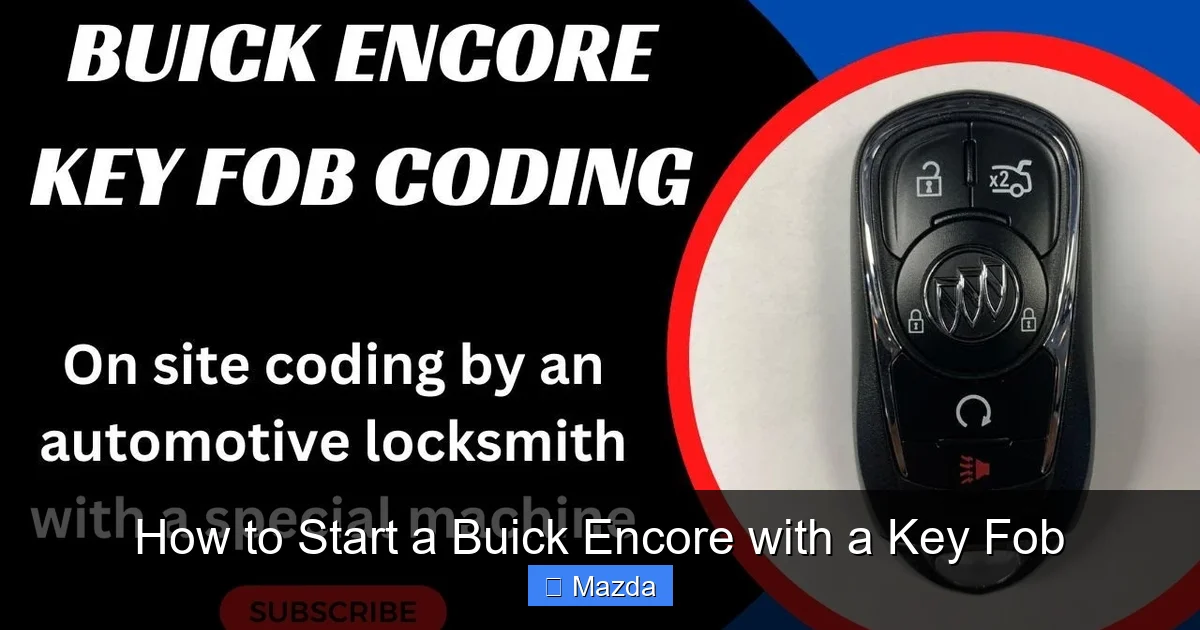
Visual guide about How to Start a Buick Encore with a Key Fob
Image source: i.ytimg.com
Preparing to Start: Fob Placement and Door Entry
First, you need to be inside the car. With the key fob in your possession (pocket, hand, bag), approach the Encore. The door handles have touch-sensitive pads. Simply grasp the handle, and if the fob is within range (about 3 feet), the doors will unlock automatically. If they don’t, make sure you’re pulling the handle firmly and that your fob battery isn’t dead. Once inside, place the fob in the designated cup holder or center console storage area. Why? The system’s antennas have an optimal detection zone. While the fob will often work in your pocket, placing it in the cup holder (a common recommendation in the owner’s manual) guarantees it’s in the best spot for the receiver to find it, eliminating any doubt. This is especially helpful if you have a bulky wallet or the fob is deep in a bag.
The Actual Start Sequence: Press, Don’t Twist
Now for the main event. Make sure your foot is firmly on the brake pedal. The brake pedal switch is a critical component; the car will not even attempt to start if it doesn’t sense you’re braking. This prevents the car from lurching forward if you accidentally press the button while in drive. With your foot on the brake, press the engine start/stop button one time. You should hear the familiar sound of the starter motor cranking the engine, and the engine will fire up. The button will glow a steady red or green (depending on model year trim) to indicate the engine is running. That’s it! You’re done. To turn the car off, ensure it’s in the ‘Park’ position, then press the button once. The engine will stop, and the button light will go out. Remember: no brake pedal press = no start. This is a common hang-up for new users.
Important Safety Precautions Before Ignition
Your Encore’s system is smart, but you must be smarter. Before you press that button, do a quick mental checklist. Is the gear selector in ‘Park’ or ‘Neutral’? Most modern automatics won’t start unless they’re in Park, but it’s a good habit to confirm. Are all your extremities clear of the steering wheel and pedals? Is the parking brake set if you’re on an incline? The keyless system itself is safe, but the car you’re starting is a 3,000-pound machine. The push-button start eliminates the need to fumble with a key, but it doesn’t replace basic driving safety protocols. Also, never press the start button repeatedly if the engine doesn’t start immediately. Wait a few seconds between attempts to allow the starter motor to cool down and to let the car’s computer cycle through its checks.
Troubleshooting: When Your Key Fob Isn’t Detected
So you’ve followed the steps perfectly: foot on brake, fob in the cup holder, button pressed. But instead of the engine roaring to life, you get a message on the driver information display: “Key Not Detected” or “No Key Present.” Don’t panic. This is the most common issue with keyless systems, and it’s almost always something simple you can fix in under a minute. Let’s diagnose the problem logically, from the most likely culprit to the least.
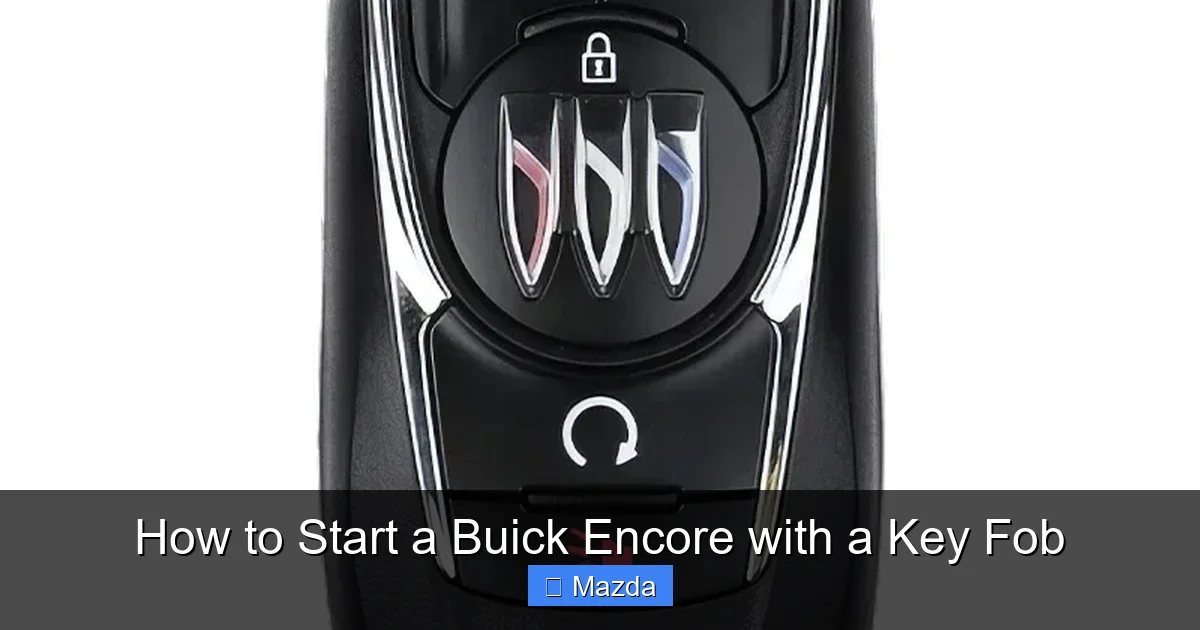
Visual guide about How to Start a Buick Encore with a Key Fob
Image source: remotesandkeys.com
Common Reasons for “Key Not Detected” Messages
The number one suspect is a dead or weak battery in your key fob. These small coin-cell batteries (usually a CR2032) last 1-3 years but can die prematurely if the fob is stored near other electronics. The second most common reason is simple placement. The fob might be too far from the antenna’s sweet spot, or it could be inside a metal container or a bag with a thick layer of aluminum foil, which acts as a Faraday cage and blocks the radio signal. Third, the car’s own battery might be so weak that it can’t power the radio receiver module. A severely discharged 12V car battery can cause all sorts of electronic gremlins, including a failure to recognize the fob. Finally, there could be significant radio frequency interference from a nearby tower, a malfunctioning device in the car, or even a strong magnet near the fob.
Quick Fixes to Try Before Calling for Help
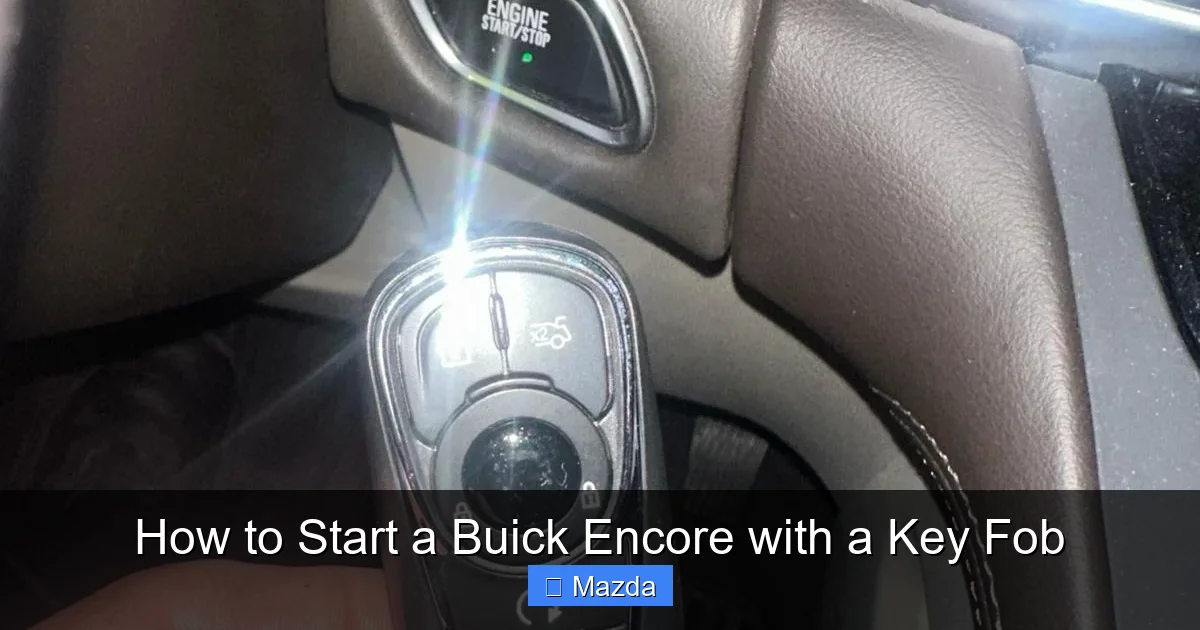
Start with the easiest fix: locate your spare key fob and try that. If the spare works, your primary fob’s battery is almost certainly dead. If you don’t have a spare, manually replace the fob battery. Open the fob (there’s usually a small slot for a flathead screwdriver or a button to release the back), swap in a fresh CR2032, and try again. Next, move the fob. Place it directly against the engine start/stop button. There’s a special antenna coil right behind that button designed to pick up a very weak signal. Holding the fob here can often bypass a weak battery or minor interference. If that works, your fob battery is low and needs replacement. If it still doesn’t work, check your Encore’s 12V battery voltage. If the car is completely dead (no lights, no dash), you’ll need a jump start. For more detailed scenarios on what to do when your fob fails, our article on can a dead key fob cause a car not to start covers this exact situation in depth.
Emergency Starting Methods: No Fob? No Problem!
Life happens. You might lose your key fob, have it stolen, or its internal circuitry could fail. What do you do then? You can’t just call a tow truck for a simple “key problem.” The good news is Buick provides a clear, manufacturer-approved emergency access procedure. The goal here is to get into the car and, if possible, start it. However, it’s crucial to understand the limitation of the emergency key.
Visual guide about How to Start a Buick Encore with a Key Fob
Image source: lost-car-keys-replacement.com
Using the Hidden Mechanical Key
Inside your primary key fob, there is a small, physical metal key. It’s hidden. Flip the fob over, and you’ll see a small slider or button. Slide or press it, and the back of the fob will pop off, revealing the mechanical key. This key is for unlocking the driver’s door only in an emergency where the fob’s electronic unlock fails or the fob battery is completely dead. To use it, there’s a tiny, round cap on the driver’s door handle. Pry this cap off with the key itself or a flat tool. Underneath is a traditional keyhole. Insert the mechanical key and turn to unlock the door. Important: Once inside, you will likely still see the “Key Not Detected” message. The mechanical key does not have the radio transmitter needed to start the push-button engine. It gets you in, but not necessarily going.
Starting with a Dead Key Fob Battery
If your fob’s battery is dead but you have the physical fob (with the dead battery inside), you can often still start the car. The trick is location. As mentioned, the start button has a backup antenna. Place the fob (with dead battery) directly against the engine start/stop button, with the buttons facing out. Press the brake pedal and then press the start button. The car’s antenna coil should be able to inductively couple with the fob’s internal circuit, even with a dead battery, and get just enough signal to authorize a start. This is a standard feature in most keyless systems. If this works, your immediate problem is solved, but you must replace the fob battery as soon as possible. If holding it to the button doesn’t work, your only option is to use the dealer’s diagnostic system to program a new fob or, in a pinch, use a smartphone app if your 2026 Encore is equipped with Buick’s connected services. For a broader look at starting procedures when the primary method fails, see our guide on how to start a car without the key fob.
Maintaining Your Key Fob for Reliable Performance
Your key fob is a small, rugged device, but it’s not indestructible. A little care goes a long way in ensuring it never lets you down. Think of it as the remote control for your car—you wouldn’t throw your TV remote in a lake or leave it in the sun on your dashboard. The same principles apply here. Proper maintenance prevents the most common issues: dead batteries and signal interference.
Battery Replacement: A Simple DIY Task
Replacing the battery is the most common form of maintenance. You don’t need a mechanic. For a Buick Encore key fob, you’ll need a small flathead screwdriver and a new CR2032 3V lithium coin battery (available at any pharmacy, grocery store, or auto parts store for under $5). First, locate the release mechanism on the fob. On most Encore fobs, there’s a small slot on the side. Insert the screwdriver and gently twist to pop the plastic back cover off. Carefully lift out the old circular battery, noting its orientation (the positive side, marked with a ‘+’, usually faces up). Place the new battery in exactly the same way. Snap the back cover back on until it clicks. Test it by locking and unlocking the doors. That’s it. Do this proactively every 2-3 years, or at the first sign of reduced range (having to be closer to the car to unlock). If you have a different style fob, the process is similar. You can find specific instructions for other models in our article on how to change the battery in a Honda Civic key fob, which illustrates the universal nature of this task.
Protecting Your Fob from Damage and Interference
Your fob’s signal is a delicate radio wave. Keep it away from anything that can block or scramble that signal. Don’t store it in a metal toolbox, next to a strong magnet (like those in speakers or microwaves), or wrapped in foil. Also, avoid placing it directly on the car’s dashboard or near the infotainment screen for long periods, as the heat and electromagnetic fields can degrade the internal components. A simple practice is to keep it in a dedicated pocket, a leather key case, or the center console cup holder. If you notice the unlock range shrinking dramatically, it’s likely a battery issue, but persistent, unpredictable failures could point to a failing fob that needs to be replaced or reprogrammed. Extreme temperatures (very hot or very cold) can also temporarily affect battery performance and circuit function.
Advanced Key Fob Features and Troubleshooting Tips
Your Buick Encore key fob does more than just unlock and start the car. It’s a multi-function tool. Understanding these features and how to reset them when they glitch can save you a trip to the dealer. The 2026 Encore likely includes standard features like remote lock/unlock, panic alarm, and trunk release. Some trims may have a remote start function, allowing you to start the car from inside your house to let it warm up. This uses a different, longer-range signal than the standard keyless entry.
Programming Additional Fobs and Resetting Systems
If you get a new fob—whether from a dealer, a locksmith, or an online retailer—it needs to be programmed to your specific Encore. This is not a simple task you can do at home without the proper equipment. The process requires a dealer-level scan tool to put the car’s Body Control Module into “learn” mode and sync the new fob’s unique code. You’ll need proof of ownership. However, if your existing fob stops working due to a lost code (a rare internal failure), a dealer can reprogram it if it’s still the correct type. Sometimes, a system glitch can cause the car to forget a fob. A full system reset, which can sometimes be done by disconnecting the car battery for 10 minutes, may help, but this also resets other settings (radio presets, seat memory). For specific programming procedures for other brands, our article on how to program a push-start key fob for a Dodge Journey explains the general concept, though the exact steps for a Buick require proprietary software.
Security Features That Prevent Unauthorized Starting
Your Encore’s system is built with theft in mind. One major feature is the “key-in-trunk” or “key-out-of-vehicle” detection. If the system senses the fob is left inside the car when you lock it with another fob or the keypad, it will give a warning beep and may prevent locking to avoid you locking yourself out with the fob inside. More importantly, the rolling code encryption changes with every use. This prevents “code-grabbing” devices from capturing your signal and replaying it to steal the car. The immobilizer system, paired with the key fob’s transponder chip, ensures that even if someone were to hot-wire the car, the engine control unit would not allow fuel injection or spark without the correct coded signal from the paired fob. These layers of security are why a random fob won’t start your Encore.
Conclusion
Starting your Buick Encore with a key fob is one of those modern conveniences that, once mastered, becomes second nature. It’s a system built on simplicity: brake pedal down, button press, go. The technology behind it is sophisticated, but your interaction with it is refreshingly straightforward. The key to a seamless experience is understanding the basics—the need for the fob to be inside, the mandatory brake pedal press, and the function of the start button. When things go wrong, remember the troubleshooting hierarchy: battery first, placement second, car battery third. Keep your fob battery fresh, store it sensibly, and you’ll enjoy years of effortless, keyless starts. The 2026 Buick Encore carries forward this intuitive design, proving that sometimes the best technology is the kind you don’t have to think about. Now, go enjoy the drive!
Frequently Asked Questions
What should I do if my Buick Encore key fob battery dies?
First, try holding the key fob directly against the engine start/stop button while pressing the brake. If that works, replace the CR2032 battery inside the fob immediately. If it doesn’t work, use the hidden mechanical key to unlock the door, but you will need a new fob battery or a replacement fob to start the engine.
Can I start a Buick Encore without the key fob if it’s lost?
No, you cannot start the engine without the paired key fob’s electronic signal. The mechanical key only unlocks the door. If the fob is lost, you will need to have a new one programmed and paired to your vehicle by a Buick dealer or authorized locksmith using their diagnostic system.
How far away can my key fob be from the Buick Encore to start it?
The key fob must be inside the vehicle’s cabin for the start system to recognize it. The detection zone is typically within a few feet, centered around the center console and front seats. Placing it in the cup holder is the recommended practice to ensure it’s within range.
Why does my Buick Encore sometimes say ‘Key Not Detected’ when the fob is in my pocket?
This usually indicates a low fob battery. Other causes include interference from large metal objects in your pocket or bag, or the fob being too far from the receiver. Try placing the fob in the cup holder or holding it against the start button. Replacing the battery is the most common fix.
Is it safe to have a spare Buick Encore key fob made by a locksmith?
Yes, but only if the locksmith is reputable and has the proper equipment to program Buick key fobs. They must be able to access the vehicle’s security system and add the new fob’s code. Generic, unprogrammed fobs bought online will not work without this professional programming step.
Can I use my Buick Encore key fob to roll down the windows?
For the 2026 Encore, the standard key fob does not include a remote window roll-down feature. This is a feature found on some other GM models or in later years. Your Encore’s fob will lock/unlock doors, release the trunk, and may have a panic alarm, but not window control. Some models offer this via the MyBuick app on your smartphone.