How to Start a Buick Enclave with a Key

Contents
- 1 Key Takeaways
- 2 📑 Table of Contents
- 3 Understanding Your Buick Enclave’s Key System
- 4 Step-by-Step: Starting with a Physical Key (Traditional Ignition)
- 5 Step-by-Step: Using the Hidden Manual Key (For Keyless Models)
- 6 Troubleshooting: When the Key Won’t Start the Car
- 7 Maintaining Your Key and Ignition System
- 8 Security Features and Important Safety Notes
- 9 When to Seek Professional Help
- 10 Conclusion: Confidence Through Knowledge
- 11 Frequently Asked Questions

Car Back Support Cushion

Torque Wrench Set
Foam Cannon

Car Paint Touch Up Pen
Starting your Buick Enclave with a physical key is a straightforward process, but the exact method depends on your model’s specific ignition system. Whether you have a traditional key slot or a key fob with a hidden manual key, this guide explains every method. We also cover what to do when your key won’t turn or the battery is dead, ensuring you’re never stranded.
So, you’re standing by your Buick Enclave, key in hand, but for some reason, the usual press-and-go isn’t working. Or maybe you just prefer the tactile feedback of a traditional key. Whatever the reason, knowing how to start your Buick Enclave with a key is a fundamental skill every owner should have. It’s your ultimate backup plan when technology fails. In this complete guide for 2026 models, we’ll walk through every scenario, from the classic key turn to accessing that cleverly hidden manual key. Think of this as your friendly, detailed cheat sheet for getting your Enclave moving, no matter what.
The modern Buick Enclave is a marvel of comfort and technology, but at its heart, it still needs a simple command to start: turn a key or press a button. The method varies slightly based on your specific trim and year. The 2026 Enclave continues to offer keyless entry and push-button start as standard on most trims, but it also retains a physical key solution for emergencies. Our goal is to demystify all of it. We’ll start with the most common setup you’ll encounter and then dive into the exceptions and troubleshooting steps that will save you time and frustration.
Key Takeaways
- Identify Your Ignition Type: 2026 Buick Enclave models may have a traditional key slot or a push-button start with a hidden manual key. Knowing which you have is the first step.
- The Standard Key Procedure: For models with a key slot, insert the key, press the brake pedal (or clutch), and turn to “Start.” Release after the engine cranks.
- Using the Hidden Manual Key: If your Enclave has keyless entry/push-start, a physical key is hidden inside the fob. You’ll need to locate the release mechanism and use it in a specific emergency slot.
- Always Press the Brake/Clutch: Modern safety interlocks require the brake pedal (or clutch in manual) to be depressed before the ignition will engage, preventing accidental movement.
- Dead Key Fob Battery Solutions: A dead fob battery won’t prevent starting if you have the manual key. For keyless models, you may also use the fob against the start button as a backup.
- Common Issues Have Simple Fixes: A steering wheel lock or gear selector not in “Park” are frequent culprits when a key won’t turn. Check these first before assuming a mechanical failure.
- Preventative Maintenance is Key: Keep your key and ignition clean, avoid excessive weight on the keyring, and replace the fob battery proactively to avoid lockouts.
📑 Table of Contents
- Understanding Your Buick Enclave’s Key System
- Step-by-Step: Starting with a Physical Key (Traditional Ignition)
- Step-by-Step: Using the Hidden Manual Key (For Keyless Models)
- Troubleshooting: When the Key Won’t Start the Car
- Maintaining Your Key and Ignition System
- Security Features and Important Safety Notes
- When to Seek Professional Help
- Conclusion: Confidence Through Knowledge
Understanding Your Buick Enclave’s Key System
Before we get to the “how,” we need to be clear on the “what.” Your 2026 Buick Enclave likely uses one of two primary starting systems. Identifying which one you have is crucial because the steps differ. You won’t use a key in the ignition if there’s no ignition slot. Let’s break them down simply.
The Traditional Key Ignition (Less Common in 2026)
Some base models or fleet versions might still be equipped with a traditional metal key that inserts directly into a steering column ignition lock cylinder. This is the system your grandparents would recognize. You physically insert the key, turn it through the “Off,” “Accessory,” “On,” and “Start” positions. If your Enclave has this, starting it is incredibly straightforward. However, this setup is becoming rare in new vehicles, so your Enclave almost certainly uses the second, more modern system.
The Keyless Entry & Push-Button Start System (Standard)
This is the system you’re most familiar with. You have a key fob (remote) that stays in your pocket or purse. To start the car, you press the brake pedal and then the engine start/stop button on the dashboard or center console. So, where does the physical key come in? Excellent question. Inside that key fob is a hidden, removable metal key. This isn’t for daily use; it’s your emergency backup. When the fob’s battery dies or the electronic system has a glitch, you use this physical key to unlock the door and then to start the engine via a special emergency slot. This is the scenario this article focuses on most heavily. For a broader look at keyless systems, you can read our general guide on how to start a car with the key fob.
Step-by-Step: Starting with a Physical Key (Traditional Ignition)
If your Enclave has the classic key slot, here is the precise, safe procedure. Always ensure you’re in a well-ventilated area and the parking brake is engaged.
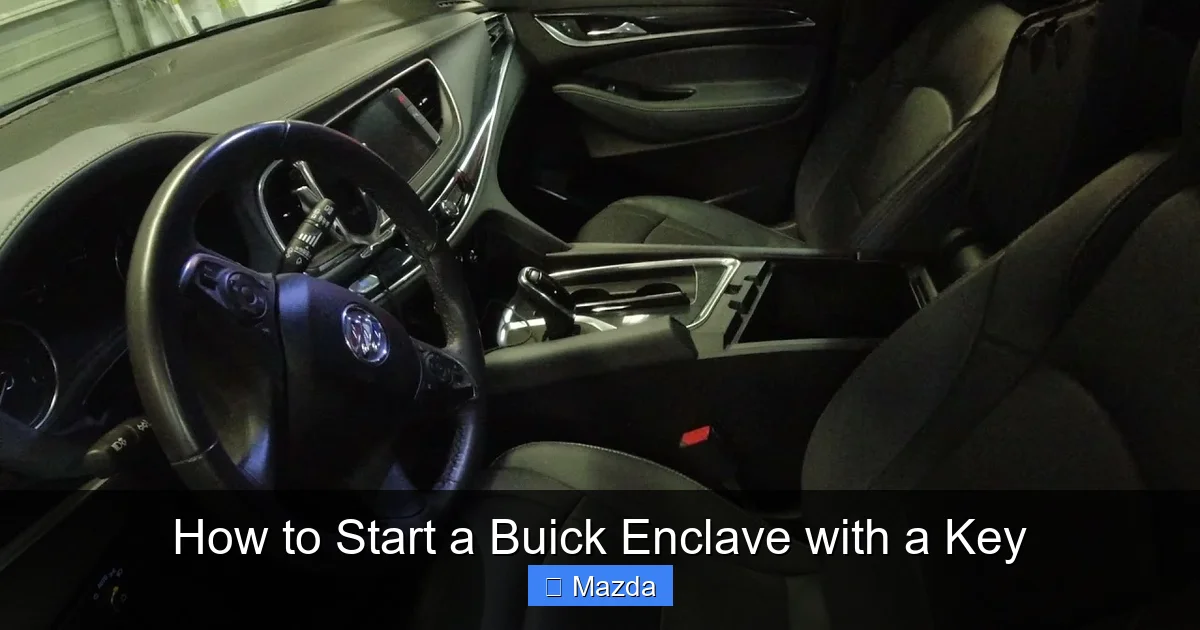
Visual guide about How to Start a Buick Enclave with a Key
Image source: i.ytimg.com
Step 1: Locate the Ignition Cylinder. It’s on the right side of the steering column, behind the steering wheel. You’ll see a slot that matches the shape of your key.
Step 2: Insert the Key. Place the key into the slot with the teeth facing up (or as indicated on the key itself). Push it in firmly until it seats completely.
Step 3: Engage the Brake/Clutch. For safety, modern vehicles require the brake pedal to be depressed to allow the ignition to turn from “Lock” to any other position. Press the brake pedal firmly with your foot. If you have a manual transmission Enclave (rare), press the clutch pedal instead.
Step 4: Turn the Key. While holding the brake, turn the key clockwise. You’ll feel it move from the “Lock” position to “On.” The dashboard lights and infotainment system will activate. Continue turning to the “Start” position. This engages the starter motor.
Step 5: Release the Key. Once the engine cranks and starts running smoothly, release the key. It will spring back to the “On” position automatically. Do not hold it in the “Start” position, as this can damage the starter.
Step 6: Check Your Surroundings. Before driving, ensure your gear selector is in “Park” (or “Neutral” for manual), your headlights are on if it’s dark, and your seatbelt is fastened.
Step-by-Step: Using the Hidden Manual Key (For Keyless Models)
This is the method you’ll use 99% of the time when someone says “start with a key” for a modern Enclave. The physical key is hidden inside your fob. Here’s how to access and use it.
Visual guide about How to Start a Buick Enclave with a Key
Image source: cdn11.bigcommerce.com
Locating and Extracting the Physical Key
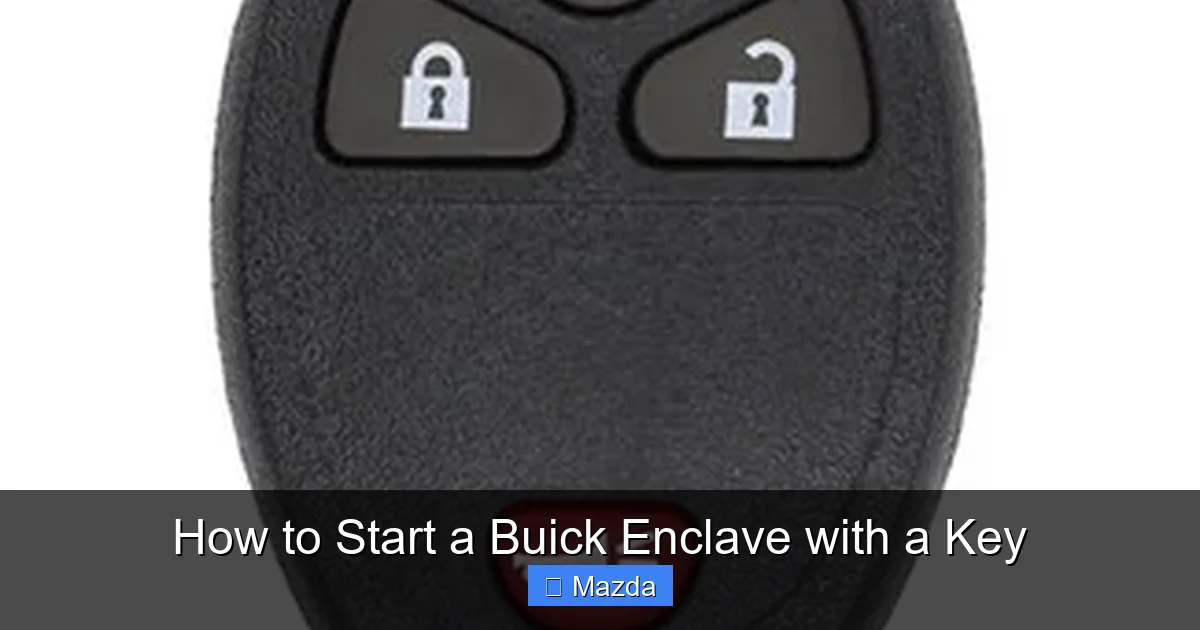
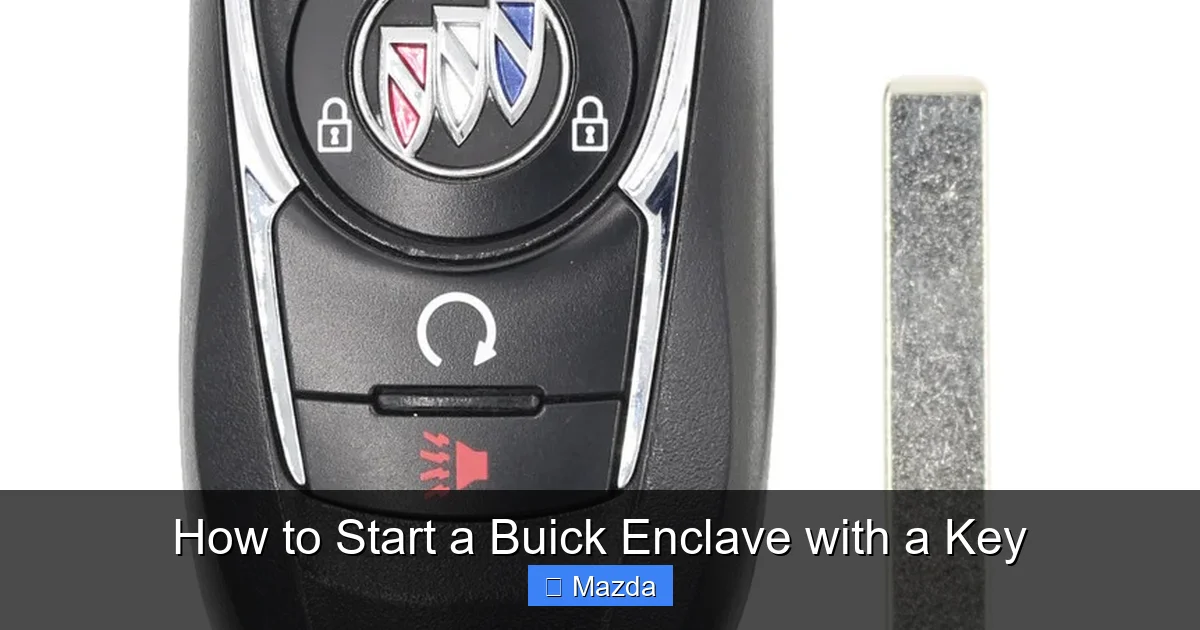
Look at your key fob. On one side, there is usually a small, discreet button or slider. Pressing or sliding this will release a small, folded metal key. Pull it out fully. Some fobs have a cover that slides off. Consult your owner’s manual for the exact mechanism on your specific fob design.
Unlocking the Door with the Manual Key
Once you have the metal key out, find the door lock cylinder. On the driver’s door, there is a small plastic cap covering the keyhole. This cap protects it from the elements. Carefully pry this cap off with the edge of the key or your fingernail. Insert the metal key and turn it to unlock the door.
The Critical Step: Finding the Emergency Start Slot
This is the part everyone gets stuck on. You cannot put the key directly into the ignition button. Your Enclave has a dedicated, hidden emergency key slot for the start system. This slot is almost always located on the right side of the steering column, near the base of the windshield wiper stalk or integrated into the key fob slot on the dashboard/center console. It’s a small, rectangular hole that accepts the metal key. It may have a cover. Your owner’s manual has a diagram—we strongly recommend finding this slot while your car is parked and you have time, not during an emergency.
Starting the Engine
1. With the driver’s door unlocked and you seated, insert the physical key into the emergency start slot.
2. Press firmly until it clicks into place.
3. Depress the brake pedal.
4. The car’s computer will recognize the valid key code from the physical key’s transponder chip.
5. Press the normal engine start/stop button while the key is inserted in the emergency slot. The engine should start normally.
6. Once running, you can remove the physical key from the slot. The car will continue running. You can now drive. The keyless system should re-activate once you shut off and restart with the fob present.
If you have a similar system in another vehicle, the process is analogous. For example, the method to start a Toyota Camry with a manual key involves a very similar hidden slot procedure.
Troubleshooting: When the Key Won’t Start the Car
You’ve followed the steps, but the engine doesn’t turn over. Don’t panic. Most causes are simple and quick to check.
Visual guide about How to Start a Buick Enclave with a Key
Image source: cdn11.bigcommerce.com
The Steering Wheel Lock is Engaged
This is the #1 culprit. If you turn the key (or try to start) and feel a hard lock, the steering wheel lock is engaged. This happens when the wheel is turned while the car is off. Solution: Gently rock the steering wheel left and right while attempting to turn the key. You need to relieve the pressure on the lock mechanism. It will click and release, allowing the key to turn.
Gear Selector Not in “Park” (or “Neutral”)
Modern cars have a safety interlock that prevents starting unless the transmission is in “Park” (automatic) or “Neutral” (manual). Double-check that the gear indicator shows “P.” For some models, “N” will also work. Try gently wiggling the shifter while pressing the brake to ensure it’s fully seated in “Park.”
Dead Key Fob Battery (For Keyless Systems)
If your fob battery is completely dead, the car’s antennas may not detect it, preventing push-button start. However, the physical key’s transponder chip is passive and does not need a battery. Using the hidden manual key method described above should always work as a bypass. After starting, replace the fob battery immediately. The process is simple; you can find instructions for many models like changing a Nissan key fob battery.
Faulty Ignition Switch or Starter
If you’ve checked everything—steering wheel unlocked, in “Park,” using the correct key slot—and you hear a single click or nothing at all, the issue may be electrical. A faulty ignition switch or a failed starter motor/solenoid could be the cause. This requires professional diagnosis and repair.
Maintaining Your Key and Ignition System
Prevention is always better than cure. A few simple habits will keep your Enclave’s starting system reliable for years.
- Keep Keys Clean: Dirt and grime can get into the key slot or the emergency start slot, causing poor contact. Use a compressed air canister to blow out debris periodically.
- Avoid Heavy Keychains: Don’t attach dozens of keys and heavy items to your ignition key or fob. The weight can pull on the ignition cylinder over time, causing wear and misalignment, or damage the fob’s internal circuit board.
- Replace Fob Batteries Proactively: Don’t wait for the low battery warning. A good practice is to replace the CR2032 (or similar) battery in your fob every 2-3 years. It’s a cheap, easy fix you can do yourself.
- Lubricate the Key Slot (Rarely): If the key feels stiff or sticky in the traditional ignition, a tiny drop of graphite lubricant (NOT oil or WD-40, which attracts dirt) on the key teeth can help. Use sparingly.
- Store Spare Keys Properly: Keep a spare metal key (cut for your Enclave) in a safe place, like with a trusted neighbor or in a secure magnetic box under the car (if you have a way to access it). Avoid hiding it on the car itself in obvious places.
Security Features and Important Safety Notes
Your Buick Enclave’s key system is integrated with sophisticated anti-theft technology. The physical key, even the hidden one, has a unique transponder chip programmed to your vehicle’s computer. This is why a copied key from a hardware store won’t start the engine—it lacks the correct chip. If you need a new key, it must be programmed by a dealer or a certified locksmith using your vehicle’s VIN.
Never leave your key fob inside the vehicle if you’re using the manual key to lock the doors. The car’s sensors will detect the fob and may allow someone to reach inside and unlock the door or even start the car. When using the manual key to lock up, ensure the fob is with you or stored securely away from the vehicle.
Finally, if you suspect your key system has been compromised or you’ve lost all keys, you will need to have new keys programmed and the old ones deleted from the system. This is a security measure to prevent theft.
When to Seek Professional Help
While most starting issues are DIY-fixable, some situations require a professional:
- All keys are lost: You’ll need a dealer or locksmith to create and program new keys from your VIN.
- The emergency start slot is damaged or missing: This indicates a larger issue with the steering column assembly.
- The steering wheel lock is permanently engaged and won’t release: This may require a tow to the dealer for specialized unlocking tools.
- You hear grinding, whirring, or continuous clicking: This points to a failing starter motor or solenoid, which needs replacement.
- The key won’t turn in the traditional ignition, and the wheel is straight: The ignition lock cylinder itself may be worn out or broken and needs replacement.
For complex electrical issues or key programming, always consult your authorized Buick dealer or a reputable automotive locksmith. They have the diagnostic tools and security access needed.
Conclusion: Confidence Through Knowledge
Knowing how to start your Buick Enclave with a key transforms you from a potentially anxious driver into a prepared one. The modern keyless system is incredibly convenient, but its reliance on electronics and batteries means having a solid backup plan is non-negotiable. By familiarizing yourself with the location of your hidden manual key and the emergency start slot before you need it, you eliminate a major source of stress. Remember the core steps: unlock with the manual key, find the emergency slot, insert the key, press the brake, and press the start button. Combine that with our troubleshooting tips for common hurdles like a steering wheel lock, and you’re equipped to handle almost any starting scenario. A little proactive maintenance—like changing that fob battery—goes a long way. Now, you can confidently get behind the wheel of your Enclave, key in hand or fob in pocket, and hit the road.
Frequently Asked Questions
What should I do if my Buick Enclave’s key fob battery is dead?
Use the hidden physical key inside the fob to unlock the door. Then, locate the emergency start slot on the steering column, insert the physical key, press the brake, and press the engine start button. The car will start. Replace the fob battery as soon as possible.
My key won’t turn in the ignition, and the steering wheel isn’t locked. What is wrong?
First, ensure the gear selector is firmly in “Park” (for automatic) or “Neutral” (for manual). If it’s not, the safety interlock will prevent turning. If it is in Park, the most likely issue is a worn or damaged ignition lock cylinder that needs replacement by a mechanic.
Where exactly is the emergency start slot on a Buick Enclave?
It is a small, rectangular slot located on the right side of the steering column, typically near the base of the windshield wiper stalk or integrated into the key fob storage area on the dashboard. It may have a removable cover. Your owner’s manual provides the exact location and diagram for your specific model year.
Can I program a new key for my Buick Enclave myself?
For security reasons, programming a new transponder key for a Buick Enclave requires special access to the vehicle’s security system. This is typically only available to authorized Buick dealers or certified automotive locksmiths with the proper tools and software. You cannot do it with just the car and the new key.
My Enclave has a push-button start. Do I ever need to use the physical key?
Yes, the physical key is your essential backup. You will need it if your key fob battery dies, if the fob’s internal electronics fail, or if the car’s antenna/receiver for keyless entry has a problem. It’s crucial to know how to access and use it.
Is it safe to drive with the physical key inserted in the emergency start slot?
No. The physical key in the emergency slot is only needed to initiate the start sequence. Once the engine is running, you should remove the key from the slot. Driving with it inserted could potentially damage the slot or cause the key to fall out while driving. The car will run normally without it inserted after startup.