How to Sell a Car in Maine
Selling a car in Maine doesn’t have to be stressful. With the right preparation, clear documentation, and smart marketing, you can sell your vehicle quickly and legally. This guide walks you through every step—from pricing to paperwork—so you can close the deal with confidence.
In This Article
- 1 Key Takeaways
- 2 📑 Table of Contents
- 3 How to Sell a Car in Maine: A Complete Step-by-Step Guide
- 4 Step 1: Prepare Your Vehicle for Sale
- 5 Step 2: Determine the Right Price
- 6 Step 3: Gather the Required Paperwork
- 7 Step 4: Advertise Your Car Effectively
- 8 Step 5: Safely Complete the Sale
- 9 Step 6: Notify the BMV and Protect Yourself
- 10 Common Mistakes to Avoid
- 11 Final Thoughts: Sell Your Car in Maine with Confidence
- 12 Frequently Asked Questions
- 12.1 Do I need a bill of sale to sell a car in Maine?
- 12.2 Can I sell my car in Maine if the title is lost?
- 12.3 Do I have to provide a vehicle history report when selling a car in Maine?
- 12.4 What happens if the buyer doesn’t register the car after purchase?
- 12.5 Can I sell my car in Maine if it doesn’t pass inspection?
- 12.6 Is it safe to sell a car online in Maine?
Key Takeaways
- Prepare your vehicle: Clean, repair minor issues, and gather maintenance records to increase buyer trust and value.
- Set a fair price: Use tools like Kelley Blue Book or Edmunds to research market value based on your car’s condition, mileage, and location.
- Gather required documents: You’ll need the title, bill of sale, odometer disclosure, and a valid inspection sticker (if applicable).
- Advertise effectively: Use online platforms like Craigslist, Facebook Marketplace, or Autotrader, and include clear photos and honest descriptions.
- Complete the sale legally: Sign over the title correctly, provide a bill of sale, and notify the Maine Bureau of Motor Vehicles (BMV) to avoid liability.
- Handle payment safely: Use cash, cashier’s check, or a secure escrow service—avoid personal checks or wire transfers from strangers.
- Know your responsibilities: Even after the sale, you must file a Release of Liability form with the BMV within 10 days.
📑 Table of Contents
- How to Sell a Car in Maine: A Complete Step-by-Step Guide
- Step 1: Prepare Your Vehicle for Sale
- Step 2: Determine the Right Price
- Step 3: Gather the Required Paperwork
- Step 4: Advertise Your Car Effectively
- Step 5: Safely Complete the Sale
- Step 6: Notify the BMV and Protect Yourself
- Common Mistakes to Avoid
- Final Thoughts: Sell Your Car in Maine with Confidence
How to Sell a Car in Maine: A Complete Step-by-Step Guide
Selling a car in Maine might seem like a daunting task, especially if it’s your first time. Between pricing, paperwork, advertising, and meeting potential buyers, there’s a lot to juggle. But with the right approach, you can turn the process into a smooth, stress-free experience—and maybe even get a great price for your vehicle.
Whether you’re upgrading to a newer model, downsizing, or simply ready to part ways with your current ride, this guide will walk you through every step of how to sell a car in Maine. From preparing your vehicle to finalizing the sale and protecting yourself legally, we’ve got you covered. We’ll keep things simple, practical, and focused on what really matters: getting your car sold quickly, safely, and for the best possible value.
Step 1: Prepare Your Vehicle for Sale
Visual guide about How to Sell a Car in Maine
Image source: c8.alamy.com
Before you even think about listing your car, take the time to get it ready. First impressions matter—especially when selling a used car. A clean, well-maintained vehicle not only attracts more buyers but also helps justify a higher asking price.
Clean Inside and Out
Start with a thorough cleaning. Wash the exterior, wax it if possible, and clean the windows inside and out. Don’t forget the wheels and tires—grime and brake dust can make a car look neglected. Inside, vacuum the carpets, wipe down surfaces, and remove any personal items. Consider using an odor eliminator if there are lingering smells from pets, smoking, or food.
A little effort goes a long way. For example, a $50 detailing job can make your car look years younger and significantly boost buyer interest.
Address Minor Repairs
You don’t need to overhaul the engine, but fixing small issues can increase your car’s value and credibility. Replace burnt-out bulbs, fix cracked windshields, patch small dents, and top off fluids. If your brakes are squeaking or the check engine light is on, consider getting them checked—buyers will ask, and unresolved problems can kill a deal.
Keep receipts for any repairs. These can serve as proof of maintenance and help build trust with potential buyers.
Gather Maintenance Records
Buyers love transparency. Having a folder with service records, oil change logs, and repair receipts shows that you’ve taken good care of the vehicle. It also helps justify your asking price. If you don’t have physical records, check with your mechanic or use apps like Carfax or MyCarfax to access service history.
Take High-Quality Photos
Photos are your first chance to impress online shoppers. Take pictures in good natural light, preferably during the day. Capture the exterior from multiple angles—front, back, sides, and close-ups of any flaws. Include interior shots of the dashboard, seats, trunk, and back seat. If your car has special features like a sunroof or upgraded stereo, highlight them.
Avoid filters or overly edited images. Buyers want to see the real condition of the car.
Step 2: Determine the Right Price
Visual guide about How to Sell a Car in Maine
Image source: c8.alamy.com
Pricing your car correctly is one of the most important steps in how to sell a car in Maine. Overprice it, and you’ll scare off buyers. Underprice it, and you’ll lose money. The goal is to find that sweet spot where your car is competitive but still reflects its true value.
Research Market Value
Start by checking pricing guides like Kelley Blue Book (KBB), Edmunds, or NADA Guides. Enter your car’s make, model, year, mileage, condition, and zip code. These tools will give you a range based on recent sales in your area.
For example, a 2018 Honda CR-V with 60,000 miles in good condition might be valued between $18,000 and $20,000 in southern Maine. But if you’re in a rural area with fewer buyers, you might need to adjust slightly lower.
Compare Similar Listings
Look at active listings on platforms like Craigslist, Facebook Marketplace, and Autotrader. Search for cars similar to yours—same year, model, mileage, and condition. Note the asking prices and how long they’ve been listed. If a car has been up for weeks, it might be overpriced.
This real-world data helps you understand what buyers are actually willing to pay.
Adjust for Condition and Extras
Be honest about your car’s condition. If it has high mileage, wear and tear, or needs repairs, price it accordingly. On the flip side, if it’s in excellent shape, has low mileage, or includes upgrades like new tires or a premium sound system, you can justify a higher price.
For instance, a well-maintained Toyota Camry with 40,000 miles and a full service history can command a premium over a similar model with 80,000 miles and no records.
Consider Timing and Demand
Certain times of year are better for selling cars. Convertibles sell better in spring, SUVs in winter. If gas prices are high, fuel-efficient cars may be in greater demand. Keep an eye on local trends and adjust your price or timing if needed.
Step 3: Gather the Required Paperwork
Visual guide about How to Sell a Car in Maine
Image source: cartintlaw.com
In Maine, selling a car involves more than just handing over the keys. You need the right documents to make the sale legal and protect yourself from future liability. Missing paperwork can delay the sale or cause legal headaches down the road.
Vehicle Title
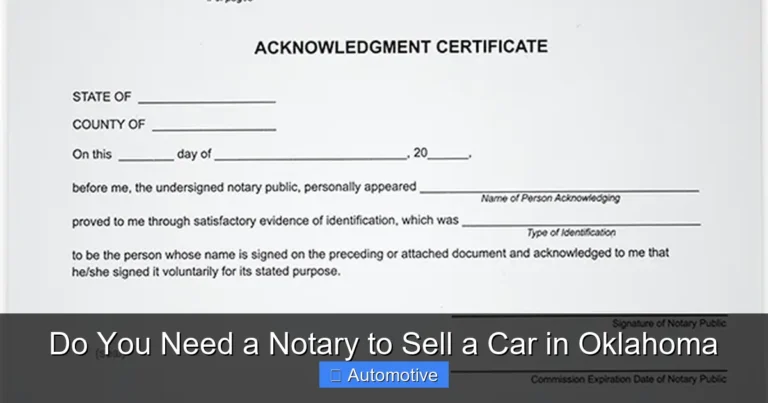
The title is the most important document. It proves you own the car and have the right to sell it. Make sure your name is on the title and that there are no liens (loans) against the vehicle. If there’s a lien, you’ll need to pay it off before selling.
If you’ve lost your title, you can request a duplicate from the Maine Bureau of Motor Vehicles (BMV). You’ll need to fill out Form BMV-70 and pay a small fee.
Bill of Sale
While not always required, a bill of sale is highly recommended. It’s a legal document that records the sale details, including the buyer’s and seller’s names, addresses, vehicle information, sale price, and date.
Maine doesn’t have a standard form, but you can find free templates online or use the one provided by the BMV. Both parties should sign it, and it’s wise to keep a copy.
Odometer Disclosure Statement
Federal law requires you to disclose the vehicle’s mileage at the time of sale. This is typically done on the title itself, but if your title doesn’t have a space for it, you’ll need a separate odometer disclosure form.
Be honest—falsifying mileage is illegal and can lead to fines or legal action.
Inspection Sticker
Maine requires vehicles to pass a safety inspection every year. If your car has a valid inspection sticker, it’s a big selling point. If it’s expired, you may need to get it inspected before selling—especially if the buyer wants to register it immediately.
Note: As of 2023, Maine does not require emissions testing for most vehicles, so you don’t need to worry about that unless you’re in a specific program area.
Release of Liability Form
After the sale, you must notify the BMV that you’re no longer responsible for the vehicle. This is done by filing a Release of Liability form (BMV-70) within 10 days of the sale. You can submit it online, by mail, or in person.
This step is crucial—it protects you if the buyer gets a ticket, causes an accident, or fails to register the car.
Step 4: Advertise Your Car Effectively
Once your car is ready and priced, it’s time to find a buyer. The way you advertise can make or break your sale. A great listing with clear photos and honest details will attract serious buyers and help you sell faster.
Choose the Right Platforms
There are several places to list your car in Maine:
– **Craigslist**: Popular and free, great for local buyers. Be cautious of scams.
– **Facebook Marketplace**: Easy to use, integrates with your profile, and allows messaging.
– **Autotrader**: Reaches serious buyers, but may charge a fee.
– **Cars.com**: Another reputable site with a large audience.
– **Local classifieds**: Check newspapers or community boards, especially in rural areas.
For most sellers, Craigslist and Facebook Marketplace offer the best balance of reach and cost.
Write a Compelling Ad
Your ad should be clear, concise, and honest. Include:
– Year, make, model, and trim
– Mileage
– Condition (e.g., “excellent,” “good,” “needs minor work”)
– Key features (e.g., AWD, backup camera, leather seats)
– Reason for selling
– Price (be firm but open to negotiation)
– Contact info (phone or email)
Example:
“2016 Subaru Outback, 78,000 miles, excellent condition. AWD, heated seats, backup camera, new tires. Non-smoker, no accidents. Selling due to upgrade. $16,500 OBO. Call or text 207-555-1234.”
Avoid vague terms like “runs great” without proof. Instead, say “recently serviced with new brakes and oil change.”
Use High-Quality Photos
As mentioned earlier, photos are critical. Aim for 8–12 clear images. Show the exterior, interior, engine bay, trunk, and any damage. Use natural light and avoid shadows.
Tip: Take a photo of the VIN sticker on the dashboard—it adds credibility.
Respond Promptly to Inquiries
When buyers reach out, reply quickly and professionally. Answer questions honestly and schedule test drives promptly. If you’re not available, let them know when you can meet.
Be prepared for negotiation. Most buyers will try to haggle, so set your price slightly above your minimum to allow room.
Step 5: Safely Complete the Sale
Once you’ve found a buyer, it’s time to finalize the sale. This step is all about safety, legality, and protecting yourself from fraud.
Meet in a Safe Location
Always meet in a public place—like a police station parking lot, mall, or busy shopping center. Avoid meeting at your home or in isolated areas. If possible, bring a friend or family member.
Some police departments in Maine even offer “safe exchange zones” with cameras and lighting for online transactions.
Verify the Buyer’s Identity
Ask to see the buyer’s driver’s license and make sure the name matches the one they’ll use on the paperwork. This helps prevent fraud.
Handle Payment Securely
Never accept personal checks, wire transfers, or money orders from strangers—these can be fake. The safest options are:
– **Cash**: Ideal for amounts under $10,000. Count it in front of the buyer.
– **Cashier’s check**: Get it from a bank and verify it’s legitimate before handing over the car.
– **Bank transfer**: Use a secure service like Zelle or Venmo, but only if you trust the buyer.
Avoid handing over the car before payment clears.
Sign Over the Title Correctly
On the back of the title, fill in the buyer’s name, address, sale price, and odometer reading. Sign your name exactly as it appears on the front. Don’t leave any fields blank—use “N/A” if needed.
Both you and the buyer should keep copies of the signed title.
Provide a Bill of Sale
Hand over the completed bill of sale. Include both parties’ signatures and keep a copy for your records.
Remove License Plates
In Maine, license plates stay with the seller—not the car. Remove them before handing over the vehicle. You can reuse them on another car or return them to the BMV.
Cancel Insurance
Once the sale is complete, contact your insurance company to cancel or transfer coverage. Don’t wait—driving uninsured is illegal and risky.
Step 6: Notify the BMV and Protect Yourself
Even after the sale, your responsibilities aren’t over. Failing to notify the BMV can leave you liable for tickets, tolls, or accidents caused by the new owner.
File a Release of Liability
Within 10 days of the sale, submit a Release of Liability form to the Maine BMV. You can do this:
– Online at the BMV website
– By mailing Form BMV-70
– In person at a BMV office
This form tells the state you no longer own the vehicle and are not responsible for it.
Keep Records
Save copies of the title, bill of sale, odometer disclosure, and Release of Liability form for at least three years. These documents can protect you if the buyer fails to register the car or causes legal issues.
Check for Registration
While not required, you can check online to see if the buyer has registered the car. If they haven’t after a few weeks, consider following up or contacting the BMV.
Common Mistakes to Avoid
Even experienced sellers make errors. Here are some common pitfalls to watch out for:
– **Overpricing**: Setting a price too high based on emotion, not market value.
– **Skipping paperwork**: Forgetting the bill of sale or odometer disclosure.
– **Meeting in unsafe places**: Putting yourself at risk during the transaction.
– **Accepting bad payment**: Taking personal checks or unverified money orders.
– **Not filing Release of Liability**: Leaving yourself open to liability.
– **Poor photos or descriptions**: Turning away serious buyers with low-quality ads.
Avoiding these mistakes can save you time, money, and stress.
Final Thoughts: Sell Your Car in Maine with Confidence
Selling a car in Maine doesn’t have to be complicated. By preparing your vehicle, pricing it fairly, gathering the right documents, advertising effectively, and completing the sale safely, you can turn a potentially stressful process into a smooth and successful transaction.
Remember, the key to a quick sale is honesty, transparency, and preparation. Buyers appreciate sellers who are upfront about a car’s condition and provide all the necessary paperwork. And by following Maine’s legal requirements—especially filing the Release of Liability—you protect yourself from future headaches.
Whether you’re selling a compact car in Portland or a pickup truck in Bangor, the principles remain the same. Take your time, do your research, and don’t rush into a deal that doesn’t feel right. With the tips in this guide, you’re well on your way to selling your car in Maine with confidence and ease.
Frequently Asked Questions
Do I need a bill of sale to sell a car in Maine?
While not legally required, a bill of sale is strongly recommended. It protects both buyer and seller by documenting the sale details, including price, date, and vehicle information. Maine does not provide a standard form, but free templates are available online.
Can I sell my car in Maine if the title is lost?
Yes, but you’ll need to request a duplicate title from the Maine BMV first. Fill out Form BMV-70, provide identification, and pay a small fee. Once you have the duplicate, you can proceed with the sale.
Do I have to provide a vehicle history report when selling a car in Maine?
No, it’s not required by law. However, providing a free report from Carfax or AutoCheck can increase buyer confidence and help justify your asking price. Many buyers will ask for one, so having it ready can speed up the sale.
What happens if the buyer doesn’t register the car after purchase?
As the seller, you’re still responsible until you file a Release of Liability form with the BMV. Once submitted, you’re no longer liable for tickets, accidents, or registration issues. Always file within 10 days of the sale.
Can I sell my car in Maine if it doesn’t pass inspection?
Yes, you can sell a car without a current inspection, but the buyer may need to get one to register it. Be honest about the inspection status in your ad. Some buyers may still purchase it for parts or to fix themselves.
Is it safe to sell a car online in Maine?
Yes, as long as you take precautions. Use reputable platforms, meet in public places, verify the buyer’s identity, and avoid accepting risky payment methods. Many police stations in Maine offer safe exchange zones for online transactions.