
Do You Need a Notary to Sell a Car in Oklahoma

In Oklahoma, a notary public is generally required when selling a car to sign the title transfer, ensuring authenticity and preventing fraud. However, there are exceptions—such as sales to immediate family members or vehicles under certain conditions—where notarization may not be mandatory. Understanding these rules helps you complete the sale legally and avoid future complications.
Key Takeaways
- Notarization is typically required: Oklahoma law mandates that the seller’s signature on the vehicle title be notarized to validate the transfer of ownership.
- Exceptions exist: Immediate family sales (like parent to child) and certain estate transfers may not require notarization under specific conditions.
- Both parties should be present: While only the seller’s signature needs notarization, having both buyer and seller at the notary can streamline the process.
- Use the correct title form: Ensure you’re using the official Oklahoma Certificate of Title and filling it out completely to avoid rejection by the DMV.
- Bill of Sale is recommended: Though not always required, a written Bill of Sale adds legal protection and clarity for both parties.
- Check for liens: Verify that all liens on the vehicle are released before sale; otherwise, the title cannot be transferred.
- Visit the DMV promptly: The buyer must register the vehicle within 30 days of purchase to avoid penalties.
📑 Table of Contents
Do You Need a Notary to Sell a Car in Oklahoma?
Selling a car in Oklahoma might seem straightforward—hand over the keys, sign the title, and collect your payment. But if you’ve ever tried to complete a private vehicle sale, you’ve probably encountered a confusing step: the notary requirement. Many sellers wonder, “Do I really need a notary to sell a car in Oklahoma?” The short answer is: usually, yes. But like most things in life, there are exceptions, nuances, and important details that can make or break a smooth transaction.
Understanding whether a notary is needed isn’t just about following the rules—it’s about protecting yourself from fraud, ensuring the sale is legally binding, and helping the buyer register the vehicle without delays. Whether you’re selling a used sedan to a neighbor or transferring a family car to your teenager, knowing the ins and outs of Oklahoma’s notarization requirements can save you time, money, and headaches down the road.
In this guide, we’ll walk you through everything you need to know about notarizing a car sale in Oklahoma. From the legal requirements and exceptions to practical tips for a hassle-free transfer, we’ve got you covered. By the end, you’ll feel confident handling your next vehicle sale—no confusion, no guesswork.
Understanding Oklahoma’s Title Transfer Laws

Visual guide about Do You Need a Notary to Sell a Car in Oklahoma
Image source: i0.wp.com
When you sell a car in Oklahoma, the most critical document is the vehicle’s title—also known as the Certificate of Title. This document proves ownership and must be properly transferred to the buyer to complete the sale legally. The Oklahoma Department of Public Safety (DPS), which oversees vehicle registrations and titles, has specific rules about how this transfer must occur.
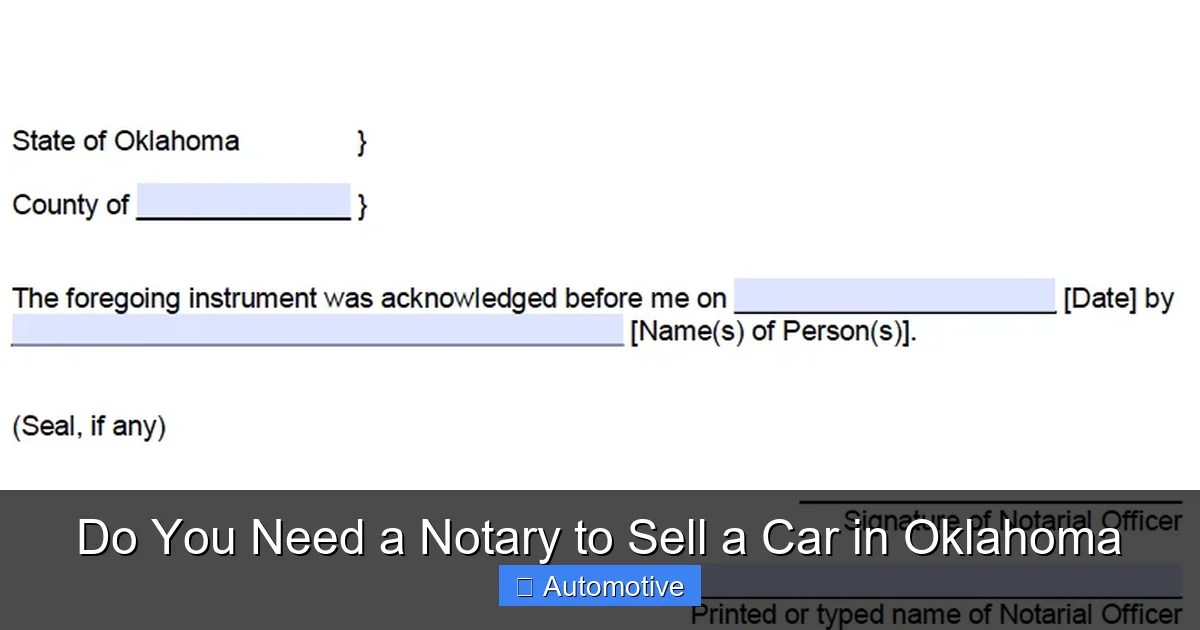
One of the key requirements is that the seller’s signature on the title must be notarized. This means you can’t just sign the back of the title and hand it over. Instead, you must sign it in the presence of a licensed notary public, who will verify your identity and witness your signature. The notary then stamps or seals the document, confirming that the signature is authentic.
Why does Oklahoma require this extra step? The main reason is fraud prevention. Vehicle titles are high-value documents, and unscrupulous individuals have been known to forge signatures or sell cars they don’t actually own. By requiring notarization, the state adds a layer of security that helps protect both buyers and sellers.
It’s also worth noting that the notarization requirement applies to private sales—those between individuals, not dealerships. If you’re selling to a licensed dealer, they typically handle the title transfer process internally and may not require notarization from you. But for private party sales, the notary rule is firm.
What Happens If You Skip Notarization?
Skipping notarization might seem like a way to save time, but it can lead to serious problems. If the title isn’t properly notarized, the Oklahoma DMV may reject the transfer when the buyer tries to register the vehicle. This means the buyer can’t legally drive the car, and you—the seller—could be left responsible for taxes, fees, or even liability if the car is involved in an accident.
In some cases, the DMV may allow the buyer to correct the issue by returning to a notary and getting the signature verified later. But this creates unnecessary hassle and delays. It’s far easier—and smarter—to get it right the first time.
Who Can Serve as a Notary in Oklahoma?
Notaries in Oklahoma are commissioned by the Secretary of State and can be found in many places: banks, law offices, UPS stores, and even some libraries. You don’t need a lawyer or a special appointment—just bring a valid government-issued ID (like a driver’s license or passport) and the signed title.
Most notaries charge a small fee, typically between $5 and $15 per signature. Some banks offer notary services for free to their customers, so it’s worth checking with your financial institution first.
When Is Notarization Not Required?
Visual guide about Do You Need a Notary to Sell a Car in Oklahoma
Image source: notaryacknowledgement.com
While notarization is the standard rule in Oklahoma, there are a few exceptions where you might not need a notary to sell a car. These exceptions are narrowly defined, so it’s important to understand them carefully to avoid mistakes.
Sale to Immediate Family Members
One common exception is when you’re selling or gifting a vehicle to an immediate family member. Under Oklahoma law, transfers between spouses, parents and children, and siblings may not require notarization—but only if the title is being transferred as a gift or inheritance, not a sale.
For example, if you’re giving your car to your adult child as a birthday gift, you can sign the title without notarization, provided you complete the “gift affidavit” section on the title form. However, if you’re selling the car to your child for $1,000, this exception may not apply, and notarization could still be required.
It’s also important to note that even in family transfers, the DMV may still request notarization if there are discrepancies or red flags. So while the law allows for exceptions, it’s often safer to get the signature notarized anyway.
Estate Transfers and Probate
Another exception involves vehicles transferred through an estate after someone passes away. If the car is part of a deceased person’s estate and is being transferred to a beneficiary through probate, notarization may not be required on the title itself. Instead, the court-issued documents (like letters testamentary or a court order) serve as proof of ownership transfer.
In these cases, the executor of the estate or the beneficiary should work directly with the DMV to complete the transfer. The process can be more complex, so consulting with an attorney or the DMV ahead of time is recommended.
Vehicles with Lien Releases
If the vehicle has a lien (a loan or financing still owed), the lienholder must release their interest before the title can be transferred. Once the lien is paid off and the release is recorded, the title is issued in the owner’s name. At that point, the standard notarization rules apply.
However, if the buyer is assuming the loan or the sale is part of a refinancing arrangement, the process may involve the lender directly, and notarization requirements could differ. Always confirm with the lending institution and the DMV.
Step-by-Step Guide to Selling a Car in Oklahoma
Visual guide about Do You Need a Notary to Sell a Car in Oklahoma
Image source: sosmt.gov
Now that you understand the notarization requirement and its exceptions, let’s walk through the full process of selling a car in Oklahoma. Following these steps will help ensure a smooth, legal transfer.
Step 1: Prepare the Vehicle and Documents
Before listing your car for sale, gather all necessary documents:
– The original Certificate of Title
– A valid Oklahoma driver’s license or ID
– Proof of insurance (optional but recommended)
– Maintenance records (to increase buyer confidence)
Make sure the title is free of liens. If there’s an outstanding loan, contact your lender to get the lien released. You’ll need a lien release letter or a stamped title from the lender before you can sell.
Step 2: Complete the Title Transfer
On the back of the title, fill out the “Assignment of Title by Owner” section. Include:
– The buyer’s full name and address
– The sale price (even if it’s $1 or a gift)
– The odometer reading (required for vehicles under 10 years old)
– The date of sale
Sign the title in the designated area. Remember: your signature must be notarized.
Step 3: Visit a Notary Public
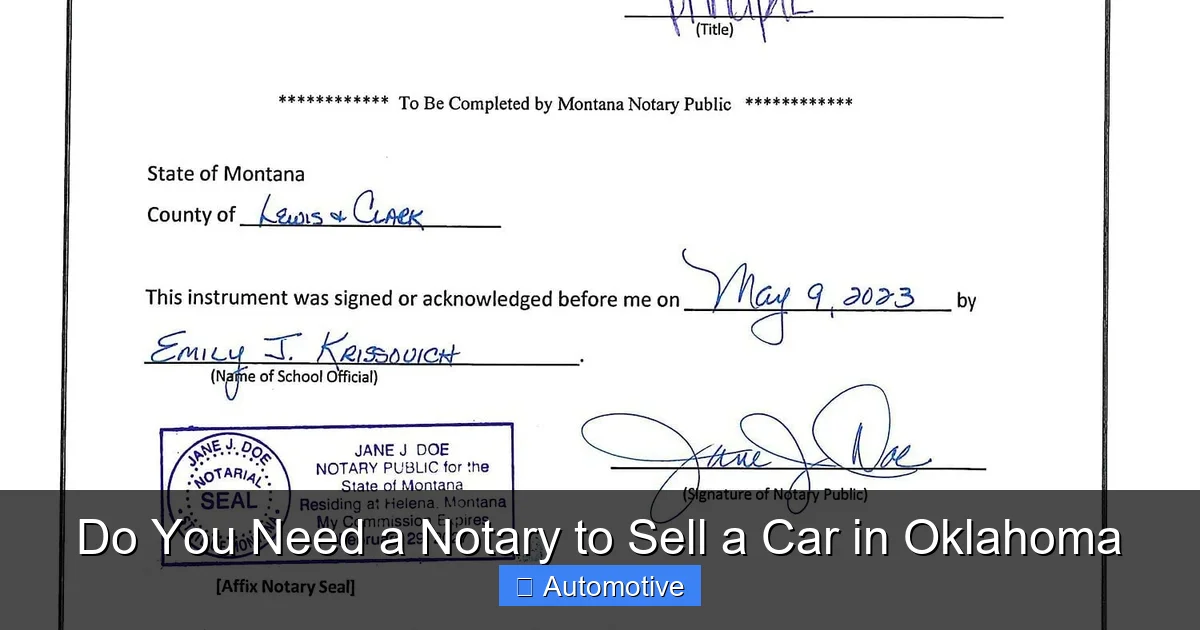
Take the signed title and your government-issued ID to a notary. The notary will verify your identity, watch you sign (if not already done), and apply their official seal or stamp. Keep the notarized title safe—it’s now a legally valid transfer document.
Step 4: Provide a Bill of Sale
While not always required, a Bill of Sale is highly recommended. This document includes:
– Vehicle identification number (VIN)
– Make, model, and year
– Sale price
– Names and addresses of buyer and seller
– Date of sale
– Odometer disclosure
You can find free Bill of Sale templates online or use one provided by the Oklahoma DMV. Both parties should sign it, and each should keep a copy.
Step 5: Notify the DMV (Optional but Smart)
Oklahoma doesn’t require sellers to notify the DMV after a sale, but it’s a good idea. You can submit a “Notice of Sale” form (available on the DPS website) to protect yourself from future liability. This form tells the state you no longer own the vehicle, so you won’t be responsible for parking tickets, accidents, or registration fees after the sale.
Step 6: Remove License Plates and Cancel Insurance
In Oklahoma, license plates stay with the vehicle—they are not transferred to the buyer. However, you should remove any personalized or specialty plates if you plan to reuse them. Cancel your insurance policy once the sale is complete to avoid unnecessary charges.
Common Mistakes to Avoid
Even with the best intentions, sellers often make mistakes that can delay or invalidate a car sale. Here are some common pitfalls and how to avoid them.
Signing the Title Incorrectly
One of the most frequent errors is signing the title in the wrong place or leaving sections blank. Always double-check the form before signing. If you make a mistake, don’t use correction fluid—get a new title from the DMV.
Forgetting the Odometer Disclosure
Federal law requires an odometer reading for vehicles under 10 years old. Failing to include this information can result in fines and a rejected title transfer. Be honest about the mileage—fraudulent odometer readings are a serious offense.
Not Checking for Liens
Selling a car with an unreleased lien is a big no-no. The buyer can’t register the vehicle until the lien is cleared, and you could be held financially responsible. Always confirm the lien is released before handing over the keys.
Skipping the Bill of Sale
Some sellers think the title is enough, but a Bill of Sale provides extra legal protection. It clearly outlines the terms of the sale and can be used as evidence if a dispute arises later.
Not Keeping Records
After the sale, keep copies of the title, Bill of Sale, and any communication with the buyer. These records can help resolve issues if the buyer fails to register the vehicle or claims the sale was fraudulent.
Tips for a Smooth Car Sale in Oklahoma
Selling a car doesn’t have to be stressful. With a little preparation and attention to detail, you can make the process quick and painless.
Meet in a Safe, Public Place
When meeting the buyer, choose a well-lit, public location like a police station parking lot or a bank. This reduces the risk of theft or fraud and gives both parties peace of mind.
Accept Secure Payment Methods
Avoid cash for large amounts. Use a cashier’s check, money order, or bank transfer. Verify the payment before handing over the keys and title.
Be Honest About the Vehicle’s Condition
Disclose any known issues with the car. Honesty builds trust and reduces the chance of disputes after the sale.
Help the Buyer with Registration
While it’s the buyer’s responsibility to register the vehicle, offering to accompany them to the DMV or providing clear instructions can make the process easier for everyone.
Keep Communication Open
Stay in touch with the buyer until the registration is complete. This ensures the transfer goes smoothly and protects you from future liability.
What the Buyer Needs to Do
As a seller, your job isn’t done until the buyer successfully registers the vehicle. Here’s what the buyer must do after purchase:
Register the Vehicle Within 30 Days
Oklahoma law requires the buyer to register the vehicle within 30 days of purchase. Failure to do so can result in fines and penalties.
Provide Required Documents
The buyer will need:
– The notarized title
– A completed Application for Title and Registration (Form DL-2)
– Proof of insurance
– Payment for registration fees and taxes
Pass Emissions Testing (If Applicable)
Some counties in Oklahoma require emissions testing before registration. The buyer should check local requirements.
Pay Sales Tax
The buyer must pay sales tax based on the purchase price or the vehicle’s fair market value, whichever is higher. Tax rates vary by county.
Conclusion
So, do you need a notary to sell a car in Oklahoma? In most cases, the answer is yes. Notarizing the seller’s signature on the title is a legal requirement designed to prevent fraud and ensure a valid transfer of ownership. While there are exceptions—such as gifts to immediate family or estate transfers—these are limited and often still benefit from notarization for added security.
By following the proper steps—completing the title correctly, visiting a notary, providing a Bill of Sale, and keeping good records—you can sell your car confidently and legally. Avoiding common mistakes and helping the buyer through the registration process will make the experience positive for everyone involved.
Selling a car doesn’t have to be complicated. With the right knowledge and preparation, you can complete the transaction smoothly, protect yourself from liability, and move on to your next adventure—whether that’s buying a new vehicle or simply enjoying the extra cash.
Frequently Asked Questions
Do I need a notary to sell a car in Oklahoma?
Yes, in most cases, Oklahoma law requires the seller’s signature on the vehicle title to be notarized to validate the transfer of ownership. This helps prevent fraud and ensures the sale is legally binding.
Are there any exceptions to the notary requirement in Oklahoma?
Yes, exceptions include gifts to immediate family members (like parent to child) and transfers through estate probate. However, even in these cases, notarization is often recommended to avoid complications.
Can I sell a car without a title in Oklahoma?
No, you must have a valid Certificate of Title to sell a car in Oklahoma. If the title is lost, you’ll need to apply for a duplicate from the DMV before completing the sale.
Does the buyer need to be present at the notary?
No, only the seller’s signature needs to be notarized. However, having both parties present can make the process smoother and ensure all documents are completed correctly.
How long does the buyer have to register the vehicle in Oklahoma?
The buyer must register the vehicle within 30 days of purchase. Failure to do so may result in late fees or penalties.
Do I need a Bill of Sale when selling a car in Oklahoma?
While not always required, a Bill of Sale is strongly recommended. It provides legal protection, clarifies the terms of the sale, and can help resolve disputes.