
How to Sell a Car in Indiana

Selling a car in Indiana doesn’t have to be complicated. With the right preparation, documentation, and pricing strategy, you can complete the process quickly and legally. This guide walks you through every step—from cleaning your car to handing over the keys.
Key Takeaways
- Prepare your vehicle: Clean it inside and out, fix minor issues, and gather maintenance records to boost buyer confidence.
- Set a fair price: Use tools like Kelley Blue Book or Edmunds to research market value based on your car’s condition, mileage, and location.
- Gather required documents: You’ll need the title, bill of sale, odometer disclosure, and possibly a safety inspection depending on the buyer.
- Complete the title transfer correctly: Sign the title over to the buyer, fill out the buyer/seller information, and keep a copy for your records.
- Advertise effectively: Use online platforms like Facebook Marketplace, Craigslist, or Autotrader with clear photos and honest descriptions.
- Handle payment securely: Accept cash, cashier’s checks, or use a secure escrow service—avoid personal checks.
- Notify the BMV: Submit a Notice of Sale form within 48 hours to avoid liability after the sale.
📑 Table of Contents
- How to Sell a Car in Indiana: A Complete Step-by-Step Guide
- Step 1: Prepare Your Vehicle for Sale
- Step 2: Determine the Right Price
- Step 3: Gather the Required Paperwork
- Step 4: Advertise Your Car Effectively
- Step 5: Complete the Sale Safely and Legally
- Step 6: After the Sale – What to Do Next
- Common Mistakes to Avoid When Selling a Car in Indiana
- Final Thoughts: Selling Your Car in Indiana Made Simple
How to Sell a Car in Indiana: A Complete Step-by-Step Guide
So, you’ve decided it’s time to sell your car in Indiana. Maybe you’re upgrading to something newer, downsizing, or just ready for a change. Whatever the reason, selling a vehicle can feel overwhelming—especially if you’ve never done it before. But don’t worry. With a little planning and the right information, the process can be smooth, stress-free, and even profitable.
Indiana has specific rules and requirements for private car sales, but they’re designed to protect both buyers and sellers. From transferring the title to notifying the Bureau of Motor Vehicles (BMV), each step matters. The good news? Most of these steps are straightforward once you know what to expect. This guide will walk you through everything you need to do—from preparing your car to finalizing the sale and protecting yourself legally.
Whether you’re selling a used sedan, a pickup truck, or an older model with high mileage, the principles remain the same. The key is to be honest, organized, and proactive. By following this guide, you’ll not only avoid common pitfalls but also increase your chances of getting a fair price and closing the deal quickly.
Step 1: Prepare Your Vehicle for Sale
Visual guide about How to Sell a Car in Indiana
Image source: c8.alamy.com
Before you even think about listing your car, take time to get it ready. First impressions matter—especially when selling a used vehicle. A clean, well-maintained car tells buyers you’ve taken care of it, which can justify a higher asking price and build trust.
Clean It Inside and Out
Start with a thorough cleaning. Wash the exterior, wax it if possible, and clean the wheels and tires. Don’t forget the windows—both inside and out. A sparkling exterior makes your car look newer and more valuable.
Inside, vacuum the seats, floor mats, and trunk. Wipe down all surfaces, including the dashboard, steering wheel, and door panels. Remove any personal items, trash, or clutter. If your car has odors—like smoke, pets, or food—consider using an odor eliminator or taking it to a professional detailer. A fresh-smelling interior can make a big difference.
Address Minor Repairs and Maintenance
You don’t need to overhaul your car, but fixing small issues can pay off. Replace burnt-out bulbs, fix cracked windshields (if affordable), and top off fluids like oil, coolant, and windshield washer fluid. If your tires are worn, consider replacing them—especially if they’re close to the legal tread depth limit.
Also, check the battery, brakes, and belts. If anything seems off, get it checked by a mechanic. Even if you don’t fix everything, having a recent inspection report can reassure buyers.
Gather Maintenance and Repair Records
Buyers love transparency. If you’ve kept records of oil changes, tire rotations, brake jobs, or major repairs, gather them in a folder or digital file. This shows you’ve maintained the car properly and can help justify your asking price.
If you don’t have records, don’t panic. Just be honest about what you know. You can still mention regular oil changes or recent work, even if you don’t have receipts.
Take High-Quality Photos
Photos are your first chance to impress potential buyers. Take pictures in good lighting—early morning or late afternoon works best. Capture the exterior from multiple angles, the interior (especially the dashboard, seats, and trunk), and any unique features like upgraded sound systems or roof racks.
Avoid cluttered backgrounds. A clean, neutral setting—like an empty parking lot or your driveway—works well. If possible, take a short video showing the car starting, driving, and any features in action.
Step 2: Determine the Right Price
Visual guide about How to Sell a Car in Indiana
Image source: cashforcars.com
Pricing your car correctly is one of the most important steps in how to sell a car in Indiana. Overprice it, and you’ll scare off buyers. Underprice it, and you’ll lose money. The goal is to find the sweet spot—fair to you, attractive to buyers.
Research Market Value
Start by checking online pricing tools. Websites like Kelley Blue Book (KBB), Edmunds, and NADA Guides let you enter your car’s make, model, year, mileage, condition, and location to get an estimated value. These tools consider factors like trim level, optional features, and regional demand.
For example, a 2018 Honda Civic with 60,000 miles in good condition might be worth $16,000 in Indianapolis but $15,200 in Fort Wayne due to local market differences. Always check multiple sources to get a balanced view.
Compare Similar Listings
Next, look at active listings for similar cars in your area. Check Facebook Marketplace, Craigslist, Autotrader, and Cars.com. Pay attention to:
– Mileage
– Condition (clean title, accidents, repairs)
– Features (sunroof, navigation, AWD)
– Asking price
If most similar cars are listed at $15,500, pricing yours at $17,000 might be unrealistic—unless it has exceptional features or low mileage.
Adjust for Condition and Extras
Be honest about your car’s condition. If it has minor dents, scratches, or interior wear, price it accordingly. On the other hand, if it has low mileage, a clean history, or aftermarket upgrades (like new tires or a premium sound system), you can justify a higher price.
For example, a 2016 Toyota Camry with 40,000 miles and a full service history might sell for $2,000 more than one with 80,000 miles and no records.
Consider Timing and Demand
Some cars sell faster in certain seasons. SUVs and trucks are in higher demand in winter, while convertibles and sports cars may sell better in spring and summer. If you’re not in a rush, consider waiting for the right time to list.
Also, monitor how quickly similar cars are selling. If listings disappear within days, you might be able to ask a bit more. If they linger for weeks, you may need to lower your price.
Step 3: Gather the Required Paperwork
Visual guide about How to Sell a Car in Indiana
Image source: c8.alamy.com
Selling a car in Indiana isn’t just about handing over the keys—it’s a legal transaction. You’ll need specific documents to complete the sale and protect yourself. Missing paperwork can delay the sale or cause problems later.
Vehicle Title
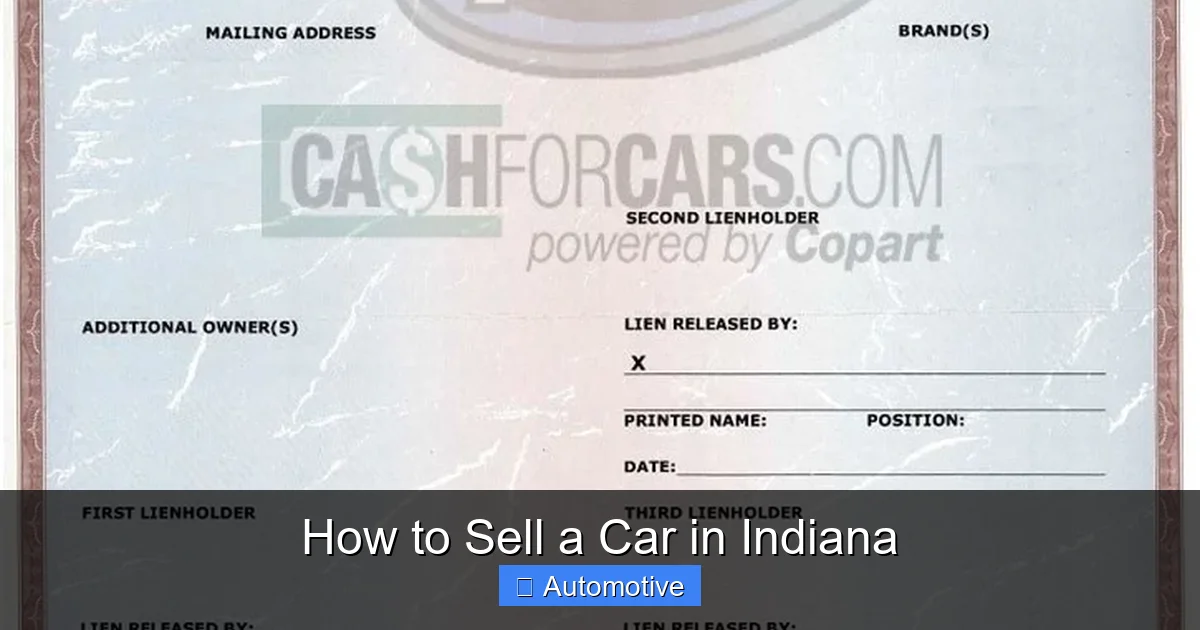
The title is the most important document. It proves you own the car and have the right to sell it. Make sure your name is on the title as the registered owner. If you’re married and the car is jointly owned, both names should be on the title.
If your title is lost, damaged, or never received, you’ll need to apply for a duplicate from the Indiana BMV. This can take a few weeks, so start early if you need one.
Bill of Sale
While not always required by law, a bill of sale is highly recommended. It acts as a receipt and legal record of the transaction. It should include:
– Seller and buyer names and addresses
– Vehicle make, model, year, and VIN
– Sale price
– Date of sale
– Odometer reading
– Signatures of both parties
You can find free bill of sale templates online or use the one provided by the Indiana BMV. Keep a copy for your records.
Odometer Disclosure Statement
Federal law requires you to disclose the vehicle’s mileage at the time of sale. This is usually done on the title itself, but if your title doesn’t have a space for it, you’ll need a separate odometer disclosure form.
Be honest. Tampering with odometer readings is a federal crime and can result in fines or jail time.
Safety Inspection (If Required)
In Indiana, private car sales don’t require a safety inspection before the sale. However, the buyer may need one to register the car, depending on their location and the vehicle’s age. Some buyers may ask for a recent inspection to feel confident about the purchase.
If your car is older or has known issues, consider getting a pre-sale inspection. It can help you address problems upfront and make the sale smoother.
Release of Liability Form
After the sale, you must notify the BMV that you’re no longer responsible for the vehicle. This is done by submitting a Notice of Sale (Form 44560) within 48 hours of the sale. You can do this online, by mail, or in person.
This step is crucial. Without it, you could be held liable for parking tickets, accidents, or toll violations if the buyer doesn’t register the car promptly.
Step 4: Advertise Your Car Effectively
Now that your car is ready and your paperwork is in order, it’s time to find a buyer. The way you advertise can make or break your sale. A great car with a poor listing won’t attract attention.
Choose the Right Platforms
Start with popular online marketplaces. Facebook Marketplace is one of the most effective—it’s free, easy to use, and reaches local buyers quickly. Craigslist is another option, though it requires more caution due to scams.
For broader reach, consider Autotrader, Cars.com, or even eBay Motors. These platforms attract serious buyers but may charge listing fees.
You can also post flyers at local coffee shops, libraries, or community centers—especially if your car is unique or priced very competitively.
Write a Clear, Honest Description
Your listing should be detailed but easy to read. Start with a strong headline that includes the year, make, model, and key feature (e.g., “2017 Ford F-150 – 4WD, Low Miles, Clean Title”).
In the description, include:
– Mileage
– Condition (excellent, good, fair)
– Any accidents or damage
– Recent repairs or maintenance
– Features (sunroof, backup camera, tow package)
– Reason for selling
Avoid exaggerations. Saying “runs great” is fine, but claiming “like new” when it has 120,000 miles can backfire.
Set a Competitive Price and Be Open to Offers
Price your car fairly, as discussed earlier. In your listing, mention that you’re open to reasonable offers—this encourages negotiation without lowering your price upfront.
Be prepared for lowball offers. Some buyers will try to haggle. Decide in advance the lowest price you’re willing to accept and stick to it.
Respond Promptly and Professionally
When buyers message or call, respond quickly—within a few hours if possible. Be polite, answer questions honestly, and schedule test drives at safe, public locations.
If a buyer seems serious, ask for their contact information and verify it before meeting. Trust your instincts—if something feels off, don’t proceed.
Step 5: Complete the Sale Safely and Legally
Once you’ve found a buyer, it’s time to finalize the sale. This is where many sellers make mistakes—so take your time and follow the steps carefully.
Meet in a Safe, Public Location
Always meet in a well-lit, public place—like a police station parking lot, shopping center, or BMV office. Some police departments even have “safe exchange zones” for online transactions.
Bring a friend or family member if possible. Never meet alone, especially if the buyer seems nervous or pushy.
Verify the Buyer’s Identity
Ask to see the buyer’s driver’s license. Make sure the name matches the one they’ll use on the title and bill of sale. This helps prevent fraud.
Conduct a Test Drive (If Applicable)
If the buyer wants to test drive the car, go with them. Never let someone drive off alone unless you’re certain they’re insured and trustworthy.
During the drive, point out any quirks or features. This shows you’re transparent and helps the buyer feel confident.
Complete the Title Transfer
On the title, fill in the buyer’s name and address in the “Buyer” section. Sign your name in the “Seller” section. Make sure the odometer reading is accurate and signed.
If the title has a lien, it must be released before the sale. Contact your lender if needed.
Accept Secure Payment
Cash is the safest option for private sales. If the amount is large, meet at a bank so the buyer can withdraw cash or get a cashier’s check.
Avoid personal checks—they can bounce. If you must accept a check, wait for it to clear before handing over the keys.
For added security, consider using an escrow service, especially for high-value vehicles.
Hand Over the Keys and Documents
Once payment is secure, give the buyer:
– The signed title
– Bill of sale
– Odometer disclosure (if separate)
– Maintenance records (if available)
– Owner’s manual and spare keys
Make sure the buyer understands they need to register the car and get insurance before driving it.
Submit the Notice of Sale
Within 48 hours, submit Form 44560 (Notice of Sale) to the Indiana BMV. You can do this online at the BMV website, by mail, or in person. Keep your confirmation number as proof.
This step protects you from future liability. Without it, you could be responsible for tickets or accidents involving the car.
Step 6: After the Sale – What to Do Next
Your job isn’t quite done after the keys are handed over. There are a few final steps to ensure everything is wrapped up properly.
Cancel Your Insurance
Once the car is sold, contact your insurance company to cancel or adjust your policy. You don’t want to keep paying for a car you no longer own.
If you’re buying a new car, you can often transfer your policy or get a new one on the same day.
Remove License Plates
In Indiana, license plates stay with the seller—not the car. Remove them before handing over the vehicle. You can reuse them on your next car or return them to the BMV.
If the buyer wants to use the plates, they’ll need to transfer them, which requires additional paperwork.
Keep Records of the Sale
Save copies of the bill of sale, title transfer, and Notice of Sale confirmation for at least two years. These documents can protect you if the buyer has issues registering the car or if there’s a dispute later.
Monitor for Any Issues
If you submitted the Notice of Sale correctly, you shouldn’t hear from the BMV. But if you receive a ticket or notice related to the car, contact the BMV immediately and provide your documentation.
Common Mistakes to Avoid When Selling a Car in Indiana
Even with the best intentions, sellers often make avoidable errors. Here are some common pitfalls and how to avoid them.
Not Cleaning the Car
A dirty car turns buyers away. Even if it runs well, a messy interior or exterior suggests neglect. Spend a few hours cleaning—it’s worth the effort.
Pricing Too High or Too Low
Overpricing leads to long listing times. Underpricing means losing money. Always research and price fairly.
Skipping the Notice of Sale
This is a big one. Failing to notify the BMV can leave you liable for the car’s actions after the sale. Always submit Form 44560.
Accepting Risky Payment Methods
Personal checks, wire transfers, or cryptocurrency can be risky. Stick to cash or cashier’s checks from a verified bank.
Not Verifying the Buyer
Always check ID and meet in public. Scammers often use fake names or pressure tactics.
Final Thoughts: Selling Your Car in Indiana Made Simple
Selling a car in Indiana doesn’t have to be stressful. By preparing your vehicle, pricing it fairly, gathering the right documents, and following legal steps, you can complete the sale smoothly and safely.
Remember, honesty and transparency build trust. A well-maintained car with clear photos and honest descriptions will attract serious buyers and help you get the best price.
Take your time, follow the steps in this guide, and don’t rush into a deal that doesn’t feel right. With the right approach, you’ll be driving away in your new vehicle—or enjoying the cash from your sale—in no time.
Frequently Asked Questions
Do I need a safety inspection to sell a car in Indiana?
No, Indiana does not require a safety inspection for private car sales. However, the buyer may need one to register the vehicle, depending on their location and the car’s age.
Can I sell a car in Indiana if I still owe money on it?
Yes, but the lien must be released before the sale. Contact your lender to pay off the loan and obtain a lien release. The buyer cannot register the car until the lien is cleared.
How long do I have to notify the BMV after selling my car?
You must submit a Notice of Sale (Form 44560) to the Indiana BMV within 48 hours of the sale. This protects you from future liability.
Can I sell my car without a title in Indiana?
No, you must have a valid title to sell a car in Indiana. If your title is lost, apply for a duplicate from the BMV before listing the vehicle.
What payment methods are safest when selling a car?
Cash and cashier’s checks from a verified bank are the safest options. Avoid personal checks, wire transfers, or digital payments that can be reversed.
Do I need to provide a warranty when selling a car privately in Indiana?
No, private car sales in Indiana are typically “as-is,” meaning no warranty is required. However, be honest about the car’s condition to avoid legal issues.
