
How to Safely Sell a Car on Facebook Marketplace

Selling a car on Facebook Marketplace can be fast and convenient, but safety should always come first. This guide walks you through every step—from listing your vehicle to finalizing the sale—so you can avoid scams, protect your personal information, and complete a secure transaction.
Selling a car can feel overwhelming, especially when you’re doing it for the first time. You want to get a fair price, find a serious buyer quickly, and avoid any headaches along the way. That’s where Facebook Marketplace comes in—it’s one of the most popular platforms for private car sales because it’s free, easy to use, and connects you with local buyers fast. But with convenience comes risk. Scammers, fake buyers, and unsafe meetups are real concerns. The good news? With the right approach, you can sell your car safely and smoothly.
This guide will walk you through everything you need to know about how to safely sell a car on Facebook Marketplace. From creating a smart listing to handling payments and paperwork, we’ll cover each step with practical tips and real-world examples. Whether you’re selling a sedan, SUV, or pickup truck, these strategies will help you protect yourself, build buyer confidence, and close the deal without stress.
Key Takeaways
- Verify buyer identity: Always confirm who you’re dealing with by asking for ID and checking their Facebook profile for authenticity.
- Meet in public places: Choose well-lit, busy locations like police stations or shopping centers for test drives and exchanges.
- Use secure payment methods: Avoid cash for large amounts; prefer cashier’s checks or bank transfers, and never accept overpayments.
- Prepare proper documentation: Have your title, bill of sale, and vehicle history report ready to build trust and speed up the process.
- Be cautious with personal info: Never share your home address, Social Security number, or bank details in messages or emails.
- Report suspicious activity: Use Facebook’s reporting tools if someone pressures you, asks for unusual payments, or seems untrustworthy.
- Clean and detail your car: A well-maintained vehicle attracts serious buyers and can increase your sale price.
📑 Table of Contents
1. Prepare Your Car for Sale
Before you even think about posting your ad, take time to get your car in the best possible condition. First impressions matter—especially online, where buyers can’t see or touch your vehicle in person. A clean, well-maintained car not only looks more appealing but also signals that you’ve taken good care of it, which can justify a higher asking price.
Clean Inside and Out
Start with a thorough wash and wax. Remove any dirt, grime, or bird droppings from the exterior. Don’t forget the wheels and tires—clean them with a dedicated cleaner to make them shine. Inside, vacuum the carpets, wipe down surfaces, and clean the windows. If your car has odors, consider using an odor eliminator or placing an open box of baking soda overnight to absorb smells. A fresh-smelling interior makes a big difference.
Address Minor Repairs
Fix small issues like burnt-out bulbs, cracked windshield wipers, or a broken cup holder. These might seem trivial, but they show buyers you’re responsible and detail-oriented. If your car has a check engine light on, get it diagnosed and repaired if possible. Even if the fix is minor, leaving it unresolved can scare off potential buyers.
Gather Maintenance Records
Collect all service receipts, oil change logs, and repair records. Organize them in a folder or digital file. Buyers love seeing proof that the car has been well-maintained. If you’ve done regular oil changes, brake inspections, or transmission services, highlight those in your listing. This builds trust and can help you negotiate a better price.
Get a Pre-Sale Inspection
Consider paying a trusted mechanic to perform a pre-sale inspection. This isn’t required, but it’s a smart move. The mechanic will check the engine, transmission, brakes, suspension, and other key components. You’ll get a detailed report that you can share with buyers. It shows transparency and can prevent last-minute surprises during a test drive.
2. Create a Compelling and Honest Listing
Visual guide about How to Safely Sell a Car on Facebook Marketplace
Image source: awajis.com
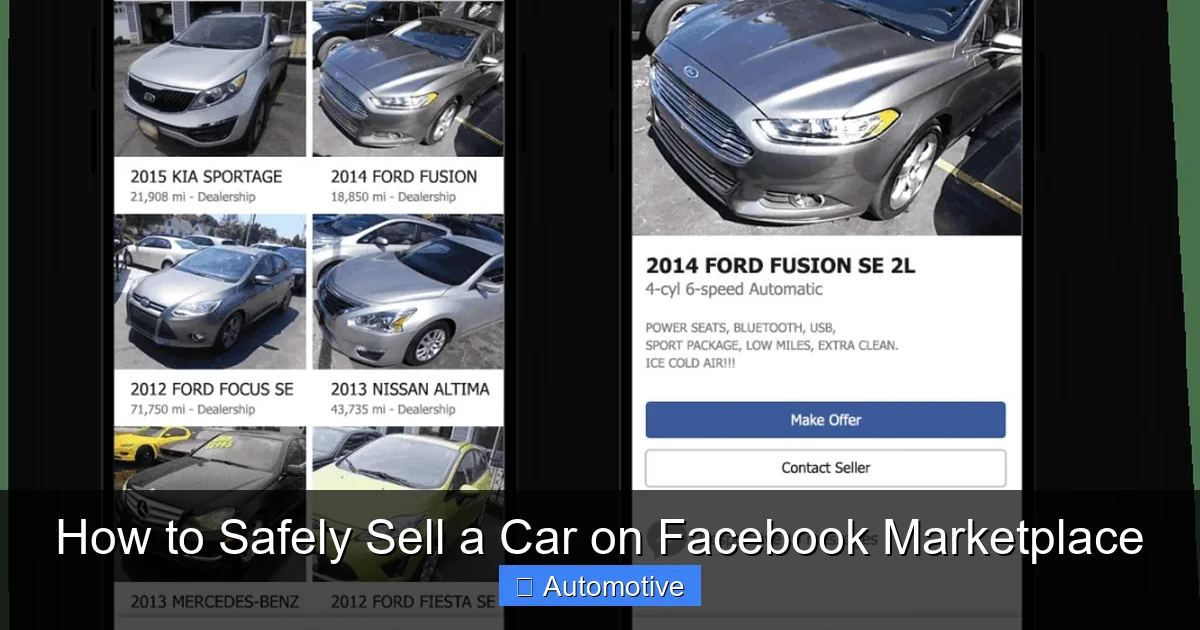
Your Facebook Marketplace listing is your first chance to impress buyers. A strong ad with clear photos, accurate details, and honest descriptions will attract serious inquiries and reduce back-and-forth questions.
Write a Clear, Detailed Title
Use a straightforward title that includes the year, make, model, and key features. For example: “2018 Honda CR-V EX-L – AWD, Low Miles, Clean Title.” Avoid vague terms like “nice car” or “great deal.” Be specific so buyers can quickly decide if your vehicle matches what they’re looking for.
Take High-Quality Photos
Photos are crucial. Take pictures in natural daylight, preferably outdoors. Capture the front, back, sides, interior, dashboard, trunk, and engine bay. Show any scratches, dents, or wear honestly—this builds credibility. Use a clean background and avoid clutter. If possible, take photos from multiple angles and include close-ups of important features like the infotainment system or leather seats.
Be Honest About the Condition
Don’t exaggerate or hide flaws. If the paint is faded, the AC takes time to cool, or there’s a small dent on the door, mention it. Buyers appreciate honesty, and it prevents disputes later. You can say something like, “Minor paint wear on the hood, but no rust. AC works great after a few minutes.” This shows you’re upfront and trustworthy.
Include Key Details
List important information such as:
– Mileage
– Transmission type (automatic or manual)
– Fuel type (gas, hybrid, diesel)
– Number of previous owners
– Any accidents or damage history
– Recent repairs or upgrades
– Reason for selling
Also, mention if the car comes with extras like winter tires, a roof rack, or a full-size spare. These details help buyers compare your car to others and can make your listing stand out.
Set a Competitive Price
Research similar vehicles in your area using Facebook Marketplace, Kelley Blue Book, or Edmunds. Look at cars with similar mileage, condition, and features. Price yours slightly below the average to attract more interest, or match it if your car is in excellent shape. Avoid overpricing—it can lead to your listing sitting for weeks.
3. Communicate Safely with Potential Buyers
Visual guide about How to Safely Sell a Car on Facebook Marketplace
Image source: experian.com
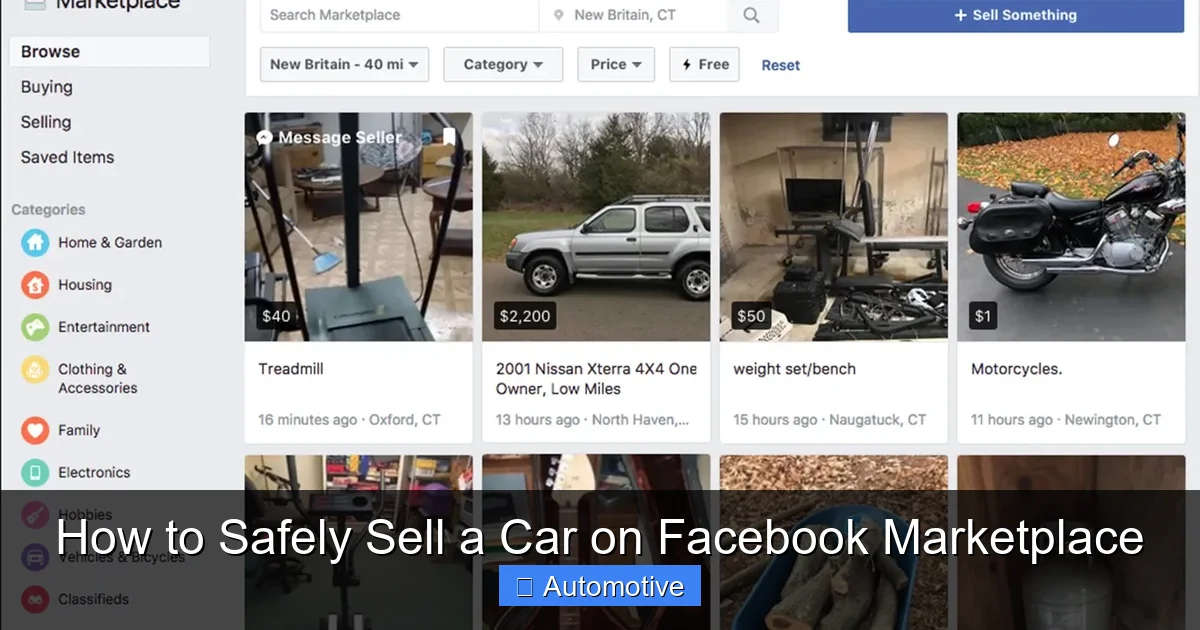
Once your listing goes live, you’ll start getting messages. Some will be from serious buyers, while others might be scammers or time-wasters. Knowing how to communicate safely and effectively is key to a smooth sale.
Respond Promptly but Cautiously
Reply to messages quickly—this shows you’re serious and responsive. But don’t give out personal information like your home address, phone number, or Social Security number. Use Facebook Messenger for initial conversations. If you need to talk by phone, use a burner number or a Google Voice number to protect your privacy.
Ask Screening Questions
Before meeting, ask a few questions to gauge the buyer’s seriousness. For example:
– “What’s your timeline for purchasing?”
– “Have you driven a similar model before?”
– “Are you planning to finance or pay in full?”
Serious buyers will answer clearly. If someone avoids questions, asks for your personal info, or pressures you to act fast, be cautious.
Watch for Red Flags
Be alert to common scam tactics:
– Buyers who want to pay with a cashier’s check and ask you to wire back the difference.
– Requests to ship the car or meet in a remote location.
– Messages from accounts with no profile picture, few friends, or recent creation dates.
– Buyers who refuse to meet in person or want to send a “friend” to pick up the car.
If something feels off, trust your gut. You can always say, “I prefer to meet in person and handle the transaction face-to-face.”
Use Facebook’s Safety Features
Facebook Marketplace has built-in tools to help protect you. Enable message filtering to reduce spam. Use the “Report” button if someone behaves suspiciously. You can also block users who make you uncomfortable. These features are simple but effective.
4. Arrange Safe Meetups and Test Drives
Visual guide about How to Safely Sell a Car on Facebook Marketplace
Image source: experian.com
Meeting buyers in person is unavoidable, but you can make it as safe as possible. The goal is to protect yourself, your car, and your personal information while still giving buyers a fair chance to inspect the vehicle.
Choose a Safe Location
Always meet in a public, well-lit, and busy place. Ideal locations include:
– Police station parking lots (many have designated “safe exchange zones”)
– Shopping mall parking lots
– Banks or credit unions
– Busy gas stations
Avoid meeting at your home or in isolated areas. If possible, go with a friend or family member. Let someone know where you’re going and when you expect to return.
Bring Essentials
When you meet the buyer, bring:
– Your driver’s license
– Proof of insurance
– The car title and registration
– A copy of the bill of sale (you can find free templates online)
– A pen and notepad
Also, remove any personal items from the car—purses, phones, mail, or documents with your address.
Supervise the Test Drive
Never let the buyer drive alone. You should always be in the car during the test drive. This protects you legally and ensures the car isn’t damaged or taken without permission. Before the drive, check the buyer’s driver’s license and verify it matches their ID. Take a photo of the license for your records (but don’t share it).
During the drive, stay calm and answer questions honestly. Point out any quirks or features. If the buyer seems overly aggressive or tries to pressure you, end the drive early.
Limit Test Drive Time
Keep the test drive short—15 to 20 minutes is usually enough. This gives the buyer a good feel for the car without giving them too much freedom. Stick to familiar roads and avoid highways unless necessary.
5. Handle Payment and Paperwork Securely
The final step is completing the sale. This is where many scams happen, so it’s important to handle payment and paperwork carefully.
Accept Secure Payment Methods
The safest way to get paid is with a cashier’s check from a local bank or a direct bank transfer. If you accept cash, meet at a bank so you can verify the bills and deposit them immediately. Never accept personal checks—they can bounce.
Avoid wire transfers, gift cards, or cryptocurrency. These are common in scams. If a buyer insists on an unusual payment method, walk away.
Complete the Bill of Sale
A bill of sale is a legal document that proves the transfer of ownership. It should include:
– Buyer and seller names and addresses
– Vehicle make, model, year, and VIN
– Sale price
– Date of sale
– Signatures of both parties
You can find free templates online or use your state’s DMV form. Both you and the buyer should sign it and keep a copy.
Transfer the Title
Sign the title over to the buyer. Make sure to fill out all required fields, including the odometer reading and sale price. Some states require a notarized signature, so check your local DMV rules. Once the title is transferred, the buyer becomes the legal owner.
Notify Your Insurance Company
After the sale, contact your insurance provider to remove the car from your policy. You don’t want to keep paying for a vehicle you no longer own. If you’re buying a new car, you can often transfer coverage temporarily.
Cancel Registration (If Required)
In some states, you must cancel the registration or notify the DMV of the sale. Check your local requirements to avoid fines or liability if the buyer doesn’t register the car properly.
6. Avoid Common Scams and Pitfalls
Even with precautions, scammers are creative. Knowing the most common tactics can help you avoid falling victim.
Overpayment Scams
A buyer sends you a check for more than the agreed price and asks you to wire back the difference. The check later bounces, and you’re out the money. Always wait for funds to clear before sending anything.
Fake Buyers
Some scammers pretend to be interested but never show up. They might ask for your VIN, photos, or personal info “for verification.” Don’t share sensitive details until you’re sure the buyer is legitimate.
Phishing Links
Be wary of messages with links to “secure payment portals” or “verification sites.” These are often fake and designed to steal your information. Always go through official channels.
Pressure Tactics
Scammers may rush you, saying they need the car “today” or that “another buyer is interested.” Take your time. A legitimate buyer will respect your process.
7. Final Tips for a Smooth Sale
A few extra steps can make your experience even better.
Be Patient
Selling a car takes time. Don’t rush into a deal just because you’re eager to sell. Wait for the right buyer who values your car and treats you with respect.
Stay Calm During Negotiations
Buyers will often try to negotiate. Know your bottom line and stick to it. If they lowball you, politely decline and wait for a better offer.
Keep Records
Save all messages, emails, and documents related to the sale. This protects you in case of disputes or legal issues later.
Leave a Positive Impression
Even after the sale, a kind word or thank-you note can leave a lasting impression. It reflects well on you and may lead to referrals.
Conclusion
Selling a car on Facebook Marketplace doesn’t have to be stressful. By preparing your vehicle, creating an honest listing, communicating safely, and handling the transaction with care, you can protect yourself and find a great buyer. Remember: safety comes first. Meet in public, verify identities, use secure payments, and trust your instincts. With these tips, you’ll not only sell your car quickly but also enjoy a smooth, secure experience from start to finish. Whether you’re upgrading to a new ride or just need to downsize, Facebook Marketplace can be a powerful tool—when used wisely.
Frequently Asked Questions
Is it safe to sell a car on Facebook Marketplace?
Yes, it can be safe if you follow best practices like meeting in public, verifying buyer identity, and using secure payment methods. Avoid sharing personal information and report suspicious activity immediately.
What payment method is safest when selling a car?
The safest options are cash (verified at a bank), cashier’s checks from a local bank, or direct bank transfers. Avoid personal checks, wire transfers, or gift cards, which are common in scams.
Should I let a buyer test drive the car alone?
No, you should always accompany the buyer during a test drive. This protects you legally and ensures the car isn’t damaged or taken without permission.
Do I need a bill of sale when selling a car?
Yes, a bill of sale is a legal document that proves the transfer of ownership. It should include details like the VIN, sale price, and signatures of both parties.
Can I sell my car if I still owe money on it?
It’s possible, but you’ll need to pay off the loan first or arrange for the buyer to assume it (if allowed by your lender). Most private buyers prefer cars with clear titles.
How do I avoid scams on Facebook Marketplace?
Watch for red flags like overpayment requests, pressure to act fast, or buyers who refuse to meet in person. Always verify identities, use secure payments, and report suspicious behavior.