
How to Remove Glue from Car Glass

Removing glue from car glass doesn’t have to be a headache. Whether it’s old adhesive from stickers, tar residue, or industrial glue, the right tools and techniques can restore your windshield or windows to a clean, clear state—without causing damage.
Key Takeaways
- Act quickly: Fresh glue is easier to remove than dried or cured adhesive.
- Use the right solvent: Choose products like isopropyl alcohol, vinegar, or commercial adhesive removers based on glue type.
- Protect surrounding surfaces: Mask off paint and trim to avoid chemical damage.
- Scrape gently: Use plastic scrapers or razor blades (on flat glass only) to avoid scratches.
- Test in a small area first: Always do a patch test to ensure the method won’t harm tinting or coatings.
- Clean thoroughly afterward: Wash the glass with soapy water to remove residue and restore clarity.
- Prevent future buildup: Use removable adhesives or protective films when attaching items to glass.
📑 Table of Contents
- Why Glue Ends Up on Car Glass—And Why It’s a Problem
- Common Types of Glue Found on Car Glass
- Tools and Supplies You’ll Need
- Step-by-Step Guide to Removing Glue from Car Glass
- Best Solvents for Different Types of Glue
- Tips to Avoid Damaging Your Car Glass
- When to Call a Professional
- How to Prevent Glue Buildup in the Future
- Conclusion
Why Glue Ends Up on Car Glass—And Why It’s a Problem
You’re driving down the highway, enjoying the view through your windshield, when you notice a stubborn patch of sticky residue near the rearview mirror. It’s leftover glue from an old parking permit, a child’s sticker, or maybe even a DIY repair gone wrong. Whatever the source, glue on car glass is more than just an eyesore—it can reduce visibility, trap dirt, and even interfere with sensors in modern vehicles.
Modern cars rely heavily on clean, unobstructed glass. Advanced driver-assistance systems (ADAS), like lane departure warnings and automatic wipers, use cameras and sensors mounted behind the windshield. Even a small patch of glue or haze can throw off these systems, leading to false alerts or reduced functionality. Plus, no one wants to look through a windshield that looks like it’s been through a craft project gone wrong.
The good news? Removing glue from car glass is entirely doable at home with the right approach. The key is knowing what type of glue you’re dealing with, using safe and effective removal methods, and taking precautions to protect your vehicle’s finish. In this guide, we’ll walk you through everything you need to know—from identifying common glue types to step-by-step removal techniques and prevention tips.
Common Types of Glue Found on Car Glass
Before you start scrubbing, it helps to understand what kind of adhesive you’re up against. Different glues require different removal strategies. Here are the most common types you might encounter:
Sticker and Decal Adhesive
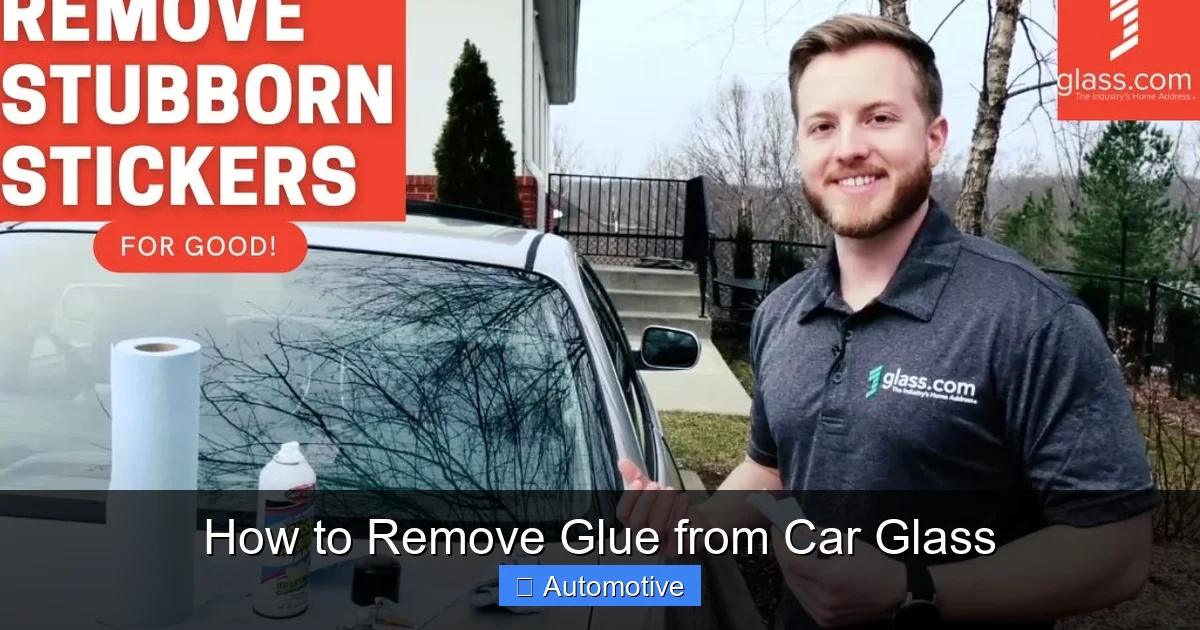
This is the most frequent culprit. Think parking permits, inspection stickers, bumper stickers, or decorative decals. These use pressure-sensitive adhesives that bond when pressed onto the glass. Over time, especially under sun exposure, the glue can harden and become difficult to remove. The plastic backing may peel off easily, but the sticky residue often remains.
Visual guide about How to Remove Glue from Car Glass
Image source: i.ytimg.com
Tape Residue
Duct tape, masking tape, or even painter’s tape can leave behind a gummy film, especially if left on for weeks or exposed to heat. While some tapes are designed to be removable, others—particularly heavy-duty or weather-resistant varieties—can leave behind a stubborn adhesive layer.
Tar and Asphalt Glue
If you’ve driven on freshly paved roads, you might notice dark, sticky spots on your windshield. These aren’t technically glues, but they behave similarly. Tar and asphalt contain bitumen, a petroleum-based substance that can bond tightly to glass and harden over time. It often appears as dark streaks or blobs, especially near the base of the windshield.
Construction or Industrial Adhesives
These are less common but can occur during repairs or installations. Silicone sealants, epoxy, or super glue (cyanoacrylate) might accidentally get on the glass during windshield replacements, trim installations, or DIY projects. These adhesives are designed to be strong and durable, making them tougher to remove.
Old Window Tint Residue
When removing old window tint, the adhesive layer often remains stuck to the glass. This glue is usually water-based but can become brittle and flaky over time. It’s especially common on side and rear windows and may require special solvents to dissolve.
Understanding the type of glue helps you choose the best removal method. For example, alcohol works well on sticker residue, while tar removers are better for asphalt. Always start with the gentlest option and work your way up to stronger chemicals if needed.
Tools and Supplies You’ll Need
You don’t need a professional detailing kit to remove glue from car glass, but having the right tools makes the job faster, safer, and more effective. Here’s a checklist of essentials:
Basic Cleaning Supplies
- Microfiber cloths: Use lint-free cloths to avoid leaving fibers behind. Keep a few on hand—one for applying solvent, one for wiping, and one for final polishing.
- Spray bottle: For mixing and applying homemade solutions like vinegar or soapy water.
- Warm, soapy water: A simple mix of dish soap and warm water is great for initial cleaning and final rinsing.
Solvents and Chemicals
- Isopropyl alcohol (70% or higher): Effective on most sticker and tape residues. It evaporates quickly and won’t leave a film.
- White vinegar: A natural alternative that works well on light adhesive buildup. Mix with equal parts water for a gentle solution.
- Commercial adhesive removers: Products like Goo Gone, 3M Adhesive Remover, or WD-40 can tackle tough residues. Always check the label to ensure it’s safe for glass and won’t damage paint or trim.
- Rubbing alcohol or nail polish remover (acetone-based): Use with caution—acetone can damage rubber seals, plastic trim, and painted surfaces. Only use on small, isolated areas and rinse immediately.
Scraping Tools
- Plastic razor blades or scrapers: Ideal for gently lifting dried glue without scratching the glass. Look for ones made from polycarbonate or nylon.
- Metal razor blades (for flat glass only): Can be used on windshields and rear windows, but never on curved or tinted glass. Hold the blade at a 45-degree angle and scrape in one direction.
- Credit card or old gift card: A budget-friendly alternative for light scraping. Bend it slightly to create a scraping edge.
Protective Gear
- Gloves: Nitrile or rubber gloves protect your hands from chemicals and sticky residue.
- Safety glasses: Especially important when using strong solvents or scraping near your face.
- Masking tape: Use to protect surrounding paint, rubber seals, and trim from accidental solvent contact.
Optional but Helpful
- Steam cleaner: A handheld steamer can soften glue with heat, making it easier to wipe away. Great for large areas or delicate surfaces.
- Hairdryer: Applying heat can loosen adhesive. Use on low or medium setting and keep moving to avoid overheating the glass.
- Glass cleaner: For a final polish after glue removal. Choose an ammonia-free formula if you have tinted windows.
Having these tools ready before you start will save time and prevent frustration. Always work in a well-ventilated area, especially when using chemical solvents.
Step-by-Step Guide to Removing Glue from Car Glass
Now that you’re equipped with the right tools, let’s walk through a safe and effective process for removing glue from your car’s glass. Follow these steps in order, and don’t rush—patience is key to avoiding damage.
Step 1: Prepare the Area
Start by parking your car in a shaded, cool area. Direct sunlight can cause solvents to evaporate too quickly, reducing their effectiveness. If possible, work indoors or under a carport. Clean the glass with warm, soapy water to remove dust, dirt, and loose debris. Dry it with a microfiber cloth. This ensures the solvent can penetrate the glue without interference.
Visual guide about How to Remove Glue from Car Glass
Image source: modpodgerocksblog.com
Visual guide about How to Remove Glue from Car Glass
Image source: carsupercare.com
Step 2: Identify the Glue Type
Take a close look at the residue. Is it shiny and rubbery? That’s likely sticker adhesive. Is it dark and tar-like? Probably asphalt. Knowing the type helps you choose the best solvent. When in doubt, start with the mildest option—like vinegar or soapy water—and escalate only if needed.
Step 3: Apply Heat (Optional)
For hardened or dried glue, heat can make a big difference. Use a hairdryer on medium heat, holding it 6–8 inches away from the glass. Move it in circular motions for 30–60 seconds. You’ll notice the glue softening and becoming more pliable. This step is especially helpful for old stickers or tape residue. Avoid overheating, as extreme temperature changes can crack glass.
Step 4: Apply the Solvent
Spray or dab your chosen solvent directly onto the glue. Let it sit for 1–2 minutes to penetrate. For stubborn spots, you can cover the area with a paper towel soaked in solvent to keep it moist. Avoid letting the solvent drip onto paint or trim—use masking tape to protect surrounding areas if necessary.
Step 5: Gently Scrape or Wipe
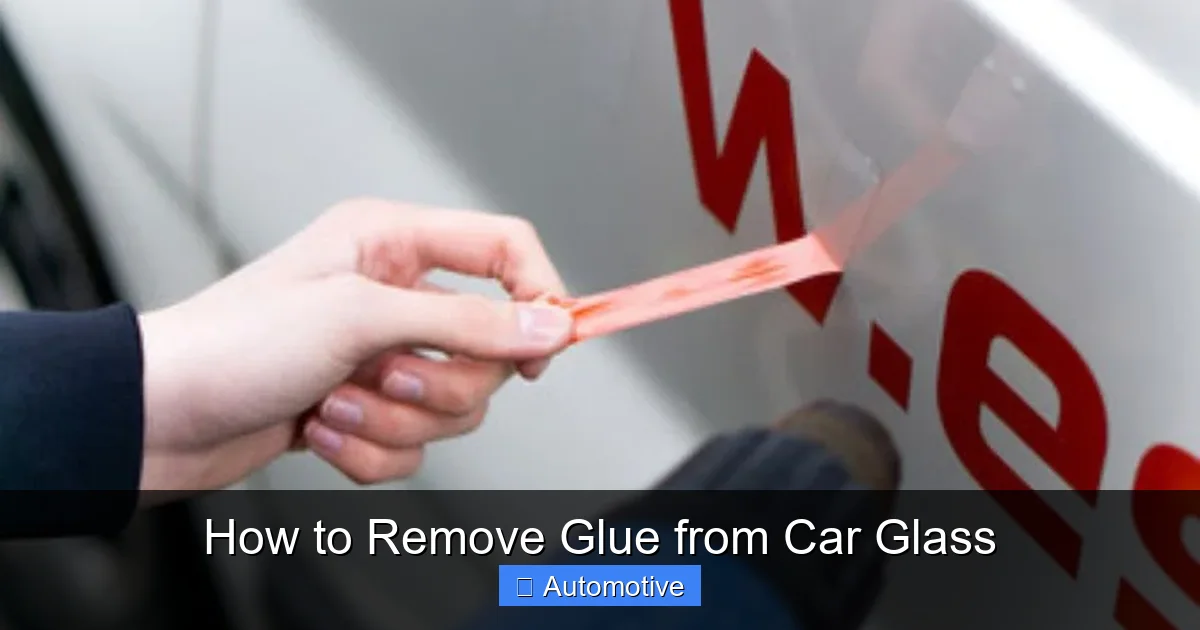
After the solvent has had time to work, use a plastic scraper or razor blade to gently lift the glue. Hold the tool at a low angle and scrape in one direction. Don’t press too hard—let the solvent do the work. For smaller areas, use a cloth or cotton swab to wipe away the softened residue.
Step 6: Repeat if Necessary
Some glue may require a second application. If residue remains, repeat steps 4 and 5. Be patient—rushing can lead to scratches or damage.
Step 7: Clean and Polish
Once all glue is removed, wash the area with soapy water to remove any solvent residue. Dry with a clean microfiber cloth. Finish with a glass cleaner for a streak-free shine. Inspect the area under good lighting to ensure no haze or film remains.
Step 8: Check for Damage
After cleaning, examine the glass for scratches, cloudiness, or damage to tinting or coatings. If you notice any issues, stop using harsh chemicals and consider consulting a professional.
This method works for windshields, side windows, and rear glass. Always adjust your approach based on the glue type and glass condition.
Best Solvents for Different Types of Glue
Not all solvents are created equal. Here’s a quick guide to matching the right solution to the glue you’re dealing with:
For Sticker and Decal Residue
Isopropyl alcohol is your best friend. It’s strong enough to break down adhesive but safe for glass and most surrounding materials. Apply with a cloth, let sit for a minute, then wipe or scrape. For extra stubborn spots, mix with a few drops of dish soap to boost cleaning power.
For Tape Residue
White vinegar is a natural and effective option. Mix equal parts vinegar and water in a spray bottle. Spray on the residue, wait 2–3 minutes, then wipe with a cloth. The acidity helps dissolve the adhesive without harsh chemicals.
For Tar and Asphalt
Use a commercial tar remover or citrus-based cleaner. These products are formulated to break down petroleum-based substances. Apply, let sit for 5–10 minutes, then wipe with a cloth. Avoid using acetone or paint thinner, as they can damage rubber and paint.
For Industrial Adhesives (Epoxy, Super Glue)
These require stronger solvents. Acetone can dissolve super glue, but use it sparingly and only on small areas. Test on a hidden spot first. For silicone sealant, try a specialized silicone remover or a plastic scraper after softening with heat.
For Old Window Tint Adhesive
Ammonia-based glass cleaners or commercial tint removal sprays work well. Spray generously, cover with plastic wrap to slow evaporation, wait 10–15 minutes, then scrape gently. Rinse thoroughly afterward.
DIY Solvent Mixtures
You can make effective cleaners at home. Try mixing baking soda and water into a paste for gentle abrasion. Or combine rubbing alcohol, vinegar, and a drop of dish soap for a multi-purpose adhesive remover. Always test on a small area first.
Remember: stronger isn’t always better. Start mild and increase strength only if needed. And always rinse thoroughly to prevent chemical buildup.
Tips to Avoid Damaging Your Car Glass
Removing glue safely means protecting your glass and surrounding components. Here are essential tips to keep in mind:
Never Use Metal Scrapers on Tinted or Curved Glass
Metal blades can scratch or crack curved side windows and damage the delicate layers of tinted film. Stick to plastic tools or soft cloths on these surfaces.
Protect Paint and Trim
Solvents like acetone, Goo Gone, or tar removers can strip wax, dull paint, or degrade rubber seals. Use masking tape to cover edges, and wipe away any overspray immediately.
Avoid Excessive Heat
While heat helps soften glue, too much can weaken the glass or damage adhesive seals around the windshield. Keep the hairdryer moving and use low to medium heat.
Don’t Use Abrasive Pads or Steel Wool
These can scratch glass and leave permanent marks. Even “non-scratch” pads may contain micro-abrasives that dull the surface over time.
Test Solvents First
Always do a patch test on a small, inconspicuous area. Wait 5–10 minutes to ensure there’s no clouding, discoloration, or damage.
Work in Sections
For large areas, tackle one section at a time. This prevents solvents from drying out before you can wipe them away.
Rinse Thoroughly
Residual chemicals can attract dirt or leave a hazy film. Always follow up with a soapy water rinse and dry with a clean cloth.
By following these precautions, you’ll keep your glass looking pristine while effectively removing unwanted glue.
When to Call a Professional
Most glue removal jobs can be handled at home, but there are times when it’s best to leave it to the experts:
Large or Widespread Residue
If glue covers a large portion of the windshield or multiple windows, a professional detailer has the tools and experience to clean it efficiently without risking damage.
Damaged or Cracked Glass
Scraping on compromised glass can worsen cracks or chips. A professional can assess whether repair or replacement is needed.
Advanced Driver-Assistance Systems (ADAS)
If your car has cameras or sensors behind the windshield, improper cleaning can misalign them. Professionals use calibrated tools and techniques to avoid this.
Failed DIY Attempts
If you’ve tried multiple methods and the glue remains—or if you’ve accidentally scratched the glass—it’s time to seek help. Continuing could cause more harm.
Warranty Concerns
If your windshield is under warranty, DIY cleaning might void it. Check your terms before proceeding.
Professional auto glass technicians have access to industrial-grade solvents, steam cleaners, and precision tools. They can often remove glue in minutes with minimal risk.
How to Prevent Glue Buildup in the Future
An ounce of prevention is worth a pound of cure. Here’s how to avoid glue problems down the road:
Use Removable Adhesives
When attaching items like dash cams, phone mounts, or parking permits, choose products with removable or low-tack adhesives. Look for labels like “clean removal” or “no residue.”
Apply Protective Films
Clear paint protection film (PPF) or static-cling covers can shield your windshield from stickers and decals. When it’s time to remove them, the film comes off cleanly—taking the glue with it.
Remove Stickers Promptly
Don’t let stickers sit for years. The longer they’re on, the harder the adhesive becomes. Remove them as soon as they’re no longer needed.
Use Mounting Alternatives
Instead of adhesive mounts, consider suction cup or clip-on holders for phones and GPS devices. They’re reusable and leave no residue.
Regular Maintenance
Include glass cleaning in your regular car wash routine. Spotting and removing small glue spots early prevents them from hardening.
By being proactive, you’ll save time, effort, and potential damage in the long run.
Conclusion
Removing glue from car glass might seem like a minor chore, but it’s an important part of vehicle maintenance. Not only does it improve visibility and appearance, but it also protects advanced safety systems and preserves the value of your car. With the right tools, techniques, and a bit of patience, you can tackle even the most stubborn adhesive residues safely and effectively.
Start by identifying the type of glue, choose a suitable solvent, and work gently to avoid damage. Always protect surrounding surfaces, test your method first, and clean thoroughly afterward. And remember—when in doubt, or if the job feels too big, don’t hesitate to call a professional.
Your car’s glass deserves to be clear, clean, and glue-free. Follow the steps in this guide, and you’ll be back to enjoying unobstructed views in no time.
Frequently Asked Questions
Can I use WD-40 to remove glue from car glass?
Yes, WD-40 can help loosen adhesive residue. Spray it on, let it sit for a few minutes, then wipe with a cloth. However, it can leave an oily film, so always follow up with soapy water and glass cleaner.
Is it safe to use a razor blade on a windshield?
Yes, but only on flat, untinted glass like windshields and rear windows. Use a clean, sharp blade at a 45-degree angle and scrape in one direction. Never use metal blades on curved or tinted windows.
Will vinegar damage my car’s paint or trim?
Diluted white vinegar is generally safe, but prolonged exposure can dull wax or damage rubber. Use it sparingly, avoid contact with paint, and rinse thoroughly after use.
How do I remove super glue from car glass?
Acetone can dissolve super glue, but use it carefully. Apply with a cotton swab to avoid spreading, and rinse immediately. Test on a small area first to ensure no damage occurs.
Can I use a steam cleaner on tinted windows?
Yes, but use low heat and keep the steamer moving. High heat can damage the tint film or adhesive layer. Always test on a small area first.
Why does glue turn yellow on car glass?
Over time, exposure to UV light and heat can cause some adhesives to oxidize and yellow. This is common with old stickers or low-quality tapes. Removal followed by polishing can restore clarity.