How to Remove Corrosion from Car Battery
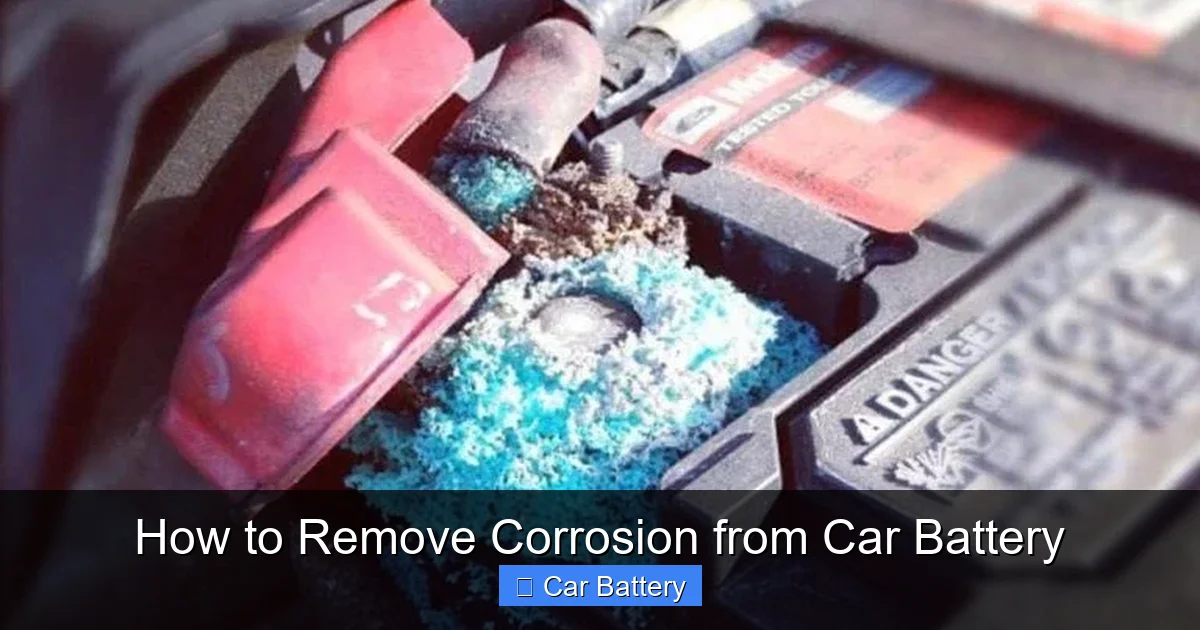
Corrosion on your car battery terminals is common but fixable. With basic tools and safety precautions, you can clean it yourself in under 30 minutes. Regular maintenance prevents future buildup and keeps your car starting reliably.
In This Article
- 1 Key Takeaways
- 2 📑 Table of Contents
- 3 Why Car Battery Corrosion Happens and Why It Matters
- 4 Signs of Battery Corrosion and When to Act
- 5 Safety Precautions Before You Begin
- 6 Step-by-Step Guide to Removing Corrosion
- 7 Preventing Future Corrosion
- 8 When to Call a Professional
- 9 Conclusion
- 10 Frequently Asked Questions
- 10.1 Can I clean battery corrosion without disconnecting the cables?
- 10.2 Is it safe to use vinegar to clean battery corrosion?
- 10.3 How often should I clean my car battery?
- 10.4 Can corrosion cause my car not to start?
- 10.5 What if the corrosion keeps coming back?
- 10.6 Can I use WD-40 to clean battery terminals?
Key Takeaways
- Safety first: Always wear gloves and goggles when handling battery corrosion to avoid skin and eye irritation.
- Turn off the engine: Ensure the car is off and keys are removed before starting any cleaning process.
- Use baking soda and water: This safe, effective mixture neutralizes acidic corrosion without damaging battery components.
- Disconnect terminals properly: Remove the negative (black) cable first, then the positive (red) to prevent short circuits.
- Scrub gently with a wire brush: Use a dedicated battery terminal brush or old toothbrush to remove stubborn buildup.
- Apply anti-corrosion spray or grease: After cleaning, coat terminals to slow future corrosion and improve conductivity.
- Check battery health regularly: Inspect terminals every 3–6 months to catch corrosion early and maintain optimal performance.
📑 Table of Contents
Why Car Battery Corrosion Happens and Why It Matters
If you’ve ever popped the hood of your car and noticed a white, green, or bluish powdery substance around the battery terminals, you’re not alone. That’s corrosion—and it’s more common than you might think. While it may look harmless, battery corrosion can actually interfere with your car’s electrical system, leading to poor performance, difficulty starting, and even complete battery failure if left unchecked.
So, what causes this gunk to form? Car batteries produce hydrogen gas as a byproduct of the chemical reactions that generate electricity. Over time, this gas can escape through small vents in the battery casing and react with the metal terminals—usually lead or lead alloy—creating sulfate compounds. These compounds appear as that crusty, flaky buildup you see around the posts. Humidity, temperature changes, and overcharging can accelerate the process.
But here’s the good news: corrosion is preventable and entirely removable with the right approach. Ignoring it, however, can lead to bigger problems. Corrosion acts like an insulator, reducing the flow of electricity between the battery and your car’s starter, alternator, and other components. This can cause your engine to crank slowly or not start at all—especially in cold weather when your battery is already under stress.
Think of it like a clogged pipe in your home. Water can’t flow freely if the pipe is blocked, and electricity can’t flow efficiently if the connection is compromised. That’s why regular inspection and cleaning are essential parts of car maintenance. Even if your car starts fine today, a little corrosion now could turn into a roadside breakdown tomorrow.
The good news? You don’t need to be a mechanic to fix this. With a few household items and some basic safety steps, you can clean corrosion from your car battery in under 30 minutes. In this guide, we’ll walk you through the entire process—from identifying the signs of corrosion to preventing it from coming back.
Signs of Battery Corrosion and When to Act
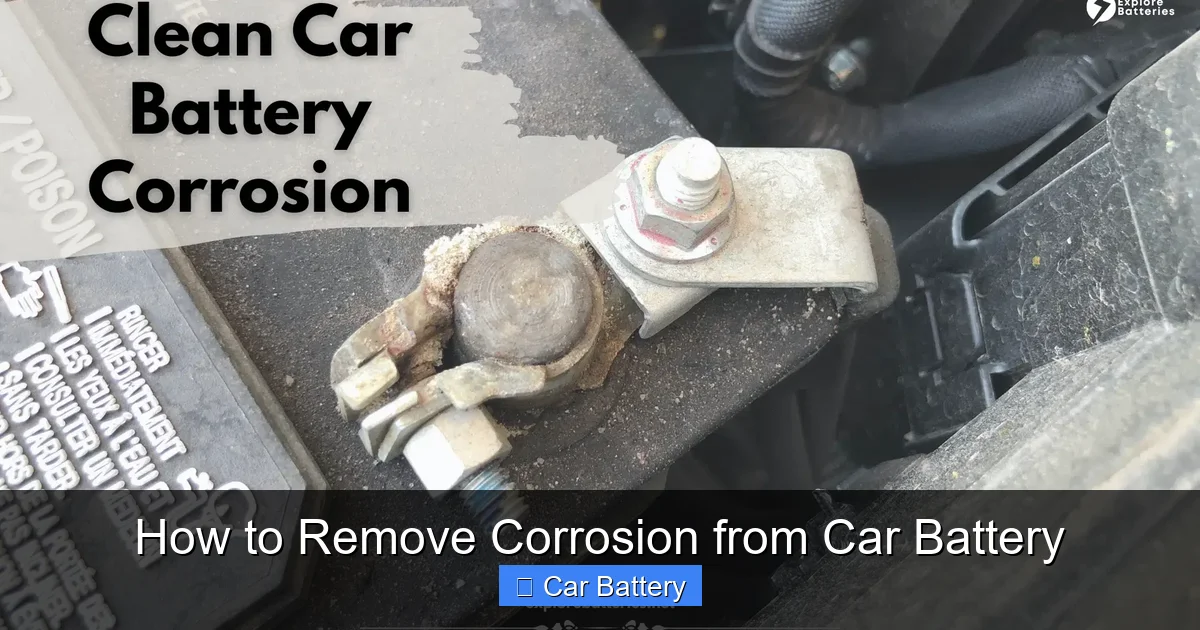
Visual guide about How to Remove Corrosion from Car Battery
Image source: explorebatteries.net
Knowing when to clean your battery starts with recognizing the signs of corrosion. The most obvious clue is the visible buildup around the terminals. This residue often looks like a white or light gray powder, but it can also appear green, blue, or even yellow depending on the chemicals involved. Sometimes, it forms a crusty layer that’s hard to miss. Other times, it’s a fine dust that blends in with dirt and grime—so it’s important to inspect your battery regularly.
But corrosion isn’t always easy to spot. In some cases, the buildup is hidden under the battery cables or inside the terminal clamps. That’s why it’s a good idea to gently wiggle the cables while the engine is off. If they move too freely or feel loose, corrosion may have eaten away at the connection points, weakening the bond between the cable and the terminal.
Another sign to watch for is poor electrical performance. If your headlights dim when you start the car, your radio resets unexpectedly, or your engine cranks slowly—especially in the morning—corrosion could be the culprit. These symptoms suggest that electricity isn’t flowing efficiently from the battery to the rest of the vehicle.
You might also notice a sulfur-like smell near the battery. This “rotten egg” odor is a sign of hydrogen sulfide gas, which forms when sulfuric acid from the battery reacts with moisture and metal. While not always present, this smell is a red flag that corrosion is active and possibly advanced.
So, when should you clean your battery? Ideally, you should inspect it every three to six months as part of routine maintenance. But if you notice any of the signs above, don’t wait. The sooner you address corrosion, the less damage it can cause.
One practical example: Sarah, a college student from Ohio, noticed her car was taking longer to start during winter. She assumed it was just the cold weather, but when she checked under the hood, she found a thick layer of white crust around the positive terminal. After cleaning it (which we’ll cover in detail), her car started instantly—even on the coldest mornings.
Another tip: If your battery is more than three years old, inspect it more frequently. Older batteries are more prone to leaks and overcharging, both of which can accelerate corrosion. And if you live in a humid or coastal area, salt in the air can speed up the process even more.
Safety Precautions Before You Begin
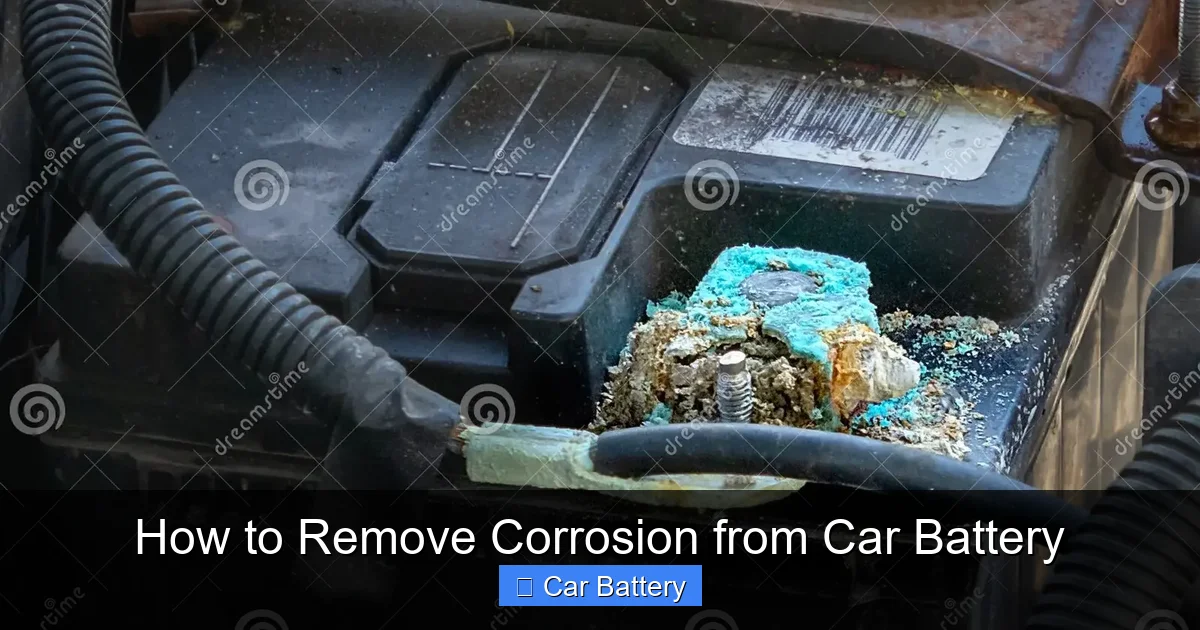
Visual guide about How to Remove Corrosion from Car Battery
Image source: thumbs.dreamstime.com
Before you grab your tools and start scrubbing, it’s crucial to take safety seriously. Car batteries contain sulfuric acid and produce flammable hydrogen gas—both of which can be dangerous if mishandled. A little caution goes a long way in preventing accidents.
First and foremost, always wear protective gear. Put on a pair of rubber or nitrile gloves to protect your hands from acid and corrosion. Safety goggles are a must—battery acid can cause serious eye damage, and even a small splash can lead to irritation or injury. If you’re working in a garage or enclosed space, consider wearing long sleeves and closed-toe shoes for added protection.
Next, make sure the car is completely off. Turn off the engine, remove the keys from the ignition, and if your car has a key fob, keep it away from the vehicle. This prevents accidental starting while you’re working. It’s also a good idea to disconnect any accessories like phone chargers or dash cams that might draw power.
Ventilation is another key factor. Work in a well-ventilated area—preferably outdoors or in a garage with the door open. Hydrogen gas is lighter than air and can accumulate in enclosed spaces, creating a fire or explosion risk if sparked. Avoid smoking, using lighters, or operating power tools near the battery.
Now, let’s talk about tools. You’ll need a few basic items, but make sure they’re clean and dry. Moisture can react with battery acid, so avoid using wet rags or tools. Keep a fire extinguisher rated for electrical fires nearby, just in case.
One common mistake people make is touching both battery terminals at the same time with metal tools. This can create a short circuit, leading to sparks, burns, or even battery explosion. Always use insulated tools and avoid letting metal objects bridge the positive and negative terminals.
Finally, be mindful of your surroundings. Keep children and pets away from the work area. And if you’re unsure about any step, don’t hesitate to consult your vehicle’s manual or seek help from a professional.
Step-by-Step Guide to Removing Corrosion
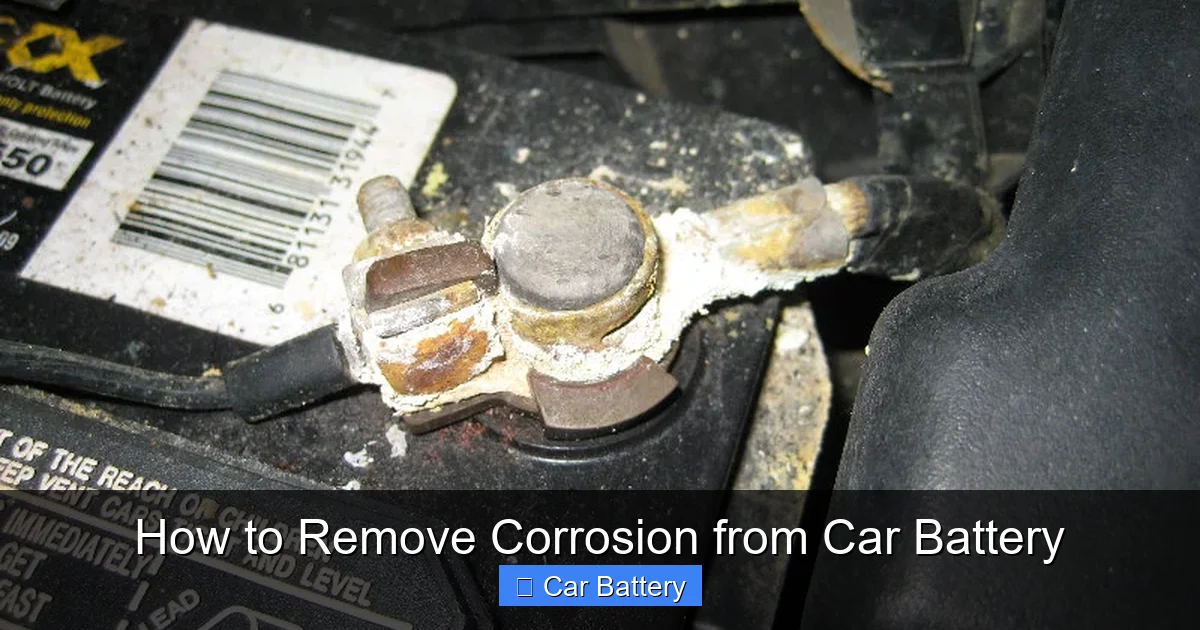
Visual guide about How to Remove Corrosion from Car Battery
Image source: paulstravelpictures.com
Now that you’re prepared and safe, it’s time to get to work. Removing corrosion from your car battery is a straightforward process that anyone can do with the right steps. Here’s a detailed, easy-to-follow guide.
Step 1: Gather Your Supplies
You don’t need fancy equipment. Here’s what you’ll need:
– Baking soda
– Water
– A small bowl or container
– An old toothbrush or wire brush (a dedicated battery terminal brush works best)
– Rubber gloves and safety goggles
– Clean rags or paper towels
– Wrench or socket set (usually 10mm or 13mm)
– Petroleum jelly or commercial anti-corrosion spray
– Optional: Battery terminal protectant spray or felt washers
Step 2: Disconnect the Battery Cables
Start by locating the battery. It’s usually in the engine bay, but in some cars, it’s in the trunk or under a seat. Once you’ve found it, identify the terminals: the positive (+) is usually red and marked with a “+,” and the negative (–) is black with a “–.”
Using your wrench, loosen the nut on the negative cable first. Why negative first? Because it’s connected to the car’s chassis (ground). Removing it first reduces the risk of short circuits. Once loose, wiggle the clamp gently and pull it off the terminal. Set it aside, making sure it doesn’t touch the battery or any metal part of the car.
Next, repeat the process with the positive cable. Loosen the nut, remove the clamp, and set it aside. Now both cables are disconnected, and the battery is isolated.
Step 3: Prepare the Cleaning Solution
In your bowl, mix 1 tablespoon of baking soda with 1 cup of water. Stir until the baking soda dissolves. This creates a mild alkaline solution that neutralizes the acidic corrosion.
Baking soda is ideal because it’s safe, non-toxic, and effective. Unlike harsh chemicals, it won’t damage the battery or surrounding components. Plus, it’s something most people already have at home.
Step 4: Apply the Solution and Scrub
Dip your toothbrush or wire brush into the baking soda solution and gently scrub the corroded areas. Focus on the terminals and the inside of the cable clamps. You’ll notice the solution fizzing—that’s normal. It means the baking soda is reacting with the acid and breaking down the corrosion.
For stubborn buildup, let the solution sit for a few minutes before scrubbing again. Avoid using excessive force, as you don’t want to damage the metal terminals. If the corrosion is thick, you can use a small screwdriver or plastic scraper to gently lift it away—just be careful not to scratch the terminal.
Once the terminals and clamps are clean, wipe them dry with a clean rag. Make sure no residue or moisture remains.
Step 5: Rinse and Dry
Use a damp rag to wipe away any remaining baking soda residue. Then, dry everything thoroughly with a clean, dry cloth. Moisture left on the terminals can lead to new corrosion, so take your time here.
Step 6: Reconnect the Cables
Now it’s time to reconnect the battery—but in reverse order. Start with the positive cable. Slide the clamp onto the positive terminal and tighten the nut securely with your wrench. Make sure it’s snug but don’t overtighten, as this can strip the threads.
Next, reconnect the negative cable to the negative terminal and tighten it. Again, ensure a firm connection without over-tightening.
Step 7: Apply Anti-Corrosion Protection
To prevent future corrosion, apply a thin layer of petroleum jelly or a commercial anti-corrosion spray to the terminals. This creates a protective barrier that repels moisture and slows chemical reactions.
Some mechanics also recommend using felt washers treated with corrosion inhibitors. These sit between the terminal and the clamp and provide long-term protection.
Once everything is coated, close the hood and start your car. It should fire up smoothly—no more slow cranking or electrical glitches.
Preventing Future Corrosion
Cleaning corrosion is great, but preventing it is even better. A little maintenance can save you time, money, and frustration down the road. Here are some proven tips to keep your battery terminals clean and your car running reliably.
Regular Inspections
Make it a habit to check your battery every three to six months. Look for signs of corrosion, loose cables, or cracks in the casing. Early detection means easier cleanup and less risk of damage.
Keep the Battery Clean and Dry
Dirt and moisture accelerate corrosion. After cleaning, wipe the top of the battery with a dry cloth to remove dust and grime. If you live in a rainy or humid area, consider using a battery terminal cover or spray to add an extra layer of protection.
Use Anti-Corrosion Products
As mentioned earlier, petroleum jelly, dielectric grease, or commercial sprays can go a long way. Apply them after every cleaning and reapply every six months or as needed. These products are inexpensive and widely available at auto parts stores.
Check the Charging System
Overcharging is a major cause of battery corrosion. If your alternator is faulty, it can send too much voltage to the battery, causing it to overheat and release excess gas. Have your charging system checked during routine maintenance, especially if you notice frequent corrosion.
Secure the Battery Properly
A loose battery can vibrate and cause internal damage, leading to leaks and corrosion. Make sure your battery is securely mounted in its tray. If the hold-down clamp is loose or missing, replace it.
Consider a Battery Maintainer
If you don’t drive your car often, a battery maintainer (or trickle charger) can help keep the battery at optimal charge without overcharging. This reduces gas buildup and extends battery life.
When to Call a Professional
While most corrosion issues can be handled at home, there are times when it’s best to call in a professional. If you notice any of the following, don’t hesitate to visit a mechanic:
– The battery casing is cracked or leaking acid
– Corrosion has eaten through the terminal or cable
– The battery is more than five years old and showing signs of weakness
– Your car still won’t start after cleaning
– You’re uncomfortable working with car batteries
A professional can test your battery’s health, check the charging system, and replace components if needed. They also have the tools and expertise to handle hazardous materials safely.
Conclusion
Corrosion on your car battery might look scary, but it’s a common and manageable issue. With the right tools, safety precautions, and a little know-how, you can clean it yourself and keep your car starting reliably. Regular maintenance not only prevents corrosion but also extends the life of your battery and improves overall performance.
Remember: safety comes first. Always wear gloves and goggles, disconnect the battery properly, and work in a well-ventilated area. Use baking soda and water for a safe, effective clean, and finish with anti-corrosion protection to slow future buildup.
By inspecting your battery every few months and following these steps, you’ll avoid unexpected breakdowns and keep your vehicle running smoothly. Whether you’re a seasoned DIYer or a first-time car owner, this is one skill that pays off every time you turn the key.
So next time you see that white crust around your terminals, don’t panic—grab your baking soda and get to work. Your car (and your wallet) will thank you.
Frequently Asked Questions
Can I clean battery corrosion without disconnecting the cables?
It’s not recommended. Disconnecting the cables ensures safety and allows you to clean both the terminals and clamps thoroughly. Skipping this step increases the risk of short circuits and incomplete cleaning.
Is it safe to use vinegar to clean battery corrosion?
Vinegar is acidic and can worsen corrosion over time. Baking soda is a better choice because it neutralizes the acid without damaging the metal.
How often should I clean my car battery?
Inspect your battery every 3–6 months. Clean it whenever you see corrosion or notice electrical issues like slow cranking.
Can corrosion cause my car not to start?
Yes. Corrosion acts as an insulator, reducing electrical flow. This can prevent the starter from receiving enough power to turn the engine.
What if the corrosion keeps coming back?
Frequent corrosion may indicate an overcharging alternator or a leaking battery. Have your charging system and battery tested by a professional.
Can I use WD-40 to clean battery terminals?
WD-40 can remove grease and dirt but doesn’t neutralize acid. It’s better to use baking soda first, then apply a protective coating like dielectric grease.