How to Remove a Car Battery
Removing a car battery may seem simple, but doing it incorrectly can damage your vehicle or cause injury. This guide walks you through every step—from safety precautions to reconnecting your system—so you can handle the job confidently and safely.
This is a comprehensive guide about how to remove a car battery.
In This Article
- 1 Key Takeaways
- 2 Why You Might Need to Remove a Car Battery
- 3 Essential Safety Precautions Before Starting
- 4 Tools and Materials You’ll Need
- 5 Step-by-Step Guide to Removing a Car Battery
- 6 What to Do After Removing the Battery
- 7 Troubleshooting Common Issues
- 8 When to Call a Professional
- 9 Conclusion
- 10 Frequently Asked Questions
- 10.1 Can I remove a car battery while the engine is running?
- 10.2 What happens if I disconnect the positive terminal first?
- 10.3 How often should I replace my car battery?
- 10.4 Can I reuse the old battery terminals?
- 10.5 Do I need to reset my car after removing the battery?
- 10.6 Is it safe to store a car battery on concrete?
Key Takeaways
- Safety first: Always wear protective gear like gloves and safety glasses to prevent acid burns or electrical shocks.
- Disconnect the negative terminal first: This prevents short circuits and accidental sparks when working near the battery.
- Use the right tools: A wrench or socket set (usually 10mm or 13mm) is essential for loosening battery terminals.
- Check for hold-down clamps: Most batteries are secured with a bracket or clamp that must be removed before lifting the battery out.
- Handle with care: Car batteries are heavy and contain corrosive acid—lift carefully and avoid tipping.
- Clean terminals before reinstalling: Use a wire brush and baking soda solution to remove corrosion for better conductivity.
- Reset electronics if needed: Some vehicles may require radio codes or system resets after battery removal.
[FEATURED_IMAGE_PLACEHOLDER]
Why You Might Need to Remove a Car Battery
There are several reasons why you might need to remove a car battery. Maybe your battery is old and no longer holds a charge, or perhaps you’re replacing it with a new one. You could also be performing maintenance on your vehicle’s electrical system, cleaning corrosion from the terminals, or preparing your car for long-term storage. In some cases, removing the battery is necessary to access other engine components during repairs.
Regardless of the reason, knowing how to remove a car battery safely and correctly is a valuable skill for any car owner. While it might seem like a straightforward task, there are important steps and precautions that can prevent damage to your vehicle or personal injury. A car battery contains sulfuric acid and produces flammable hydrogen gas, so handling it with care is essential. Additionally, modern vehicles rely heavily on electronic systems, and improper disconnection can lead to error codes, lost radio settings, or even damage to the vehicle’s computer.
This guide will walk you through the entire process of removing a car battery—from gathering the right tools to safely lifting the battery out and storing it properly. Whether you’re a seasoned DIYer or a first-time car owner, these instructions will help you complete the job with confidence. We’ll also cover what to do after removal, including cleaning terminals, testing the old battery, and preparing for reinstallation or disposal.
Essential Safety Precautions Before Starting
Before you even think about touching the battery, it’s crucial to take safety seriously. Car batteries are not just heavy—they’re also potentially dangerous if mishandled. The electrolyte inside is a mixture of sulfuric acid and water, which can cause severe chemical burns on skin or damage clothing. Additionally, batteries can emit hydrogen gas, especially when charging, which is highly flammable and can ignite with a spark.
Wear Protective Gear
The first step in safely removing a car battery is protecting yourself. Always wear safety glasses to shield your eyes from acid splashes or debris. Chemical-resistant gloves, such as nitrile or rubber gloves, are a must to protect your hands. Avoid wearing jewelry, especially metal rings or watches, as they can conduct electricity and increase the risk of short circuits. If you’re working in a confined space or near other electrical components, consider wearing long sleeves and closed-toe shoes for added protection.
Work in a Well-Ventilated Area
Never remove a car battery in an enclosed space like a garage with the door closed. Hydrogen gas can accumulate and create an explosive environment. Open the garage door or work outside whenever possible. If you must work indoors, ensure there’s plenty of airflow—use fans or open windows to keep the air moving. This reduces the risk of gas buildup and helps disperse any fumes that might be released during the process.
Turn Off the Engine and Remove the Keys
Make sure the engine is completely off and the keys are removed from the ignition. This prevents accidental starting of the vehicle, which could cause injury or damage. Even if the engine isn’t running, the electrical system may still be active, so it’s best to disconnect the battery as soon as possible. Some vehicles have push-button start systems, so ensure the vehicle is in “off” mode and not in accessory or standby mode.
Be Aware of Airbag Systems
Modern cars are equipped with airbag systems that rely on electrical power. Disconnecting the battery can trigger airbag warning lights or, in rare cases, cause unintended deployment if the system is disturbed. While this is uncommon, it’s still wise to wait at least 10–15 minutes after disconnecting the battery before working near airbag components. This allows the system’s capacitors to discharge fully.
Tools and Materials You’ll Need
Having the right tools on hand makes the battery removal process much smoother and safer. You don’t need a full mechanic’s toolkit, but a few basic items are essential. Most car batteries use standard-sized terminals, so a wrench or socket set is usually sufficient. Here’s a list of what you’ll need:
- Wrench or socket set: Typically 10mm or 13mm, depending on your vehicle. A ratcheting wrench makes the job easier.
- Safety glasses and gloves: As mentioned earlier, these are non-negotiable for safety.
- Battery terminal cleaner or wire brush: Useful for cleaning corrosion before reinstallation.
- Baking soda and water: A mild solution (1 tablespoon baking soda per cup of water) neutralizes acid and cleans terminals.
- Adjustable wrench or pliers: Helpful if terminals are tight or corroded.
- Battery carrier strap or handle: Optional, but helpful for lifting heavy batteries.
- Container for old battery: A plastic bin or tray to place the old battery in during removal.
Optional but Helpful Tools
While not strictly necessary, a few extra tools can make the process easier. A battery terminal puller can help remove stubborn terminals without damaging the cables. A multimeter is useful for testing the battery’s voltage before removal—this can help determine if the battery is truly dead or if there’s another issue. If you’re replacing the battery, a memory saver device can preserve your radio settings, engine computer data, and other electronic preferences during the swap.
Always check your vehicle’s owner’s manual for specific recommendations. Some manufacturers suggest using torque wrenches when reconnecting terminals to avoid over-tightening, which can strip threads or crack the battery casing. While this isn’t critical for removal, it’s good practice if you plan to reinstall the same battery or a new one.
Step-by-Step Guide to Removing a Car Battery
Now that you’re prepared and have your tools ready, it’s time to remove the battery. Follow these steps carefully to ensure a safe and successful removal. The process is generally the same for most vehicles, but there may be slight variations depending on your car’s make and model.
Step 1: Locate the Battery
In most cars, the battery is located under the hood, usually on the driver’s or passenger’s side. However, some vehicles—especially luxury or hybrid models—may have the battery in the trunk, under the rear seat, or even in the wheel well. Check your owner’s manual if you’re unsure. Once you’ve found it, take a moment to inspect the battery and its surroundings. Look for signs of corrosion (a white or green powdery substance), leaks, or damage to the casing.
Step 2: Identify the Terminals
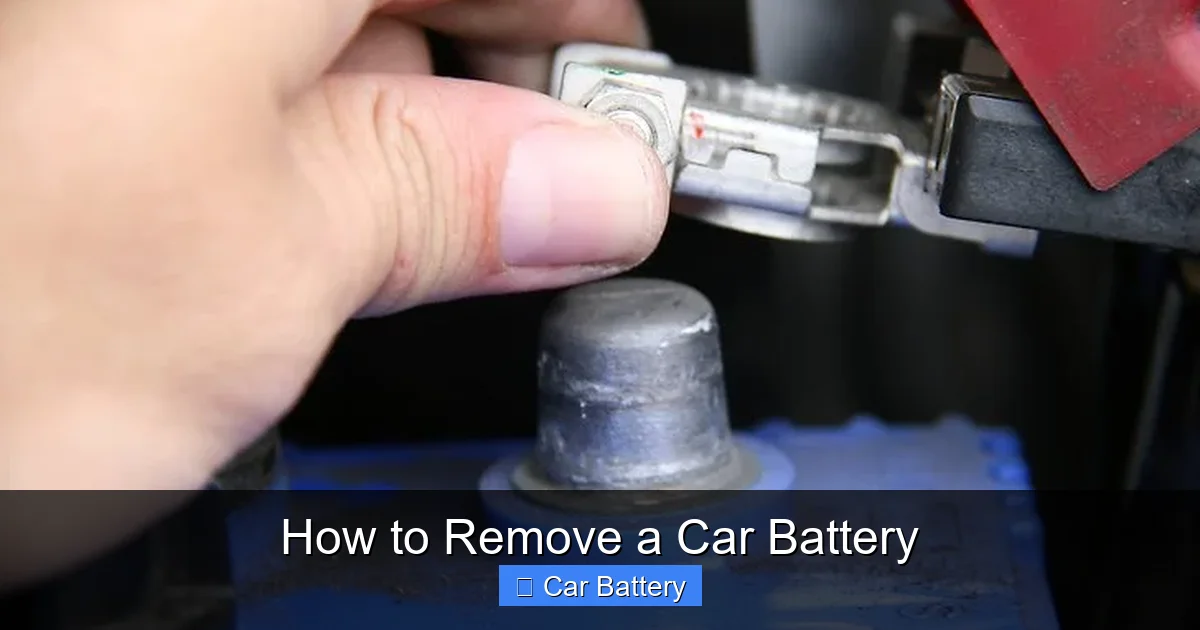
Car batteries have two terminals: positive (+) and negative (-). The positive terminal is usually red and marked with a plus sign, while the negative is black with a minus sign. Some batteries have color-coded cables, but not all—so always double-check the markings. It’s crucial to disconnect the negative terminal first to prevent short circuits. If you disconnect the positive first and your wrench touches both the terminal and a metal part of the car, it can create a spark and potentially ignite hydrogen gas.
Step 3: Disconnect the Negative Terminal
Using your wrench or socket, loosen the nut on the negative terminal clamp. Turn it counterclockwise until it’s loose enough to wiggle the clamp off the terminal. Do not remove the nut completely unless necessary—just loosen it enough to slide the clamp off. Once the clamp is free, carefully lift it away from the terminal and secure it so it doesn’t touch any metal parts. You can use a piece of tape or a rubber band to hold it in place.
Step 4: Disconnect the Positive Terminal
Repeat the same process for the positive terminal. Loosen the nut, remove the clamp, and secure it away from the battery. Now that both terminals are disconnected, the battery is electrically isolated from the vehicle. This is a critical safety step—never skip it.
Step 5: Remove the Battery Hold-Down Clamp
Most batteries are secured in place by a hold-down clamp or bracket. This prevents the battery from moving around while driving, which could damage terminals or cause short circuits. The clamp is usually held in place by one or two bolts. Use your wrench or socket to remove these bolts. Once they’re out, lift the clamp away and set it aside. Some vehicles use a J-bolt or strap system—adjust your approach accordingly.
Step 6: Lift the Battery Out
Car batteries are heavy—typically between 30 and 50 pounds—so lifting them requires care. Bend your knees, keep your back straight, and lift with your legs, not your back. If the battery has a handle or you’re using a carrier strap, use it to maintain a secure grip. Avoid tipping the battery, as this can cause acid to spill. Place the battery in a sturdy container or on a non-conductive surface like wood or plastic.
Step 7: Inspect and Clean the Battery Tray
With the battery removed, take a moment to inspect the battery tray and surrounding area. Look for corrosion, dirt, or debris. Use a wire brush and baking soda solution to clean any buildup. This helps prevent future corrosion and ensures a clean surface for the new battery. Wipe the area dry with a clean cloth before installing a new battery or storing the old one.
What to Do After Removing the Battery
Once the battery is out, your work isn’t quite done. There are a few important steps to take to ensure everything is handled properly—whether you’re replacing the battery, storing it, or disposing of it.
Test the Old Battery
If you’re unsure whether the battery is truly dead, have it tested. Many auto parts stores offer free battery testing. They’ll check the voltage, cold cranking amps (CCA), and overall health. A healthy battery should read around 12.6 volts when the car is off. If it’s below 12.4 volts, it may need charging or replacement. Testing can save you money by confirming whether a new battery is actually needed.
Clean the Terminals and Cables
Even if you’re not reinstalling the same battery, cleaning the terminals and cables is a good practice. Corrosion can build up over time and cause poor connections, leading to starting issues. Mix a solution of baking soda and water, dip an old toothbrush or wire brush into it, and scrub the terminals and cable ends. Rinse with clean water and dry thoroughly. Apply a thin layer of dielectric grease to prevent future corrosion.
Store or Dispose of the Battery Properly
Never throw a car battery in the trash. They contain hazardous materials and must be recycled. Most auto parts stores and recycling centers accept old batteries for free. Some even offer a small credit toward a new battery. If you’re storing the battery temporarily, keep it in a cool, dry place away from direct sunlight and extreme temperatures. Avoid placing it on concrete floors, as this can accelerate discharge—use a wooden board or plastic tray instead.
Prepare for Reinstallation
If you’re installing a new battery, make sure it’s the correct size and type for your vehicle. Check the group size, CCA rating, and terminal orientation. Before placing the new battery in the tray, ensure the tray is clean and dry. Position the battery so the terminals match the cable locations—positive on the correct side. Secure it with the hold-down clamp and reconnect the terminals in reverse order: positive first, then negative. Tighten the nuts securely, but don’t over-tighten.
Troubleshooting Common Issues
Even with careful preparation, you might run into a few hiccups during the battery removal process. Here are some common problems and how to solve them.
Stuck or Corroded Terminals
If the terminal clamps won’t budge, don’t force them. Corrosion can fuse the clamp to the terminal over time. Apply a penetrating oil like WD-40 or a dedicated terminal cleaner and let it sit for 10–15 minutes. Gently wiggle the clamp back and forth while pulling upward. If it’s still stuck, use a terminal puller tool to avoid damaging the cable.
Battery Won’t Come Out Easily
Sometimes the battery fits tightly in the tray or is held in place by additional brackets. Double-check for any hidden bolts or clips. Some vehicles have side brackets or rubber grommets that need to be removed. If the battery is stuck due to swelling (a sign of overcharging), handle it with extra care—swollen batteries are more likely to leak or rupture.
Electrical System Issues After Reinstallation
After reconnecting the battery, you might notice that your radio, clock, or dashboard lights aren’t working. This is normal—many vehicles require a reset or code entry after battery disconnection. Check your owner’s manual for instructions. Some cars may also need an idle relearn procedure or throttle body reset, especially if the battery was disconnected for an extended period.
When to Call a Professional
While removing a car battery is generally a DIY-friendly task, there are situations where it’s best to call a professional. If you’re uncomfortable working with electrical systems, don’t have the right tools, or notice signs of battery damage (like cracks, leaks, or swelling), seek help from a mechanic. Hybrid and electric vehicles often have high-voltage battery systems that require specialized training to handle safely. Additionally, if your vehicle has a battery management system (BMS) or advanced electronics, improper disconnection could trigger error codes or require diagnostic tools to reset.
Conclusion
Learning how to remove a car battery is a practical skill that every car owner should have. With the right tools, safety precautions, and step-by-step guidance, the process is straightforward and safe. Remember to always disconnect the negative terminal first, wear protective gear, and handle the battery with care. After removal, clean the terminals, test the old battery, and dispose of it properly. Whether you’re replacing a dead battery or performing maintenance, following these steps will help you get the job done efficiently and without incident.
Taking the time to do it right not only protects you and your vehicle but also extends the life of your new battery and ensures reliable performance. So the next time your car won’t start or you need to access the engine bay, you’ll know exactly what to do. Stay safe, stay prepared, and keep your car running smoothly.
Frequently Asked Questions
Can I remove a car battery while the engine is running?
No, never remove a car battery while the engine is running. This can cause voltage spikes that damage the vehicle’s electrical system, including the alternator and computer. Always turn off the engine and remove the keys first.
What happens if I disconnect the positive terminal first?
Disconnecting the positive terminal first increases the risk of a short circuit. If your wrench touches both the terminal and a metal part of the car, it can create a spark, potentially igniting hydrogen gas or damaging electronics.
How often should I replace my car battery?
Most car batteries last between 3 to 5 years, depending on climate, driving habits, and maintenance. Have it tested annually after the 3-year mark to monitor its health.
Can I reuse the old battery terminals?
Yes, as long as they’re not corroded or damaged. Clean them thoroughly with a wire brush and baking soda solution before reinstalling. Replace them if they’re cracked or excessively worn.
Do I need to reset my car after removing the battery?
Some vehicles may require a radio code, clock reset, or system recalibration after battery removal. Check your owner’s manual for specific instructions related to your car’s make and model.
Is it safe to store a car battery on concrete?
It’s best to avoid placing a car battery directly on concrete, as it can accelerate discharge over time. Store it on a wooden board or plastic tray in a cool, dry place.