
How to Read Subaru Dipstick

Reading your Subaru dipstick correctly is essential for maintaining engine health and performance. This guide walks you through every step, from locating the dipstick to interpreting oil levels and condition, ensuring your Subaru runs smoothly for years to come.
Key Takeaways
- Check oil when the engine is cold or has been off for 5–10 minutes: This ensures accurate oil level readings and prevents burns from hot components.
- Locate the yellow or orange dipstick handle: Most Subaru models feature a brightly colored dipstick near the front of the engine for easy identification.
- Wipe, reinsert, and read the oil level properly: Always clean the dipstick first, then reinsert it fully before checking the level to avoid false readings.
- Interpret the dipstick markings correctly: Look for “FULL,” “ADD,” or hash marks—never overfill, as this can damage engine seals and reduce performance.
- Assess oil color and consistency: Clean oil is amber and translucent; dark, gritty, or milky oil indicates contamination or internal issues.
- Check oil regularly—every 1,000 miles or monthly: Frequent checks help catch leaks, burning oil, or degradation early.
- Use the correct Subaru-approved oil: Always follow your owner’s manual for viscosity (e.g., 0W-20) and certification (e.g., API SN) to protect your engine.
📑 Table of Contents
- How to Read Subaru Dipstick: A Complete Guide for Every Owner
- Why Checking Your Subaru Dipstick Matters
- Locating the Subaru Dipstick
- Step-by-Step: How to Read the Subaru Dipstick
- Common Mistakes When Reading the Subaru Dipstick
- When to Add Oil and What Type to Use
- Signs Your Subaru Needs Immediate Attention
- Tips for Maintaining Healthy Engine Oil
- Conclusion: Master the Dipstick, Protect Your Subaru
How to Read Subaru Dipstick: A Complete Guide for Every Owner
So you’ve got a Subaru—maybe it’s a trusty Outback, a sporty WRX, or a versatile Forester. You love its all-wheel drive, rugged reliability, and smooth ride. But like any vehicle, your Subaru needs regular maintenance to keep performing at its best. One of the simplest yet most important tasks? Checking the engine oil using the dipstick. It’s quick, easy, and can save you from expensive repairs down the road.
Yet, surprisingly, many Subaru owners aren’t entirely sure how to read the dipstick correctly. Is the oil level okay? Is it too dark? Should it smell burnt? These are common questions—and the answers matter. A well-maintained engine runs cooler, lasts longer, and delivers better fuel economy. By mastering how to read your Subaru dipstick, you’re taking a proactive step in protecting your investment and ensuring your car stays road-ready, whether you’re commuting to work or heading out on a weekend adventure.
Why Checking Your Subaru Dipstick Matters
Engine oil is the lifeblood of your Subaru’s engine. It lubricates moving parts, reduces friction, cools critical components, and helps seal combustion chambers. Without enough oil—or with oil that’s degraded—your engine can overheat, wear prematurely, or even seize. That’s why checking the dipstick isn’t just a chore; it’s a vital health check for your vehicle.
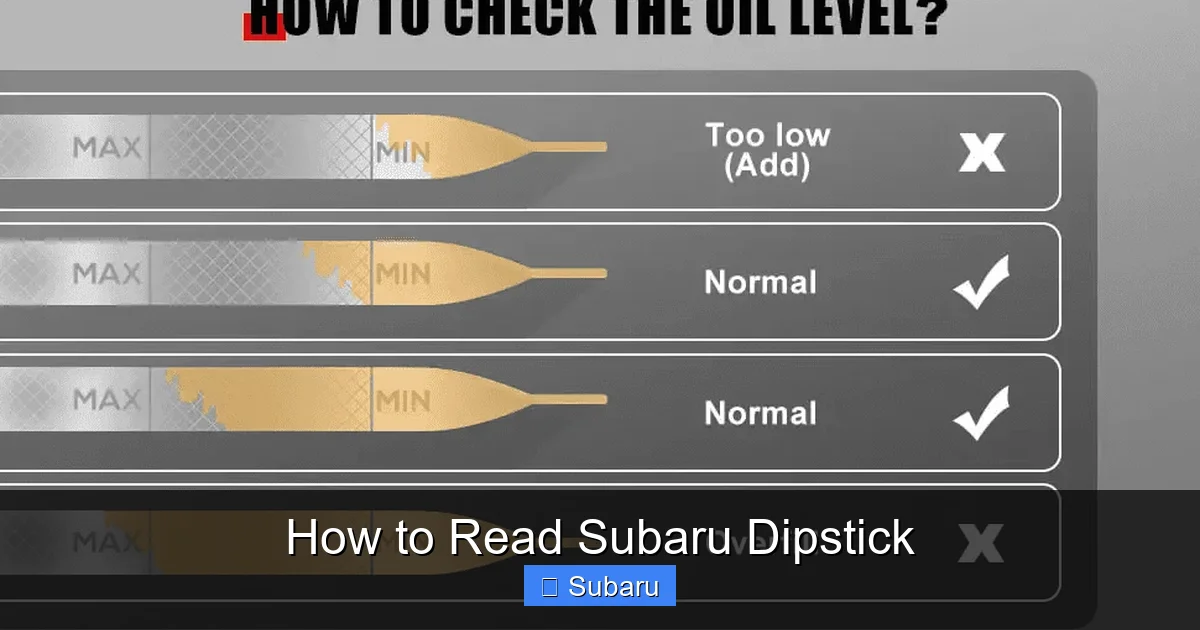
Visual guide about How to Read Subaru Dipstick
Image source: mechanictimes.com
Subaru engines, especially turbocharged models like the WRX or STI, run at higher temperatures and stresses. This means they’re more sensitive to oil quality and level. A low oil level can lead to increased wear on turbo bearings, camshafts, and piston rings. On the flip side, overfilling can cause foaming, reduced lubrication, and damage to seals and gaskets. So, getting the oil level just right is crucial.
How Often Should You Check the Dipstick?
While Subaru recommends an oil change every 6,000 miles (or 12 months, whichever comes first) for most newer models, you should check the dipstick more frequently. A good rule of thumb? Every 1,000 miles or once a month—especially if you drive in harsh conditions like extreme heat, cold, stop-and-go traffic, or dusty environments.
For example, if you take your Crosstrek on a long road trip through mountainous terrain, it’s wise to check the oil before and after the journey. Similarly, if you notice a drop in fuel efficiency or hear unusual engine noises, a quick dipstick check can help identify if low oil is the culprit.
Locating the Subaru Dipstick
Before you can read the dipstick, you need to find it. Fortunately, Subaru makes this easy. On nearly all models—from the Impreza to the Ascent—the engine oil dipstick is located on the driver’s side of the engine bay, near the front. It typically has a bright yellow or orange handle with a loop or grip, making it stand out from other under-hood components.

Visual guide about How to Read Subaru Dipstick
Image source: i.ytimg.com
To access it, open the hood and secure it with the prop rod. Look for the dipstick near the firewall, often close to the air intake or valve cover. On turbocharged models like the WRX, the dipstick may be tucked slightly behind other components, but it’s still easy to reach with a little maneuvering.
What If You Can’t Find the Dipstick?
Rarely, some Subaru owners—especially those new to the brand—might struggle to locate the dipstick. This can happen if the engine bay is cluttered or if the vehicle has aftermarket parts. In such cases, consult your owner’s manual. It will have a labeled diagram of the engine compartment, clearly pointing out the dipstick location.
Another tip: if your Subaru has an electronic oil level monitor (found in some newer models like the 2020+ Outback), you might not have a traditional dipstick. In these cases, the oil level is displayed on the dashboard via the Multi-Function Display (MFD). However, even with electronic monitoring, it’s still a good idea to have a mechanic verify the system during service—and to know how to check manually if needed.
Step-by-Step: How to Read the Subaru Dipstick
Now that you’ve found the dipstick, it’s time to read it correctly. Follow these simple steps to get an accurate measurement every time.
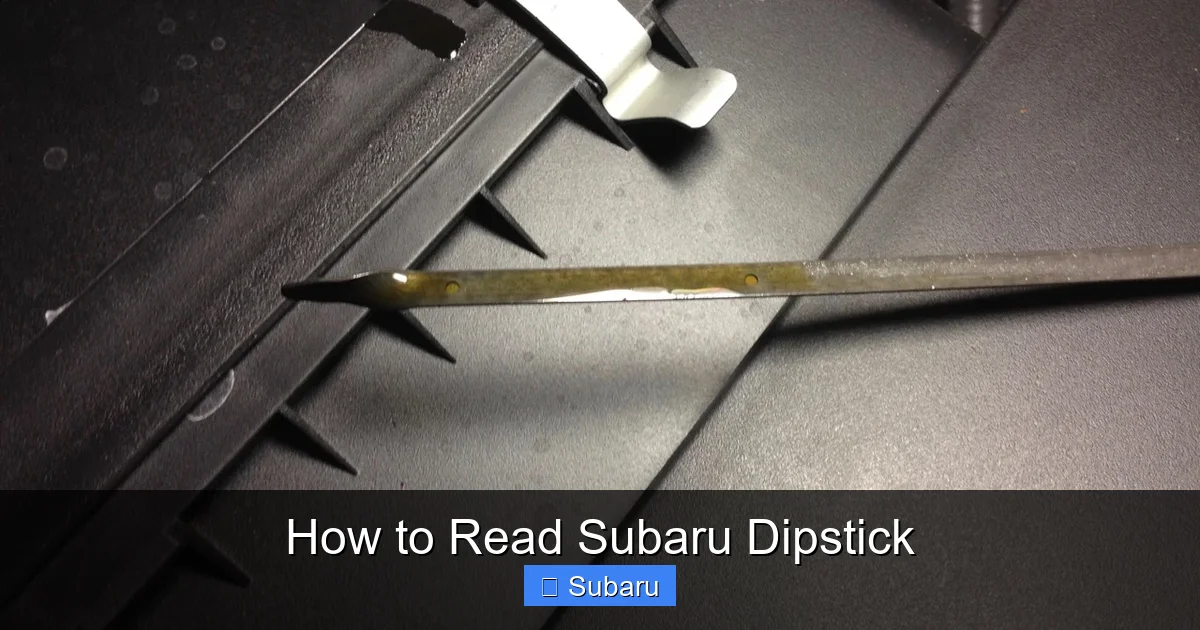
Visual guide about How to Read Subaru Dipstick
Image source: home.hiwaay.net
Step 1: Park on Level Ground and Turn Off the Engine
Always check your oil with the car parked on a flat, level surface. This ensures the oil settles evenly in the oil pan, giving you a true reading. If you check it on a slope, the oil may pool to one side, making the level appear higher or lower than it actually is.
Next, turn off the engine and wait at least 5 to 10 minutes. This allows the oil to drain back into the oil pan from the engine’s upper components. Checking immediately after driving can give a falsely low reading because oil is still distributed throughout the engine.
Step 2: Pull Out the Dipstick and Wipe It Clean
Grasp the dipstick handle and pull it straight out. You’ll notice it’s attached to a metal rod that extends down into the oil pan. Use a clean rag or paper towel to wipe the dipstick blade thoroughly. This removes old oil and debris, ensuring you get a clear view of the current oil level and condition.
Step 3: Reinsert the Dipstick Fully
This step is critical and often overlooked. After wiping, push the dipstick all the way back into its tube until it seats completely. Don’t just drop it in—make sure it’s fully inserted. If you don’t, the reading will be inaccurate because the oil level is measured from the full insertion point.
Step 4: Pull Out and Read the Oil Level
Now, pull the dipstick out again and hold it horizontally. Look at the end of the blade. You’ll see markings indicating the oil level. Most Subaru dipsticks have two main indicators:
- “FULL” or “MAX”: This is the maximum safe oil level. The oil should not exceed this line.
- “ADD” or “MIN”: This is the minimum safe level. If the oil is at or below this line, you need to add oil.
Between these two marks, you’ll often see a crosshatched or grooved area. This is the acceptable operating range. Ideally, your oil level should be near the “FULL” line—anywhere in the upper half of the crosshatched zone is perfect.
Step 5: Interpret the Oil Condition
While checking the level, also inspect the oil’s appearance and feel. Here’s what to look for:
- Color: Fresh oil is typically amber or light brown and translucent. As it ages, it darkens to a deep brown or black. This is normal, but if it’s very dark after just a few thousand miles, it may indicate contamination or infrequent changes.
- Consistency: Rub a small amount between your fingers. It should feel smooth and slippery. If it feels gritty or sandy, there may be dirt or metal particles—signs of internal wear.
- Smell: Healthy oil has a mild, slightly petroleum-like odor. If it smells burnt or acrid, it could mean the oil has overheated or the engine is burning oil.
- Milky or Foamy Appearance: This is a red flag. Milky oil suggests coolant mixing with oil—a sign of a blown head gasket or cracked engine block. Foamy oil indicates air entrainment, often due to overfilling or a faulty oil pump.
For example, if you check your Forester’s dipstick and notice the oil is black and gritty after only 3,000 miles, it’s time for an oil change—even if you’re not due yet. Conversely, if the oil is still amber and clean at 5,000 miles, you’re likely maintaining it well.
Common Mistakes When Reading the Subaru Dipstick
Even experienced drivers can make errors when checking oil. Avoid these common pitfalls to ensure accurate readings and proper maintenance.
Checking Oil Immediately After Driving
One of the biggest mistakes is checking the dipstick right after turning off the engine. Oil needs time to drain back into the pan. If you check too soon, you might see a low level and add oil unnecessarily—leading to overfilling. Always wait at least 5–10 minutes, or check first thing in the morning before starting the car.
Not Wiping the Dipstick Before Reinserting
Skipping the wipe step can give a false reading. Old oil residue can make the level appear higher than it is. Always clean the dipstick thoroughly before reinserting it for an accurate measurement.
Misreading the Markings
Some Subaru dipsticks use hash marks instead of “FULL” and “ADD” labels. The top mark is “FULL,” the bottom is “ADD,” and the area between is acceptable. Don’t assume the middle is ideal—aim for the upper half. Also, never let the oil drop below the “ADD” line. Running low can cause engine damage.
Overfilling the Engine
Adding too much oil is just as harmful as too little. Overfilling can cause the crankshaft to aerate the oil, creating foam. Foamy oil doesn’t lubricate properly, leading to increased wear and potential engine failure. If you accidentally overfill, have the excess drained by a professional.
Ignoring Oil Condition
Some owners only check the level and ignore the oil’s appearance. But condition matters just as much. Dark, gritty, or smelly oil signals it’s time for a change—even if the level is fine. Regular visual and tactile inspections help catch problems early.
When to Add Oil and What Type to Use
If your dipstick shows the oil level is at or below the “ADD” line, it’s time to top it off. But don’t just grab any oil from the garage. Use the correct type specified in your owner’s manual.
Recommended Oil for Subaru Engines
Most modern Subarus (2010 and newer) require synthetic 0W-20 oil that meets Subaru’s specifications, such as API SN or SP certification. Turbocharged models may require 5W-30 or 5W-40, depending on the year and driving conditions. Always check your manual—using the wrong viscosity can affect performance and void your warranty.
For example, a 2022 Subaru Outback uses 0W-20 synthetic oil. Using 10W-30 conventional oil could lead to poor cold-start performance and increased engine wear. Stick to Subaru-approved brands like Subaru Genuine Oil, Mobil 1, or Castrol EDGE.
How to Add Oil Safely
To add oil:
- Locate the oil filler cap on top of the engine (usually labeled “OIL”).
- Remove the cap and place it somewhere clean.
- Use a funnel to pour in small amounts—typically no more than 1 quart at a time.
- Wait a minute for the oil to settle, then recheck the dipstick.
- Repeat until the level reaches the upper half of the acceptable range.
- Replace the filler cap securely.
Never add more than 1 quart at a time. Overfilling by even a little can cause problems. If you’re unsure, it’s better to add a little, check, and add more if needed.
Signs Your Subaru Needs Immediate Attention
While regular dipstick checks help prevent issues, some signs require immediate action. Watch for these red flags:
- Oil level drops rapidly: If you’re adding oil every few hundred miles, you may have a leak, burning oil, or a faulty PCV valve.
- Oil is black and smells burnt: This suggests the oil is breaking down due to high heat or contamination.
- Milky or frothy oil: Indicates coolant mixing with oil—possible head gasket failure.
- Metal particles in the oil: Gritty feel or visible flecks mean internal engine wear.
- Oil pressure warning light: If the light comes on, stop driving immediately. Low oil pressure can destroy the engine in minutes.
For instance, if you check your Legacy’s dipstick and notice a sweet smell (like antifreeze) along with milky oil, stop driving and call a mechanic. Continuing to drive could result in catastrophic engine failure.
Tips for Maintaining Healthy Engine Oil
Beyond checking the dipstick, follow these best practices to keep your Subaru’s oil—and engine—in top shape:
- Follow the maintenance schedule: Stick to Subaru’s recommended oil change intervals. Even if you drive less, change the oil annually to prevent sludge buildup.
- Use a quality oil filter: Always replace the oil filter with every change. A clogged filter reduces oil flow and can cause damage.
- Check for leaks: Inspect the oil pan, valve cover gasket, and oil filter housing for signs of seepage.
- Monitor driving conditions: If you frequently tow, drive in extreme temperatures, or idle often, consider more frequent oil changes.
- Keep records: Log your oil checks and changes. This helps track trends and provides proof of maintenance if you sell the car.
Conclusion: Master the Dipstick, Protect Your Subaru
Reading your Subaru dipstick might seem like a small task, but it’s one of the most powerful tools you have for maintaining your vehicle’s health. By checking the oil level and condition regularly, you can catch problems early, extend engine life, and avoid costly repairs. It takes just a few minutes, yet the payoff is huge.
Remember: park level, wait for the engine to cool, wipe and reinsert the dipstick, and read both the level and the oil’s appearance. Use the right oil, add it carefully, and stay alert for warning signs. With these habits, your Subaru will reward you with reliable performance, whether you’re cruising city streets or exploring backcountry trails. So grab that rag, pop the hood, and give your engine the care it deserves.
Frequently Asked Questions
How often should I check my Subaru’s oil dipstick?
Check the dipstick every 1,000 miles or once a month, especially if you drive in harsh conditions. Regular checks help detect low oil, leaks, or contamination early.
Can I check the oil right after driving?
No. Wait at least 5–10 minutes after turning off the engine to allow oil to drain back into the pan. Checking immediately can give a falsely low reading.
What does it mean if my Subaru’s oil is milky?
Milky oil indicates coolant mixing with oil, often due to a blown head gasket or cracked engine block. This is a serious issue—stop driving and consult a mechanic immediately.
Is it bad if my Subaru’s oil is black?
Black oil is normal after several thousand miles, but if it’s very dark shortly after an oil change, it may signal contamination or infrequent changes. Check for grittiness or burnt smells.
Can I use any 0W-20 oil in my Subaru?
Use only oils that meet Subaru’s specifications, such as API SN or SP certification. Stick to trusted brands like Subaru Genuine Oil, Mobil 1, or Castrol EDGE.
What should I do if my oil level is below the “ADD” line?
Add the correct oil gradually—no more than 1 quart at a time—and recheck the dipstick. Never overfill, as this can damage engine seals and reduce lubrication.
