How to Put a Nissan Pathfinder in Neutral

Contents
- 1 Key Takeaways
- 2 📑 Table of Contents
- 3 Why Knowing How to Put Your Nissan Pathfinder in Neutral Matters
- 4 Understanding Your Nissan Pathfinder’s Transmission
- 5 Step-by-Step Guide: How to Put a Nissan Pathfinder in Neutral
- 6 Common Scenarios Requiring Neutral Mode
- 7 Safety Tips and Best Practices
- 8 Troubleshooting: What to Do If You Can’t Shift into Neutral
- 9 Conclusion
- 10 Frequently Asked Questions



Putting your Nissan Pathfinder in neutral is a simple but essential skill, especially during towing, breakdowns, or maintenance. This guide walks you through the process for both automatic and manual models, covering safety tips, troubleshooting, and model-specific steps to ensure you’re prepared in any situation.
Key Takeaways
- Know your transmission type: Most modern Pathfinders use automatic transmissions, but older models may have manuals—each requires a different approach.
- Use the shift lock release for automatics: If the shifter won’t move, the shift lock release button or lever allows you to shift into neutral when the ignition is off or the brake isn’t pressed.
- Always apply the parking brake: When shifting into neutral, especially on a slope, engage the parking brake to prevent the vehicle from rolling.
- Check your owner’s manual: Model years vary—consult your specific Pathfinder’s manual for exact steps and safety warnings.
- Neutral is crucial for towing: If you need to tow your Pathfinder, putting it in neutral (and following proper towing procedures) prevents transmission damage.
- Practice in a safe environment: Familiarize yourself with the process before an emergency arises—practice in a parked, level area.
- Seek professional help if stuck: If you can’t shift into neutral despite following steps, there may be a mechanical issue—contact a Nissan technician.
📑 Table of Contents
- Why Knowing How to Put Your Nissan Pathfinder in Neutral Matters
- Understanding Your Nissan Pathfinder’s Transmission
- Step-by-Step Guide: How to Put a Nissan Pathfinder in Neutral
- Common Scenarios Requiring Neutral Mode
- Safety Tips and Best Practices
- Troubleshooting: What to Do If You Can’t Shift into Neutral
- Conclusion
Why Knowing How to Put Your Nissan Pathfinder in Neutral Matters
Imagine this: your Nissan Pathfinder breaks down on the side of the road, and a tow truck arrives. The driver says, “I need you to put it in neutral.” Suddenly, you’re staring at the gear shifter, unsure of what to do. Or maybe you’re preparing to jump-start the vehicle, and the instructions say to shift to neutral first. These scenarios aren’t rare—they happen more often than you’d think. That’s why knowing how to put your Nissan Pathfinder in neutral is a vital skill every owner should have.
Whether you drive a brand-new 2024 Pathfinder or a trusty 2005 model, the process of shifting into neutral can vary slightly depending on the year and transmission type. But the core principle remains the same: neutral disengages the engine from the wheels, allowing the vehicle to roll freely without transferring power. This is essential during towing, push-starting (for manual models), jump-starting, or when the vehicle needs to be moved without starting the engine. It’s also a safety step recommended before performing certain maintenance tasks.
Many drivers assume that shifting into neutral is as simple as moving the gear selector—but it’s not always that straightforward. Modern Pathfinders come equipped with electronic shift locks, safety interlocks, and advanced transmission systems that can prevent accidental shifts. Understanding how these systems work ensures you won’t damage your vehicle or put yourself at risk. In this comprehensive guide, we’ll walk you through every step, from identifying your transmission type to troubleshooting common issues. By the end, you’ll feel confident handling any situation that requires your Pathfinder to be in neutral.
Understanding Your Nissan Pathfinder’s Transmission
Before diving into the steps, it’s important to understand the type of transmission your Nissan Pathfinder has. This determines how you’ll shift into neutral and what tools or techniques you might need. Most Pathfinders produced from the late 1990s onward use automatic transmissions, but older models—especially those from the 1980s and early 1990s—may have manual transmissions. Let’s break down the differences and how they affect the neutral-shifting process.
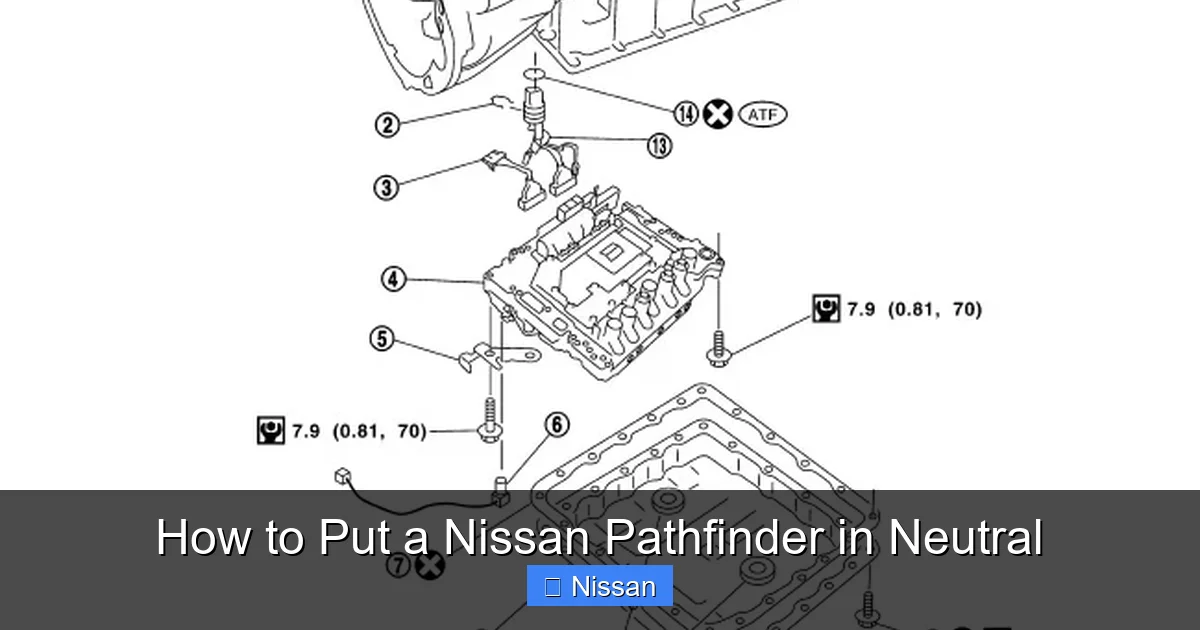
Visual guide about How to Put a Nissan Pathfinder in Neutral
Image source: 2carpros.com
Automatic Transmission: The Most Common Setup
The vast majority of Nissan Pathfinders on the road today are equipped with automatic transmissions. These systems use a torque converter and planetary gear sets to shift gears automatically based on speed, load, and driver input. In an automatic Pathfinder, the gear selector typically includes positions like Park (P), Reverse (R), Neutral (N), Drive (D), and sometimes low gears (L or 2).
One key feature of modern automatic transmissions is the shift interlock system. This safety mechanism prevents the shifter from being moved out of Park unless the brake pedal is pressed and the ignition is on. While this reduces the risk of accidental shifts, it can also make it tricky to shift into neutral if the vehicle won’t start or the brake isn’t functioning. That’s where the shift lock release comes in—a small override mechanism that allows you to manually shift the gear selector when needed.
Manual Transmission: A Rare but Important Case
Manual transmissions were more common in early Pathfinder models, particularly the first-generation (1987–1995) and some second-generation (1996–2004) variants. If you own one of these older models, shifting into neutral is a bit different. Instead of a gear selector with labeled positions, you’ll have a traditional H-pattern shifter. To shift into neutral, you simply move the shifter to the center position between gears—no buttons or overrides needed.
However, manual transmissions require the clutch pedal to be fully depressed when shifting. If the engine is off and the clutch isn’t engaged, the gears may be locked, making it difficult to move the shifter. In such cases, gently rocking the vehicle back and forth while attempting to shift can help align the gears and allow the shifter to move into neutral. This technique is especially useful if the vehicle has been parked for a long time or if the transmission fluid is cold.
CVT and Advanced Transmissions in Newer Models
Starting around 2013, Nissan began equipping the Pathfinder with a continuously variable transmission (CVT). Unlike traditional automatics, CVTs don’t have fixed gear ratios—instead, they use a belt and pulley system to provide seamless acceleration. While the gear selector layout remains similar (P-R-N-D), the internal mechanics are different, and the shift lock system may behave slightly differently.
Newer Pathfinders (2020 and later) also feature electronic gear selectors in some trims. These use buttons or a dial instead of a traditional lever. For example, the 2023 Pathfinder Platinum has a rotary dial for shifting. To shift into neutral on these models, you’ll typically press a button (often labeled “N” or “Neutral”) while turning the dial or pressing a dedicated override. Always refer to your owner’s manual, as the exact process can vary by trim and year.
Step-by-Step Guide: How to Put a Nissan Pathfinder in Neutral
Now that you understand your transmission type, let’s walk through the actual process of shifting your Pathfinder into neutral. We’ll cover both automatic and manual models, with clear, easy-to-follow steps. Remember, safety comes first—always ensure the vehicle is on a level surface, the parking brake is applied, and the area around you is clear before attempting any shifts.
Visual guide about How to Put a Nissan Pathfinder in Neutral
Image source: i5.walmartimages.com
For Automatic Transmission Pathfinders
Most Pathfinders fall into this category, so this is likely the method you’ll use. Here’s how to do it safely and correctly:
Step 1: Come to a Complete Stop
Before shifting, bring your vehicle to a full stop. Shifting into neutral while moving can cause unnecessary wear on the transmission and may not be safe. Apply the brake pedal firmly and ensure the vehicle is stationary.
Step 2: Press the Brake Pedal
With your foot firmly on the brake, press down fully. This activates the shift interlock system, allowing the gear selector to move. If the ignition is on, the shifter should now move freely from Park to Neutral.
Step 3: Move the Shifter to Neutral
Gently push the gear selector from Park (P) to Neutral (N). You should feel a slight click as it engages. On most models, you’ll need to press the shift lock button (usually a small button on the side of the shifter) to move out of Park. Once in Neutral, the dashboard should display an “N” indicator.
Step 4: Confirm Neutral Engagement
To verify the vehicle is in neutral, try gently pressing the accelerator. The engine should rev without the vehicle moving forward or backward. If the vehicle creeps, it may still be in Drive or another gear—double-check the shifter position.
Step 5: Use the Shift Lock Release (If Needed)
If the ignition is off, the battery is dead, or the brake pedal isn’t working, the shifter may be locked in Park. In this case, locate the shift lock release. It’s usually a small cover near the shifter—pry it open with a flathead screwdriver or key. Inside, you’ll find a button or slot. Insert a key or tool and press or turn to release the lock. Now you can manually move the shifter to Neutral.
Step 6: Apply the Parking Brake
Once in neutral, especially if the vehicle won’t be started soon, engage the parking brake. This prevents the vehicle from rolling, particularly on inclines. It’s a simple but critical safety step.
For Manual Transmission Pathfinders
If you’re driving an older Pathfinder with a manual transmission, the process is different but straightforward:
Step 1: Press the Clutch Fully
With the engine off or running, press the clutch pedal all the way to the floor. This disengages the engine from the transmission, allowing the gears to spin freely.
Step 2: Move the Shifter to the Center
Gently guide the shifter to the center position—between first and second gear, and between reverse and another gear. This is neutral. You should feel the shifter “float” slightly without resistance.
Step 3: Release the Clutch (If Engine is Off)
If the engine is off, you can release the clutch. The vehicle is now in neutral and can be pushed or towed. If the engine is running, keep the clutch pressed to avoid stalling.
Step 4: Use Rocking Technique if Stuck
If the shifter won’t move, the gears may be meshed. Try gently rocking the vehicle back and forth while pressing the clutch and attempting to shift. This helps align the gears and allows the shifter to move into neutral.
For Electronic Shifters (2020+ Models)
Newer Pathfinders with rotary dials or button shifters require a slightly different approach:
Step 1: Turn the Ignition to “On” or “Accessory”
Even if the engine won’t start, turning the key or pressing the start button (without pressing the brake) can power the electronics.
Step 2: Press the “N” Button or Turn the Dial
On rotary shifters, press the center button and turn the dial to “N.” On button shifters, press the “Neutral” button. Some models may require holding the button for a few seconds.
Step 3: Use the Manual Override (If Needed)
If the system won’t respond, check for a manual override slot near the shifter. Insert a key or tool to manually shift into neutral. Refer to your owner’s manual for the exact location.
Common Scenarios Requiring Neutral Mode
Now that you know how to shift into neutral, let’s explore the real-world situations where this skill becomes essential. Understanding these scenarios helps you prepare and act confidently when the need arises.
Visual guide about How to Put a Nissan Pathfinder in Neutral
Image source: nissanoem.b-cdn.net
Towing Your Pathfinder
One of the most common reasons to shift into neutral is when your Pathfinder needs to be towed. Whether it’s a flat tire, engine failure, or accident, towing requires the transmission to be disengaged. For automatic Pathfinders, this means shifting to neutral and ensuring the vehicle is in “flat tow” mode if specified in the manual.
Important: Never tow an automatic Pathfinder with the drive wheels on the ground unless the manual explicitly allows it. Doing so can cause severe transmission damage. If flat towing isn’t approved, use a flatbed truck. Always consult your owner’s manual for towing guidelines specific to your model year.
Jump-Starting the Vehicle
When jump-starting a dead battery, it’s recommended to shift into neutral before connecting jumper cables. This reduces the risk of electrical surges damaging the transmission control module or other electronics. Once the vehicle is running, you can shift back to Park or Drive.
Tip: Even if the engine won’t start, shifting to neutral using the shift lock release allows you to move the vehicle slightly if needed—for example, to get it out of a tight parking spot before calling for help.
Push-Starting a Manual Pathfinder
If you drive a manual Pathfinder and the battery is dead, you might consider push-starting (also called bump-starting). This involves shifting into second gear, releasing the clutch while the vehicle is moving, and letting the engine turn over.
To prepare, shift into neutral first, then into second gear once the vehicle is rolling. This technique only works with manual transmissions and should be used cautiously on safe, flat roads.
Performing Maintenance or Repairs
Mechanics often ask you to shift into neutral when performing under-hood work, checking transmission fluid, or diagnosing issues. Being able to do this quickly and safely saves time and ensures accurate diagnostics.
Safety Tips and Best Practices
Shifting into neutral is generally safe, but a few precautions can prevent accidents or damage:
- Always apply the parking brake: This is the most important safety step, especially on slopes.
- Never shift into neutral while driving at high speed: This can cause loss of engine braking and make the vehicle harder to control.
- Use wheel chocks if on an incline: Place blocks behind the tires for extra security.
- Keep children and pets away: Ensure no one is near the vehicle when shifting or moving it.
- Double-check the gear position: Always confirm the shifter is in neutral before releasing the brake or parking brake.
Troubleshooting: What to Do If You Can’t Shift into Neutral
Sometimes, despite following the steps, you may find the shifter won’t move. Here’s how to troubleshoot:
Shifter Stuck in Park
This is usually due to the shift interlock. Check that the brake pedal is fully depressed and the ignition is on. If not, use the shift lock release as described earlier.
Brake Light Switch Failure
If the brake lights don’t come on when you press the pedal, the shift interlock may not activate. Try pressing the brake firmly or have the switch checked.
Low or Contaminated Transmission Fluid
In rare cases, low or dirty fluid can cause shifting issues. Check the fluid level and condition using the dipstick (if equipped). Top up or replace as needed.
Mechanical or Electrical Fault
If none of the above work, there may be a problem with the shifter mechanism, transmission, or wiring. Contact a Nissan service center for diagnosis.
Conclusion
Knowing how to put your Nissan Pathfinder in neutral is more than just a handy trick—it’s a fundamental skill that enhances your safety, prepares you for emergencies, and helps protect your vehicle. Whether you’re dealing with a dead battery, preparing for a tow, or simply performing routine maintenance, being able to shift into neutral confidently can make all the difference.
From understanding your transmission type to mastering the shift lock release, this guide has equipped you with the knowledge and steps needed for any situation. Remember to always prioritize safety, consult your owner’s manual, and practice in a controlled environment. With this information, you’ll never be left stranded or unsure when your Pathfinder needs to be in neutral.
Frequently Asked Questions
Can I put my Nissan Pathfinder in neutral while driving?
It’s not recommended to shift into neutral while driving at high speeds, as it removes engine braking and can make the vehicle harder to control. However, briefly shifting to neutral at low speeds (like coasting to a stop) is generally safe for most automatic models.
What if my Pathfinder won’t shift out of Park?
If the shifter is stuck in Park, check that the brake pedal is fully pressed and the ignition is on. If it still won’t move, use the shift lock release button or slot near the shifter to manually override the system.
Do I need to turn the ignition on to shift into neutral?
For most automatic Pathfinders, yes—the ignition must be on (or in accessory mode) to release the shift interlock. However, the shift lock release allows you to shift manually even if the battery is dead.
Can I tow my Pathfinder in neutral?
You can shift into neutral for short-distance towing, but always check your owner’s manual. Most automatic Pathfinders should not be flat-towed (wheels on the ground) unless specified—use a flatbed truck to avoid transmission damage.
How do I know if my Pathfinder is in neutral?
When in neutral, the dashboard will display an “N” indicator, and the engine should rev freely without the vehicle moving. You can also gently try to move the vehicle—it should roll easily if in neutral.
Is it safe to leave my Pathfinder in neutral for long periods?
It’s not recommended to leave the vehicle in neutral for extended periods, especially on slopes. Always use the parking brake and, if possible, leave the vehicle in Park when parked to ensure maximum safety.