How to Prevent Corrosion on Car Battery
Preventing corrosion on your car battery is easier than you think—regular cleaning, proper maintenance, and protective coatings can save you time and money. By following a few simple steps, you can extend your battery’s lifespan and avoid unexpected breakdowns.
In This Article
- 1 Key Takeaways
- 2 📑 Table of Contents
- 3 Why Corrosion on Car Batteries Happens—And Why It Matters
- 4 Understanding the Causes of Battery Corrosion
- 5 How to Clean Corroded Battery Terminals
- 6 Preventive Measures to Stop Corrosion Before It Starts
- 7 Routine Maintenance Tips for Long-Term Battery Health
- 8 When to Replace Your Battery
- 9 Conclusion: Simple Steps, Big Results
- 10 Frequently Asked Questions
Key Takeaways
- Clean terminals regularly: Dirt and acid buildup cause corrosion; wipe terminals monthly with a baking soda solution.
- Use protective sprays or grease: Apply battery terminal protectant or petroleum jelly to block moisture and acid exposure.
- Check battery hold-down clamp: A loose battery vibrates, increasing the risk of internal damage and corrosion.
- Inspect for leaks and cracks: Damaged casings allow acid to escape, accelerating corrosion on terminals and surrounding parts.
- Keep the battery tray clean: Remove debris and moisture from the tray to prevent ground corrosion and electrical issues.
- Ensure proper ventilation: Hydrogen gas buildup can contribute to corrosion; make sure vents are clear and unobstructed.
- Schedule routine inspections: Include battery checks in your regular car maintenance to catch problems early.
📑 Table of Contents
- Why Corrosion on Car Batteries Happens—And Why It Matters
- Understanding the Causes of Battery Corrosion
- How to Clean Corroded Battery Terminals
- Preventive Measures to Stop Corrosion Before It Starts
- Routine Maintenance Tips for Long-Term Battery Health
- When to Replace Your Battery
- Conclusion: Simple Steps, Big Results
Why Corrosion on Car Batteries Happens—And Why It Matters
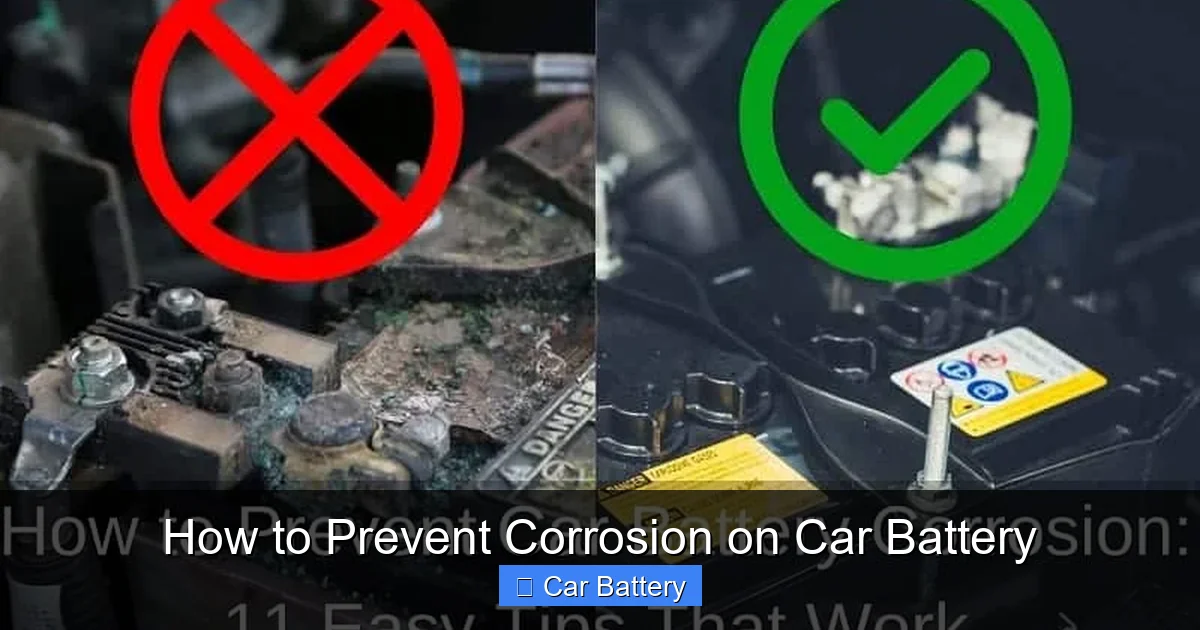
If you’ve ever popped the hood of your car and noticed a white, green, or blue crusty buildup around the battery terminals, you’ve seen battery corrosion. It looks harmless at first glance—almost like chalk dust—but don’t be fooled. This powdery substance is actually a chemical reaction between the battery’s sulfuric acid and the metal terminals, and it can seriously affect your car’s performance.
Corrosion forms when hydrogen gas escapes from the battery during charging and reacts with the lead terminals. Moisture, dirt, and road salt can speed up this process. Over time, this buildup creates a barrier that interferes with the flow of electricity. That means your starter might struggle to turn over, your lights could dim, or your car might not start at all—especially on cold mornings.
But here’s the good news: corrosion is preventable. With a little attention and some simple habits, you can keep your battery clean, efficient, and reliable for years. Whether you’re a seasoned DIYer or a first-time car owner, understanding how to prevent corrosion on car battery terminals is a skill that pays off every time you turn the key.
Understanding the Causes of Battery Corrosion
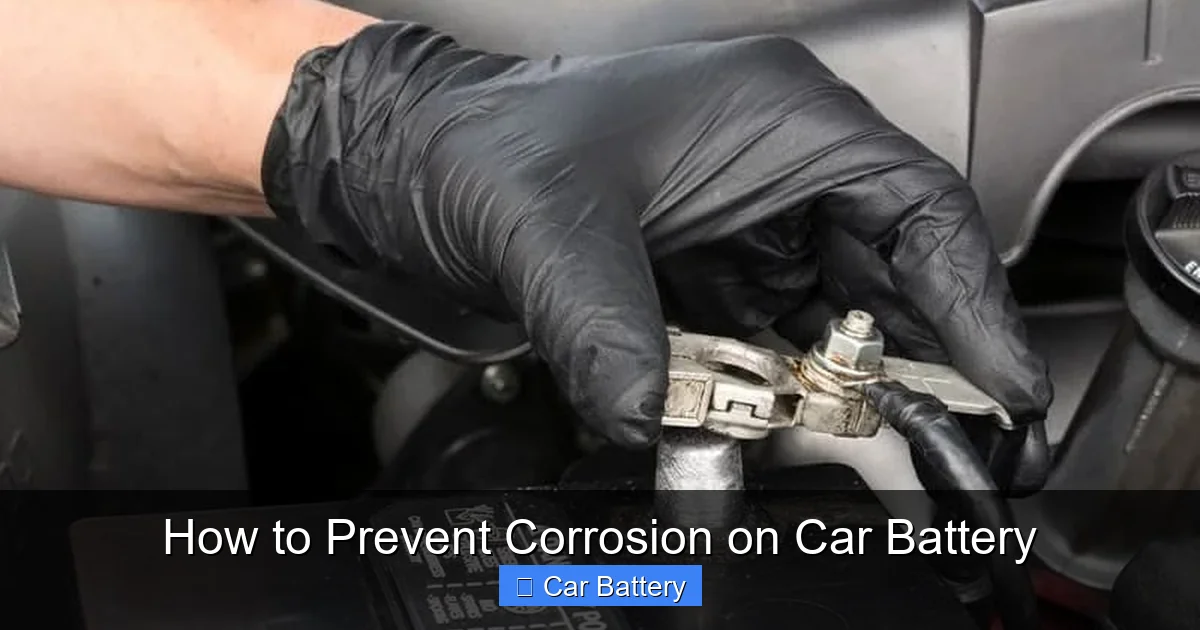
Visual guide about How to Prevent Corrosion on Car Battery
Image source: drivinglife.net
To stop corrosion before it starts, it helps to know what causes it in the first place. While some factors are out of your control, many are preventable with good habits and regular maintenance.
Chemical Reactions and Gas Emissions
Car batteries produce electricity through a chemical reaction between lead plates and sulfuric acid. During charging—especially when the alternator is working hard—this process releases hydrogen gas. If the battery isn’t properly vented or if the caps are loose, this gas can escape and react with the lead terminals. The result? That familiar white or bluish crust.
This reaction is more likely in hot weather or if the battery is overcharged. Older batteries or those with damaged seals are especially prone. Even brand-new batteries can corrode if they’re not maintained properly.
Moisture and Environmental Factors
Water is corrosion’s best friend. Rain, snow, and even humidity can seep into the battery area, especially if the hood isn’t sealed tightly. Road salt used in winter months is another major culprit—it’s highly corrosive and can accelerate terminal decay.
If you live in a coastal area, salt air adds another layer of risk. The combination of moisture and salt creates a perfect storm for corrosion. Even washing your car can introduce water near the battery if you’re not careful.
Poor Maintenance and Loose Connections
A loose battery hold-down clamp might not seem like a big deal, but it can cause vibrations that damage internal components and loosen terminal connections. When terminals aren’t tight, they’re more likely to arc and overheat, which increases gas emissions and corrosion.
Similarly, failing to clean the battery regularly allows dirt and acid residue to build up. Over time, this grime becomes a breeding ground for corrosion. Many drivers only notice the problem when their car won’t start—but by then, the damage may already be done.
How to Clean Corroded Battery Terminals
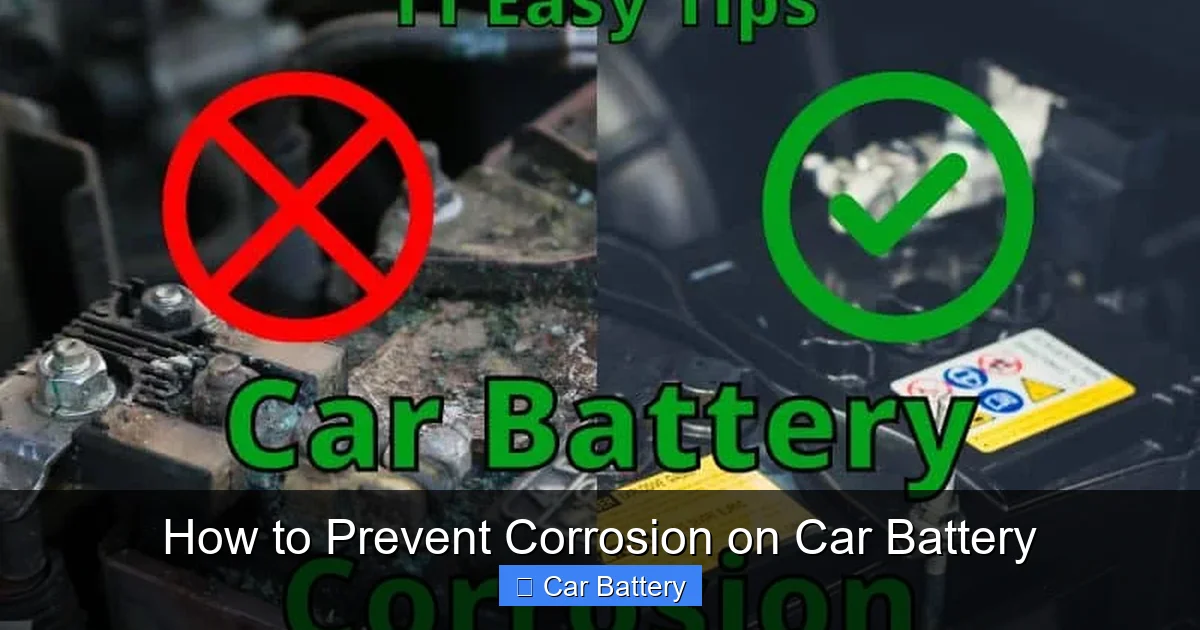
Visual guide about How to Prevent Corrosion on Car Battery
Image source: drivinglife.net
If you already see corrosion, don’t panic. Cleaning it is straightforward and can often restore your battery’s performance. Just remember: safety first.
Safety Precautions Before Cleaning
Before you touch anything, turn off the engine and remove the keys. Wear safety goggles and gloves—battery acid is corrosive and can irritate your skin and eyes. Work in a well-ventilated area, and keep open flames or sparks away. Hydrogen gas is flammable, so no smoking or using lighters nearby.
Step-by-Step Cleaning Process
Start by disconnecting the battery cables. Always remove the negative (black) cable first, then the positive (red). This reduces the risk of short circuits. Use a wrench to loosen the terminal clamps—don’t force them if they’re stuck.
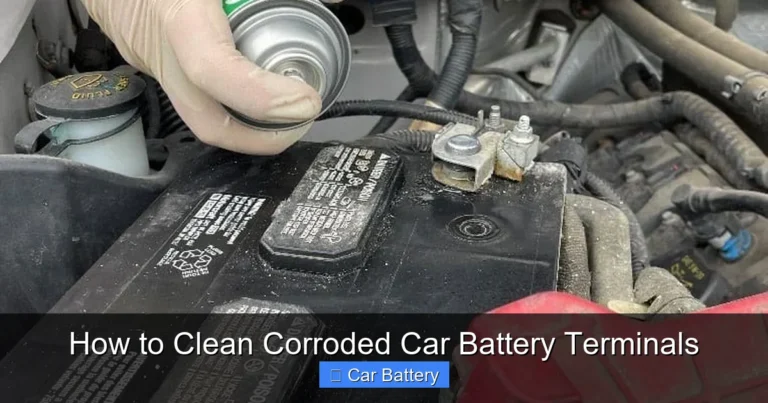
Next, mix a tablespoon of baking soda with a cup of water to create a cleaning paste. Apply it to the terminals and cable ends using an old toothbrush or wire brush. The baking soda neutralizes the acid and helps dissolve the corrosion. You’ll see it fizz—that’s normal.
Scrub gently but thoroughly until the terminals are clean and shiny. For stubborn buildup, let the paste sit for a few minutes before scrubbing again. Once done, rinse with clean water and dry everything completely with a clean cloth.
Reconnecting and Testing
Reattach the cables in reverse order: positive first, then negative. Make sure the connections are tight and secure. You can use a torque wrench if you have one—most terminals should be tightened to about 5–7 Newton meters.
After reconnecting, start your car to test the connection. If it starts smoothly, you’re good to go. If not, double-check the connections and ensure the battery isn’t damaged.
Preventive Measures to Stop Corrosion Before It Starts
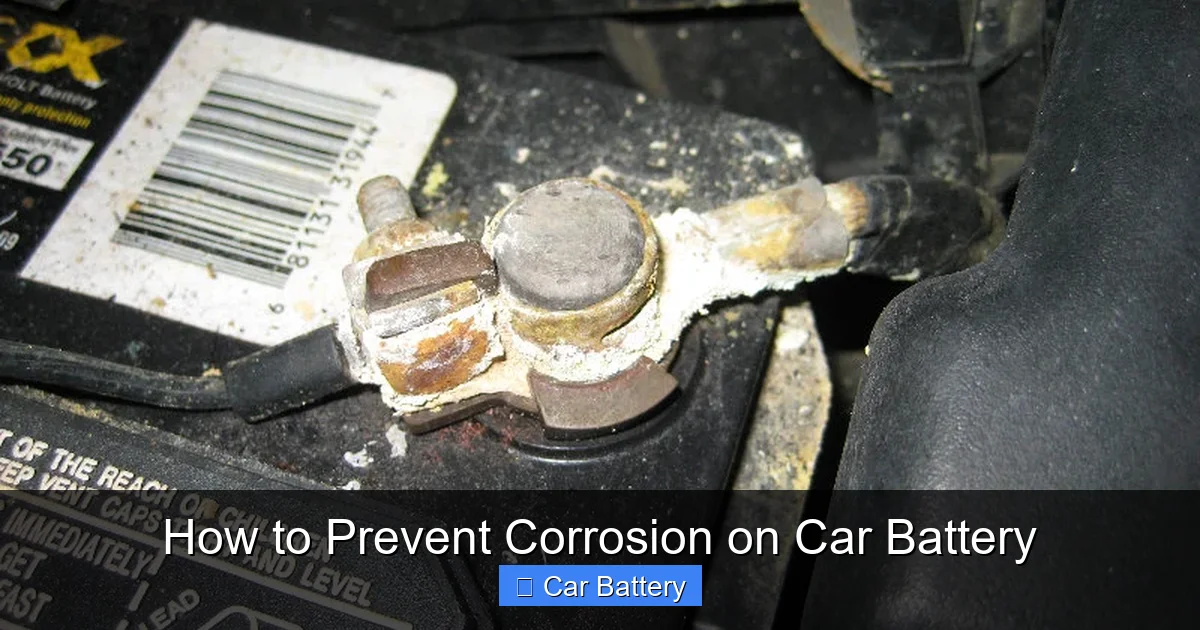
Visual guide about How to Prevent Corrosion on Car Battery
Image source: paulstravelpictures.com
Cleaning corrosion is helpful, but preventing it is even better. A few proactive steps can save you time, money, and frustration down the road.
Apply Terminal Protection
After cleaning, apply a protective coating to the terminals. You have a few options:
– **Dielectric grease**: This silicone-based grease repels moisture and prevents oxidation. Apply a thin layer to the terminals and cable ends.
– **Petroleum jelly (Vaseline)**: A budget-friendly alternative. Smear a small amount on the terminals—it’s not as durable as dielectric grease but still effective.
– **Commercial battery protectant sprays**: Products like No-Ox-ID or CRC Battery Terminal Protector form a long-lasting barrier. Spray it on after cleaning and let it dry.
These coatings act like a shield, keeping moisture and acid away from the metal. Reapply every 6–12 months or after cleaning.
Keep the Battery Tray Clean
The battery sits in a tray that can collect dirt, water, and acid residue. Over time, this buildup can corrode the tray and even the battery case. Every few months, lift the battery (if possible) and wipe the tray with a damp cloth. For stubborn grime, use a baking soda solution and a brush.
If the tray is rusted, consider replacing it. A corroded tray can ground the battery incorrectly, leading to electrical issues.
Secure the Battery Properly
Make sure your battery is firmly held in place by the hold-down clamp. A loose battery can vibrate, crack the case, or loosen terminals—all of which increase corrosion risk. Check the clamp periodically and tighten it if needed.
If the clamp is rusty or damaged, replace it. Some aftermarket clamps come with rubber padding to reduce vibration.
Check for Leaks and Damage
Inspect the battery case for cracks, bulges, or leaks. Even small cracks can allow acid to seep out, creating corrosion on nearby parts. If you notice any damage, replace the battery as soon as possible.
Also, check the vent caps (if your battery has them). Make sure they’re tight and not clogged. Proper ventilation reduces gas buildup and lowers corrosion risk.
Routine Maintenance Tips for Long-Term Battery Health
Preventing corrosion isn’t a one-time fix—it’s an ongoing process. Incorporating battery care into your regular car maintenance routine makes a big difference.
Monthly Visual Inspections
Once a month, take a quick look under the hood. Check for:
– White, green, or blue powder around terminals
– Loose or frayed cables
– Cracks or swelling in the battery case
– Dirt or moisture in the battery tray
Catching problems early prevents bigger issues later. If you see corrosion, clean it right away.
Keep the Area Dry and Clean
After washing your car, wipe down the engine bay—especially around the battery. Use a dry cloth to remove any water or soap residue. Avoid spraying water directly onto the battery.
If you live in a rainy or snowy climate, consider using a battery cover or hood seal to keep moisture out.
Monitor Charging System Health
A faulty alternator can overcharge your battery, leading to excess gas and corrosion. If your battery keeps dying or you notice dimming lights, have your charging system checked by a mechanic.
Similarly, avoid leaving accessories (like lights or chargers) on when the engine is off. This drains the battery and can lead to sulfation—a different kind of damage that reduces battery life.
Use a Battery Maintainer in Storage
If you don’t drive your car often—like a classic car or seasonal vehicle—use a battery maintainer or trickle charger. These devices keep the battery at full charge without overcharging, reducing gas emissions and corrosion risk.
When to Replace Your Battery
Even with the best care, batteries don’t last forever. Most car batteries last 3–5 years, depending on climate, driving habits, and maintenance.
Signs It’s Time for a Replacement
Watch for these warning signs:
– Slow engine crank (takes longer to start)
– Swollen or bloated battery case
– Frequent need for jump-starts
– Corrosion that returns quickly after cleaning
– Battery warning light on the dashboard
If your battery is more than four years old and showing any of these symptoms, it’s probably time for a new one.
Choosing a Quality Replacement
When replacing your battery, choose a reputable brand with a good warranty. Look for features like:
– Sealed construction (maintenance-free)
– High cold cranking amps (CCA) for cold climates
– Vibration resistance
– Corrosion-resistant terminals
Some modern batteries come with built-in corrosion inhibitors or protective coatings—worth considering if you live in a harsh environment.
Conclusion: Simple Steps, Big Results
Preventing corrosion on your car battery doesn’t require special tools or advanced skills. With a few minutes of care each month, you can keep your battery clean, efficient, and reliable. Regular cleaning, protective coatings, and routine inspections go a long way in extending battery life and avoiding unexpected breakdowns.
Remember, corrosion isn’t just a cosmetic issue—it can lead to poor performance, electrical problems, and even safety hazards. By staying proactive, you’ll save money on replacements and enjoy peace of mind every time you start your car.
So the next time you pop the hood, take a closer look at your battery. A little attention today can prevent a lot of trouble tomorrow.
Frequently Asked Questions
What causes corrosion on car battery terminals?
Corrosion is caused by a chemical reaction between hydrogen gas escaping from the battery and the lead terminals. Moisture, dirt, and road salt can accelerate this process, especially in hot or humid climates.
Can I drive with corroded battery terminals?
It’s not recommended. Corrosion can block electrical flow, causing starting problems or electrical failures. Clean the terminals as soon as possible to avoid damage.
Is baking soda safe to use on car batteries?
Yes, baking soda is safe and effective for neutralizing battery acid. Mix it with water to create a cleaning paste, but always wear gloves and goggles for protection.
How often should I clean my car battery?
Inspect your battery monthly and clean it whenever you see corrosion. In harsh environments, cleaning every 3–6 months is a good practice.
Can I use WD-40 to clean battery terminals?
WD-40 can remove grime, but it’s not ideal for battery cleaning. It doesn’t neutralize acid like baking soda, and residue can attract dirt. Use a proper cleaning solution instead.
Does petroleum jelly really prevent corrosion?
Yes, petroleum jelly creates a moisture-resistant barrier on terminals. While not as durable as dielectric grease, it’s a cheap and effective option for light protection.