

How to Prevent a Dodge Challenger from Being Stolen

Contents
- 1 Key Takeaways
- 2 📑 Table of Contents
- 3 Why the Dodge Challenger Is a Theft Target
- 4 Physical Deterrents: Make Your Challenger Hard to Steal
- 5 Electronic Security Systems: Upgrade Your Protection
- 6 Smart Parking and Daily Habits
- 7 Additional Anti-Theft Measures
- 8 What to Do If Your Challenger Is Stolen
- 9 Conclusion
- 10 Frequently Asked Questions

Tire Shine Spray

Diesel Fuel Additive

Torque Wrench Set

Car Armrest Cushion
Your Dodge Challenger is a high-performance dream machine—and unfortunately, a prime target for thieves. But with the right combination of physical deterrents, technology, and smart habits, you can dramatically reduce the risk of theft. This guide covers everything from steering wheel locks to GPS trackers and parking strategies to keep your muscle car safe.
Owning a Dodge Challenger isn’t just about horsepower and head-turning style—it’s about pride. That bold grille, the rumbling V8, the aggressive stance—it’s a statement on wheels. But with great style comes great responsibility, especially when it comes to security. The Dodge Challenger, especially high-performance models like the Scat Pack, SRT Hellcat, and Demon, is a magnet for thieves. Its popularity, powerful engine, and high resale value make it a top target for carjackers, joyriders, and organized crime rings.
Unfortunately, modern theft techniques have evolved. Gone are the days when a slim jim and a coat hanger were enough to steal a car. Today’s thieves use relay attacks, key fob cloning, and even smartphone apps to bypass factory security systems. In fact, according to the National Insurance Crime Bureau (NICB), over 1 million vehicles were stolen in the U.S. in 2022—and American muscle cars like the Challenger are disproportionately affected. That’s why taking proactive steps to prevent a Dodge Challenger from being stolen isn’t just smart—it’s essential.
The good news? You’re not helpless. With a layered approach to security—combining physical deterrents, electronic safeguards, and smart daily habits—you can significantly reduce the chances of your Challenger becoming a statistic. This guide will walk you through practical, proven strategies to protect your ride, whether you drive a base model SXT or a fire-breathing Hellcat Redeye. From simple habits like parking in the right spot to high-tech solutions like GPS tracking and kill switches, we’ve got you covered.
Key Takeaways
- Use a steering wheel lock: A visible deterrent like The Club makes it harder and slower for thieves to steal your Challenger.
- Install a GPS tracking system: Devices like Vyncs or Bouncie help locate your car quickly if it’s stolen.
- Upgrade your factory alarm: Add motion sensors, shock sensors, and glass-break detectors for better protection.
- Park smart: Always park in well-lit, high-traffic areas or secure garages to discourage theft attempts.
- Disable the ignition system: Use kill switches or immobilizers to prevent hot-wiring or relay attacks.
- Etch your VIN on windows: Makes your car less attractive to chop shops and easier to identify if recovered.
- Stay vigilant with key fob habits: Store fobs away from doors and windows to prevent relay theft.
📑 Table of Contents
Why the Dodge Challenger Is a Theft Target
The Dodge Challenger’s reputation as a performance icon makes it a prime target for thieves. But it’s not just about looks. Several factors contribute to its high theft risk.
High Resale and Parts Value
The Challenger’s powerful engines, especially the supercharged 6.2L HEMI V8 in the Hellcat and Demon models, are incredibly valuable on the black market. Thieves often target these cars for parts—especially engines, transmissions, and electronics—which can be sold individually for thousands of dollars. Even non-performance models are at risk because of their popularity and demand for aftermarket parts.
Relay Attack Vulnerability
Many modern Challengers use keyless entry and push-button start systems. While convenient, these systems are vulnerable to relay attacks. Thieves use electronic devices to amplify the signal from your key fob inside your home, tricking the car into thinking the key is nearby. Once they gain access, they can start the car and drive off in under a minute—no broken windows, no hot-wiring.
Chop Shop Appeal
Because the Challenger has a strong aftermarket following, individual components like wheels, spoilers, and interior trim are in high demand. This makes the car attractive to chop shops, where vehicles are dismantled and sold piece by piece. A stolen Challenger can be stripped and sold for parts in a matter of hours.
Limited Factory Security on Older Models
While newer Challengers come with advanced security features, older models (especially those from the early 2000s or pre-2015) may lack robust anti-theft systems. These vehicles are easier to steal using traditional methods like hot-wiring or OBD-II port hacking.
Physical Deterrents: Make Your Challenger Hard to Steal
One of the most effective ways to prevent a Dodge Challenger from being stolen is to make it visibly difficult to steal. Thieves prefer easy targets—cars that take less time, make less noise, and draw less attention. Physical deterrents slow them down and increase the risk of getting caught.
Steering Wheel Locks: The Classic Defense
The Club is the most well-known steering wheel lock, and for good reason. It’s affordable (usually under $50), highly visible, and physically prevents the wheel from turning. Even if a thief gets inside your car, they can’t drive it far—if at all. The Club’s bright red color and bulky design act as a strong psychological deterrent. Many insurance companies even offer discounts for vehicles equipped with steering wheel locks.

Visual guide about How to Prevent a Dodge Challenger from Being Stolen
Image source: motorious.com
For added security, consider a locking wheel lug nut set. These specialized nuts require a unique key to remove, making it nearly impossible for thieves to steal your wheels—a common target on muscle cars.
Pedal Locks and Gear Shift Locks
Pedal locks immobilize the gas and brake pedals, preventing the car from being driven even if the ignition is bypassed. Similarly, gear shift locks (like the ones from Viper or Python) prevent the shifter from moving out of park. These devices are especially useful for manual transmission Challengers, where a thief might try to push-start the car.
Tire Locks and Boot Devices
While less common for daily drivers, tire locks (also called boots) can be used temporarily in high-risk areas. These devices clamp onto the wheel, making it impossible to move the car. They’re often used by law enforcement, but aftermarket versions are available for personal use. Just remember—they’re not practical for everyday driving, but they’re great for long-term parking or travel.
Electronic Security Systems: Upgrade Your Protection
Physical locks are great, but modern theft requires modern solutions. Upgrading your Challenger’s electronic security can stop thieves before they even get started.
Install a GPS Tracking System
A GPS tracker is one of the best investments you can make. Devices like Vyncs, Bouncie, or SpyTec plug into your OBD-II port (usually under the dashboard) and provide real-time location updates via a smartphone app. If your car is stolen, you can track its location and share it with police immediately—increasing the chances of recovery.

Visual guide about How to Prevent a Dodge Challenger from Being Stolen
Image source: theautowire.com
Some systems also offer geofencing alerts (notifying you if the car leaves a designated area), speed alerts, and even engine shutdown capabilities. While you can’t remotely stop a moving car for safety reasons, you can disable the ignition once the vehicle is stopped, preventing further movement.
Upgrade Your Factory Alarm
While the Challenger comes with a basic alarm system, it may not be enough. Consider adding aftermarket sensors:
- Shock sensors: Detect impacts like broken windows or forced entry.
- Glass-break sensors: Listen for the sound of shattering glass and trigger the alarm.
- Tilt sensors: Detect if the car is being towed or jacked up.
- Motion sensors: Detect movement inside the cabin (useful if thieves break in but can’t start the car).
Brands like Compustar, Viper, and Python offer comprehensive alarm systems with smartphone integration, two-way remotes, and remote start features that don’t compromise security.
Use a Kill Switch or Immobilizer
A kill switch cuts power to the ignition or fuel system, preventing the engine from starting—even if the thief has the key or bypasses the immobilizer. You can install a hidden toggle switch under the dash, in the glove box, or even behind a seat. For maximum security, use a dual-switch system that requires two separate actions to re-enable the car.
For a more advanced solution, consider a smartphone-controlled immobilizer like the DroneMobile system. It allows you to disable your car remotely via an app, and it integrates with your existing alarm and remote start.
Smart Parking and Daily Habits
Where and how you park your Challenger can make a big difference in theft risk. Thieves look for quick, low-risk opportunities—so make your car a hard target.
Park in Well-Lit, High-Traffic Areas
Always park in areas with good lighting and plenty of foot traffic. Thieves avoid places where they might be seen. If you’re parking overnight, choose a spot near security cameras, building entrances, or busy streets. Avoid dark alleys, remote parking lots, or secluded driveways.
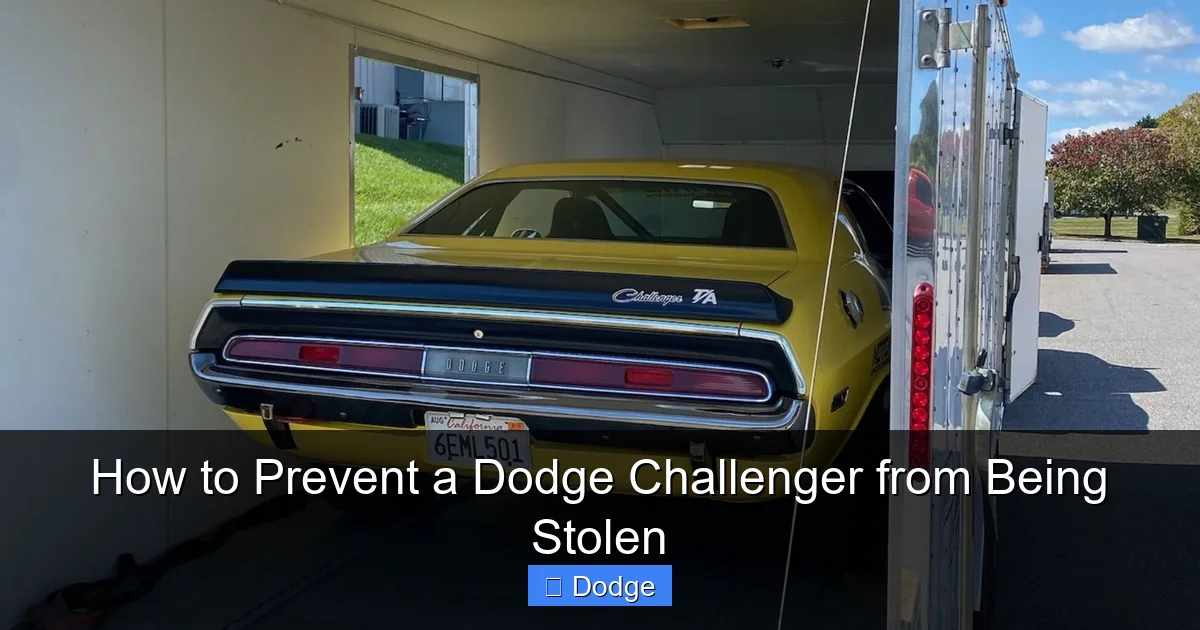
Visual guide about How to Prevent a Dodge Challenger from Being Stolen
Image source: motorious.com
Use a Garage Whenever Possible
If you have a garage, use it. A locked garage is one of the best protections against theft. Make sure the garage door is secure and consider installing a smart garage door opener with alerts and remote monitoring.
If you don’t have a garage, consider a car cover. While it won’t stop a determined thief, a cover hides the car’s identity and makes it less appealing to casual thieves.
Avoid Leaving Valuables in Sight
Even if your car isn’t stolen, leaving laptops, phones, or bags in plain view can attract break-ins. Thieves may smash a window to grab your stuff—and once they’re inside, they might decide to steal the car too. Use a trunk lock or hide valuables in the glove box or under seats.
Be Mindful of Key Fob Placement
Relay attacks rely on your key fob being near a door or window. To prevent this, store your fob in a Faraday pouch or metal box inside your home. These block radio signals, preventing thieves from amplifying the key’s range. You can also disable keyless entry features in your car’s settings if available.
Additional Anti-Theft Measures
Beyond the basics, there are several other steps you can take to further secure your Challenger.
Etch Your VIN on Windows and Parts
VIN etching involves engraving your vehicle identification number on the windows, headlights, and major components. This makes it harder for thieves to sell parts and easier for police to identify stolen items. Many dealerships offer this service, or you can buy a DIY kit online. It’s inexpensive, permanent, and highly effective.
Install a Dash Cam with Parking Mode
A dash cam with parking mode can record activity around your car when it’s parked. If someone approaches, breaks a window, or tries to steal it, the camera will capture footage. Some models even send alerts to your phone. This not only helps with theft recovery but can also deter thieves who don’t want to be recorded.
Register with Anti-Theft Databases
Programs like LoJack or the NICB’s VINCheck allow you to register your vehicle in national databases. If your car is stolen and recovered, these systems help authorities identify it quickly. LoJack, in particular, uses a hidden radio transmitter that works even if GPS is disabled.
Consider Insurance with Theft Protection
Make sure your auto insurance includes comprehensive coverage, which covers theft. Some insurers offer discounts for vehicles with anti-theft devices. Ask your agent about bundling security features for lower premiums.
What to Do If Your Challenger Is Stolen
Despite your best efforts, theft can still happen. If your Dodge Challenger is stolen, act quickly:
- Call the police immediately: File a report and provide your VIN, license plate, and description.
- Contact your insurance company: Report the theft and start the claims process.
- Use your GPS tracker: Share real-time location data with law enforcement.
- Alert nearby dealerships and repair shops: Stolen cars are sometimes brought in for parts or repairs.
- Monitor online marketplaces: Check sites like Craigslist, Facebook Marketplace, and eBay for your car or parts.
The faster you act, the better your chances of recovery. Most stolen vehicles are recovered within 48 hours—especially if they’re equipped with tracking systems.
Conclusion
Protecting your Dodge Challenger from theft doesn’t have to be complicated or expensive. By combining physical deterrents like steering wheel locks, electronic upgrades like GPS trackers, and smart daily habits like secure parking and key fob management, you create multiple layers of defense. Remember, thieves look for easy targets—so make your Challenger as hard to steal as possible.
No single method is 100% foolproof, but a layered approach dramatically reduces your risk. Whether you drive a base model or a Hellcat, these tips apply to every Challenger owner. Stay vigilant, stay informed, and enjoy the ride with peace of mind.
Your Challenger is more than just a car—it’s a symbol of power, style, and freedom. Don’t let thieves take that away. Take action today to prevent a Dodge Challenger from being stolen, and keep your muscle car where it belongs: in your driveway.
Frequently Asked Questions
Is the Dodge Challenger easy to steal?
The Dodge Challenger can be vulnerable to modern theft methods like relay attacks and OBD-II hacking, especially models with keyless entry. However, with proper security measures, it can be made very difficult to steal.
Do steering wheel locks really work?
Yes, steering wheel locks like The Club are highly effective deterrents. They physically prevent the wheel from turning and are visible enough to discourage most thieves from targeting your car.
Can GPS trackers help recover a stolen Challenger?
Absolutely. GPS trackers provide real-time location data, allowing you and law enforcement to locate and recover your vehicle quickly—often within hours of the theft.
How do relay attacks work on keyless entry systems?
Relay attacks use electronic devices to amplify the signal from your key fob inside your home, tricking the car into thinking the key is nearby. This allows thieves to unlock and start the car without physical access to the key.
Should I disable keyless entry on my Challenger?
If your Challenger allows it, disabling keyless entry can reduce the risk of relay attacks. You can usually do this in the vehicle settings or by using a Faraday pouch to block the fob’s signal.
What’s the best way to park my Challenger to prevent theft?
Always park in well-lit, high-traffic areas or a locked garage. Avoid remote or poorly lit spots, and consider using a car cover or dash cam for added protection.


