
How to Open the Gas Tank on a Toyota Yaris

Opening the gas tank on a Toyota Yaris is quick and easy once you know where to look. This guide walks you through every step, from locating the fuel door release to safely refueling your vehicle, ensuring a smooth experience every time.
Key Takeaways
- Locate the fuel door release lever: It’s usually on the driver’s side floor, near the door, and marked with a gas pump icon.
- Pop the fuel door from inside the car: Pull the lever once to unlock the gas tank door; it will spring open slightly.
- Twist off the gas cap manually: Turn the cap counterclockwise to remove it—no tools required.
- Use the fuel cap tether: Most Yaris models have a small strap to keep the cap attached while refueling.
- Check fuel type before filling: The Yaris typically uses regular unleaded gasoline—confirm your model’s requirement.
- Close securely after refueling: Replace the cap tightly and ensure the fuel door clicks shut to prevent warnings or leaks.
- Know your model year differences: Older and newer Yaris versions may have slight variations in fuel door mechanisms.
📑 Table of Contents
How to Open the Gas Tank on a Toyota Yaris: A Complete Guide
So, you’ve just pulled up to the gas station in your Toyota Yaris, ready to fill up—but you’re not quite sure how to open the gas tank. Don’t worry, you’re not alone. Many new Yaris owners, especially those transitioning from other car brands, find themselves momentarily stumped when it comes to locating the fuel door release. It’s a common hiccup, but once you know the trick, it becomes second nature.
The Toyota Yaris is a compact, fuel-efficient vehicle designed for city driving and everyday convenience. While it’s packed with smart features, some of its more practical functions—like opening the gas tank—aren’t always obvious at first glance. Unlike cars with external fuel doors that you can simply push or pull open, the Yaris uses an internal release mechanism. This keeps the fuel door flush with the body of the car, giving it a clean, streamlined look. But that sleek design can also make the process a little confusing if you’ve never done it before.
In this guide, we’ll walk you through every step of opening the gas tank on a Toyota Yaris, whether you’re driving a 2015 model or a brand-new 2023 version. We’ll cover where to find the release lever, how to operate it, and what to do once the fuel door is open. We’ll also share some helpful tips to make refueling smoother and safer, and explain why certain steps matter. By the end, you’ll feel confident every time you pull up to the pump.
Why the Gas Tank Release Isn’t Always Obvious
Visual guide about How to Open the Gas Tank on a Toyota Yaris
Image source: cdn.onderdelenlijn.nl
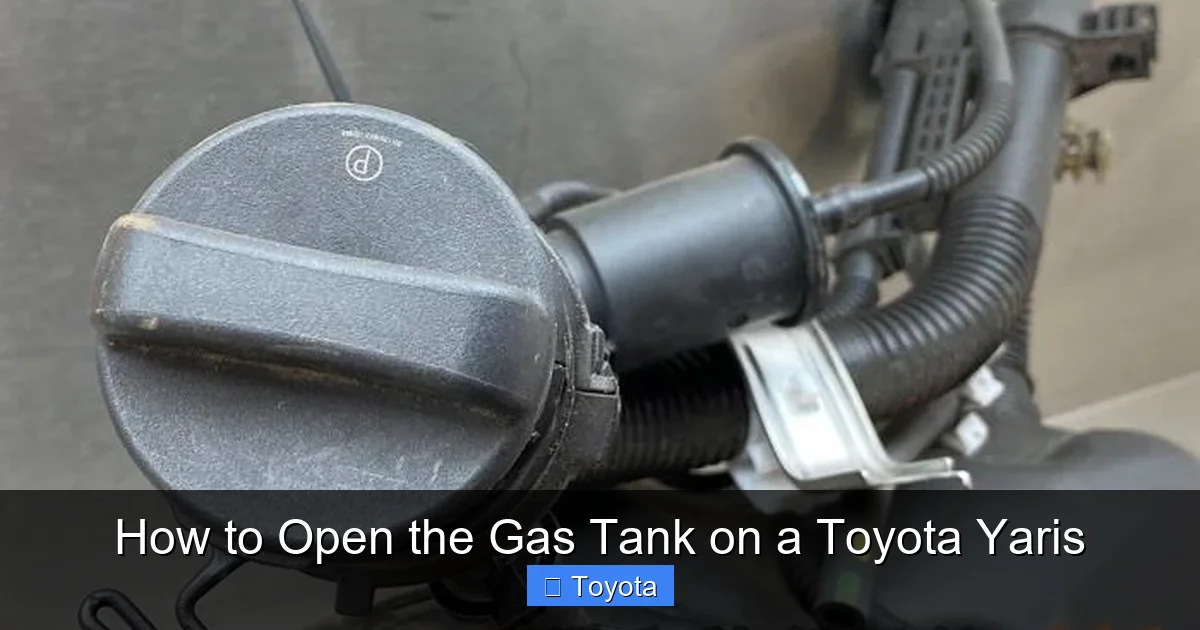
One of the first things you’ll notice about the Toyota Yaris is its minimalist interior design. Toyota focuses on simplicity and functionality, which means many controls are tucked away in logical but not always visible spots. The fuel door release is a perfect example. Unlike some cars that have a button on the dashboard or a lever near the steering wheel, the Yaris places its fuel release lever on the driver’s side floor, just below the door panel.
This placement might seem odd at first, but it actually makes sense from a safety and design perspective. By keeping the release inside the cabin, Toyota prevents accidental openings and protects the mechanism from weather and tampering. It also allows the exterior of the car to remain clean and uncluttered. However, this means that if you’re used to cars with external fuel doors or dashboard buttons, you might spend a few seconds searching.
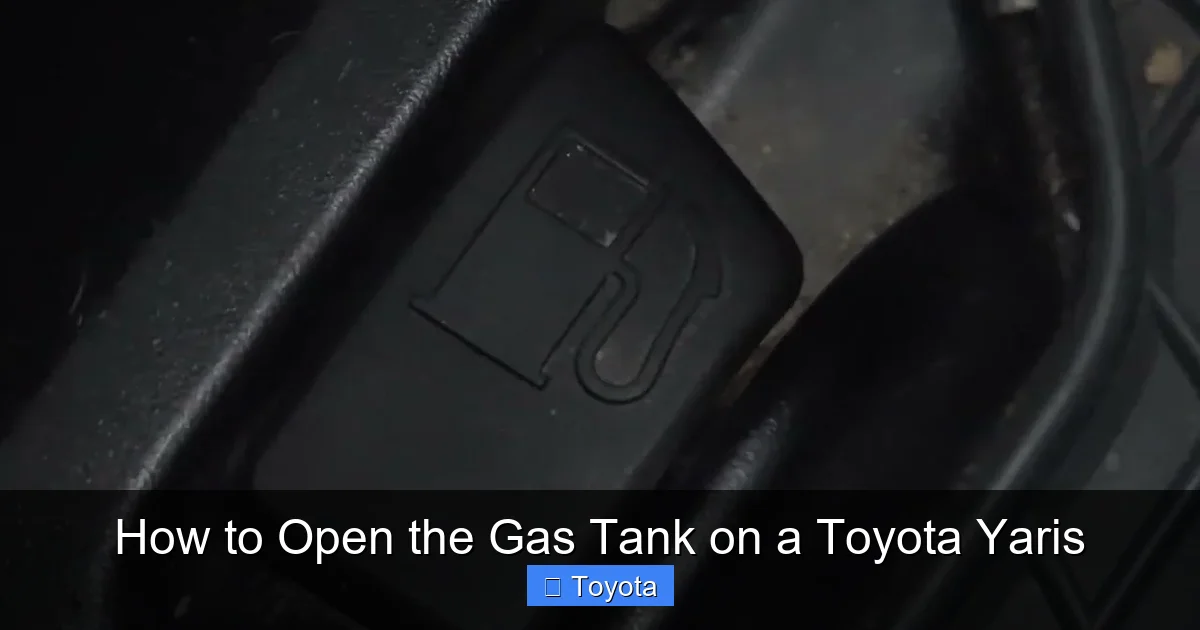
Another reason the process can be confusing is that the lever isn’t always clearly labeled. While newer models often include a small icon of a gas pump next to the lever, older Yaris versions might only have a plain handle or a subtle marking. This can lead to uncertainty, especially if you’re in a hurry or it’s your first time driving the car.
The Role of Interior Design in Fuel Access
Toyota’s interior design philosophy emphasizes ease of use and driver focus. In the Yaris, this means placing frequently used controls within easy reach, while less common functions are positioned in logical but less prominent locations. The fuel door release falls into the latter category. Since most drivers only interact with it once every week or two, Toyota doesn’t prioritize making it flashy or front-and-center.
Instead, the lever is integrated into the lower part of the driver’s side panel, often near the footwell. It’s usually a small, black or gray handle that blends in with the surrounding trim. Some drivers mistake it for a hood release or parking brake lever, especially if they’re not familiar with the Yaris layout. That’s why it’s helpful to know exactly what to look for before you need it.
Safety and Security Considerations
Another reason Toyota uses an internal fuel door release is security. An externally accessible fuel door could be vulnerable to tampering, siphoning, or accidental opening while driving. By requiring the driver to be inside the car to open the fuel door, Toyota adds a layer of protection. This is especially important in urban environments where vehicle theft and fuel siphoning are more common.
Additionally, the internal release helps prevent the fuel door from being left open. If the door were externally operated, it might be easier to forget to close it after refueling. With the Yaris system, the door only opens when the lever is pulled, and it must be manually closed afterward—reducing the risk of driving off with an open fuel door.
Step-by-Step: How to Open the Gas Tank on a Toyota Yaris
Visual guide about How to Open the Gas Tank on a Toyota Yaris
Image source: toyotapartsdirect.ca
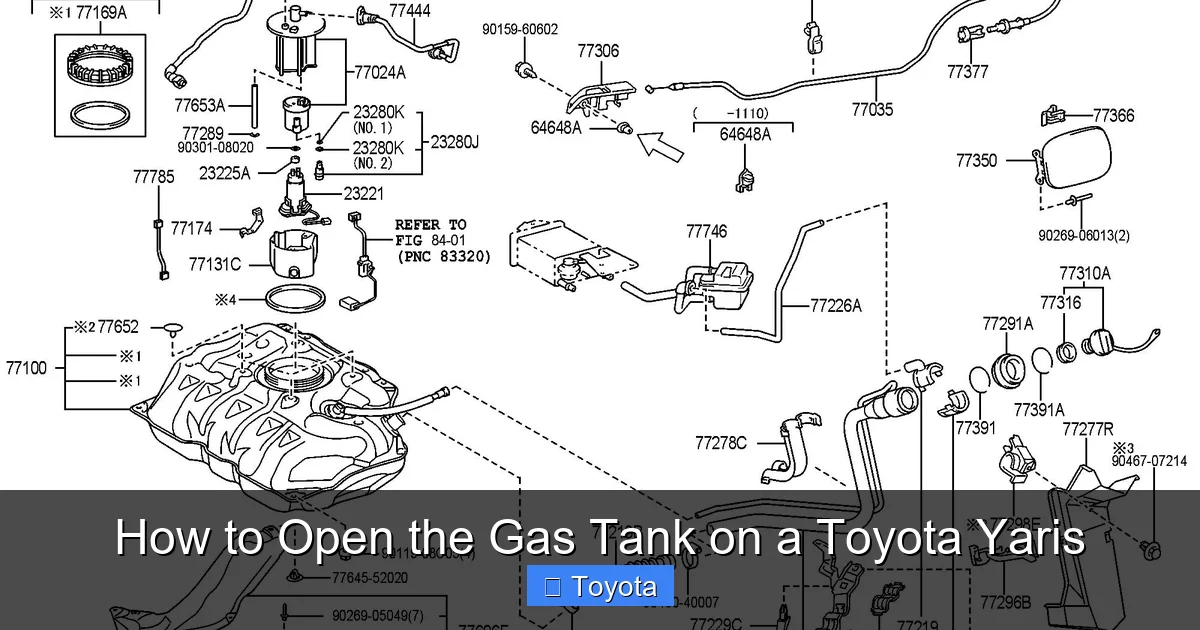
Now that you understand why the fuel door release is where it is, let’s get into the actual steps. Opening the gas tank on a Toyota Yaris is a straightforward process that takes just a few seconds once you know what to do. Here’s a detailed, step-by-step guide to help you do it confidently.
Step 1: Locate the Fuel Door Release Lever
The first step is finding the fuel door release lever. As mentioned earlier, it’s located on the driver’s side of the car, near the floor. Specifically, look just below the steering column and to the left of the driver’s seat, close to where your left foot would rest when driving.
The lever is typically a small, horizontal handle made of plastic. It may be black or gray to match the interior trim. On many Yaris models, there’s a small icon next to it—a simple drawing of a gas pump—to help you identify it. If you don’t see the icon, don’t worry. The lever is still there; it’s just not labeled.
To make it easier to find, try sitting in the driver’s seat and scanning the area near your left foot. You’re looking for a lever that’s slightly raised or recessed compared to the surrounding panel. It should feel like a small handle you can pull toward you.
Step 2: Pull the Lever to Unlock the Fuel Door
Once you’ve located the lever, the next step is simple: pull it toward you. You don’t need to use much force—just a firm, steady pull. When you do, you’ll hear a soft “click” as the fuel door unlocks.
At this point, the fuel door on the outside of the car will pop open slightly. It won’t swing all the way open on its own; it will just release from the latch and protrude a little from the body of the car. This is normal. The slight gap is enough for you to get your fingers behind the door and pull it open fully.
It’s important to note that pulling the lever only unlocks the door—it doesn’t open it completely. You still need to go outside the car to manually open the fuel door. This two-step process is a safety feature to prevent accidental openings.
Step 3: Open the Fuel Door Manually
Now that the fuel door is unlocked, step out of the car and walk to the side where the fuel door is located. On most Toyota Yaris models, the fuel door is on the driver’s side rear quarter panel, near the back of the car.
Gently place your fingers in the small gap between the fuel door and the body of the car. Pull the door outward until it swings open fully. It should move smoothly on its hinges. Be careful not to force it—if it feels stuck, double-check that you’ve pulled the interior lever correctly.
Once the door is open, you’ll see the gas cap inside. It’s usually a black or gray plastic cap with a threaded design. Some models may have a small cover over the cap, but most Yaris versions have the cap exposed once the door is open.
Step 4: Remove the Gas Cap
With the fuel door open, the next step is removing the gas cap. The cap is designed to screw on and off, so you’ll need to turn it counterclockwise to loosen it. Most Yaris models have a cap with a simple twist-off design—no tools required.
As you turn the cap, you may hear a slight hissing sound. This is normal and is caused by pressure equalizing inside the fuel tank. Don’t be alarmed—it’s just air moving in or out as the seal breaks.
Once the cap is loose, continue turning it until it comes off completely. Most Yaris models include a small tether or strap that keeps the cap attached to the fuel door. This is a thoughtful design feature that prevents you from losing the cap while refueling. If your model has this tether, the cap will dangle from the door as you fill up.
If your Yaris doesn’t have a tether, be sure to place the cap somewhere safe—like on the fuel door or in the cup holder—so you don’t drop it or forget to replace it later.
Step 5: Refuel Your Vehicle
Now that the gas cap is off, you’re ready to refuel. Insert the fuel nozzle into the filler neck and begin pumping. The Toyota Yaris typically uses regular unleaded gasoline, but it’s always a good idea to check your owner’s manual or the label inside the fuel door to confirm the correct fuel type.
Most gas pumps will automatically stop when the tank is full, but it’s still wise to pay attention. Overfilling can cause fuel to spill, which is not only wasteful but also a fire hazard. If you’re using a pump with a manual trigger, release it once the flow slows or stops.
While refueling, avoid using your phone or smoking near the pump. Even though modern vehicles are designed with safety in mind, it’s always best to follow standard gas station safety practices.
Step 6: Replace the Gas Cap and Close the Fuel Door
After you’ve finished filling up, it’s time to close everything up. Start by replacing the gas cap. Screw it back on clockwise until it’s tight. You should feel it seat properly and hear a slight click or resistance when it’s fully secured.
Don’t overtighten the cap—this can damage the threads or the seal. Just make sure it’s snug and secure. A loose cap can trigger the check engine light in some vehicles, so it’s important to get this step right.
Next, close the fuel door. Simply push it shut until you hear a firm click. The door should sit flush with the body of the car. If it doesn’t close completely, check for any obstructions—like the gas cap tether or debris—and try again.
Finally, return to the driver’s seat and make sure the fuel door release lever is in its original position. It should reset automatically when the door is closed, but it’s good to double-check.
Tips for a Smooth Refueling Experience
Visual guide about How to Open the Gas Tank on a Toyota Yaris
Image source: i.ytimg.com
Now that you know how to open the gas tank on a Toyota Yaris, here are some practical tips to make the process even easier and safer.
Keep the Release Lever Clean and Accessible
Over time, dust, dirt, and debris can accumulate around the fuel door release lever, especially if you drive in dusty or muddy conditions. This can make the lever harder to find or operate. To prevent this, take a moment every few weeks to wipe down the area around the lever with a damp cloth.
Also, avoid placing items like floor mats or storage bins directly over the lever. While it’s unlikely to interfere with operation, keeping the area clear ensures you can access it quickly when needed.
Use the Fuel Cap Tether
If your Yaris has a fuel cap tether, always use it. It’s a small feature, but it can save you from losing the cap or having to hold it while refueling. If your model doesn’t have one, consider purchasing a universal tether that attaches to the cap and the fuel door. These are inexpensive and widely available online or at auto parts stores.
Check the Fuel Type Before Filling
While most Toyota Yaris models are designed to run on regular unleaded gasoline (87 octane), it’s always a good idea to confirm your vehicle’s requirements. Check the label inside the fuel door or consult your owner’s manual. Using the wrong fuel type can affect performance and fuel efficiency.
Some high-performance or hybrid versions of the Yaris may have different requirements, so don’t assume all models are the same.
Be Mindful of Weather Conditions
In cold weather, the fuel door or cap may become stiff due to condensation or frost. If you’re having trouble opening the door or removing the cap, try warming the area slightly with your hands or a cloth. Avoid using sharp objects to pry the door open, as this can damage the paint or mechanism.
In hot weather, fuel can expand, so avoid overfilling the tank. Leave a small amount of space to allow for expansion, especially if you plan to drive in high temperatures.
Listen for the Click
When closing the fuel door, always listen for the click. This sound confirms that the door is securely latched. If you don’t hear it, the door may not be fully closed, which could lead to wind noise, fuel odor, or even a warning light on your dashboard.
Troubleshooting Common Issues
Even with the best preparation, you might run into the occasional problem when opening the gas tank on your Toyota Yaris. Here are some common issues and how to fix them.
Fuel Door Won’t Open After Pulling the Lever
If you’ve pulled the interior lever but the fuel door doesn’t budge, there could be a few reasons. First, make sure the car is unlocked. On some models, the fuel door release is disabled when the doors are locked for security.
If the car is unlocked and the door still won’t open, check for ice or debris blocking the door. In winter, snow or ice can freeze the door shut. Use a de-icer spray or warm water (not boiling) to melt the ice.
If the problem persists, the latch mechanism may be faulty. This is rare but possible. In that case, consult a Toyota service center for inspection and repair.
Gas Cap Won’t Screw Back On
If the gas cap feels cross-threaded or won’t tighten, stop forcing it. Remove the cap and inspect the threads on both the cap and the filler neck. Look for dirt, damage, or misalignment.
Clean the threads with a dry cloth and try again. Make sure you’re turning the cap clockwise and starting it straight. If the cap is damaged, replace it with a genuine Toyota part to ensure a proper seal.
Check Engine Light Comes On After Refueling
A loose or missing gas cap is one of the most common causes of the check engine light. If the light comes on after you’ve filled up, double-check that the cap is tight and the fuel door is closed.
If the light remains on, use an OBD2 scanner to check for error codes. In most cases, tightening the cap and driving for a few miles will clear the code. If not, have the vehicle inspected.
Model Year Differences to Be Aware Of
While the basic process of opening the gas tank is similar across most Toyota Yaris models, there are some differences depending on the year and trim level.
Older Models (2006–2014)
Older Yaris models often have a simpler interior design. The fuel door release lever may not have a gas pump icon, making it harder to identify. The lever is still located on the driver’s side floor, but it might be less prominent.
Some older versions also lack a fuel cap tether, so you’ll need to be extra careful not to lose the cap.
Newer Models (2015–Present)
Newer Yaris models feature updated interiors with clearer labeling. The fuel door release lever usually includes a gas pump icon, and many have improved ergonomics.
Hybrid versions of the Yaris may have additional safety features, such as a fuel door lock that integrates with the central locking system.
Regional Variations
Depending on where your Yaris was manufactured or sold, there may be slight differences in the fuel door mechanism. For example, European models might have different labeling or placement due to regional regulations.
Always refer to your owner’s manual for model-specific instructions.
Conclusion
Opening the gas tank on a Toyota Yaris is a simple process once you know where to look and what to do. While the internal release mechanism might seem confusing at first, it’s designed for safety, security, and a clean exterior appearance. By following the steps outlined in this guide—locating the lever, pulling it, opening the door, removing the cap, refueling, and closing everything securely—you’ll be able to fill up your Yaris with confidence every time.
Remember to keep the release area clean, use the fuel cap tether if available, and always double-check that the cap is tight and the door is closed. With a little practice, this routine will become second nature.
Whether you’re a new Yaris owner or just borrowing a friend’s car, knowing how to open the gas tank is an essential skill. Now that you’ve got it down, you can focus on what really matters—enjoying the ride.
Frequently Asked Questions
Where is the gas tank release on a Toyota Yaris?
The gas tank release lever is located on the driver’s side floor, just below the door panel and near the footwell. Look for a small handle, often marked with a gas pump icon.
Do I need a key to open the gas tank on a Toyota Yaris?
No, the Toyota Yaris does not require a key to open the gas tank. It uses an internal release lever inside the car, so no external key is needed.
Why won’t my Yaris fuel door open after pulling the lever?
If the fuel door doesn’t open, make sure the car is unlocked. Ice, debris, or a faulty latch could also prevent it from opening. Check for obstructions or consult a mechanic if the issue persists.
Can I overfill the gas tank in a Toyota Yaris?
It’s best to avoid overfilling. Stop pumping when the nozzle clicks off automatically. Overfilling can cause fuel spillage and may damage the evaporative emissions system.
What type of fuel does a Toyota Yaris use?
Most Toyota Yaris models use regular unleaded gasoline (87 octane). Always check the label inside the fuel door or your owner’s manual to confirm.
Is the gas cap tethered on a Toyota Yaris?
Many newer Yaris models include a tether to keep the gas cap attached to the fuel door. Older models may not have this feature, so be careful not to lose the cap.