How to Open the Gas Tank on a Toyota Corolla

Contents
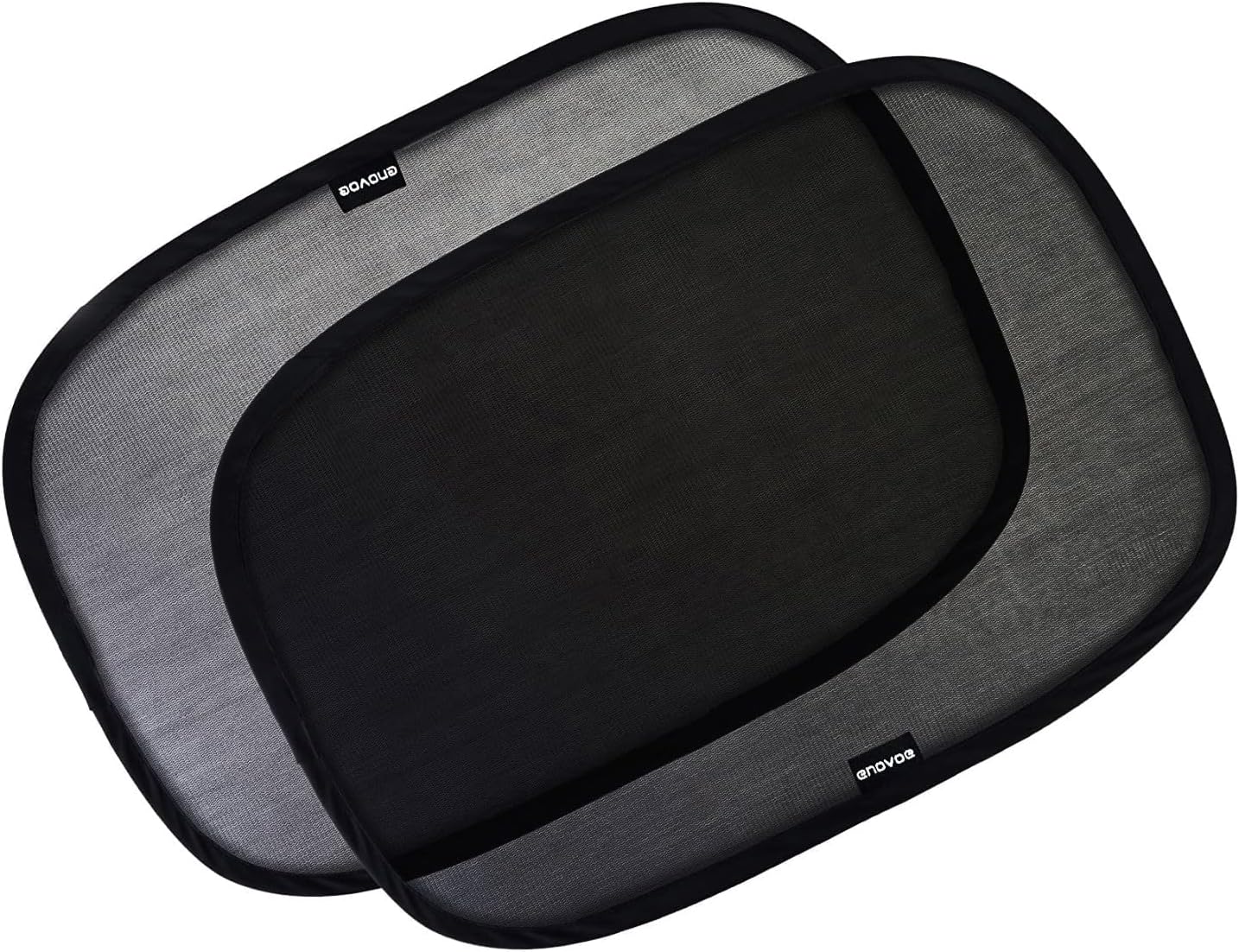
Side Window Sunshade

Car Cup Holder Expander

Car LED Headlight Bulb

Car Armrest Cushion
Opening the gas tank on a Toyota Corolla is simple once you know where to look. Whether you’re driving a 2020 model or a classic 2005 Corolla, the process is nearly identical across most years. This guide walks you through every step, from locating the fuel door release to safely refueling your car.
This is a comprehensive guide about How to Open the Gas Tank on a Toyota Corolla.
Key Takeaways
- Locate the fuel door release lever: It’s usually on the driver’s side, near the floor or under the dashboard.
- Pull the lever to unlock the gas tank door: A soft click means the door is released and ready to open.
- Open the gas cap by turning it counterclockwise: Most Corollas use a twist-off cap, but some newer models have a capless system.
- Use the fuel door tether (if equipped): This keeps the door from swinging open too far and damaging the hinge.
- Always turn off the engine before refueling: Safety first—never pump gas with the engine running.
- Check your owner’s manual for model-specific details: Features vary slightly between model years and trims.
- Keep the area clean and dry: Prevent dirt and moisture from entering the fuel system.
[FEATURED_IMAGE_PLACEHOLDER]
How to Open the Gas Tank on a Toyota Corolla
If you’ve just bought a Toyota Corolla or are driving one for the first time, you might be wondering: “How do I even open the gas tank?” Don’t worry—you’re not alone. Many new drivers, and even some experienced ones, have stood beside their car at the pump, scratching their heads, unsure of where to start. The good news? It’s easier than you think. Once you know the steps, opening the gas tank on a Toyota Corolla becomes second nature.
The Toyota Corolla is one of the most popular compact sedans in the world, known for its reliability, fuel efficiency, and user-friendly design. But like any car, it has its quirks—especially when it comes to everyday tasks like refueling. Unlike some vehicles that have external buttons or key-operated fuel doors, the Corolla uses an internal lever system that’s simple but not always obvious at first glance. Whether you’re driving a brand-new 2024 Corolla Hybrid or a trusty 2010 model, the basic process remains consistent across most generations.
In this guide, we’ll walk you through every step of opening the gas tank on a Toyota Corolla—from finding the release lever to safely replacing the gas cap. We’ll also cover common mistakes, safety tips, and troubleshooting advice for when things don’t go as planned. By the end, you’ll feel confident every time you pull up to the pump.
Step-by-Step Guide to Opening the Gas Tank
Let’s break it down into clear, easy-to-follow steps. Whether you’re a first-time Corolla owner or just need a refresher, this guide will have you refueling like a pro in no time.
Step 1: Turn Off the Engine and Park Safely
Before you even think about opening the gas tank, make sure your car is completely turned off. This isn’t just a suggestion—it’s a critical safety rule. Never attempt to refuel while the engine is running. Gasoline is highly flammable, and even a small spark could lead to a dangerous situation. So, turn the key to the “off” position or press the engine stop button if you have a keyless ignition.
Next, park your Corolla on level ground and engage the parking brake. This prevents the car from rolling while you’re at the pump. It’s also a good idea to turn off any accessories like the radio or air conditioning to reduce electrical load. Once you’re safely parked and the engine is off, you’re ready for the next step.
Step 2: Locate the Fuel Door Release Lever
Now comes the part that trips up many drivers: finding the fuel door release. On most Toyota Corollas, this lever is located inside the car, on the driver’s side. It’s usually positioned near the lower left side of the dashboard, close to the door panel and just above the footwell. In some older models (like the 2003–2008 Corolla), it might be slightly higher, near the steering column.
The lever is typically a small, unmarked handle made of plastic. It often looks like a small flap or a pull tab. You won’t see the word “fuel” or “gas” written on it—Toyota keeps it simple. Instead, it’s designed to blend in with the interior trim. If you’re having trouble spotting it, try looking just to the left of the driver’s seat, about knee-level or slightly higher.
Here’s a quick tip: In dim lighting, use your phone’s flashlight to help you find it. Once you locate it, give it a gentle pull. You should hear a soft *click*, which means the fuel door has been unlocked. If nothing happens, don’t panic—sometimes the lever needs a firmer tug, or the mechanism might be stiff from disuse.
Step 3: Open the Fuel Door
After pulling the release lever, walk to the side of your Corolla where the gas tank is located. On most Corollas, the fuel door is on the driver’s side rear quarter panel—just behind the rear door. You’ll see a small, rectangular door that blends into the body of the car.
Gently push on the edge of the door. It should pop open slightly. If it doesn’t budge, double-check that you pulled the release lever inside the car. Sometimes the door stays locked if the lever wasn’t fully engaged. Once it opens, you’ll see the gas cap—either a traditional twist-off cap or a capless fuel filler neck, depending on your model year.
Some newer Corollas (especially 2019 and later) come with a capless fuel system. This means there’s no physical cap to remove—just a spring-loaded flap that opens when you insert the nozzle. If your car has this feature, you can skip the next step and go straight to inserting the pump nozzle.
Step 4: Remove the Gas Cap (If Applicable)
If your Corolla has a traditional gas cap—common in models from 2018 and earlier—you’ll need to unscrew it before refueling. The cap is usually black or gray and has a small chain or tether attached to prevent you from losing it.
To remove it, turn the cap counterclockwise. It should loosen after about a quarter turn. Some caps have a locking mechanism, but most Corollas don’t require a key. Once it’s loose, lift it off and place it somewhere safe—like on top of the fuel door or in the cup holder. Avoid setting it on the ground, where it could get dirty or damaged.
Pro tip: If the cap feels stuck, don’t force it. Try wiggling it gently while turning. Sometimes dirt or debris can cause it to seize. A little patience goes a long way.
Step 5: Insert the Fuel Nozzle and Refuel
Now that the gas tank is open, you’re ready to pump. Insert the nozzle into the filler neck and squeeze the handle to begin fueling. Most gas pumps automatically stop when the tank is full, but it’s still a good idea to keep an eye on the nozzle and listen for the click that signals the tank is nearly full.
Avoid “topping off” the tank—this means continuing to pump after the nozzle clicks off. Overfilling can cause fuel to spill into the vapor recovery system, which can damage your car’s emissions components and even void your warranty. Plus, it’s a waste of money and bad for the environment.
When you’re done, remove the nozzle and place it back in the pump. If you removed a gas cap, now’s the time to put it back. Screw it on clockwise until it clicks—usually about a quarter turn. Don’t overtighten it, as this can damage the threads.
Step 6: Close the Fuel Door and Reset the System
After replacing the cap (if needed), gently push the fuel door closed until it clicks into place. Make sure it’s fully sealed to prevent water, dirt, or debris from entering the fuel system. If your Corolla has a tether, make sure it’s not caught in the door.
Finally, return to the driver’s seat and start your car. Some models may display a “Check Fuel Cap” warning light if the cap wasn’t tightened properly. If this happens, turn off the engine, reopen the fuel door, and retighten the cap. The light should go away after a few drive cycles.
Model Year Variations and Special Features
While the basic process of opening the gas tank is similar across most Toyota Corolla models, there are some differences depending on the year and trim level. Let’s take a closer look at how the system has evolved over time.
Older Models (2003–2013)
In earlier Corollas, the fuel door release lever is typically located near the driver’s left knee, just below the dashboard. It’s a simple pull handle with no markings. These models almost always use a traditional twist-off gas cap, which must be manually removed and replaced.
One thing to note: some older Corollas have a fuel door that springs open when the lever is pulled. Others require you to push the door to release it. If your door doesn’t open automatically, try pressing the edge gently—it might just need a nudge.
Mid-Generation Models (2014–2018)
Starting around 2014, Toyota began updating the interior design of the Corolla. The fuel door release lever remained in the same general location, but it became slightly more integrated into the dashboard trim. These models still use a physical gas cap, but the cap design became more ergonomic, with better grip and a more secure seal.
Some higher trims in this range (like the LE Premium or XSE) may include additional features like a fuel door lock that engages when the car is locked. This adds a layer of security, especially in urban areas.
Newer Models (2019–Present)
The most significant change in recent Corollas is the introduction of the capless fuel filler system. Found in many 2019 and newer models, this system eliminates the need for a gas cap altogether. Instead, a spring-loaded flap inside the filler neck opens when the nozzle is inserted and closes automatically when the nozzle is removed.
This design reduces the risk of forgetting to replace the cap and helps prevent fuel evaporation. It also gives the car a cleaner, more modern look. However, it does require a bit of adjustment if you’re used to traditional caps. Just remember: no cap to remove, no cap to replace.
Another feature in newer Corollas is the fuel door tether. This small strap keeps the fuel door from swinging open too far, protecting the hinge from damage. It’s a small detail, but one that shows Toyota’s attention to durability.
Hybrid Models
Toyota Corolla Hybrid models follow the same basic refueling process as their gasoline counterparts. The fuel door release lever is in the same location, and the fuel door is on the driver’s side. However, because hybrids have both a gasoline engine and an electric motor, it’s especially important to follow proper refueling procedures to maintain efficiency and battery health.
Always turn off the hybrid system completely before refueling. The car may appear to be off, but the hybrid system can still be active. Make sure the “Ready” light is off before you begin.
Safety Tips and Best Practices
Refueling your Toyota Corolla is a routine task, but it’s not without risks. A few simple precautions can keep you safe and protect your vehicle.
Never Smoke or Use Open Flames
Gasoline vapors are highly flammable. Even a small spark from a lighter, cigarette, or electronic device can ignite them. Always extinguish any flames and avoid smoking near the pump.
Turn Off Your Phone
While there’s no solid evidence that cell phones can cause gas station fires, many stations still require you to turn them off as a precaution. It’s better to be safe than sorry.
Stay with Your Vehicle
Never leave your car unattended while refueling. If something goes wrong—like a fuel spill or malfunction—you need to be there to respond quickly.
Use the Correct Fuel
The Toyota Corolla is designed to run on regular unleaded gasoline with an octane rating of 87 or higher. Using premium fuel won’t improve performance or efficiency—it’s just a waste of money. Check your owner’s manual to confirm the recommended fuel type.
Check for Leaks
After refueling, take a moment to inspect the area around the filler neck. Look for any signs of fuel leakage or unusual smells. If you notice anything suspicious, have your car inspected by a professional.
Keep the Area Clean
Dirt, water, and debris can enter the fuel system if the cap or filler neck isn’t sealed properly. Always make sure the gas cap is tight and the fuel door is closed. If you’re in a rainy or dusty environment, wipe the area clean before opening the tank.
Troubleshooting Common Issues
Even with the best intentions, things don’t always go smoothly. Here are some common problems drivers face when trying to open the gas tank on a Toyota Corolla—and how to fix them.
The Fuel Door Won’t Open
If you’ve pulled the release lever but the fuel door won’t budge, there are a few possible causes. First, make sure the car is unlocked. On some models, the fuel door is linked to the central locking system. If the car is locked, the door may not open.
Next, check if the lever is fully engaged. Sometimes it takes a firm pull to release the mechanism. If that doesn’t work, try pressing the edge of the fuel door while pulling the lever. The door might be stuck due to dirt or corrosion.
If all else fails, consult your owner’s manual or visit a Toyota service center. There may be a manual release mechanism hidden behind the rear seat or in the trunk.
The Gas Cap Is Stuck
A stuck gas cap is a common frustration. If it won’t turn counterclockwise, don’t force it. Try applying a small amount of penetrating oil (like WD-40) around the threads and let it sit for a few minutes. Then, try turning it again with a rubber grip or cloth for better traction.
If the cap is damaged or worn, consider replacing it. A faulty cap can trigger the “Check Engine” light and reduce fuel efficiency.
The “Check Fuel Cap” Light Is On
This warning light usually means the gas cap isn’t tightened properly. Turn off the engine, reopen the fuel door, and retighten the cap until it clicks. Drive for a few miles, and the light should reset automatically.
If the light persists, the cap may be damaged or the seal may be worn. Replace the cap with a genuine Toyota part to ensure a proper fit.
Fuel Door Won’t Close Properly
If the fuel door won’t latch, check for obstructions like dirt, ice, or the tether strap. Clean the area and try again. If the hinge is damaged, it may need to be repaired or replaced.
Conclusion
Opening the gas tank on a Toyota Corolla is a simple task once you know how. From locating the release lever to safely refueling and closing the door, each step is designed for convenience and safety. Whether you’re driving a classic Corolla or a brand-new hybrid, the process remains user-friendly and reliable.
By following this guide, you’ll avoid common mistakes, keep your car in top condition, and feel confident every time you visit the pump. Remember to always turn off the engine, use the correct fuel, and check that the cap is secure. With a little practice, refueling your Corolla will become as routine as checking your oil or filling up the windshield washer fluid.
So the next time you’re at the gas station, don’t hesitate. You’ve got this.
Frequently Asked Questions
Where is the gas tank release on a Toyota Corolla?
The fuel door release lever is usually located on the driver’s side, near the floor or under the dashboard. Look for a small plastic handle just to the left of the steering wheel.
Do all Toyota Corollas have a gas cap?
No. Older models have a twist-off gas cap, but many newer Corollas (2019 and later) use a capless fuel filler system with no removable cap.
Why won’t my Corolla’s fuel door open?
The door may be locked if the car is locked, or the release lever may not be fully engaged. Try pulling the lever firmly and pressing the door edge to release it.
Can I use premium gas in my Toyota Corolla?
The Corolla is designed for regular unleaded gasoline (87 octane). Using premium fuel offers no performance or efficiency benefits and is unnecessary.
What does the “Check Fuel Cap” light mean?
This light indicates the gas cap isn’t tightened properly. Turn off the engine, retighten the cap, and the light should reset after driving.
Is it safe to refuel in the rain?
Yes, it’s generally safe to refuel in light rain. Just avoid handling the nozzle with wet hands and keep the area around the filler neck dry to prevent water from entering the tank.