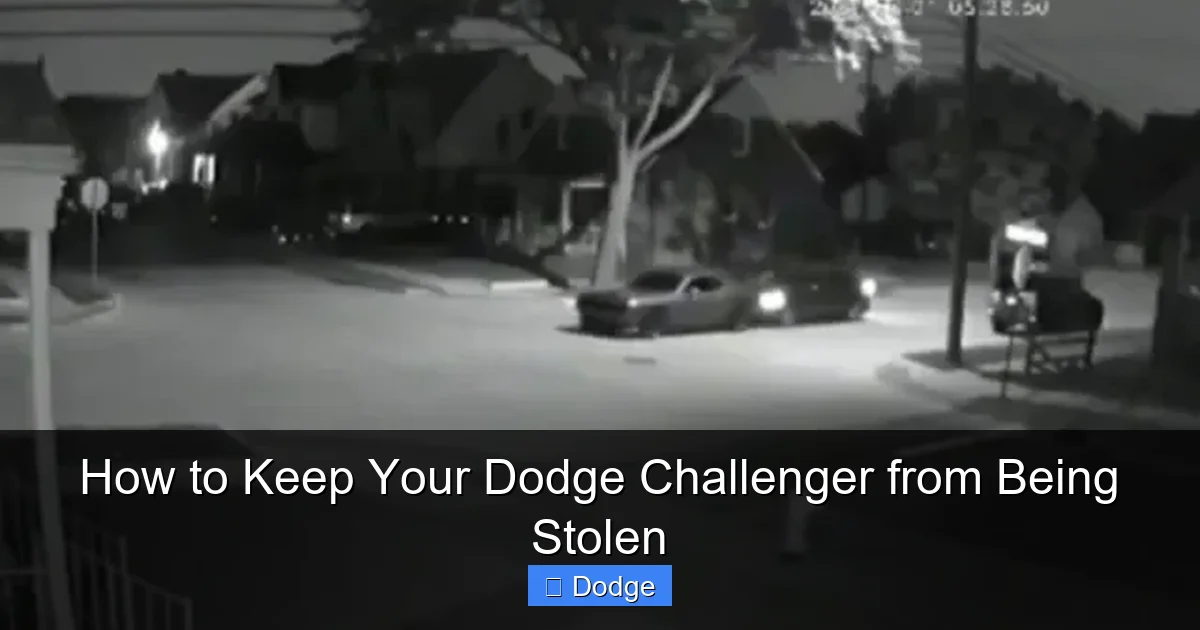
How to Keep Your Dodge Challenger from Being Stolen

Contents
- 1 Key Takeaways
- 2 📑 Table of Contents
- 3 Why the Dodge Challenger Is a Theft Magnet
- 4 Understand How Thieves Target Your Challenger
- 5 Use Physical Deterrents to Discourage Thieves
- 6 Upgrade Your Electronic Security Systems
- 7 Adopt Smart Parking and Daily Habits
- 8 Leverage Factory and Aftermarket Immobilizers
- 9 Stay Informed and Stay Vigilant
- 10 What to Do If Your Challenger Is Stolen
- 11 Conclusion
- 12 Frequently Asked Questions



Your Dodge Challenger is a head-turner—and unfortunately, that makes it a target for thieves. But with the right mix of technology, habits, and awareness, you can dramatically reduce the risk of theft and keep your ride where it belongs: in your driveway.
Key Takeaways
- Install a GPS tracker: Real-time location monitoring lets you recover your Challenger quickly if it’s stolen.
- Use a steering wheel lock: A visible deterrent like The Club makes thieves think twice before targeting your car.
- Upgrade your factory alarm: Modern systems with motion sensors and smartphone alerts offer better protection.
- Avoid parking in high-risk areas: Well-lit, busy locations reduce the chances of theft.
- Enable passive immobilizers: Many newer Challengers have built-in tech that prevents hot-wiring.
- Keep your keys secure: Never leave spare keys in or near the car, and use signal-blocking pouches.
- Regularly update your security habits: Stay informed about new theft trends and adjust your routine accordingly.
📑 Table of Contents
- Why the Dodge Challenger Is a Theft Magnet
- Understand How Thieves Target Your Challenger
- Use Physical Deterrents to Discourage Thieves
- Upgrade Your Electronic Security Systems
- Adopt Smart Parking and Daily Habits
- Leverage Factory and Aftermarket Immobilizers
- Stay Informed and Stay Vigilant
- What to Do If Your Challenger Is Stolen
- Conclusion
Why the Dodge Challenger Is a Theft Magnet
The Dodge Challenger isn’t just a car—it’s a statement. With its bold lines, rumbling V8 engine, and classic American muscle vibe, it turns heads wherever it goes. But that same attention-grabbing appeal also makes it a prime target for car thieves. Whether it’s the high resale value of parts, the thrill of stealing a performance vehicle, or the ease of quick resale on the black market, the Challenger’s popularity works against it when it comes to security.
According to the National Insurance Crime Bureau (NICB), muscle cars like the Challenger, Charger, and Ford Mustang are consistently among the most stolen vehicles in the U.S. In fact, data from recent years shows that the Challenger ranks in the top 10 most stolen vehicles annually. Thieves know these cars are desirable, and they often have networks ready to move them quickly—sometimes within hours of theft. Whether it’s for joyriding, part harvesting, or shipping overseas, the risk is real.
But here’s the good news: you’re not powerless. While no car is 100% theft-proof, there are dozens of practical, affordable, and highly effective steps you can take to dramatically reduce the odds of your Challenger being stolen. From simple behavioral changes to high-tech security upgrades, this guide will walk you through everything you need to know to keep your ride safe.
Understand How Thieves Target Your Challenger
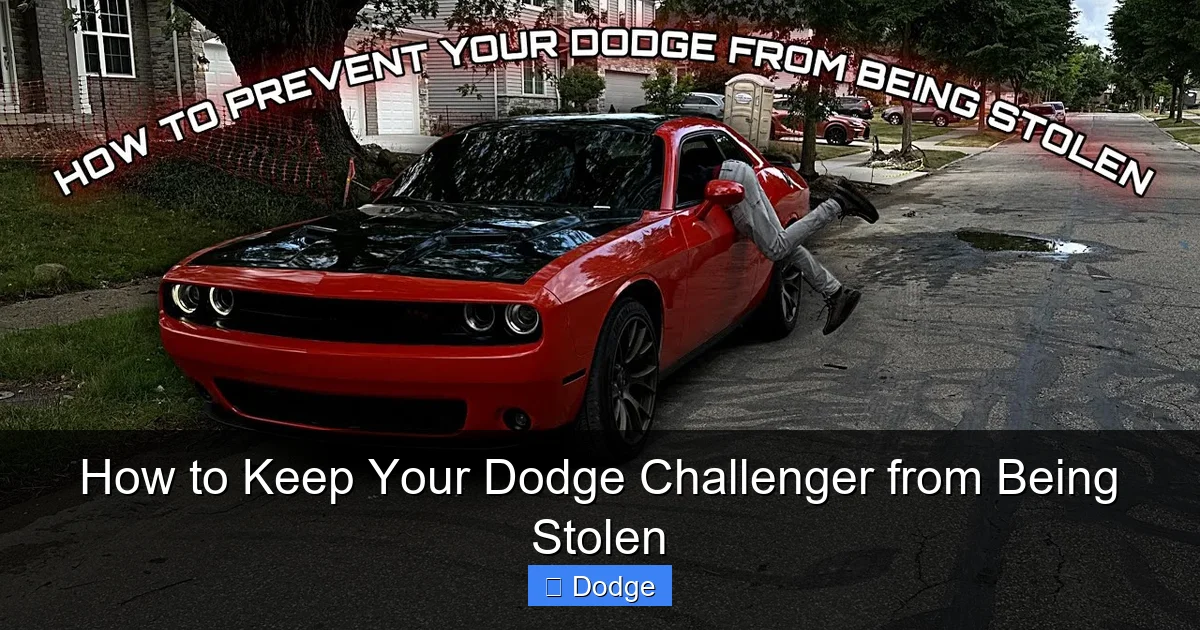
Visual guide about How to Keep Your Dodge Challenger from Being Stolen
Image source: i.ytimg.com
Before you can protect your Dodge Challenger, it helps to understand how thieves operate. Most car thefts aren’t random acts of opportunity—they’re calculated. Thieves often scout neighborhoods, parking lots, and dealerships, looking for high-value vehicles with weak security. The Challenger, especially models with manual transmissions or high-performance trims like the Scat Pack or Hellcat, are especially attractive.
One common method is “relay theft,” where thieves use electronic devices to amplify the signal from your key fob (even if it’s inside your house) and trick the car into thinking the key is nearby. This allows them to start the car and drive off without ever touching the ignition. Another tactic is “slim jim” lock-picking or breaking a window to access the interior and manually start the vehicle. In some cases, thieves simply tow the car away—especially if it’s parked in a secluded area.
Older models (pre-2015) are particularly vulnerable because they lack advanced anti-theft technology. But even newer Challengers with push-button start and encrypted keys aren’t immune. Thieves are constantly evolving their methods, using signal boosters, key programmers, and even social engineering to gain access.
Knowing these tactics helps you anticipate risks. For example, if you park your Challenger in a dimly lit garage or leave it overnight in a hotel parking lot, you’re increasing the chances of becoming a target. The more you understand how theft happens, the better you can defend against it.
Use Physical Deterrents to Discourage Thieves
Visual guide about How to Keep Your Dodge Challenger from Being Stolen
Image source: motorious.com
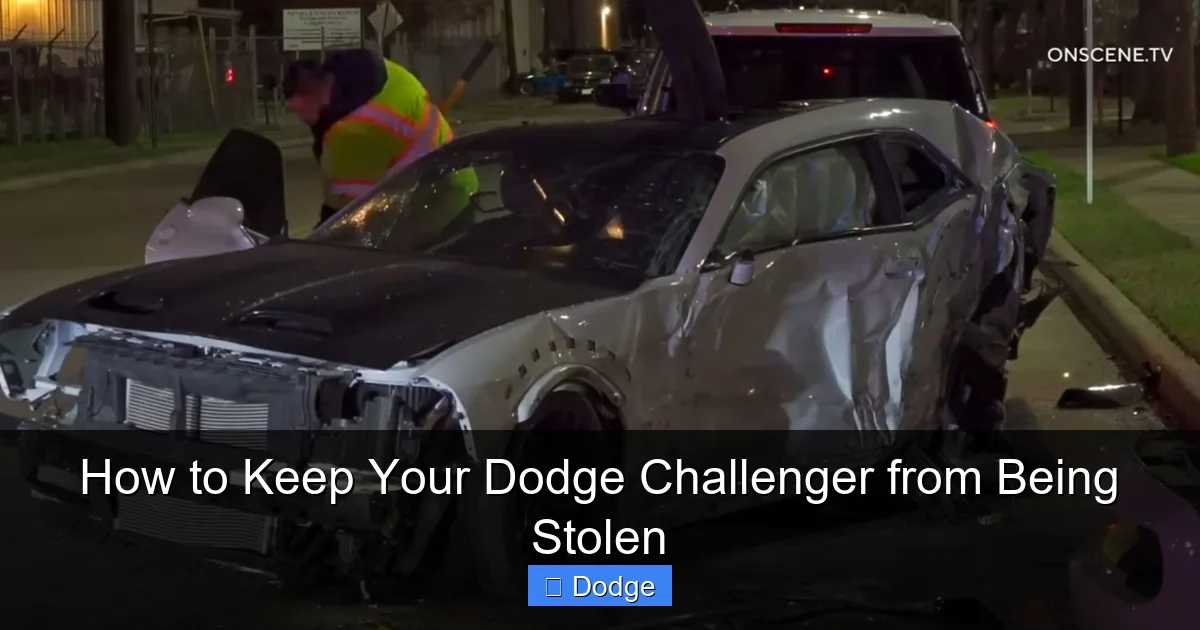
One of the most effective ways to prevent theft is to make your Dodge Challenger look like too much trouble to steal. Physical deterrents are visible, easy to use, and highly effective at scaring off opportunistic thieves. The idea is simple: if a car looks hard to steal, most criminals will move on to an easier target.
Steering Wheel Locks: The Classic Defense
The Club is the most well-known steering wheel lock, and for good reason—it works. This heavy-duty bar locks across your steering wheel, making it impossible to turn the wheel more than a few degrees. Even if a thief gets inside, they can’t drive the car. The bright yellow color and bulky design send a clear message: “Not worth the effort.”
While some newer Challengers have tilt steering wheels that can make installation a bit trickier, most models can still accommodate The Club or similar devices like the Python Steering Wheel Lock. It takes less than 30 seconds to install and can be stored in your trunk when not in use. For maximum effect, use it every time you park—especially in unfamiliar areas.
Pedal Locks and Gear Shift Locks
Another physical option is a pedal lock, which clamps over the brake or accelerator pedal, preventing it from being pressed. These are less common but equally effective. Similarly, gear shift locks (for automatic transmissions) prevent the shifter from being moved out of “Park.” These devices are especially useful if you park in high-theft zones or leave your car unattended for long periods.
Tire Locks and Boot Devices
For extreme protection, consider a tire lock or boot. These devices clamp onto one of your wheels, making the car immobile. While they’re bulky and inconvenient for daily use, they’re ideal for long-term parking—like when you’re on vacation or storing your Challenger for the winter. Some owners even use them at car shows or events where the car will be parked for hours.
Window Etching and VIN Marking
While not a physical barrier, etching your Vehicle Identification Number (VIN) onto your windows and major parts makes your car less attractive to thieves. Stolen cars with etched VINs are harder to resell or dismantle, and law enforcement can more easily identify them. Many local police departments offer free VIN etching events, or you can do it yourself with a kit.
Upgrade Your Electronic Security Systems
Visual guide about How to Keep Your Dodge Challenger from Being Stolen
Image source: motorious.com
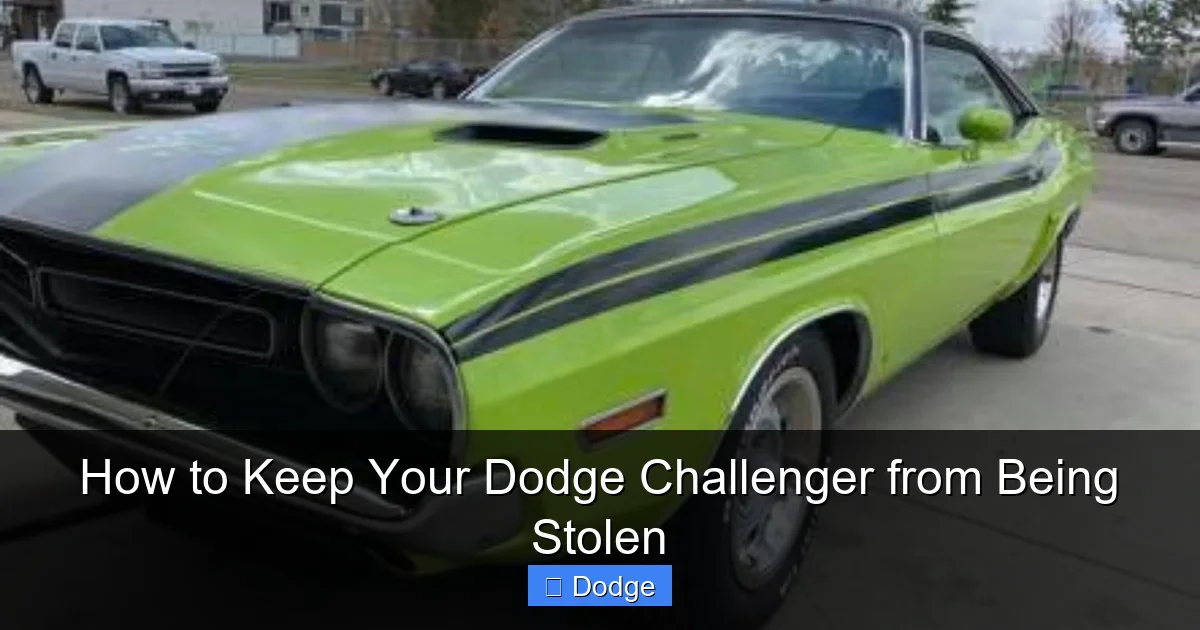
Physical locks are great, but modern theft often bypasses them with electronic tricks. That’s why upgrading your electronic security is crucial. Today’s systems go far beyond the basic factory alarm that blares when a door is opened.
Install a GPS Tracking System
A GPS tracker is one of the best investments you can make for your Challenger. Devices like the Vyncs, Bouncie, or SpyTec STI GL300 allow you to monitor your car’s location in real time via a smartphone app. If your car is stolen, you can immediately share its location with police, increasing the chances of a quick recovery.
Some systems even offer geofencing (alerts if the car leaves a designated area), speed monitoring, and battery backup so they keep working even if the car’s power is cut. Many trackers are small, magnetic, and easy to hide under the dashboard or in the trunk. They’re also affordable—most cost between $50 and $150, with optional monthly subscriptions for data.
Upgrade to a Smart Alarm System
Factory alarms on older Challengers are often easy to disable. Upgrading to a third-party system like the Viper SmartStart or Compustar gives you much more control. These systems include features like:
– Two-way remote start with smartphone control
– Shock and motion sensors that detect break-ins or towing
– Smartphone alerts when the alarm is triggered
– GPS tracking integration
– Kill switches that disable the ignition or fuel pump
With a smart alarm, you can start your car from your phone, check its status, and receive instant notifications if someone tries to tamper with it. Some models even allow you to remotely lock or unlock the doors, giving you peace of mind no matter where you are.
Use a Kill Switch or Immobilizer Bypass
A hidden kill switch is a simple but powerful anti-theft measure. By installing a switch that cuts power to the ignition, fuel pump, or starter, you make it nearly impossible for thieves to start the car—even if they bypass the key fob. The key is to hide the switch in an inconspicuous location, like under the dash or behind the glove box, so only you know where it is.
For newer Challengers with push-button start, consider a relay attack protection module. These devices detect when a relay attack is happening and disable the start function until the correct key is physically present. Brands like RFKeeper and KeyPass offer plug-and-play solutions that work with your existing key fob.
Adopt Smart Parking and Daily Habits
Technology and gadgets are important, but your daily habits can make or break your car’s security. Small changes in how and where you park can significantly reduce your risk.
Choose Your Parking Spot Wisely
Always park in well-lit, high-traffic areas. Thieves prefer darkness and isolation. If you’re at a mall, restaurant, or event, park near security cameras, entrances, or busy walkways. Avoid alleys, abandoned lots, or secluded corners of parking garages.
If you have a garage, use it—and keep the door closed. A closed garage is one of the best protections you can have. If you park on the street, try to position your Challenger so the driver’s side faces the curb. This makes it harder for thieves to access the steering column or break into the car.
Never Leave Valuables in Sight
Even if your Challenger isn’t stolen, leaving laptops, purses, or shopping bags in plain view can attract break-ins. Thieves may smash a window just to grab your stuff—and once they’re inside, they might decide to steal the car too. Always lock your doors and keep valuables out of sight or take them with you.
Be Cautious with Spare Keys
It’s tempting to leave a spare key under the mat or in a magnetic box under the bumper—but don’t. Thieves know all the common hiding spots. If you need a spare, keep it on your person or give it to a trusted friend or family member. Better yet, use a keyless entry system or smartphone app so you don’t need a physical key at all.
Use Signal-Blocking Key Fobs
Relay attacks are a growing threat, especially for keyless entry systems. To protect your fob, store it in a Faraday pouch or RFID-blocking wallet. These pouches block radio signals, preventing thieves from amplifying the key’s signal. You can buy them online for under $20, or even make one by wrapping your fob in aluminum foil.
Some owners take it a step further by keeping their keys in the refrigerator or microwave (yes, really!) when not in use—these metal boxes also block signals. Just don’t forget to take the key out before using the appliance!
Leverage Factory and Aftermarket Immobilizers
Modern Dodge Challengers come with built-in security features that can help prevent theft—if you know how to use them.
Understand Your Factory Immobilizer
Since 1998, all U.S. vehicles have been required to have immobilizers—electronic systems that prevent the engine from starting unless the correct key is present. The Challenger uses a transponder chip in the key fob that communicates with the car’s computer. Without the right signal, the fuel pump and ignition won’t activate.
While this system is effective against traditional hot-wiring, it’s not foolproof. Relay attacks can still fool the system by mimicking the key’s signal. That’s why it’s important to combine the immobilizer with other protections.
Enable Passive Immobilizers and Security Modes
Some newer Challenger models (especially those with Uconnect systems) allow you to enable additional security modes. For example, you can set the car to require a PIN code to start, even with the correct key. This adds an extra layer of protection.
Check your owner’s manual or visit a Dodge dealer to see what security features your model supports. You may be able to activate hidden settings or update your software for better protection.
Consider Aftermarket Immobilizers
If your Challenger is older or lacks advanced security, consider installing an aftermarket immobilizer. These devices cut power to critical systems unless a hidden switch, code, or remote signal is activated. They’re especially useful for classic or modified Challengers that don’t have modern anti-theft tech.
Stay Informed and Stay Vigilant
Car theft trends change fast. What worked five years ago might not work today. Staying informed helps you adapt your security strategy.
Follow Local Crime Reports
Check local news and police bulletins for reports of car thefts in your area. If there’s a spike in muscle car thefts, it’s time to double down on security. Some cities even have neighborhood watch apps like Nextdoor or Citizen that alert you to nearby crimes.
Join Challenger Owner Communities
Online forums like ChallengerTalk, Reddit’s r/DodgeChallenger, and Facebook groups are great places to share tips and warnings. Other owners often post about theft attempts, new security products, or local scams. You might learn about a new relay attack method or a hidden kill switch hack that’s circulating in your region.
Regularly Review and Update Your Security
Security isn’t a one-time setup. Review your protections every few months. Test your alarm, check your GPS tracker’s battery, and make sure your steering wheel lock is still functional. If you travel or park in new areas, adjust your habits accordingly.
What to Do If Your Challenger Is Stolen
Even with the best precautions, theft can still happen. If your Challenger is stolen, act fast:
1. **Call the police immediately.** File a report and provide your VIN, license plate, and description.
2. **Contact your insurance company.** Most policies cover theft, but you’ll need a police report.
3. **Use your GPS tracker.** If you have one, share the location with law enforcement.
4. **Alert your community.** Post on social media, forums, and local groups. Someone might spot your car.
5. **Monitor online marketplaces.** Thieves sometimes try to sell stolen cars or parts on Craigslist, Facebook Marketplace, or eBay.
Most stolen Challengers are recovered within a few days—especially if you have a tracker. But the faster you act, the better your chances.
Conclusion
Your Dodge Challenger is more than just a car—it’s a symbol of power, style, and freedom. But that same appeal makes it a target. The good news? You don’t have to live in fear. By combining physical deterrents, electronic upgrades, smart habits, and community awareness, you can dramatically reduce the risk of theft.
Start with the basics: use a steering wheel lock, park in safe areas, and never leave valuables in sight. Then level up with a GPS tracker, smart alarm, and signal-blocking key fob. Stay informed, stay vigilant, and don’t assume your car is safe just because it has a factory immobilizer.
Remember, most thieves are looking for the easiest target. Make your Challenger the hardest. With the right mix of preparation and awareness, you can enjoy your muscle car with confidence—knowing it’s protected, secure, and ready for the open road.
Frequently Asked Questions
Is the Dodge Challenger easy to steal?
While newer models have advanced anti-theft systems, the Challenger’s popularity and high resale value make it a target. Older models and those without additional security are more vulnerable to relay attacks and hot-wiring.
Do I really need a GPS tracker for my Challenger?
Yes, especially if you live in a high-theft area or frequently park in public spaces. A GPS tracker increases the chances of quick recovery and often pays for itself if your car is stolen.
Can thieves steal my Challenger with keyless entry?
Yes, through relay attacks. Thieves use devices to amplify your key fob’s signal, tricking the car into thinking the key is nearby. Use a Faraday pouch to block the signal when not in use.
Are steering wheel locks effective?
Absolutely. Devices like The Club are highly visible and make it nearly impossible to drive the car. Most thieves will move on to an easier target.
Should I etch my VIN on my windows?
Yes. VIN etching deters thieves because it makes the car harder to resell or dismantle. It also helps law enforcement identify your vehicle if it’s recovered.
What’s the best way to store my key fob?
Keep it in a Faraday pouch or RFID-blocking wallet to prevent relay attacks. Avoid leaving it near doors or windows where signals can be amplified.