
How to Keep Nissan Rogue in Eco Mode

Keeping your Nissan Rogue in Eco Mode isn’t just about pressing a button—it’s about smart driving habits and vehicle maintenance. This guide reveals practical steps to maximize fuel economy, extend engine life, and enjoy a smoother ride every time you hit the road.
Key Takeaways
- Understand Eco Mode Functionality: Eco Mode adjusts throttle response, transmission shift points, and climate control to improve fuel efficiency.
- Activate Eco Mode Correctly: Press the Eco button on the dashboard—usually near the gear shifter—to enable the system instantly.
- Drive Smoothly and Gradually: Avoid rapid acceleration and hard braking to let Eco Mode work effectively.
- Maintain Proper Tire Pressure: Underinflated tires increase rolling resistance, reducing the benefits of Eco Mode.
- Use Cruise Control on Highways: Maintaining a steady speed enhances fuel economy, especially when combined with Eco Mode.
- Keep Up with Regular Maintenance: Clean air filters, fresh oil, and a healthy battery ensure optimal performance in Eco Mode.
- Avoid Overloading the Vehicle: Extra weight forces the engine to work harder, counteracting Eco Mode’s efficiency gains.
📑 Table of Contents
Understanding Eco Mode in the Nissan Rogue
If you’ve ever driven a Nissan Rogue, you’ve probably noticed a small green button labeled “Eco” near the gear shifter or center console. It might seem like just another dashboard feature, but Eco Mode is one of the most useful tools for improving your vehicle’s fuel efficiency and reducing wear and tear on the engine. But how exactly does it work—and more importantly, how can you keep your Nissan Rogue in Eco Mode for maximum benefit?
Eco Mode is a driver-assist feature designed to optimize your vehicle’s performance for fuel economy. When activated, it makes subtle but impactful changes to how your Rogue operates. For example, it softens throttle response, meaning the engine doesn’t rev as quickly when you press the gas pedal. It also adjusts the transmission to shift into higher gears earlier, reducing engine RPMs and saving fuel. Additionally, Eco Mode can limit the power used by climate control systems, such as the air conditioning and heater, to reduce strain on the engine.
But here’s the catch: Eco Mode isn’t a magic button that guarantees better mileage no matter how you drive. It works best when paired with smart driving habits and regular vehicle maintenance. Think of it like a helpful co-pilot—it can guide you toward efficiency, but you still need to steer the right course.
Many Nissan Rogue owners don’t realize that Eco Mode can be turned on and off at any time, and it doesn’t stay permanently activated. That means every time you start your car, you may need to press the button again to re-enable it. This is by design, allowing drivers to switch between performance and efficiency based on their needs. However, if you’re focused on saving fuel—especially during long commutes or road trips—keeping Eco Mode active should be a top priority.
In this guide, we’ll walk you through everything you need to know about keeping your Nissan Rogue in Eco Mode, from activation tips to driving techniques and maintenance routines. Whether you drive a 2014 model or a brand-new 2024 Rogue, these strategies will help you get the most out of this smart feature.
How to Activate and Maintain Eco Mode
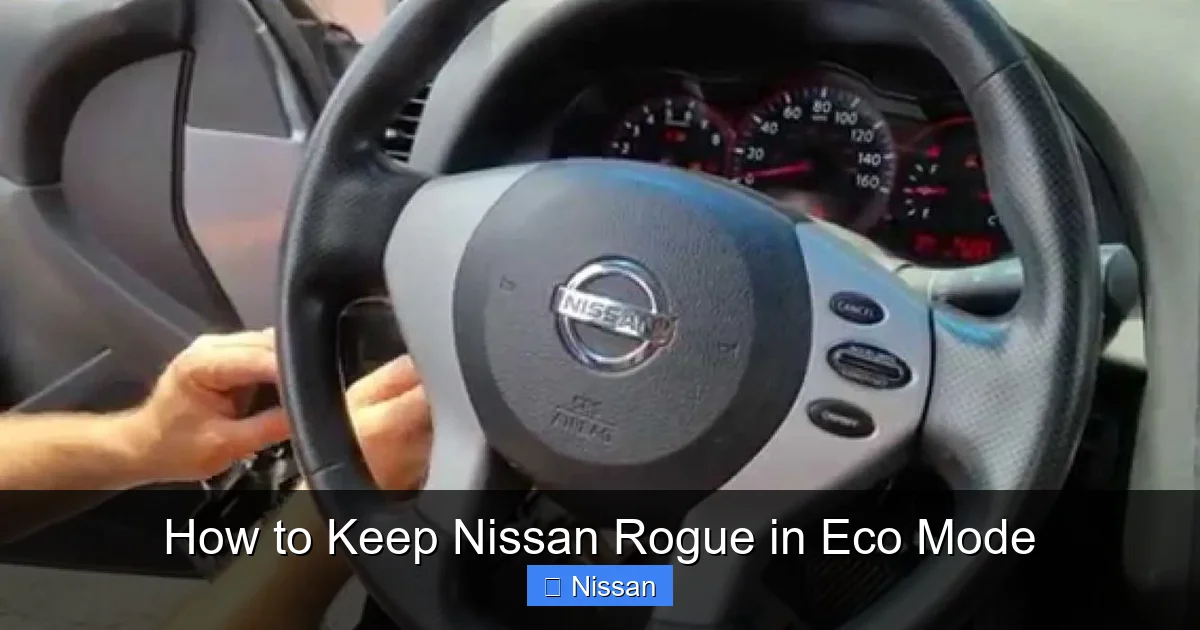
Visual guide about How to Keep Nissan Rogue in Eco Mode
Image source: turbochaos.com
Activating Eco Mode in your Nissan Rogue is simple, but ensuring it stays active and works effectively requires a bit more attention. Let’s break it down step by step.
Step-by-Step Activation
To turn on Eco Mode, locate the Eco button—usually found on the center console near the gear shifter or on the dashboard. It’s often marked with a green leaf icon or the word “Eco.” Simply press the button once, and you’ll see a green “Eco” indicator light up on your instrument cluster. That’s it! Your Rogue is now operating in fuel-saving mode.
Keep in mind that Eco Mode resets every time you turn off the engine. So if you want it active on your next drive, you’ll need to press the button again after starting the car. Some newer Rogue models may offer a “memory” setting or allow you to customize startup preferences through the infotainment system, but this varies by trim and year.
When to Use Eco Mode
Eco Mode is ideal for city driving, stop-and-go traffic, and highway cruising at steady speeds. It’s less effective during aggressive driving, towing, or when you need quick acceleration—like merging onto a busy freeway. In those situations, you might want to switch back to Normal or Sport mode for better responsiveness.
However, for everyday commutes, errands, and long-distance travel, keeping Eco Mode on can make a noticeable difference in your fuel economy. Studies and real-world tests show that consistent use of Eco Mode can improve gas mileage by 5% to 10%, depending on driving conditions and habits.
Tips to Keep Eco Mode Active
Since Eco Mode doesn’t stay on permanently, here are a few tips to help you remember to activate it:
– Make it a habit: Every time you buckle up, press the Eco button before driving.
– Use visual cues: Place a small sticky note on your dashboard as a reminder.
– Pair it with other routines: Activate Eco Mode when you adjust your mirrors or set your GPS.
Over time, turning on Eco Mode will become second nature—just like checking your blind spot or using your turn signal.
Driving Habits That Maximize Eco Mode Efficiency
Visual guide about How to Keep Nissan Rogue in Eco Mode
Image source: turbochaos.com
Even with Eco Mode activated, your driving style plays a huge role in how much fuel you save. The system is designed to assist, not override, your behavior. That means if you drive aggressively, Eco Mode can only do so much.
Smooth Acceleration and Braking
One of the biggest fuel wasters is rapid acceleration. When you slam the gas pedal, the engine burns more fuel to deliver power quickly. Eco Mode helps by softening throttle response, but it can’t stop you from flooring it. Instead, practice gradual acceleration—press the gas gently and allow the vehicle to build speed naturally. This not only saves fuel but also reduces wear on your brakes and transmission.
Similarly, avoid hard braking whenever possible. Anticipate stops ahead of time and ease off the accelerator early. This gives the engine time to slow the car using engine braking, which is more efficient than relying solely on the brake pads. In city driving, this technique can significantly improve your miles per gallon (MPG).
Maintain a Steady Speed
Frequent speed changes—speeding up, then slowing down—waste fuel. Eco Mode works best when you maintain a consistent speed, especially on highways. This is where cruise control becomes your best friend. By setting a steady speed, you allow Eco Mode to optimize gear shifts and throttle input without interference.
For example, if you’re driving 65 mph on the interstate, set cruise control and let the system do the work. Avoid unnecessary lane changes or speeding up to pass slower vehicles unless absolutely necessary. The smoother your driving, the more effective Eco Mode becomes.
Avoid Idling
Idling burns fuel without moving you anywhere. If you’re parked and waiting—say, picking up a friend or letting the car warm up—turn off the engine if you’ll be stopped for more than 30 seconds. Modern Nissan Rogues are designed to handle frequent starts, and restarting uses less fuel than idling for extended periods.
Eco Mode doesn’t prevent idling, so this is one area where your habits matter most. By minimizing idle time, you’ll preserve fuel and reduce emissions, even when the car isn’t in motion.
Vehicle Maintenance for Optimal Eco Mode Performance
Visual guide about How to Keep Nissan Rogue in Eco Mode
Image source: turbochaos.com
Keeping your Nissan Rogue in top shape is essential for Eco Mode to work at its best. A well-maintained vehicle runs more efficiently, and Eco Mode can amplify those gains. Neglecting maintenance, on the other hand, can cancel out the benefits of the system.
Tire Pressure and Alignment
Underinflated tires create more rolling resistance, forcing the engine to work harder. This increases fuel consumption and reduces the effectiveness of Eco Mode. Check your tire pressure at least once a month using a reliable gauge. The recommended PSI for your Rogue is listed on a sticker inside the driver’s door jamb.
Also, ensure your tires are properly aligned. Misaligned wheels cause uneven wear and drag, which can hurt fuel economy. If you notice your Rogue pulling to one side or uneven tire wear, schedule an alignment check.
Air Filter and Engine Oil
A dirty air filter restricts airflow to the engine, reducing efficiency. Replace it every 12,000 to 15,000 miles or as recommended in your owner’s manual. Similarly, using the correct grade of engine oil—preferably synthetic—helps reduce internal friction and improves fuel economy.
Nissan recommends using 0W-20 synthetic oil for most Rogue models. Regular oil changes (every 5,000 to 7,500 miles) keep the engine clean and running smoothly, which supports Eco Mode’s fuel-saving goals.
Battery and Electrical System
Eco Mode relies on the vehicle’s electrical systems to manage throttle and climate control. A weak or aging battery can cause delays in response and reduce overall efficiency. If your Rogue struggles to start or you notice dimming lights, have the battery tested.
Also, avoid using high-drain accessories—like heated seats, rear defrosters, and powerful audio systems—when trying to maximize fuel economy. These draw power from the alternator, which increases engine load.
Additional Tips to Enhance Eco Mode Effectiveness
Beyond driving habits and maintenance, there are several other ways to boost your Nissan Rogue’s fuel efficiency while in Eco Mode.
Reduce Vehicle Weight
Extra weight means more work for the engine. Remove unnecessary items from your trunk or back seat—things like sports equipment, tools, or old luggage. Every 100 pounds of weight can reduce fuel economy by up to 2%.
If you frequently carry heavy loads, consider using a roof rack only when needed. Roof racks increase wind resistance, which lowers MPG, especially at highway speeds.
Use the Right Fuel
Always use the fuel grade recommended by Nissan—typically regular unleaded (87 octane) for most Rogue models. Using premium fuel won’t improve performance or efficiency unless your specific trim requires it. Stick to trusted gas stations to avoid contaminated or low-quality fuel.
Plan Your Routes
Use GPS or navigation apps to avoid traffic jams, construction zones, and hilly terrain when possible. Stop-and-go driving burns more fuel than steady cruising. Planning ahead can save time, reduce stress, and improve your fuel economy.
Limit Air Conditioning Use
While Eco Mode reduces A/C power, it’s still a major fuel consumer. On mild days, roll down the windows instead of using the AC. At higher speeds, however, open windows increase drag, so it’s better to use the climate control at a low setting.
Common Misconceptions About Eco Mode
Despite its popularity, there are several myths about Eco Mode that can lead to confusion or misuse.
Eco Mode Slows Down the Car Too Much
Some drivers worry that Eco Mode makes the Rogue feel sluggish. While throttle response is softened, the vehicle still has plenty of power for normal driving. You won’t notice a significant difference in acceleration unless you’re used to aggressive driving.
Eco Mode Is Only for Hybrid Vehicles
Eco Mode is available on many gasoline-powered vehicles, including the Nissan Rogue. It doesn’t require a hybrid system to function—just smart engineering and software adjustments.
Eco Mode Can’t Be Turned Off
You can disable Eco Mode at any time by pressing the button again. The system is designed to be flexible, so you can switch modes based on your driving needs.
Conclusion
Keeping your Nissan Rogue in Eco Mode is one of the simplest and most effective ways to improve fuel economy, reduce emissions, and extend the life of your vehicle. It starts with pressing that green button, but real savings come from combining the feature with smart driving habits, regular maintenance, and mindful vehicle use.
By accelerating smoothly, maintaining steady speeds, keeping tires properly inflated, and avoiding unnecessary weight, you’ll get the most out of Eco Mode. Remember, it’s not just about the technology—it’s about how you use it.
Whether you’re commuting to work, running errands, or taking a weekend road trip, Eco Mode can help you go farther on every gallon. Make it a part of your daily routine, and you’ll notice the difference in your wallet and your driving experience.
Frequently Asked Questions
Does Eco Mode really save fuel in the Nissan Rogue?
Yes, Eco Mode can improve fuel economy by 5% to 10% when used consistently with efficient driving habits. It optimizes throttle response, transmission shifts, and climate control to reduce fuel consumption.
Can I leave Eco Mode on all the time?
Absolutely. There’s no harm in keeping Eco Mode active during normal driving. Just remember to reactivate it after turning off the engine, as it resets each time.
Does Eco Mode affect performance?
Eco Mode softens throttle response, which may feel slightly less responsive during quick acceleration. However, for everyday driving, the difference is minimal and often unnoticeable.
Is Eco Mode available on all Nissan Rogue models?
Most Nissan Rogue models from 2014 onward include Eco Mode as a standard or available feature. Check your owner’s manual or look for the Eco button on your dashboard to confirm.
Can I use Eco Mode while towing or hauling heavy loads?
It’s not recommended. Eco Mode reduces engine output, which may make towing more difficult. Switch to Normal or Sport mode for better power and control when carrying heavy loads.
Does Eco Mode work in cold weather?
Yes, Eco Mode functions in cold weather, but its effectiveness may be reduced until the engine reaches optimal operating temperature. Allow the engine to warm up briefly before relying on Eco Mode for maximum efficiency.
