How to Jump a Car Battery Without Another Car
Stuck with a dead car battery and no other vehicle in sight? You don’t need another car to get back on the road. With the right tools and know-how, you can jump-start your car using portable jump starters, battery chargers, or even creative alternatives like push-starting (for manual transmissions). This guide walks you through safe, reliable methods to revive your battery solo—no jumper cables or roadside assistance required.
In This Article
- 1 Key Takeaways
- 2 📑 Table of Contents
- 3 Introduction: When Your Car Won’t Start—And No One’s Around
- 4 Why Car Batteries Die (And How to Spot the Signs)
- 5 Method 1: Use a Portable Jump Starter (The Best Option)
- 6 Method 2: Use a Battery Charger (For Home Use)
- 7 Method 3: Push-Start (Manual Transmission Only)
- 8 Alternative Methods (Use with Caution)
- 9 Safety Tips and Best Practices
- 10 Preventing Future Dead Batteries
- 11 Conclusion: You’ve Got This
- 12 Frequently Asked Questions
- 12.1 Can I jump a car battery without another car?
- 12.2 Is a portable jump starter safe to use?
- 12.3 How long does it take to charge a dead battery with a charger?
- 12.4 Can I push-start an automatic car?
- 12.5 What should I do if my car won’t start after a jump?
- 12.6 How often should I replace my car battery?
Key Takeaways
- Use a portable jump starter: Compact, rechargeable devices designed to jump-start your car without another vehicle—ideal for emergencies.
- Charge with a battery charger: Plug into a wall outlet to slowly recharge your dead battery over several hours, perfect for home use.
- Push-start (manual cars only): Roll the car in gear to manually crank the engine—only works with manual transmissions.
- Safety first: Always wear gloves and eye protection, avoid sparks near the battery, and follow manufacturer instructions.
- Check battery health: A jump-start won’t fix a failing battery—test it regularly to avoid repeat issues.
- Prevent future dead batteries: Turn off lights, limit short trips, and consider a battery maintainer for long-term storage.
- Know when to call a pro: If the battery won’t hold a charge or the engine still won’t start, it may be time for a replacement.
📑 Table of Contents
- Introduction: When Your Car Won’t Start—And No One’s Around
- Why Car Batteries Die (And How to Spot the Signs)
- Method 1: Use a Portable Jump Starter (The Best Option)
- Method 2: Use a Battery Charger (For Home Use)
- Method 3: Push-Start (Manual Transmission Only)
- Alternative Methods (Use with Caution)
- Safety Tips and Best Practices
- Preventing Future Dead Batteries
- Conclusion: You’ve Got This
Introduction: When Your Car Won’t Start—And No One’s Around
There’s nothing quite as frustrating as turning the key and hearing that dreaded *click-click-click*—or worse, silence. Your car battery is dead, and you’re stranded. You look around for another vehicle to help with a jump-start, but the parking lot is empty. The highway is quiet. Your phone has just enough battery to call for help… but what if you could solve this yourself?
The good news? You don’t always need another car to get your engine running again. Thanks to modern technology and a few clever techniques, jumping a car battery without another vehicle is not only possible—it’s often safer and more convenient. Whether you’re at home, on a remote road, or in a quiet neighborhood, there are reliable ways to revive your dead battery solo.
In this guide, we’ll walk you through every method you can use to jump-start your car without relying on another driver. From portable jump starters to battery chargers, and even old-school push-starting (if you drive a manual), we’ve got you covered. We’ll also share safety tips, maintenance advice, and how to avoid this problem in the future. So grab your gloves, take a deep breath, and let’s get your car back on the road.
Why Car Batteries Die (And How to Spot the Signs)
Visual guide about How to Jump a Car Battery Without Another Car
Image source: youramazingcar.com
Before we dive into the solutions, it helps to understand why your battery died in the first place. Car batteries don’t last forever—most last between 3 to 5 years, depending on climate, driving habits, and maintenance. But even a healthy battery can drain unexpectedly.
Common Causes of a Dead Battery
One of the most frequent culprits is human error. Leaving your headlights, interior lights, or infotainment system on overnight can drain the battery completely. Even small drains—like a trunk light that won’t turn off or a faulty glove box switch—can add up over time.
Extreme temperatures also play a big role. Cold weather slows down the chemical reactions inside the battery, reducing its ability to deliver power. In fact, many batteries fail during winter months. On the flip side, extreme heat can cause the battery fluid to evaporate, damaging internal components.
Short driving trips are another hidden enemy. Your car’s alternator needs time to recharge the battery after starting. If you only drive for a few minutes at a time—like running errands around town—the battery never gets fully recharged. Over time, this leads to a gradual loss of charge.
Warning Signs Your Battery Is Failing
You don’t have to wait for a complete failure to act. Watch for these early warning signs:
– **Slow engine crank:** The engine turns over more slowly than usual, especially in cold weather.
– **Dim headlights or interior lights:** Lights appear weaker, especially when the engine is off.
– **Electrical issues:** Power windows, radio, or dashboard lights behave erratically.
– **Check engine or battery warning light:** A glowing light on your dashboard could indicate a charging system problem.
– **Swollen battery case:** A bloated or warped battery box often means internal damage from overheating.
If you notice any of these signs, it’s a good idea to test your battery or have it checked at an auto parts store. Many offer free battery testing—no purchase necessary.
Method 1: Use a Portable Jump Starter (The Best Option)
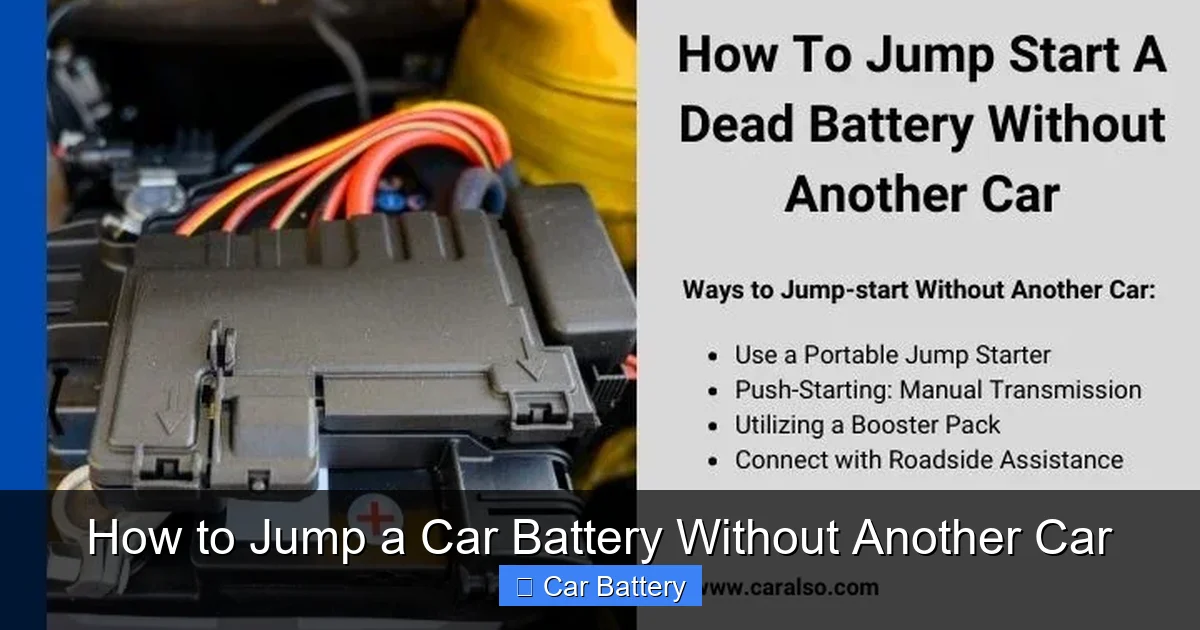
Visual guide about How to Jump a Car Battery Without Another Car
Image source: caralso.com
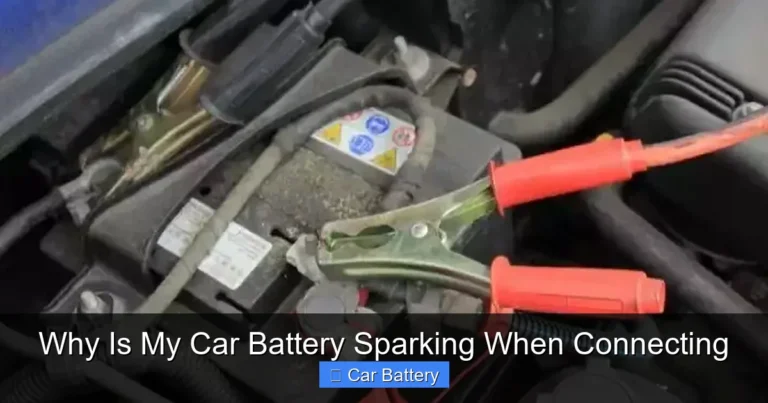
When it comes to jumping a car battery without another car, a portable jump starter is your best friend. These compact, battery-powered devices are designed specifically for this purpose. They’re lightweight, easy to use, and can jump-start most vehicles—even large SUVs and trucks—with ease.
What Is a Portable Jump Starter?
A portable jump starter is a rechargeable power pack with built-in jumper cables. It stores electrical energy and delivers a high burst of power to your car’s battery when needed. Most models also include USB ports for charging phones, LED flashlights, and even air compressors for tires.
Unlike traditional jumper cables, you don’t need another vehicle. Just connect the clamps to your battery, turn on the device, and start your engine. It’s that simple.
How to Use a Portable Jump Starter
Using a portable jump starter is straightforward, but safety is key. Follow these steps:
1. **Turn off the engine and all electronics.** Make sure your car is in park (or neutral for manuals) and the ignition is off.
2. **Locate the battery.** Open the hood and find the battery. Most are under the hood, but some vehicles have them in the trunk or under a seat.
3. **Identify the terminals.** The positive terminal is usually marked with a “+” and has a red cover. The negative terminal is marked with a “–” and is often black.
4. **Connect the clamps.** Attach the red (positive) clamp to the positive terminal. Then attach the black (negative) clamp to the negative terminal. Some models recommend connecting the black clamp to a grounded metal part of the engine block instead of the negative terminal—check your device’s instructions.
5. **Turn on the jump starter.** Press the power button. Most devices have a display that shows battery level and status.
6. **Start the engine.** Turn the key and try to start the car. If it doesn’t start right away, wait 30 seconds and try again.
7. **Disconnect the clamps.** Once the engine is running, remove the black clamp first, then the red. Turn off the jump starter.
8. **Let the engine run.** Keep the car running for at least 15–20 minutes to allow the alternator to recharge the battery.
Tips for Choosing the Right Jump Starter
Not all jump starters are created equal. Here’s what to look for:
– **Peak amps:** Look for at least 400–600 peak amps for compact cars, and 1000+ for larger vehicles.
– **Battery capacity:** Measured in mAh (milliampere-hours). Higher capacity means more jump attempts per charge.
– **Safety features:** Overcharge protection, reverse polarity alerts, and short-circuit prevention are essential.
– **Portability:** Choose a lightweight model with a carrying case if you plan to keep it in your car.
– **Extra features:** USB ports, flashlights, and air compressors add value.
Popular brands include NOCO, Jump-N-Carry, and Tacklife. A good mid-range model costs between $80 and $150 and can last for years with proper care.
Method 2: Use a Battery Charger (For Home Use)
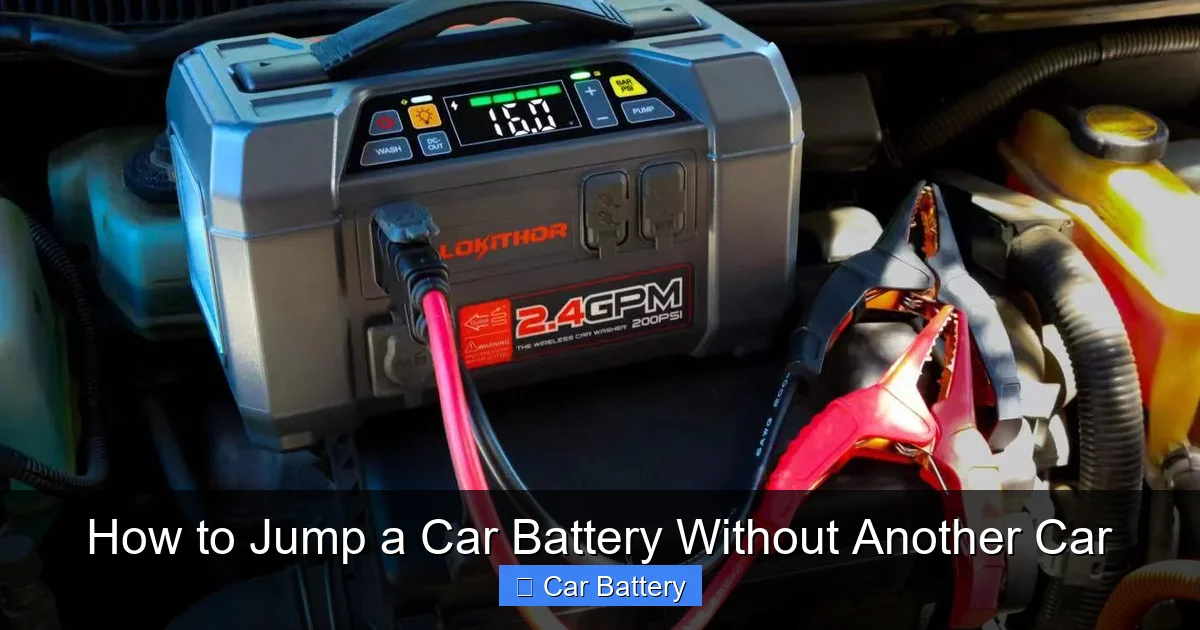
Visual guide about How to Jump a Car Battery Without Another Car
Image source: lokithorshop.com
If you’re at home and have access to an electrical outlet, a battery charger is a reliable way to revive a dead battery. Unlike jump starters, chargers don’t provide an instant burst of power. Instead, they slowly recharge the battery over several hours.
How Battery Chargers Work
A battery charger plugs into a standard wall outlet and connects to your car battery via clamps. It converts AC power from the outlet into DC power that the battery can store. Most modern chargers are “smart,” meaning they automatically adjust the charging rate based on the battery’s condition.
Steps to Charge a Dead Battery
1. **Park the car near an outlet.** Make sure the car is off and the keys are removed.
2. **Open the hood and locate the battery.**
3. **Connect the charger.** Attach the red clamp to the positive terminal and the black clamp to the negative terminal.
4. **Plug in the charger.** Turn it on and select the appropriate charging mode (e.g., 2A for slow charge, 10A for faster charging).
5. **Wait.** Charging can take anywhere from 4 to 12 hours, depending on the battery’s state and the charger’s output.
6. **Disconnect.** Once fully charged, unplug the charger and remove the clamps (black first, then red).
7. **Start the car.** Try turning the key. If it starts, let the engine run for 20–30 minutes to stabilize the charge.
Types of Battery Chargers
– **Trickle chargers:** Deliver a low, steady charge (2–4 amps). Ideal for long-term maintenance and preventing battery drain.
– **Smart chargers:** Automatically detect battery type and condition, adjusting voltage and current accordingly. Safer and more efficient.
– **Fast chargers:** Deliver higher amperage (10+ amps) for quicker charging. Use with caution—overcharging can damage the battery.
For most drivers, a smart charger with 2–10 amp output is the best choice. It’s safe, effective, and can double as a battery maintainer during storage.
Method 3: Push-Start (Manual Transmission Only)
If you drive a manual transmission car and find yourself with a dead battery, you can try push-starting (also called “bump-starting” or “roll-starting”). This method uses the car’s momentum to turn the engine over, bypassing the need for a charged battery.
How Push-Starting Works
When you roll the car in gear, the wheels turn the transmission, which turns the engine. Once the engine reaches a certain speed, you release the clutch, and the engine should fire up—just like turning the key.
Step-by-Step Guide to Push-Starting
1. **Find a safe, flat area.** A slight downhill slope helps, but avoid busy roads.
2. **Turn the ignition to “on.”** This powers the fuel pump and electronics.
3. **Press the clutch fully.** Put the car in second gear (first gear is too jerky).
4. **Have someone push the car.** Or, if you’re alone, roll the car by releasing the parking brake and letting it coast.
5. **Reach 5–10 mph.** Once the car is moving, quickly release the clutch while keeping the accelerator slightly pressed.
6. **Engine should start.** If it does, press the clutch again and shift to neutral to avoid stalling.
7. **Drive or idle.** Let the engine run for at least 15 minutes to recharge the battery.
Important Notes
– **Manual transmission only:** Automatic cars cannot be push-started due to their hydraulic torque converters.
– **Not for fuel-injected engines with electronic ignition:** Some modern manual cars have systems that prevent push-starting. Check your owner’s manual.
– **Safety first:** Only attempt this on private property or quiet roads. Wear reflective clothing if it’s dark.
While push-starting is a useful skill, it’s not always reliable. A portable jump starter is a more consistent solution.
Alternative Methods (Use with Caution)
If you don’t have a jump starter or charger, and push-starting isn’t an option, there are a few other tricks—but they come with risks.
Using a 12V Power Source (Like a Laptop Battery)
Some tech-savvy drivers have tried using high-capacity 12V power sources, such as laptop batteries or power tool batteries, to jump-start a car. While theoretically possible, this is **not recommended**. These batteries aren’t designed for the high current draw of a car starter and can overheat, leak, or even explode.
Jump-Starting with a Motorcycle or Small Engine
In rare cases, people have used a motorcycle or lawnmower battery to jump a car. This is risky because smaller batteries may not have enough power, and connecting them incorrectly can damage both vehicles. If you must try, use heavy-duty cables and follow the same connection steps as with a car-to-car jump.
Using a Solar Battery Charger
Solar chargers can slowly recharge a dead battery using sunlight. They’re great for maintaining a battery over time but aren’t powerful enough for a quick jump-start. If you’re stranded in the sun, a solar charger might help—but don’t expect instant results.
Safety Tips and Best Practices
No matter which method you use, safety should always come first. Car batteries contain sulfuric acid and produce flammable hydrogen gas. A single spark can cause an explosion.
Essential Safety Rules
– **Wear protective gear:** Gloves and safety glasses are a must.
– **Avoid sparks:** Don’t smoke, use lighters, or create sparks near the battery.
– **Check for damage:** If the battery is cracked, leaking, or swollen, do not attempt to jump it. Replace it instead.
– **Follow the order:** Always connect positive first, then negative. Disconnect in reverse.
– **Don’t touch clamps together:** This can cause a short circuit and damage the equipment.
– **Keep children and pets away:** The process involves high voltage and moving parts.
What to Do After a Jump-Start
Once your car is running, don’t shut it off immediately. Let it idle for 15–20 minutes to allow the alternator to recharge the battery. If the battery dies again shortly after, it may be failing and need replacement.
Also, consider getting your charging system checked. A faulty alternator or voltage regulator can prevent the battery from recharging, leading to repeated dead batteries.
Preventing Future Dead Batteries
The best way to deal with a dead battery is to avoid it altogether. Here are some proactive steps:
– **Turn off all lights and electronics** when the engine is off.
– **Limit short trips.** Combine errands to give the alternator time to recharge.
– **Use a battery maintainer** if the car sits for long periods (e.g., classic cars or seasonal vehicles).
– **Test your battery annually.** Most auto parts stores offer free testing.
– **Clean battery terminals.** Corrosion can interfere with charging. Use a wire brush and baking soda solution to clean them.
– **Replace old batteries.** If your battery is over 4 years old, consider replacing it before it fails.
Conclusion: You’ve Got This
A dead car battery doesn’t have to mean a long wait for roadside assistance or an expensive tow. With the right tools and knowledge, you can jump-start your car safely and confidently—even when you’re completely alone. Whether you use a portable jump starter, a battery charger, or (if you’re driving a manual) push-starting, there’s a solution that fits your situation.
Investing in a quality portable jump starter is one of the smartest things you can do for your car. It’s compact, reliable, and can save you time, money, and stress. Pair that with regular battery maintenance, and you’ll rarely find yourself stuck with a dead battery again.
So the next time you hear that weak *click* when turning the key, don’t panic. You’ve got the power to fix it—no other car required.
Frequently Asked Questions
Can I jump a car battery without another car?
Yes, you can jump a car battery without another vehicle using a portable jump starter, battery charger, or (for manual transmissions) push-starting. These methods allow you to restart your car safely and independently.
Is a portable jump starter safe to use?
Yes, when used correctly. Most modern jump starters have built-in safety features like reverse polarity protection and short-circuit prevention. Always follow the manufacturer’s instructions and wear protective gear.
How long does it take to charge a dead battery with a charger?
It depends on the charger’s output and the battery’s condition. A 2-amp charger may take 12–24 hours, while a 10-amp smart charger can recharge a battery in 4–6 hours.
Can I push-start an automatic car?
No, push-starting only works with manual transmission vehicles. Automatic cars use a torque converter that doesn’t allow the engine to be turned over by wheel movement.
What should I do if my car won’t start after a jump?
If the engine still won’t start, the battery may be beyond repair, or there could be an issue with the alternator, starter, or fuel system. Have a professional diagnose the problem.
How often should I replace my car battery?
Most car batteries last 3 to 5 years. Test your battery annually after it reaches 3 years of age, and replace it if it shows signs of weakness or failure.