
How to Get Rid of Condensation Inside a Car Windshield

Condensation inside a car windshield is more than just annoying—it can reduce visibility and signal moisture problems. This guide shows you how to get rid of condensation inside a car windshield using easy, effective methods and long-term prevention strategies.
Key Takeaways
- Understand the cause: Condensation forms when warm, moist air meets a cold windshield, especially in cold or humid weather.
- Use your car’s defroster properly: Turn on the heater and A/C together to dry the air and clear the glass faster.
- Keep the interior dry: Remove wet items like umbrellas, clothes, or floor mats to reduce moisture buildup.
- Improve ventilation: Crack a window slightly or use the fresh air setting to allow airflow and reduce humidity.
- Use moisture absorbers: Place silica gel packs or DIY desiccants under seats to soak up excess moisture.
- Check for leaks: Inspect door seals, sunroofs, and windows for gaps that let water in and trap humidity.
- Prevent mold and odors: Clean spills quickly and use odor absorbers to keep your car smelling fresh.
📑 Table of Contents
Why Condensation Forms Inside Your Car Windshield
Have you ever hopped into your car on a chilly morning, only to find the inside of your windshield fogged up like a bathroom mirror after a hot shower? You’re not alone. Condensation inside a car windshield is one of the most common—and frustrating—issues drivers face, especially during fall and winter. But it’s not just a winter problem. High humidity, rainy days, and even your own breath can contribute to this pesky moisture buildup.
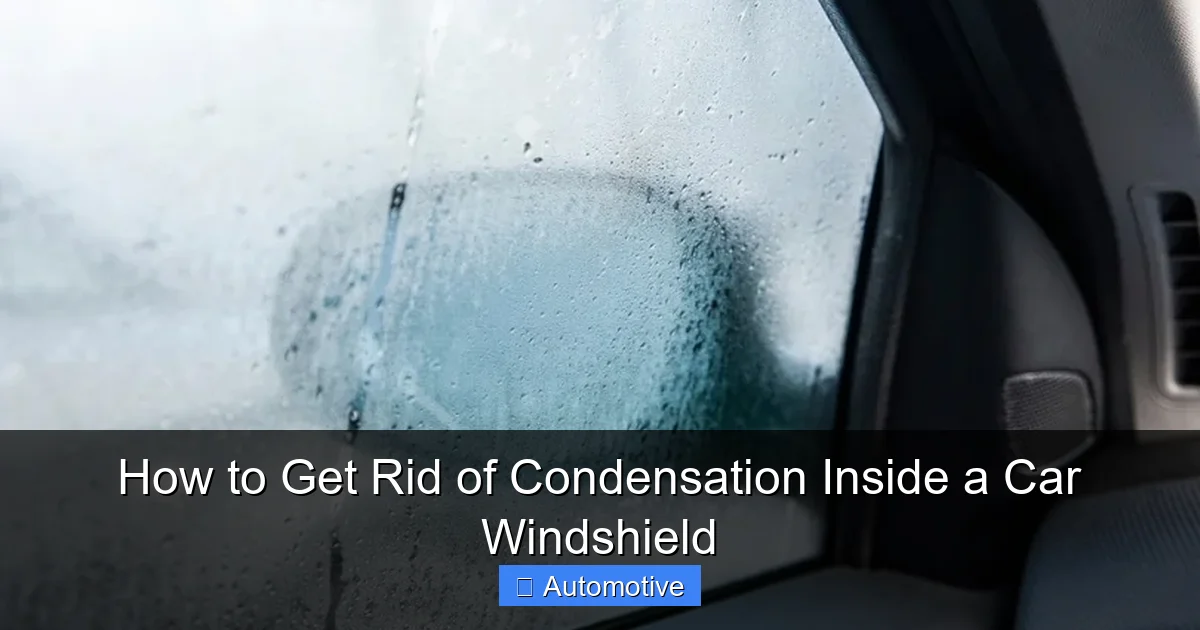
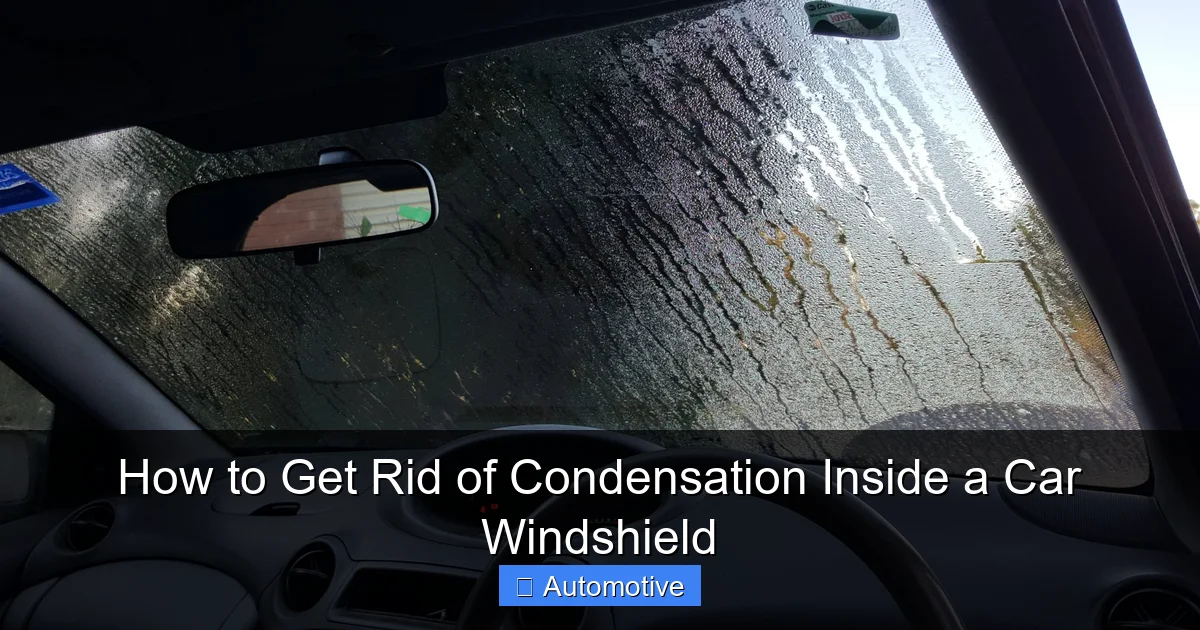
So, what’s really happening? Condensation occurs when warm, moist air comes into contact with a cold surface—in this case, your windshield. Your car’s interior naturally holds moisture from things like wet shoes, damp clothes, spilled drinks, and even the air you breathe. When the temperature drops overnight or during cold weather, the glass cools down. If the air inside the car is warm and humid, the moisture in that air condenses on the cold glass, forming those annoying water droplets.
Think of it like breathing onto a cold window. The same principle applies in your car. The bigger the temperature difference between the inside and outside of your vehicle, the more likely condensation will form. And if your car has been sitting in a garage or shaded area, the windshield may stay colder longer, making the problem worse.
But here’s the kicker: condensation isn’t just about visibility. Over time, trapped moisture can lead to bigger issues like mold growth, musty odors, and even damage to your car’s interior components. That’s why knowing how to get rid of condensation inside a car windshield isn’t just a convenience—it’s a necessity for maintaining a healthy, safe driving environment.
Immediate Fixes to Clear Windshield Condensation
Visual guide about How to Get Rid of Condensation Inside a Car Windshield
Image source: bryansgarage.com
When you’re running late and your windshield is fogged up, you need a quick solution. The good news? You probably already have everything you need right in your car. Here are the fastest and most effective ways to clear condensation fast.
Use the Defroster with Heat and A/C
Your car’s defroster is your first line of defense. But here’s a common mistake: many people turn on the heater but forget to activate the air conditioning. That’s a missed opportunity. The A/C doesn’t just cool the air—it also removes moisture. When you combine heat with A/C, you’re warming the windshield while drying the air at the same time. This dual action speeds up evaporation and clears the glass much faster.
Turn on the defroster, set the temperature to hot, and make sure the A/C is on. Direct the airflow toward the windshield. If your car has a “recirculate” button, turn it off so you’re pulling in drier outside air instead of recycling humid interior air. Within a few minutes, you should see the fog start to disappear.
Crack a Window for Better Airflow
Even with the defroster running, stale, moist air can linger inside the cabin. Cracking one or two windows—especially on opposite sides—creates cross-ventilation. This allows humid air to escape and drier outside air to flow in. It’s a simple trick, but it works wonders, especially on humid days or after rain.
If it’s cold outside, you don’t need to open the windows wide. Just a half-inch gap is enough to improve airflow without making you shiver. This method is especially helpful if you’ve just gotten in the car after it’s been sitting in a damp garage or overnight in the rain.
Wipe the Windshield with a Microfiber Cloth
Sometimes, you just need to physically remove the moisture. Grab a clean, dry microfiber cloth—these are great because they absorb water without leaving streaks or lint. Gently wipe the inside of the windshield in horizontal or vertical strokes. Avoid using paper towels or old rags, as they can leave behind residue or scratch the glass.
For best results, do this before turning on the defroster. Removing the bulk of the moisture first helps the heater and A/C work more efficiently. Keep a dedicated microfiber cloth in your glove compartment so it’s always within reach.
Use a Portable Dehumidifier or Moisture Absorber
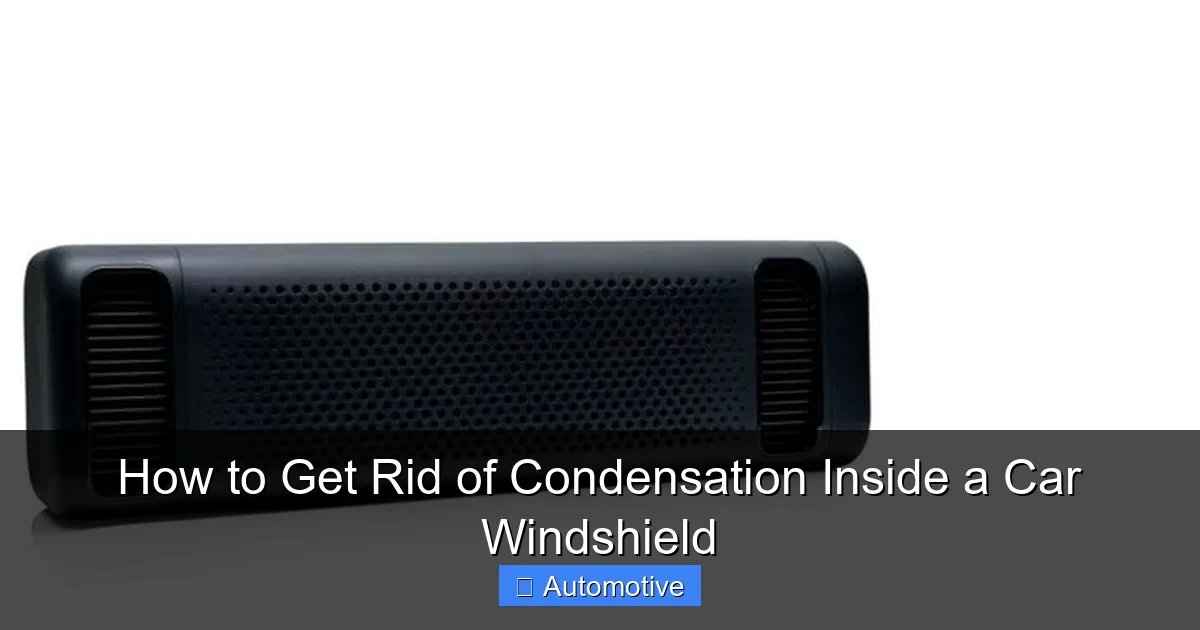
If you live in a humid climate or frequently deal with condensation, consider investing in a small car dehumidifier. These devices plug into your cigarette lighter or USB port and use desiccants or Peltier technology to pull moisture from the air. Some even have built-in fans to circulate dry air.
Alternatively, you can use moisture-absorbing products like DampRid or silica gel packs. Place them under the seats or in the footwells. These work passively, soaking up excess humidity over time. Just remember to replace or recharge them as needed.
Long-Term Prevention Strategies
Visual guide about How to Get Rid of Condensation Inside a Car Windshield
Image source: housegrail.com
While quick fixes help in the moment, preventing condensation from forming in the first place is the real goal. A few simple habits and maintenance steps can make a big difference in keeping your windshield clear and your car interior dry.
Keep the Interior Dry
Moisture inside your car is the root cause of condensation. The more water vapor in the air, the more likely it is to condense on cold surfaces. So, start by minimizing sources of moisture.
After rainy days, remove wet floor mats, umbrellas, or damp clothing. Hang wet items outside the car to dry, or use a towel to soak up excess water. If you’ve been caught in the rain, consider using a portable car vacuum with a wet/dry function to clean up puddles quickly.
Also, avoid leaving drinks or open containers in the car. Spills not only create sticky messes but also add humidity as they evaporate. If you do spill something, clean it up immediately with a cloth and, if needed, a mild cleaner.
Use Moisture Absorbers Regularly
Even with good habits, some moisture will always be present. That’s where moisture absorbers come in. Products like DampRid, Eva-Dry, or even DIY solutions can help keep humidity levels in check.
Silica gel packs are inexpensive and effective. You can buy them in bulk online or save the ones that come in packaging (like shoes or electronics). Place several packs under the seats, in the trunk, or in the glove box. Replace them every few weeks or when they feel heavy with moisture.
For a DIY option, try making your own desiccant using uncooked rice or cat litter in a breathable fabric bag. While not as effective as commercial products, they can help in a pinch.
Improve Air Circulation
Stagnant air holds moisture. Keeping air moving helps prevent condensation by reducing humidity buildup. Whenever possible, drive with the windows slightly open or use the fresh air setting on your climate control instead of recirculating indoor air.
If your car has a cabin air filter, make sure it’s clean. A clogged filter can restrict airflow and reduce the efficiency of your HVAC system. Most manufacturers recommend replacing it every 12,000 to 15,000 miles, but check your owner’s manual for specifics.
Park Smart
Where and how you park can influence condensation levels. Whenever possible, park in a garage or under cover. This protects your car from rain and keeps the interior warmer, reducing the temperature difference that causes condensation.
If you don’t have a garage, try to park in a sunny spot. Sunlight naturally warms the car and helps evaporate moisture. On clear nights, parking under the stars can also help—radiative cooling is less intense than in shaded or enclosed areas.
Avoid parking near bodies of water, dense vegetation, or in low-lying areas where cold, damp air collects. These locations increase humidity and make condensation more likely.
Checking for Hidden Moisture Sources
Visual guide about How to Get Rid of Condensation Inside a Car Windshield
Image source: autovaluable.com
Sometimes, condensation persists even after you’ve tried all the usual fixes. That’s a sign there might be a hidden source of moisture inside your car. Ignoring these issues can lead to mold, rust, and unpleasant odors.
Inspect Door and Window Seals
Worn or damaged weather stripping around doors and windows can let water seep in. Over time, this moisture gets trapped inside, increasing humidity. Check the rubber seals for cracks, tears, or gaps. If you notice any damage, replace the seals or use a silicone-based sealant to patch small leaks.
Pay special attention to the windshield itself. If water is getting in around the edges, it could indicate a faulty seal or a crack in the glass. Have a professional inspect it to prevent further damage.
Check the Sunroof and Drain Tubes
If your car has a sunroof, it’s a common entry point for water. Sunroof drain tubes can become clogged with leaves, dirt, or debris, causing water to back up and leak into the cabin. This hidden moisture can raise humidity levels and lead to condensation.
To check, open the sunroof and look for the drain holes in the corners. Pour a small amount of water into each hole—if it doesn’t drain quickly, the tubes may be blocked. Use compressed air or a flexible wire to clear them.
Look for Leaks in the Trunk or Floor
Water can also enter through the trunk or floor pans, especially after heavy rain or car washes. Lift the floor mats and inspect the carpet for dampness or mold. If the carpet feels wet or smells musty, there’s likely a leak.
Common leak points include the trunk seal, rear window gasket, or body seams. Use a flashlight to check for signs of water intrusion. If you find a leak, seal it with automotive-grade silicone or take your car to a professional.
Examine the HVAC System
Your car’s heating and cooling system can also trap moisture. The evaporator core, located behind the dashboard, cools the air and removes humidity. But if it’s dirty or clogged, water can accumulate and drip into the cabin.
If you notice a sweet smell or puddles under the dashboard, the evaporator drain may be blocked. This requires professional cleaning to prevent mold growth and maintain proper airflow.
Dealing with Mold and Odors
Persistent condensation can lead to mold and mildew, which not only smell bad but can also affect your health. If you notice a musty odor or see black spots on the upholstery or windows, it’s time to take action.
Clean Affected Areas Thoroughly
Start by vacuuming the carpets, seats, and floor mats to remove loose mold spores. Use a vacuum with a HEPA filter to trap fine particles.
For visible mold, mix a solution of one part white vinegar to one part water. Spray it on the affected area and let it sit for 10–15 minutes. Vinegar is a natural antifungal and antibacterial agent. Wipe clean with a damp cloth, then dry thoroughly.
Avoid using bleach unless absolutely necessary, as it can damage fabrics and release harmful fumes. For stubborn mold, consider using a commercial mold remover designed for automotive use.
Use Odor Absorbers
Even after cleaning, odors can linger. Place odor absorbers like activated charcoal bags or baking soda in the car. These naturally absorb smells without masking them with fragrances.
For a quick fix, leave an open box of baking soda on the dashboard overnight. It will soak up moisture and odors. Replace it every few weeks.
Prevent Future Growth
The key to preventing mold is controlling moisture. Keep the interior dry, use moisture absorbers, and ensure proper ventilation. If condensation is a recurring issue, consider using a dehumidifier or having your car inspected for leaks.
Regular cleaning also helps. Vacuum and wipe down surfaces weekly to remove dust and spores before they can grow.
When to Seek Professional Help
Most condensation issues can be resolved with DIY methods. But if the problem persists despite your best efforts, it’s time to consult a professional.
Persistent Fogging or Leaks
If your windshield fogs up even when the weather is dry, or if you find water inside the car after rain, there may be a structural issue. A mechanic or auto glass specialist can inspect seals, drains, and the HVAC system for hidden problems.
Electrical or HVAC Problems
If your defroster isn’t working properly—or if the A/C isn’t cooling or dehumidifying the air—there could be an issue with the compressor, refrigerant levels, or electrical components. These require professional diagnosis and repair.
Mold or Health Concerns
If you or your passengers experience respiratory issues, headaches, or allergic reactions while driving, mold or poor air quality may be to blame. A professional can test the air and clean the HVAC system thoroughly.
Don’t ignore these signs. Addressing the root cause early can save you money and protect your health.
Conclusion
Condensation inside a car windshield is a common but manageable problem. By understanding why it happens and taking proactive steps, you can keep your view clear and your car interior healthy. From using the defroster correctly to preventing moisture buildup and checking for leaks, the solutions are simple and effective.
Remember, the goal isn’t just to clear the fog—it’s to create a dry, comfortable environment that prevents condensation from returning. With a few smart habits and regular maintenance, you can say goodbye to foggy windshields for good.
So the next time you hop in your car and see that familiar mist, don’t panic. You’ve got the tools and knowledge to handle it. Stay dry, stay safe, and enjoy the drive.
Frequently Asked Questions
Why does my car windshield fog up on the inside?
Condensation forms when warm, moist air inside the car meets the cold surface of the windshield. This happens most often in cold or humid weather, especially when the car has been sitting overnight.
Can I use the heater alone to clear condensation?
Using only the heater can help, but it’s less effective. For faster results, combine heat with the A/C, which removes moisture from the air and speeds up evaporation.
How often should I replace moisture absorbers?
Commercial moisture absorbers like DampRid should be replaced every 4–6 weeks, or when they feel heavy with water. Silica gel packs can be recharged by drying them in the oven.
Is it safe to drive with a fogged-up windshield?
No. Reduced visibility increases the risk of accidents. Always clear the windshield completely before driving, using the defroster, wipers, or a cloth.
Can condensation cause mold in my car?
Yes. Trapped moisture creates a breeding ground for mold and mildew, especially in carpets, upholstery, and under dashboards. Regular cleaning and moisture control can prevent this.
Should I leave my windows open when parked?
Cracking a window slightly can help reduce humidity, but avoid leaving windows wide open, especially in bad weather or unsafe areas. Use moisture absorbers instead for long-term parking.