How to Get a New Key for a Car
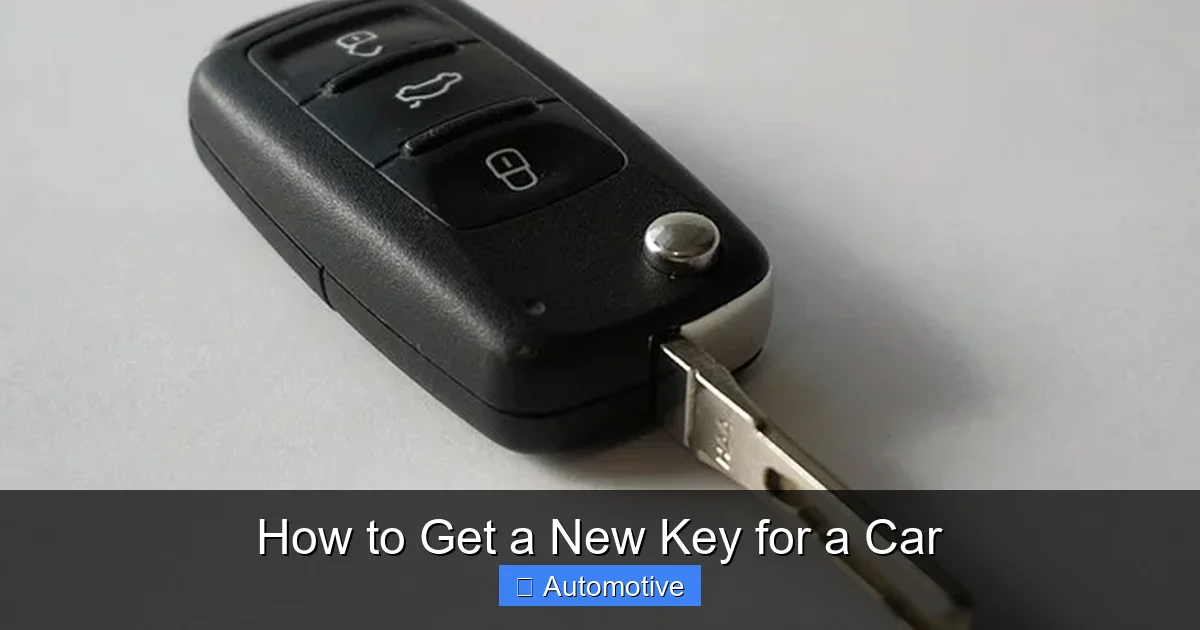
Getting a new key for a car doesn’t have to be stressful or expensive. Whether you’ve lost your keys, they’re damaged, or you just need a spare, there are reliable options available. From dealerships to locksmiths and DIY programming, this guide covers everything you need to know.
Losing your car key can feel like a major setback—especially when you’re rushing to work, picking up the kids, or heading out on a road trip. One moment you’re reaching into your pocket, and the next, panic sets in: “Where are my keys?” Whether you’ve misplaced them, they’ve been stolen, or they’ve simply worn out over time, the good news is that getting a new key for a car is more accessible than ever. With a variety of options ranging from dealerships to mobile locksmiths and even DIY solutions, you don’t have to be stranded for long.
But before you start calling every service in the phone book, it’s important to understand that not all car keys are created equal. Gone are the days when a simple metal key could be copied at the local hardware store. Today’s vehicles often use advanced technology like transponder chips, remote entry fobs, and even keyless ignition systems. This means the process of getting a replacement isn’t just about cutting a new key—it’s also about programming it to work with your car’s security system. The good news? Whether you drive a 1995 sedan or a 2024 SUV, there’s a solution that fits your needs and budget.
In this guide, we’ll walk you through every step of the process, from identifying your key type to choosing the best replacement method. We’ll also share practical tips to help you avoid common pitfalls, save money, and get back on the road safely and quickly. So take a deep breath—this isn’t as complicated as it seems. With the right information, getting a new key for your car can be a smooth and stress-free experience.
In This Article
- 1 Key Takeaways
- 2 📑 Table of Contents
- 3 Understanding Your Car Key Type
- 4 Option 1: Getting a New Key from the Dealership
- 5 Option 2: Hiring a Certified Automotive Locksmith
- 6 Option 3: DIY Key Replacement and Programming
- 7 Preventing Future Key Issues
- 8 Final Thoughts: Getting Back on the Road
- 9 Frequently Asked Questions
Key Takeaways
- Know your car’s key type: Traditional metal keys, transponder keys, remote fobs, and smart keys each require different replacement methods.
- Contact your dealership: They can provide OEM keys with proper programming, but it’s often the most expensive route.
- Use a certified automotive locksmith: A professional locksmith can cut and program keys on-site, often at a lower cost than dealerships.
- Check your insurance and roadside assistance: Some policies cover key replacement or offer lockout services that include key duplication.
- Keep a spare key in a safe place: Prevent future lockouts by storing a duplicate key with a trusted person or in a secure lockbox.
- Understand programming requirements: Modern keys often need electronic programming to sync with your car’s immobilizer system.
- Act quickly: The sooner you replace a lost or stolen key, the safer your vehicle and personal belongings will be.
📑 Table of Contents
Understanding Your Car Key Type
Before you can get a new key for your car, you need to know what kind of key you currently have. Car keys have evolved significantly over the past few decades, and each type requires a different approach for duplication or replacement. Let’s break down the most common types so you can identify yours and understand what you’re working with.
Traditional Metal Keys
These are the simplest and oldest type of car keys—plain metal blades with cut ridges that fit into the ignition and door locks. If your car was made before the mid-1990s, there’s a good chance it uses a traditional metal key. These keys don’t have electronic components, so duplicating them is straightforward. You can usually get a copy made at a hardware store, big-box retailer, or locksmith for just a few dollars.
However, even if your car uses a traditional key, it’s worth checking whether it has a hidden transponder chip. Some older models started incorporating basic security chips in the 1990s, so don’t assume your key is completely non-electronic just because it looks simple.
Transponder Keys
Introduced in the mid-1990s to reduce car theft, transponder keys contain a small electronic chip embedded in the plastic head of the key. When you insert the key into the ignition, the car’s immobilizer system sends a radio signal to the chip. If the chip responds with the correct code, the engine will start. If not, the car won’t turn over—even if the key physically fits.
This added layer of security means you can’t just cut a new transponder key and expect it to work. The new key must be programmed to match your vehicle’s immobilizer system. This usually requires specialized equipment and knowledge, which is why dealerships and professional locksmiths are typically involved in the process.
Remote Key Fobs
Remote key fobs, also known as keyless entry remotes, allow you to lock, unlock, and sometimes even start your car from a distance. These devices combine a traditional key (or a blade that can be pulled out) with a remote control. The fob communicates with your car via radio frequency, enabling features like trunk release, panic alarms, and remote start.
Replacing a remote fob involves two parts: cutting the physical key (if applicable) and programming the remote functions. Some fobs can be programmed at home using a sequence of button presses, while others require professional tools. It’s also common for the battery to die, which can mimic a broken fob—so always check the battery first before assuming you need a full replacement.
Smart Keys (Keyless Entry and Push-Button Start)
Smart keys represent the latest evolution in automotive security and convenience. These key fobs don’t need to be inserted into the ignition at all. Instead, as long as the fob is inside the vehicle (usually in your pocket or purse), you can press a button to start the engine. They also allow you to lock and unlock the doors simply by touching a sensor on the door handle.
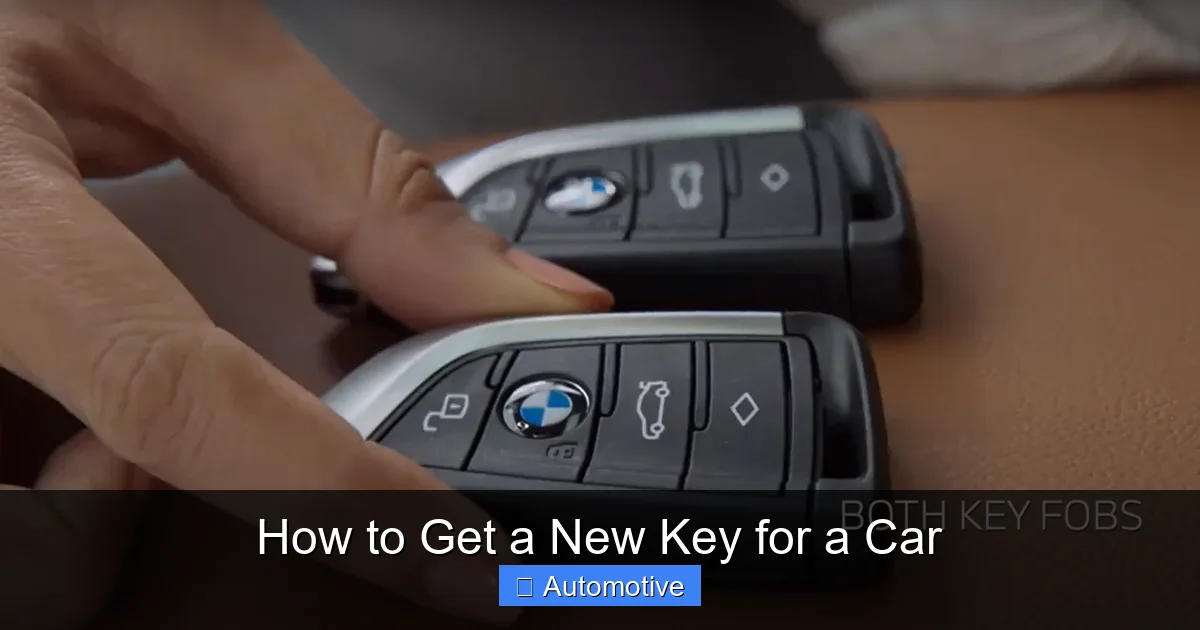
Smart keys use advanced encryption and rolling codes to prevent hacking and theft. Replacing one is typically the most complex and expensive option, as it requires not only cutting a new key blade (if present) but also programming the fob to communicate securely with your car’s computer system. This almost always requires dealership-level equipment or a highly skilled automotive locksmith.
How to Identify Your Key Type
If you’re unsure what kind of key you have, here are a few quick ways to tell:
– Look at the key: Does it have a plastic head with buttons? That’s likely a remote fob or smart key.
– Check for a chip: Hold the key up to a light. If you see a small black dot or rectangle inside the plastic, it’s probably a transponder.
– Test the ignition: If your car won’t start even with the correct key inserted, it might be a transponder issue.
– Consult your owner’s manual: It will often specify the type of key and security system your vehicle uses.
Knowing your key type is the first step toward getting a replacement quickly and avoiding unnecessary costs. Once you’ve identified it, you can move on to choosing the best method for getting a new key.
Option 1: Getting a New Key from the Dealership
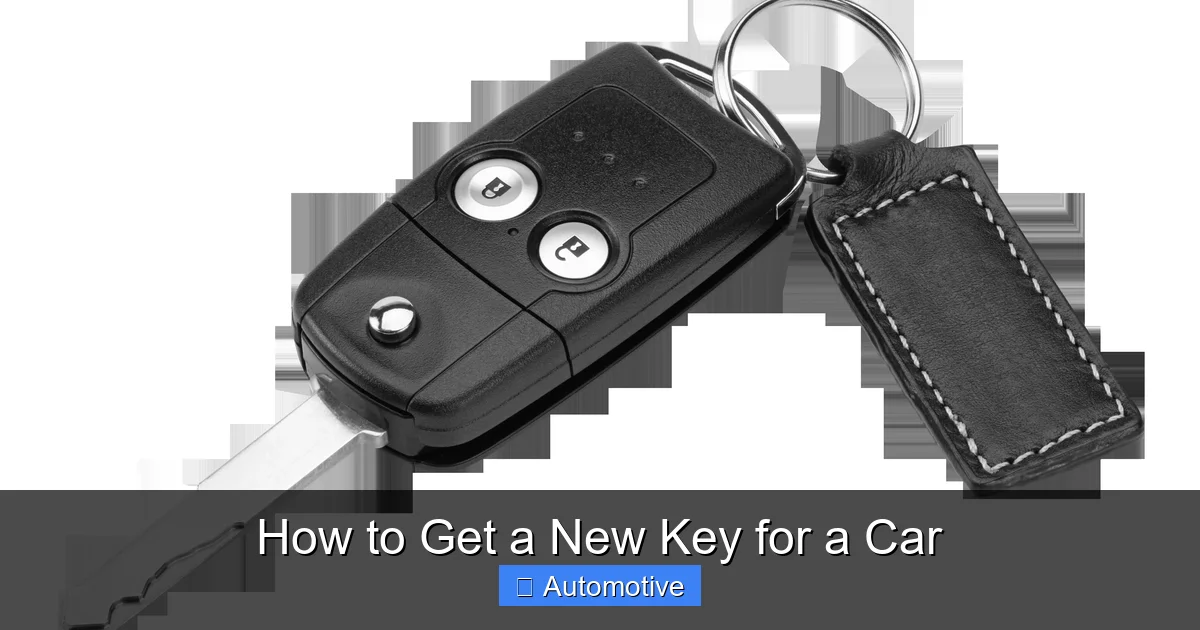
Visual guide about How to Get a New Key for a Car
Image source: purepng.com
When most people think about replacing a car key, the first place that comes to mind is the dealership. And for good reason—dealerships have access to original equipment manufacturer (OEM) parts and the latest programming tools. But while this option is reliable, it’s not always the fastest or most affordable. Let’s explore what to expect when going the dealership route.
Pros of Using a Dealership
One of the biggest advantages of getting a new key from your car’s dealership is authenticity. OEM keys are made specifically for your make, model, and year, ensuring a perfect fit and full compatibility with your vehicle’s systems. They also come with proper programming out of the box, so you don’t have to worry about syncing issues.
Dealerships also have access to your vehicle’s VIN (Vehicle Identification Number), which allows them to verify ownership and pull up your key’s original specifications. This is especially helpful if you’ve lost all your keys and don’t have a spare to reference.
Another benefit is peace of mind. Dealership technicians are factory-trained and familiar with your car’s security systems. If something goes wrong during programming, they can troubleshoot it on the spot.
Cons of Using a Dealership
The main downside? Cost. Dealerships are typically the most expensive option for key replacement. A single transponder key or smart fob can cost anywhere from $150 to $500 or more, depending on the vehicle. Add in programming fees, labor, and potential towing charges if you’re locked out, and the bill can add up quickly.
Another issue is convenience. You’ll likely need to schedule an appointment, which could take days or even weeks. And if you’re locked out of your car, you may need to have it towed to the dealership—adding another expense and delay.
What to Bring to the Dealership
If you decide to go this route, make sure you’re prepared. You’ll need:
– A valid government-issued photo ID (driver’s license, passport, etc.)
– Proof of vehicle ownership (registration, title, or insurance documents)
– Your Vehicle Identification Number (VIN), usually found on the driver’s side dashboard or door jamb
– Any existing keys (if available), as they may help with programming
Without these, the dealership may refuse service for security reasons.
Real-World Example: Replacing a Honda Smart Key
Let’s say you drive a 2020 Honda Accord and lost your smart key. You visit your local Honda dealership with your ID, registration, and VIN. The technician verifies your identity, pulls up your key data, and orders a new OEM fob. After a few days, the key arrives, and you return for programming. The total cost? Around $350, including parts and labor. It’s reliable, but not cheap.
When to Choose the Dealership
The dealership is your best bet if:
– You’ve lost all your keys and have no spare
– Your car uses a complex smart key system
– You want OEM quality and don’t mind the higher cost
– You’re near the end of your lease or planning to sell the car soon
In short, if you prioritize reliability over cost and convenience, the dealership is a solid choice.
Option 2: Hiring a Certified Automotive Locksmith
Visual guide about How to Get a New Key for a Car
Image source: cartriple.com
If the dealership sounds too expensive or time-consuming, a certified automotive locksmith might be the perfect alternative. These professionals specialize in car keys and locks, and many offer mobile services that come directly to your location—whether you’re at home, work, or stranded on the side of the road.
Why Choose a Locksmith?
Automotive locksmiths are trained to handle a wide range of key types, from traditional metal keys to advanced smart fobs. They use specialized tools to cut keys accurately and program them to work with your vehicle’s immobilizer system. And because they’re not tied to a specific brand, they often charge significantly less than dealerships.
Many locksmiths also offer 24/7 emergency services, which is a lifesaver if you’re locked out late at night or in a remote area. Some can even create a new key from scratch using your VIN, even if you don’t have any existing keys.
How to Find a Reputable Locksmith
Not all locksmiths are created equal. To avoid scams or low-quality work, look for:
– Certification from organizations like the Associated Locksmiths of America (ALOA)
– Positive reviews on Google, Yelp, or the Better Business Bureau
– Clear pricing estimates before work begins
– A physical business address and professional website
Avoid locksmiths who quote unusually low prices over the phone or refuse to provide a written estimate. These are common red flags for bait-and-switch tactics.
What to Expect During the Service
When you call a mobile locksmith, they’ll typically ask for your location, vehicle make and model, and key type. Once they arrive, they’ll verify your identity and ownership (usually with ID and registration), then begin the process.
For a transponder key, they’ll cut the blade and program the chip using a handheld device. For a smart key, they may need to connect to your car’s OBD-II port to sync the fob. The entire process usually takes 30 to 60 minutes.
Real-World Example: Locksmith Saves the Day
Imagine you’re at the grocery store and realize your key fob is missing. You call a local locksmith who arrives in 20 minutes. After verifying your ID and registration, they cut and program a new transponder key for your 2018 Toyota Camry. Total cost: $120—less than half what the dealership would charge. You’re back on the road in under an hour.
When to Choose a Locksmith
A locksmith is ideal if:
– You need a quick, affordable solution
– You’re locked out and need immediate help
– You have at least one working key to reference
– You drive a common vehicle make and model
Just remember: for high-security smart keys on luxury vehicles, a locksmith may not have the right tools. In those cases, the dealership might still be necessary.
Option 3: DIY Key Replacement and Programming
Visual guide about How to Get a New Key for a Car
Image source: i.ytimg.com
For the tech-savvy or budget-conscious driver, DIY key replacement can be a viable option—especially if you already have a working key and just need a spare. While it won’t work for every situation, many modern cars allow you to program a new key yourself using a simple sequence of steps.
When DIY Is Possible
DIY programming typically works for:
– Transponder keys on older or mid-range vehicles (2000s to early 2010s)
– Remote fobs that support self-programming
– Cars that allow “on-board programming” without special tools
However, it’s not recommended if:
– You’ve lost all your keys
– Your car uses a smart key or advanced encryption
– The vehicle requires dealership-level diagnostic tools
Always check your owner’s manual or search online for your specific make and model to see if DIY programming is supported.
Steps for DIY Transponder Key Programming
Here’s a general process for programming a new transponder key (always verify with your vehicle’s instructions):
1. Insert your existing working key into the ignition and turn it to the “On” position (but don’t start the engine). Wait 5–10 seconds, then turn it back to “Off.” Remove the key.
2. Within 10 seconds, insert the new key and turn it to “On.” Wait another 5–10 seconds, then turn it off.
3. Repeat this process with any additional keys you want to program.
4. After the final key is turned off, wait 30 seconds. Then try starting the car with each key to confirm they work.
Some vehicles require a specific number of cycles or a delay between steps. For example, Ford vehicles often need three cycles within 30 seconds, while Honda models may require a 40-second wait.
Programming a Remote Fob at Home
Many remote fobs can be programmed without tools. Here’s a common method:
1. Sit in the driver’s seat and close all doors.
2. Insert the key into the ignition and turn it to “On” and back to “Off” three times within 10 seconds.
3. Listen for a chime or watch for the door locks to cycle—this indicates programming mode.
4. Press any button on the new fob. The locks should cycle again to confirm success.
5. Turn the ignition off and test the fob.
Again, this varies by vehicle, so consult your manual or a trusted online guide.
Where to Buy Blank Keys
You can purchase blank transponder keys and remote fobs online from retailers like Amazon, eBay, or specialized sites like CarKeysExpress.com. Prices range from $10 to $50, depending on the model. Just make sure the key is compatible with your car—some blanks are universal, while others are make-specific.
Limitations and Risks
While DIY can save money, it’s not foolproof. If you make a mistake during programming, you could lock yourself out of the system or damage the immobilizer. And if your car doesn’t support on-board programming, you’ll still need professional help.
Always have a backup plan—like calling a locksmith—if the DIY method fails.
Preventing Future Key Issues
Once you’ve gotten a new key for your car, the last thing you want is to go through the process again. A little prevention can save you time, money, and stress down the road.
Keep a Spare Key in a Safe Place
The simplest way to avoid lockouts is to have a spare key. Store one with a trusted family member or friend, or use a secure magnetic key box hidden on your vehicle (though this is less secure). Avoid keeping spare keys in obvious places like under the doormat or in a fake rock.
Use a Key Finder or Tracker
Devices like Tile or Apple AirTag can attach to your keychain and help you locate lost keys using your smartphone. They’re especially useful if you tend to misplace things often.
Check Your Insurance and Roadside Assistance
Some auto insurance policies and roadside assistance programs (like AAA) offer key replacement coverage or lockout services. Review your policy to see what’s included—you might be surprised.
Replace Worn Keys Promptly
If your key is bent, cracked, or the buttons on your fob are sticking, don’t wait until it breaks. Get a replacement before it fails at the worst possible moment.
Consider a Keyless Entry Upgrade
If you frequently lose keys or want added convenience, consider upgrading to a keyless entry system or a smartphone app that lets you lock, unlock, and start your car from your phone. Some newer models even offer digital keys stored in your phone’s wallet app.
Final Thoughts: Getting Back on the Road
Getting a new key for a car might seem daunting, but it’s a common issue with straightforward solutions. Whether you choose the dealership, a locksmith, or a DIY approach, the key (pun intended) is to act quickly and choose the method that best fits your situation, budget, and vehicle type.
Remember: modern car keys are more than just metal—they’re part of your vehicle’s security system. Taking the time to understand your key type and replacement options will save you from frustration and unexpected costs. And once you have that new key in hand, don’t forget to make a spare and store it safely. After all, the best way to handle a lost key is to never lose it in the first place.
So the next time you’re fumbling through your bag or pockets, wondering where your keys went, take a breath. You’ve got this. With the right knowledge and a little preparation, getting a new key for your car is easier than you think.
Frequently Asked Questions
Can I get a new car key without the original?
Yes, but it depends on your vehicle and key type. If you have your VIN and proof of ownership, a dealership or locksmith can often create a new key from scratch. However, smart keys and high-security systems may require additional steps or tools.
How much does it cost to get a new car key?
Costs vary widely. Traditional keys may cost $5–$20, transponder keys $50–$200, and smart keys $150–$500 or more. Dealerships are usually the most expensive, while locksmiths and DIY options are more affordable.
Can I program a car key myself?
Some vehicles allow DIY programming using a sequence of ignition turns and button presses. Check your owner’s manual or online guides for your specific make and model. Not all keys can be programmed at home.
What if I lost all my car keys?
If you have no spare keys, you’ll likely need professional help. A dealership or locksmith can use your VIN to create and program a new key, though this may take longer and cost more.
Will my insurance cover a new car key?
Some auto insurance policies and roadside assistance programs include key replacement or lockout coverage. Check your policy details or contact your provider to confirm.
How long does it take to get a new car key?
It depends on the method. A locksmith can often provide a new key in under an hour. Dealerships may take days if they need to order parts. DIY programming can be done in minutes if you have the right key and instructions.