
How Much Is It to Cut a Car Key

Cutting a car key can cost anywhere from $5 to over $500, depending on the type of key, vehicle make, and service provider. This guide breaks down the costs, options, and smart tips to help you choose the best and most affordable solution.
[FEATURED_IMAGE_PLACEHolder]
Losing your car key or needing a spare can be a stressful experience—especially when you’re in a rush. Whether you’ve misplaced your only key, want a backup, or need a replacement after damage, one of the first questions that comes to mind is: *How much is it to cut a car key?* The answer isn’t always straightforward. The cost varies widely based on your vehicle, the type of key, and where you get it done.
In this comprehensive guide, we’ll walk you through everything you need to know about car key cutting costs. From basic metal keys to high-tech smart fobs, we’ll break down pricing, explain the technology behind modern keys, and help you find the most affordable and reliable option. Whether you’re driving a 1995 sedan or a 2023 luxury SUV, understanding your key type and service options can save you time, money, and frustration.
By the end of this article, you’ll know exactly what to expect when getting a new car key, how to compare prices, and when it’s worth investing in professional help. Let’s dive in.
Key Takeaways
- Basic keys cost $5–$20: Simple mechanical keys without electronics are the cheapest to duplicate.
- Transponder keys range from $50–$200: These require programming and are common in cars made after the mid-1990s.
- Smart keys and key fobs cost $100–$500+: High-tech keys with remote start, push-button ignition, and proximity sensors are the most expensive.
- Dealerships are priciest: Going to a car dealership often means higher labor and parts fees compared to locksmiths or hardware stores.
- Mobile locksmiths offer convenience: Many come to your location, saving time and sometimes money.
- DIY kits exist but come with risks: You can buy key blanks and cutters online, but programming and accuracy may be unreliable.
- Always get a spare: Having an extra key prevents future emergency costs and lockouts.
📑 Table of Contents
Understanding Car Key Types and Their Costs
Not all car keys are created equal. Over the past few decades, automotive technology has evolved dramatically, and so have car keys. What used to be a simple metal blade has transformed into a sophisticated electronic device. The type of key your car uses directly affects how much it costs to cut and program a new one.
Let’s look at the most common types of car keys and their associated costs.
1. Traditional Mechanical Keys
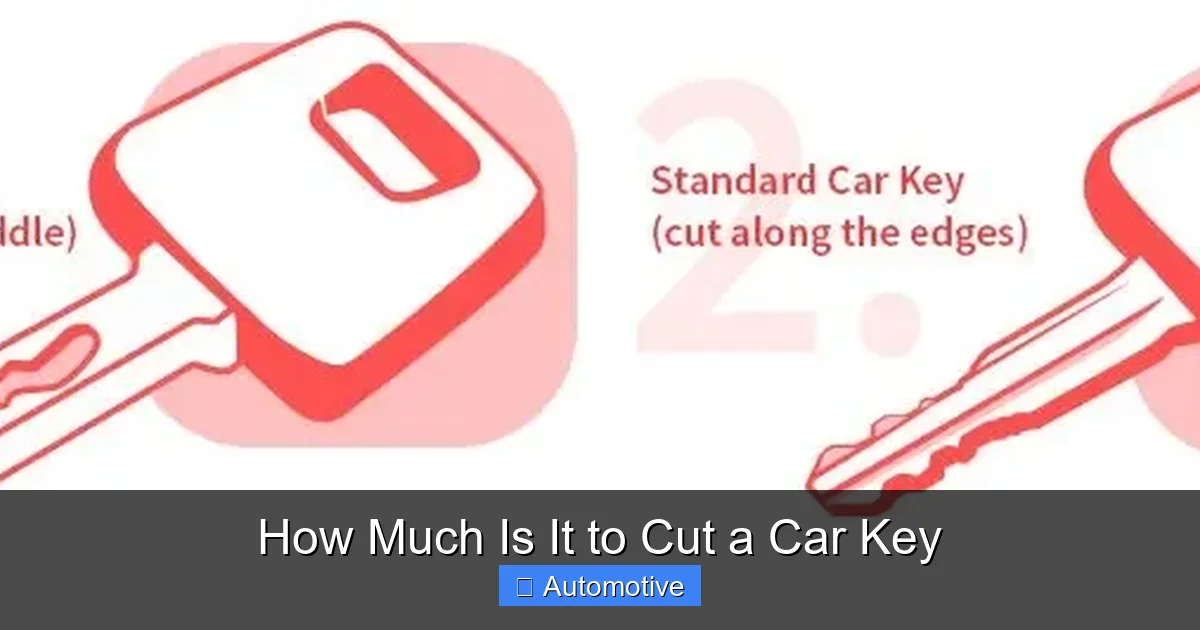
These are the simplest and oldest type of car keys. They’re made of metal and have no electronic components. You insert them into the ignition and turn to start the engine. Mechanical keys are typically found in older vehicles—usually those manufactured before the mid-1990s.
Because they lack electronics, these keys are the cheapest to duplicate. You can often get one cut at a hardware store, big-box retailer, or locksmith for as little as $5 to $20. Some stores even offer free key cutting if you buy the blank from them.
For example, if you drive a 1992 Honda Civic, you might walk into a local Ace Hardware, pick up a key blank for $3, and have it cut for free. Total cost: under $5.
However, even though the key itself is cheap, it offers no security features. Anyone with a copy can start your car, so it’s important to keep it secure.
2. Transponder Keys
Introduced in the mid-1990s, transponder keys were a major leap forward in vehicle security. These keys have a small electronic chip embedded in the plastic head. When you insert the key into the ignition, the car’s computer sends a signal to the chip. If the chip responds with the correct code, the engine will start. If not, the car won’t start—even if the key fits perfectly.
This technology drastically reduced car theft, as hot-wiring became nearly impossible without the correct transponder code.
Because of the chip, transponder keys are more expensive to duplicate. You can’t just cut the metal blade—you also need to program the chip to match your car’s system.
The cost to cut and program a transponder key typically ranges from $50 to $200. The price depends on the vehicle make and model, the complexity of the programming, and where you get it done.
For instance, a 2005 Toyota Camry transponder key might cost $80 at a local locksmith, while the same key at a dealership could run $150 or more. Some locksmiths offer mobile services and can come to your home or office, adding convenience but sometimes a small service fee.
3. Remote Key Fobs
Remote key fobs, also known as keyless entry remotes, combine a traditional key (often with a transponder chip) with buttons that allow you to lock, unlock, and sometimes open the trunk or activate the alarm from a distance.
These fobs are common in vehicles from the early 2000s onward. They’re more complex than transponder keys because they include both electronic programming and radio frequency technology.
The cost to cut and program a remote key fob ranges from $75 to $300. Again, dealerships tend to charge the most, while independent locksmiths and some auto parts stores offer competitive pricing.
For example, a 2012 Ford F-150 remote fob might cost $120 at a locksmith but $250 at a Ford dealership. Some fobs also require dealership-only programming tools, which can limit your options.
4. Smart Keys (Proximity Keys)
Smart keys, also called proximity keys or keyless entry/start systems, represent the latest in automotive key technology. These keys don’t need to be inserted into the ignition. Instead, they use a wireless signal to communicate with the car. As long as the key is inside the vehicle (usually in your pocket or bag), you can press a button to start the engine.
Smart keys often include additional features like remote start, panic alarms, and personalized settings (seat position, climate control, etc.).
Because of their complexity, smart keys are the most expensive to replace. The cost to cut and program a smart key can range from $150 to $500 or more, depending on the vehicle.
For example, a 2020 BMW 3 Series smart key might cost $400 at a dealership, while a 2018 Honda Accord smart key could be closer to $200 at a specialized locksmith.
Some luxury brands, like Mercedes-Benz or Audi, may charge even more due to proprietary software and security systems.
5. Flip Keys and Laser-Cut Keys
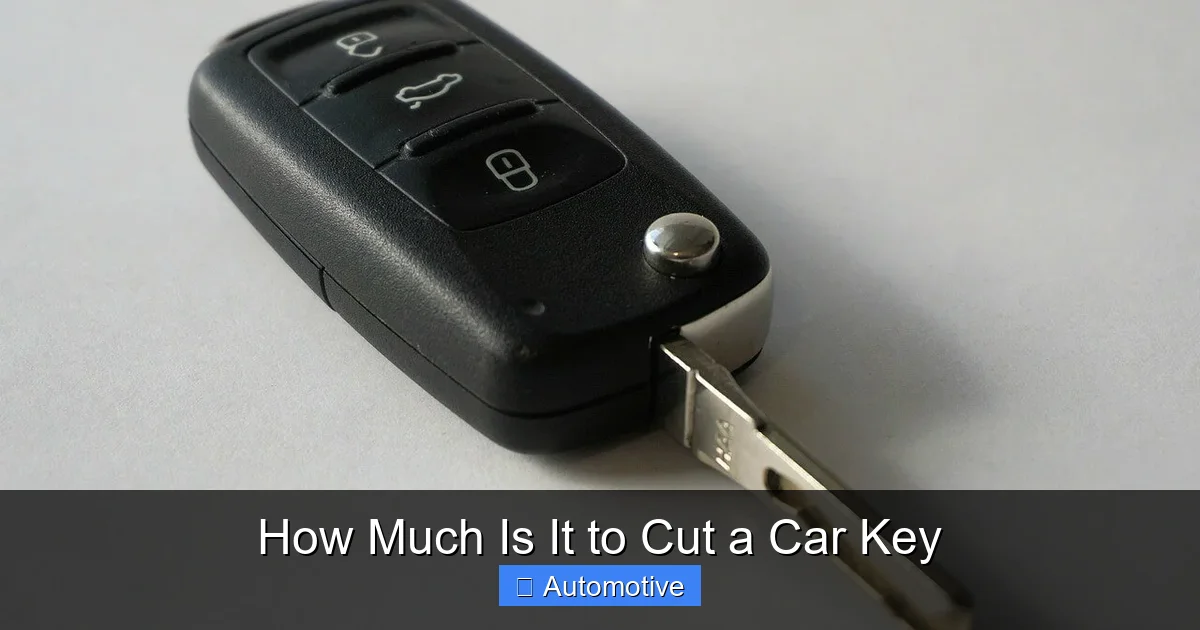
Flip keys (also called switchblade keys) are a hybrid between traditional and smart keys. They have a folding metal blade that flips out when needed. Many flip keys also include transponder chips or remote functions.
Laser-cut keys are similar but have a more precise, intricate cut pattern that’s harder to duplicate. They often require specialized cutting machines.
Both types are more expensive than standard transponder keys, typically costing $100 to $250 to duplicate and program.
For instance, a 2015 Nissan Altima flip key might cost $130 at a locksmith, while a laser-cut key for a 2016 Lexus RX could run $220.
Where to Get Your Car Key Cut: Pros and Cons
Visual guide about How Much Is It to Cut a Car Key
Image source: lirp.cdn-website.com
Now that you understand the different key types, the next step is deciding where to get your key cut. Your options include dealerships, local locksmiths, hardware stores, and even DIY methods. Each has its advantages and drawbacks.
Car Dealerships
Going to your car’s dealership is often the most reliable option—especially for newer or high-end vehicles. Dealerships have access to original equipment manufacturer (OEM) parts, specialized programming tools, and trained technicians.
However, this reliability comes at a cost. Dealerships typically charge the highest prices for key cutting and programming. Labor fees, parts markups, and administrative charges can add up quickly.
For example, a simple transponder key that costs $80 at a locksmith might cost $180 at a dealership. A smart key could easily exceed $500.
That said, dealerships are often the only option for certain vehicles, especially those with advanced security systems or proprietary software. If your car requires dealership-specific programming, you may have no choice.
Tip: Call ahead and ask for a quote. Some dealerships offer price matching or discounts for loyal customers.
Local Locksmiths
Independent locksmiths are a popular and often more affordable alternative to dealerships. Many specialize in automotive keys and have the tools to cut and program a wide range of key types.
Locksmiths typically charge 20% to 50% less than dealerships for the same service. They also offer faster service and greater flexibility—many provide mobile services, coming to your home, office, or roadside.
For example, a mobile locksmith might charge $100 to cut and program a transponder key for a 2010 Honda Accord, including travel time. That’s significantly less than the $200+ you’d pay at a dealership.
When choosing a locksmith, make sure they’re licensed, insured, and experienced with your vehicle make. Ask for references or check online reviews. Avoid unlicensed operators who may use low-quality blanks or improper programming methods.
Hardware Stores and Big-Box Retailers
Stores like Home Depot, Lowe’s, Walmart, and Ace Hardware often offer key cutting services for basic mechanical keys. Some even provide free cutting if you buy the blank in-store.
These stores are ideal for older vehicles with simple keys. However, they usually can’t handle transponder keys, smart keys, or programming.
For example, you can get a duplicate key for a 1998 Ford Taurus cut for $5 at Home Depot—but if your key has a chip, you’ll need to go elsewhere.
Some larger stores, like AutoZone or O’Reilly Auto Parts, offer limited programming services for certain key types. They may be able to program a basic transponder key for a fee, but their capabilities are limited compared to locksmiths or dealerships.
Online Key Services
In recent years, online services have emerged that allow you to order replacement keys by mail. You provide your vehicle information, and they send you a pre-cut and pre-programmed key.
These services can be convenient and cost-effective, especially for common vehicles. Prices range from $50 to $200, depending on the key type.
However, there are risks. You must trust the company with your vehicle details, and there’s no guarantee the key will work perfectly. Some online keys require additional programming steps, and returns can be complicated.
Always research the company thoroughly before ordering. Look for customer reviews, return policies, and clear instructions.
DIY Key Cutting
For the tech-savvy or budget-conscious, DIY key cutting is an option—but it comes with significant risks.
You can buy key blanks and handheld cutters online for as little as $20. Some people even 3D-print key templates.
However, cutting a key accurately requires precision. A poorly cut key can damage your ignition, fail to turn, or wear out quickly. And if your key has a transponder chip, you’ll still need to program it—something most DIYers can’t do without specialized equipment.
DIY is best reserved for emergency backups or non-critical uses. For everyday driving, professional cutting and programming are strongly recommended.
Factors That Affect the Cost of Cutting a Car Key
Visual guide about How Much Is It to Cut a Car Key
Image source: rightontime-locksmith.com
Now that you know the key types and service options, let’s explore the specific factors that influence how much it costs to cut a car key.
1. Vehicle Make and Model
Luxury and high-end vehicles (like BMW, Mercedes, Audi, or Tesla) often have more complex key systems and proprietary software. This increases the cost of duplication and programming.
Even among mainstream brands, some models have more advanced security features. For example, a 2022 Toyota Camry might have a simpler key system than a 2022 Toyota Prius Prime, which includes a smart key with remote start.
2. Key Technology
As we’ve discussed, the more technology in your key, the higher the cost. A basic metal key is cheap; a smart key with proximity sensors and remote functions is expensive.
Additionally, some keys require multiple programming steps or specialized tools, which can increase labor costs.
3. Geographic Location
Prices vary by region. Urban areas with higher living costs (like New York City or Los Angeles) tend to have higher service fees. Rural areas may have fewer options but lower prices.
For example, a locksmith in rural Ohio might charge $80 for a transponder key, while the same service in San Francisco could cost $130.
4. Urgency and Service Type
If you need a key cut immediately—especially during an emergency lockout—you may pay a premium. Mobile locksmiths often charge extra for after-hours or weekend service.
Similarly, dealerships may charge more for expedited service or same-day programming.
5. Number of Keys Needed
Some vehicles require multiple keys to be programmed at once. If you only have one working key, the system may need to be reset, which can add to the cost.
In some cases, programming a second key is free or discounted if you’re getting the first one done at the same time.
6. Warranty and Guarantees
Professional services often include a warranty on the key and programming. If the key fails within a certain period, they’ll replace it for free.
DIY or low-cost options rarely offer this protection, so you’re taking on more risk.
How to Save Money on Car Key Cutting
Visual guide about How Much Is It to Cut a Car Key
Image source: i.fbcd.co
Cutting a car key doesn’t have to break the bank. With a little planning and smart shopping, you can save significantly.
1. Get a Spare Before You Need It
The best time to get a spare key is before you lose your only one. Emergency replacements are almost always more expensive due to urgency and limited options.
If you have a working key, take it to a locksmith or dealership during regular hours and get a duplicate. You’ll pay standard rates and avoid rush fees.
2. Compare Quotes
Don’t settle for the first price you hear. Call at least three providers—dealership, locksmith, and auto parts store—and ask for detailed quotes.
Make sure the quote includes both cutting and programming fees. Some places advertise low cutting prices but charge extra for programming.
3. Use a Mobile Locksmith
Mobile locksmiths often have lower overhead than brick-and-mortar shops, which can translate to lower prices. Plus, they come to you—saving time and transportation costs.
Just make sure they’re licensed and have good reviews.
4. Check for Discounts
Some locksmiths and dealerships offer discounts for seniors, military personnel, or AAA members. Ask about any available promotions.
Online services sometimes run sales or offer coupon codes for first-time customers.
5. Consider Aftermarket Keys
Aftermarket or third-party keys are often cheaper than OEM keys. They’re made by independent manufacturers and can work just as well—if programmed correctly.
However, be cautious. Low-quality aftermarket keys may fail sooner or cause compatibility issues.
Always buy from reputable sellers and confirm compatibility with your vehicle.
6. Learn Basic Programming (For Simple Keys)
Some transponder keys can be programmed using a simple sequence of actions—like turning the ignition on and off in a specific pattern. Your owner’s manual or online forums may have instructions.
This won’t work for all vehicles, but it can save you $50–$100 in programming fees.
When to Replace vs. Repair a Car Key
Sometimes, your key isn’t lost—it’s damaged. Before paying for a full replacement, consider whether repair is an option.
Broken Key Blade
If the metal part of your key is bent or broken, it may be repairable. A locksmith can often straighten or re-cut the blade for a fraction of the cost of a new key.
However, if the break is severe or the key is worn down, replacement is usually the better choice.
Damaged Fob or Housing
If the plastic housing of your key fob is cracked but the electronics work, you might be able to replace just the case. Some companies sell replacement shells that you can snap together.
This can cost $10–$30, compared to $100+ for a new fob.
Dead Battery
Most key fobs use a small coin-cell battery (like a CR2032). If your remote stops working, try replacing the battery first. They cost under $5 and can be found at most electronics stores.
Water Damage
If your key has been exposed to water, it may short out. In some cases, drying it thoroughly (using rice or a desiccant) can restore function. But if the electronics are damaged, replacement is necessary.
Conclusion
So, how much is it to cut a car key? The answer depends on your vehicle, the key type, and where you go—but now you have the tools to make an informed decision.
From $5 for a basic mechanical key to $500+ for a high-tech smart fob, the cost varies widely. Understanding your options—dealerships, locksmiths, hardware stores, and online services—can help you find the best balance of price, quality, and convenience.
The key takeaway? Don’t wait until you’re locked out. Get a spare key while you still have one. Compare quotes, ask about discounts, and choose a reputable provider. With a little planning, you can save money and avoid stress the next time you need a new car key.
Remember: your car key is more than just a piece of metal—it’s a vital part of your vehicle’s security and functionality. Treat it with care, and it will serve you well for years to come.
Frequently Asked Questions
How much does it cost to cut a basic car key?
A basic mechanical car key without electronics typically costs $5 to $20 to cut. You can often get it done at hardware stores or big-box retailers, sometimes for free if you buy the blank in-store.
Why are smart keys so expensive?
Smart keys are expensive because they include advanced technology like proximity sensors, remote start, and encrypted communication with the car. They require specialized programming and high-quality components, which drives up the cost.
Can I cut a car key myself?
You can cut a basic metal key yourself with a key blank and cutter, but it’s not recommended for transponder or smart keys. DIY cutting risks damaging the key or ignition, and programming electronic keys usually requires professional tools.
Do all car keys need to be programmed?
No. Only keys with electronic components—like transponder chips, remote fobs, or smart keys—require programming. Traditional mechanical keys do not.
Is it cheaper to go to a locksmith or dealership?
Locksmiths are usually cheaper than dealerships, often by 20% to 50%. However, dealerships may be necessary for certain vehicles with proprietary systems or advanced security features.
How long does it take to cut and program a car key?
Basic key cutting takes 5–10 minutes. Programming a transponder or smart key can take 15–30 minutes, depending on the vehicle and system. Mobile locksmiths may take longer due to travel time.