How to Fix a Punctured Tire on a Bike
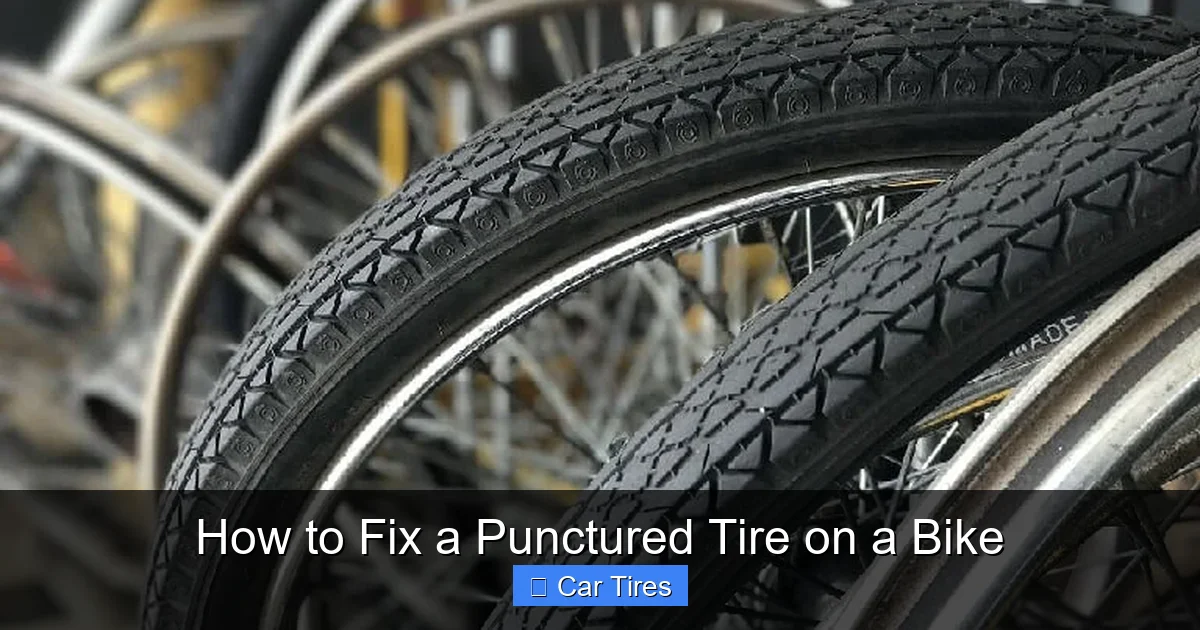
Discover how to fix a punctured tire on a bike like a pro, whether you’re on the trail or in your driveway. This guide walks you through identifying the leak, removing the wheel, patching or replacing the tube, and getting back on the road safely and confidently.
In This Article
- 1 Key Takeaways
- 2 📑 Table of Contents
- 3 Introduction: Why Every Cyclist Should Know How to Fix a Punctured Tire
- 4 Understanding the Basics: What Causes a Punctured Tire?
- 5 Essential Tools and Supplies for Fixing a Flat Tire
- 6 Step-by-Step Guide: How to Fix a Punctured Tire on a Bike
- 6.1 Step 1: Find a Safe Spot and Secure Your Bike
- 6.2 Step 2: Remove the Wheel
- 6.3 Step 3: Deflate the Tube Completely
- 6.4 Step 4: Remove the Tire and Tube
- 6.5 Step 5: Locate the Puncture
- 6.6 Step 6: Patch the Tube or Replace It
- 6.7 Step 7: Reinstall the Tire and Tube
- 6.8 Step 8: Inflate and Check
- 6.9 Step 9: Reattach the Wheel
- 7 Preventing Future Punctures: Tips and Best Practices
- 8 When to Replace Instead of Repair
- 9 Conclusion: Ride Confidently with the Right Skills
- 10 Frequently Asked Questions
- 10.1 Can I ride my bike with a punctured tire?
- 10.2 How long does it take to fix a punctured bike tire?
- 10.3 Do I need to remove the wheel to fix a flat?
- 10.4 Can I use duct tape to patch a bike tube?
- 10.5 How often should I check my bike tire pressure?
- 10.6 What’s the difference between a patch and a new tube?
Key Takeaways
- Carry a repair kit: Always have tire levers, patches, a pump, and a spare tube when riding.
- Identify the puncture: Inflate the tube slightly and listen or feel for air escaping, or submerge in water to find bubbles.
- Use proper tools: Tire levers make removing the tire easier and prevent damage to the rim or tube.
- Patch correctly: Roughen the area, apply glue, wait, then press the patch firmly for a lasting fix.
- Check the tire casing: Inspect the inside of the tire for sharp objects before reinserting the tube.
- Inflate gradually: Use a pressure gauge to avoid overinflation and ensure a smooth ride.
- Practice makes perfect: Try fixing a flat at home before you’re stuck on a ride.
📑 Table of Contents
- Introduction: Why Every Cyclist Should Know How to Fix a Punctured Tire
- Understanding the Basics: What Causes a Punctured Tire?
- Essential Tools and Supplies for Fixing a Flat Tire
- Step-by-Step Guide: How to Fix a Punctured Tire on a Bike
- Preventing Future Punctures: Tips and Best Practices
- When to Replace Instead of Repair
- Conclusion: Ride Confidently with the Right Skills
Introduction: Why Every Cyclist Should Know How to Fix a Punctured Tire
There’s nothing quite like the freedom of riding a bike—the wind in your hair, the rhythm of the pedals, the open road stretching ahead. But that peaceful ride can quickly turn stressful when you hear that dreaded hiss and feel your bike slowing down. A punctured tire on a bike is one of the most common issues cyclists face, whether you’re commuting to work, exploring mountain trails, or enjoying a weekend cruise through the park.
Don’t panic. While a flat tire might seem like a major setback, it’s actually one of the easiest bike problems to fix—if you know how. With the right tools, a little patience, and this step-by-step guide, you’ll be back on two wheels in no time. Whether you’re a beginner or a seasoned rider, learning how to fix a punctured tire on a bike is a skill that pays off every time you ride. It saves you money, keeps you safe, and gives you confidence no matter where your journey takes you.
Understanding the Basics: What Causes a Punctured Tire?
Before diving into the repair process, it helps to understand what causes a punctured tire in the first place. Knowing the enemy makes you better prepared to fight it. Most flats happen when the inner tube—the rubber bladder inside the tire that holds air—gets pierced or damaged. This can occur in several ways, and recognizing the cause can help prevent future flats.
Visual guide about How to Fix a Punctured Tire on a Bike
Image source: s.yimg.com
Common Causes of Bike Tire Punctures
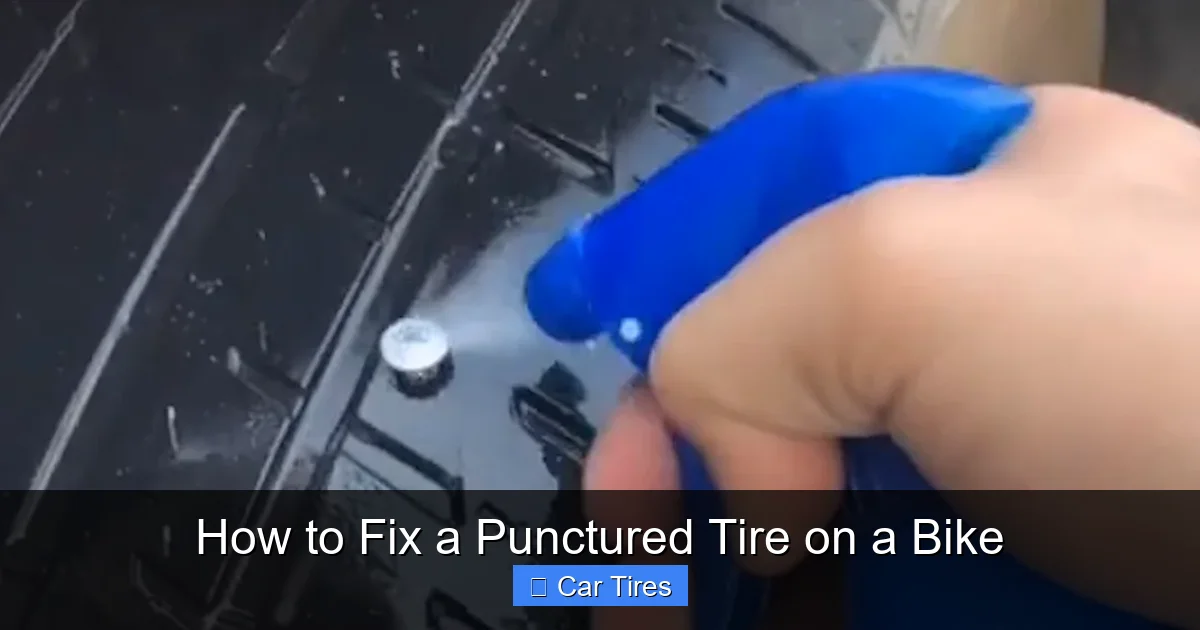
The most frequent culprit is a sharp object piercing the tire. Nails, glass shards, thorns, or even tiny metal shards from the road can sneak into your tire and puncture the tube. These are called “penetration flats” and are especially common in urban areas or on gravel paths. Another common cause is a “pinch flat,” which happens when you hit a pothole, curb, or rock hard enough to pinch the tube between the rim and the tire. This creates two small holes close together, often called a “snakebite” because they look like bite marks.
Worn-out tires are also a major factor. As tires age, the rubber becomes thinner and more prone to damage. If your tire has cracks, bald spots, or exposed threads, it’s time for a replacement. Underinflation plays a role too—riding with low air pressure increases the chance of pinch flats and makes the tire more vulnerable to punctures. Finally, improper installation of the tube or tire can lead to friction, pinching, or slow leaks over time.
Types of Bike Tubes and Their Role
Most bikes use inner tubes made of rubber or butyl, which are flexible and airtight. Some high-end or tubeless setups use sealant-filled systems, but the majority of riders rely on traditional tubes. These tubes come in different sizes to match your tire’s diameter and width. Using the wrong size can lead to poor fit, increased wear, and more flats. Presta and Schrader valves are the two main types—Presta is thinner and common on road bikes, while Schrader is thicker and found on many hybrid and mountain bikes. Make sure your pump matches your valve type, or use an adapter.
Essential Tools and Supplies for Fixing a Flat Tire
You don’t need a full mechanic’s workshop to fix a punctured tire on a bike, but having the right tools makes the job faster, easier, and more reliable. A well-stocked repair kit can mean the difference between a quick fix and a long walk home. Here’s what every cyclist should carry.
Visual guide about How to Fix a Punctured Tire on a Bike
Image source: i.ytimg.com
Must-Have Repair Kit Items
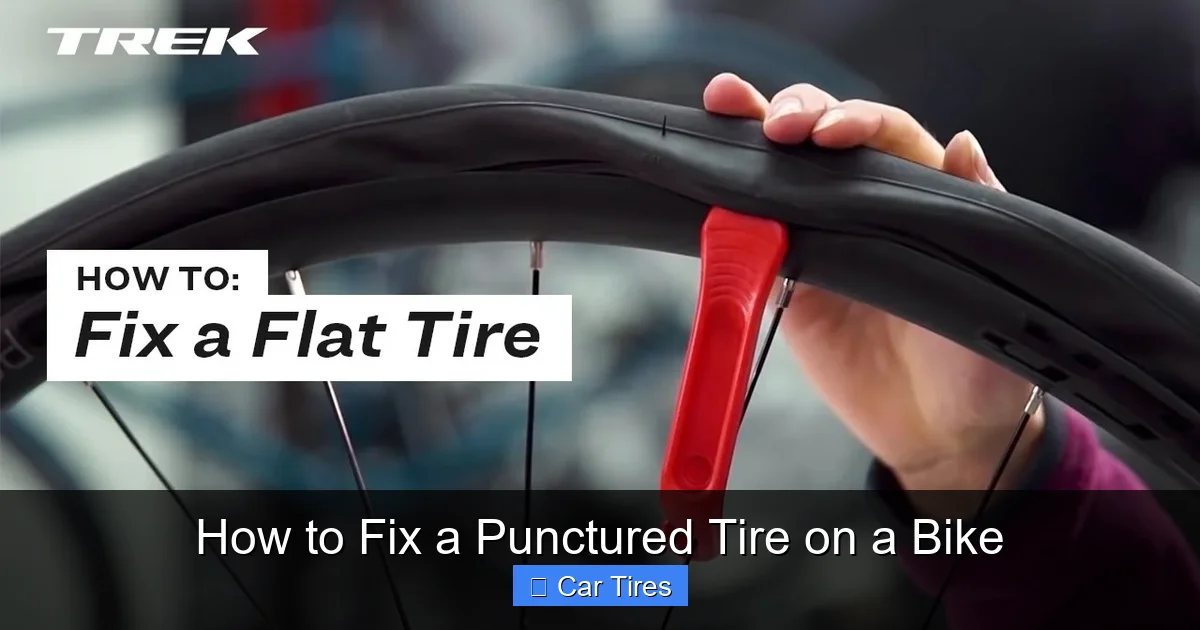
Start with tire levers—these plastic or metal tools help pry the tire off the rim without damaging the tube or wheel. Two or three levers are ideal. Next, a patch kit is essential. These usually include rubber patches, sandpaper or a metal scraper, and rubber cement. While patches are great for small holes, carrying a spare inner tube is even better for quick roadside fixes. You never know when a patch won’t hold or the damage is too severe.
A portable pump or CO2 inflator is a must. Hand pumps are reliable and don’t require cartridges, but they take longer to use. CO2 inflators are fast and lightweight, perfect for racing or long rides, but you’ll need to carry extra cartridges. A pressure gauge helps ensure you inflate to the correct PSI—too little air risks another flat, too much can blow the tube. Finally, a multi-tool with Allen keys can help remove wheels with bolt-on axles, though many modern bikes use quick-release levers.
Optional but Helpful Add-Ons
While not strictly necessary, a few extras can make your life easier. A small rag or cloth helps clean the tube and tire area before patching. A flashlight or headlamp is useful for night repairs. Some riders carry a tire boot—a piece of durable material like a dollar bill or specialized patch—to reinforce a damaged tire casing if the outer tire is torn. And don’t forget a small bottle of water if you plan to use the submersion method to find leaks.
Step-by-Step Guide: How to Fix a Punctured Tire on a Bike
Now that you understand the causes and have your tools ready, it’s time to get your hands dirty. Fixing a punctured tire on a bike might seem intimidating at first, but once you’ve done it a few times, it becomes second nature. Follow these steps carefully, and you’ll be back riding in under 20 minutes.
Visual guide about How to Fix a Punctured Tire on a Bike
Image source: i.ytimg.com
Step 1: Find a Safe Spot and Secure Your Bike
First, move to a safe, flat area away from traffic. If you’re on a busy road, pull over to the shoulder or a nearby park. Flip your bike upside down so it rests on the handlebars and seat, or use a bike stand if you have one. This gives you easy access to the wheels. If your bike has disc brakes, be careful not to squeeze the brake levers while it’s upside down—this can damage the brake pads.
Step 2: Remove the Wheel
Most bikes have quick-release levers or bolt-on axles. For quick-release wheels, flip the lever open and unscrew it slightly, then pull the wheel out. For bolt-on wheels, use your multi-tool to loosen the nuts. If it’s the rear wheel, shift into the smallest rear gear to make removal easier. Once the wheel is free, gently pull it away from the frame. Be careful not to damage the derailleur or brake rotor.
Step 3: Deflate the Tube Completely
Before removing the tire, make sure the tube is fully deflated. Press the valve stem to release any remaining air. For Presta valves, you may need to unscrew the tip first. This prevents pinching the tube when you remove it.
Step 4: Remove the Tire and Tube
Insert one tire lever under the bead of the tire and hook it to a spoke. Insert a second lever a few inches away and slide it along the rim to lift one side of the tire over the edge. Once one side is off, you can usually pull the rest by hand. Carefully remove the tube from inside the tire. Pull it out slowly, following the path of the valve stem.
Step 5: Locate the Puncture
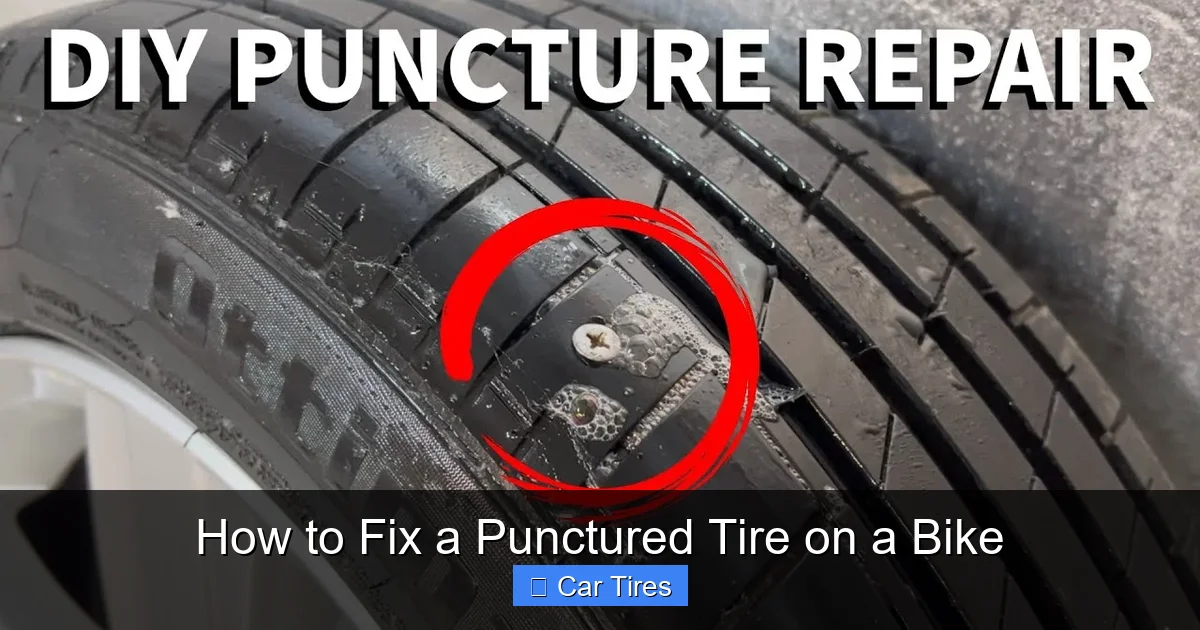
Inflate the tube slightly so it holds its shape. Listen for hissing or feel for air with your cheek. If you can’t find it, submerge the tube in water and look for bubbles. Mark the hole with a pen or chalk. Also, check the tire casing by running your fingers along the inside. Remove any embedded debris like glass or thorns. If you find a sharp object, pull it out carefully with pliers.
Step 6: Patch the Tube or Replace It
If the hole is small and the tube is otherwise in good condition, patching is a great option. Roughen the area around the hole with the sandpaper from your kit. Apply a thin layer of rubber cement, wait 30–60 seconds until it’s tacky, then press the patch firmly. Hold it for a minute to ensure a strong bond. For larger holes, tears, or multiple punctures, replace the tube entirely. Insert the new tube, starting at the valve stem, and tuck it inside the tire.
Step 7: Reinstall the Tire and Tube
Before putting the tire back on, inflate the new or patched tube slightly—just enough to give it shape. This prevents pinching. Insert the valve stem into the rim hole and tuck the tube inside the tire. Starting at the valve, work the tire bead back onto the rim with your hands. Avoid using tire levers for this step, as they can pinch the tube. If it’s tight, work your way around the wheel, pushing the bead over the rim.
Step 8: Inflate and Check
Attach your pump and inflate the tire gradually. Check that the tire is seated evenly on the rim—no bulges or dips. Use a pressure gauge to reach the recommended PSI, usually printed on the tire sidewall. Overinflation can cause blowouts, while underinflation increases the risk of flats. Once inflated, spin the wheel to make sure it turns smoothly and doesn’t rub against the brakes or frame.
Step 9: Reattach the Wheel
Slide the wheel back into the dropouts. For rear wheels, guide the chain onto the smallest cog. Tighten the quick-release lever or bolts securely. Make sure the wheel is centered and the axle is fully seated. Test the brakes to ensure they’re working properly.
Preventing Future Punctures: Tips and Best Practices
Fixing a flat is one thing—avoiding them is even better. While you can’t eliminate all risks, smart habits and maintenance can dramatically reduce the chances of a punctured tire on a bike. Prevention is always easier than repair.
Maintain Proper Tire Pressure
Check your tire pressure before every ride. Use a floor pump with a gauge for accuracy. Riding underinflated increases the risk of pinch flats and makes your bike harder to control. Overinflated tires are more prone to punctures from sharp objects. Follow the PSI range listed on your tire—usually between 30 and 120 PSI depending on the bike type.
Inspect Tires Regularly
Look for cuts, cracks, or embedded debris. Replace tires when the tread is worn or the casing is damaged. A tire boot can temporarily fix a small tear, but it’s not a permanent solution. Consider upgrading to puncture-resistant tires if you ride frequently on rough terrain. These have thicker rubber or special layers to resist cuts.
Use Tire Liners or Sealant
Tire liners are strips of material placed between the tube and tire to add an extra layer of protection. They’re affordable and effective against sharp objects. Alternatively, some riders use liquid sealant inside the tube, which automatically plugs small holes as they occur. This is especially popular in tubeless setups but can work in traditional tubes too.
Ride Smart
Avoid debris when possible. Steer clear of glass, nails, and potholes. On trails, watch for thorns or sharp rocks. If you must ride over debris, slow down and lift your weight off the saddle to reduce pressure on the tires. And always carry a repair kit—even on short rides. You never know when you’ll need it.
When to Replace Instead of Repair
While patching is cost-effective, there are times when replacing the tube—or even the tire—is the better choice. Knowing when to repair and when to replace saves time and prevents future issues.
Signs You Need a New Tube
If the tube has multiple punctures, a large tear, or a damaged valve stem, patching won’t help. A tube that’s been pinched repeatedly may have weak spots that could fail later. Also, if the tube is old and brittle, it’s safer to replace it. Carrying a spare tube means you can swap it out quickly and patch the old one later at home.
When to Replace the Tire
If the tire casing is torn, bulging, or has exposed threads, it’s time for a new tire. A damaged tire can’t hold a tube properly and increases the risk of blowouts. Even if the tube is fine, a compromised tire will keep causing flats. Investing in a quality tire pays off in durability and peace of mind.
Conclusion: Ride Confidently with the Right Skills
Learning how to fix a punctured tire on a bike isn’t just about solving a problem—it’s about gaining independence and confidence on two wheels. No longer will a flat tire mean a long walk or an expensive trip to the bike shop. With the right tools, a little practice, and this guide, you’ll handle flats like a pro.
Remember, every cyclist gets a flat eventually. It’s not a matter of if, but when. But with preparation and know-how, it becomes a minor inconvenience, not a disaster. So next time you hear that hiss, take a deep breath, grab your repair kit, and get back on the road. Your bike—and your adventure—are waiting.
Frequently Asked Questions
Can I ride my bike with a punctured tire?
No, riding with a punctured tire can damage the rim, inner tube, and tire casing. It’s unsafe and can lead to more costly repairs. Always stop and fix the flat as soon as possible.
How long does it take to fix a punctured bike tire?
With practice, most people can fix a flat in 10–15 minutes. First-timers might take 20–30 minutes. The key is staying calm and following the steps carefully.
Do I need to remove the wheel to fix a flat?
Yes, you need to remove the wheel to access the tube and tire. Some bikes allow partial removal, but full removal makes the repair easier and safer.
Can I use duct tape to patch a bike tube?
Duct tape is not recommended for permanent repairs. It may hold temporarily in an emergency, but it won’t create a reliable seal. Use a proper patch kit for best results.
How often should I check my bike tire pressure?
Check tire pressure before every ride, especially if you ride frequently. Air naturally leaks over time, and temperature changes affect pressure. Regular checks prevent flats and improve performance.
What’s the difference between a patch and a new tube?
A patch fixes a small hole in the existing tube and is cost-effective. A new tube replaces the entire inner bladder and is faster for roadside repairs. Carry both for maximum flexibility.