How to Fix a Dead Battery in a Car
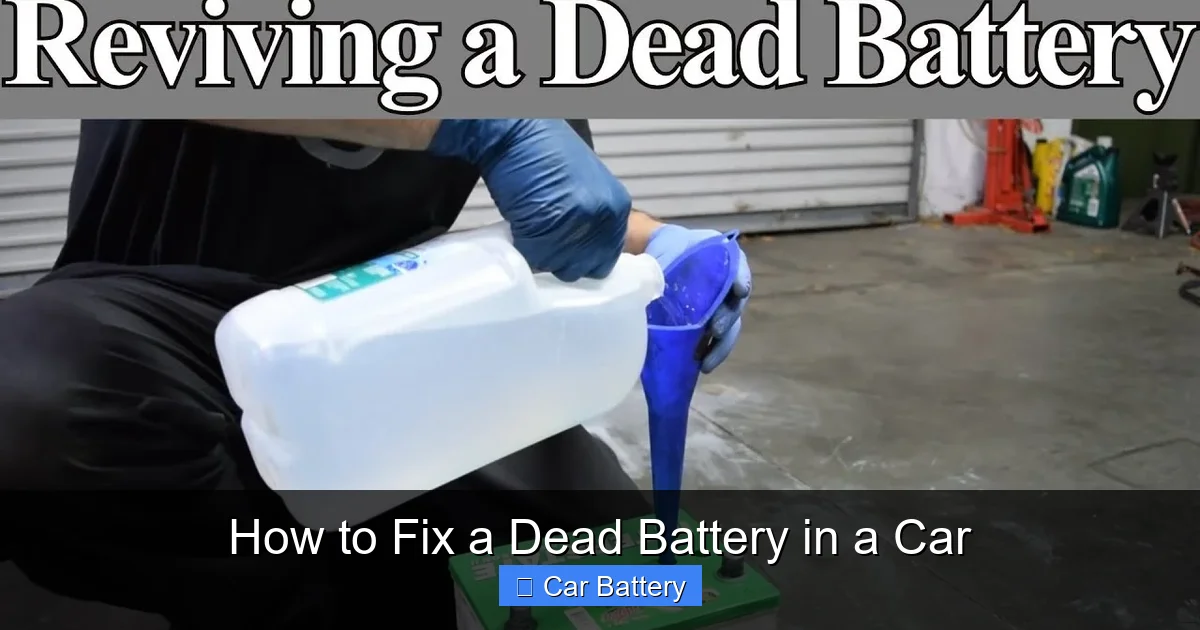
Discover how to fix a dead battery in a car safely and effectively using jump-starts, battery chargers, or replacement. This guide covers essential tools, troubleshooting tips, and preventive maintenance to keep your car battery in top shape and avoid future breakdowns.
In This Article
- 1 Key Takeaways
- 2 📑 Table of Contents
- 3 Introduction: Why Your Car Battery Dies and What You Can Do
- 4 Understanding Why Car Batteries Die
- 5 Tools and Safety Precautions Before You Begin
- 6 Step-by-Step Guide to Jump-Starting a Dead Battery
- 7 Using a Battery Charger to Recharge a Dead Battery
- 8 Cleaning Battery Terminals and Cables
- 9 When to Replace Your Car Battery
- 10 Preventing Future Battery Failures
- 11 Conclusion: Stay Prepared and Confident
- 12 Frequently Asked Questions
Key Takeaways
- Jump-starting is the quickest fix: Use jumper cables and a working vehicle to revive a dead battery in minutes—just follow proper connection order to avoid sparks or damage.
- Safety first: Always wear gloves and eye protection, and never smoke near the battery due to flammable hydrogen gas.
- Check battery age: Most car batteries last 3–5 years; if yours is older, replacement may be more reliable than a temporary fix.
- Use a battery charger for slow recharging: Ideal for deeply drained batteries or when you have time—connect to a power source and let it charge overnight.
- Inspect terminals and cables: Corrosion or loose connections can mimic a dead battery—clean with baking soda and water if needed.
- Prevent future failures: Turn off lights, limit short trips, and test your battery regularly to extend its life.
- Know when to replace: If the battery fails to hold a charge after multiple attempts, it’s time for a new one.
📑 Table of Contents
- Introduction: Why Your Car Battery Dies and What You Can Do
- Understanding Why Car Batteries Die
- Tools and Safety Precautions Before You Begin
- Step-by-Step Guide to Jump-Starting a Dead Battery
- Using a Battery Charger to Recharge a Dead Battery
- Cleaning Battery Terminals and Cables
- When to Replace Your Car Battery
- Preventing Future Battery Failures
- Conclusion: Stay Prepared and Confident
Introduction: Why Your Car Battery Dies and What You Can Do
There’s nothing quite as frustrating as turning the key and hearing nothing but a faint click—or worse, complete silence. Your car won’t start, and you’re left wondering what went wrong. In most cases, the culprit is a dead battery. Whether it’s from leaving the headlights on overnight, extreme weather, or simply old age, a dead car battery is one of the most common automotive issues drivers face.
But here’s the good news: fixing a dead battery in a car is often easier than you think. With the right tools and a little know-how, you can get your vehicle back on the road in under 30 minutes. This guide will walk you through every step—from diagnosing the problem to safely jump-starting your car, using a battery charger, or even replacing the battery if needed. We’ll also cover essential safety tips and how to prevent future battery failures.
Understanding Why Car Batteries Die
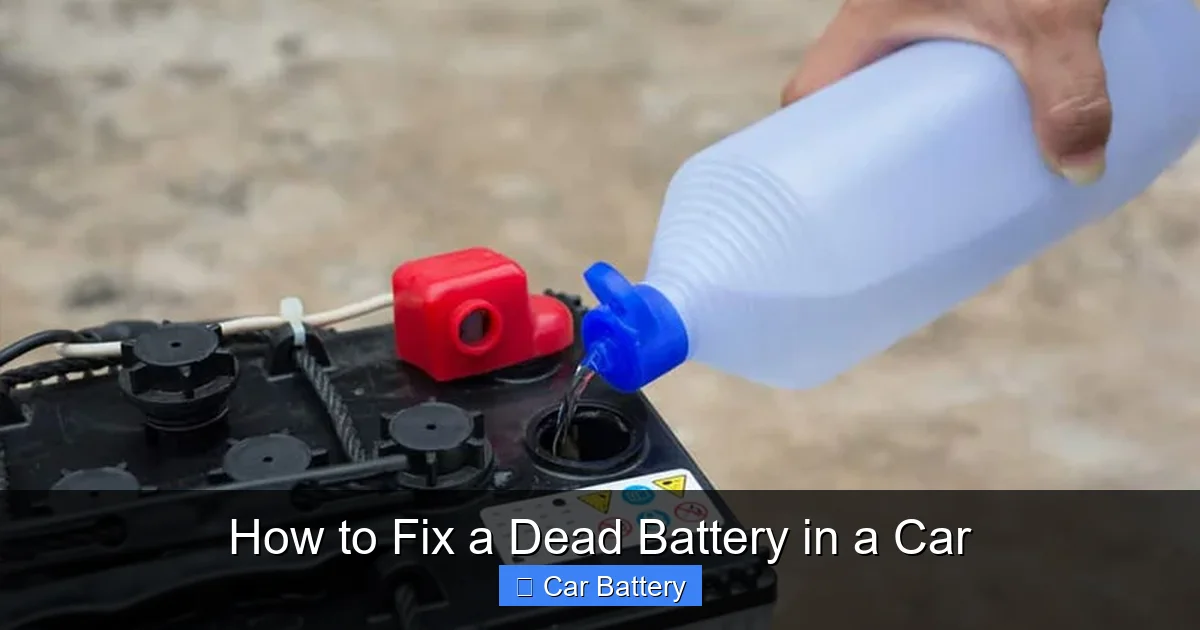
Visual guide about How to Fix a Dead Battery in a Car
Image source: motorguider.com
Before jumping into solutions, it helps to understand why car batteries die in the first place. A car battery stores electrical energy and delivers it to the starter motor, which cranks the engine. Once the engine is running, the alternator takes over to recharge the battery and power the vehicle’s electrical systems.
But over time, batteries lose their ability to hold a charge. Several factors contribute to this:
Age and Wear
Most car batteries last between three and five years. As they age, the internal plates degrade, reducing their capacity. If your battery is older than four years, it’s wise to have it tested regularly—especially before winter.
Leaving Lights or Accessories On
It’s easy to forget to turn off headlights, interior lights, or the radio. Even small draws like a phone charger left plugged in can drain the battery overnight. Modern cars often have warning systems, but not all do.
Extreme Temperatures
Cold weather slows down the chemical reactions inside the battery, reducing its output. In fact, a battery can lose up to 60% of its power in freezing conditions. On the flip side, extreme heat accelerates corrosion and evaporation of the electrolyte, shortening battery life.
Short Trips and Infrequent Driving
If you only drive short distances, the alternator doesn’t have enough time to fully recharge the battery. Over time, this leads to a gradual loss of charge. If your car sits unused for days or weeks, the battery can drain completely due to small parasitic loads (like the clock or alarm system).
Faulty Charging System
A failing alternator or voltage regulator won’t properly recharge the battery while driving. This can cause the battery to die even if it’s relatively new. If your battery keeps dying despite being replaced, have your charging system checked.
Tools and Safety Precautions Before You Begin
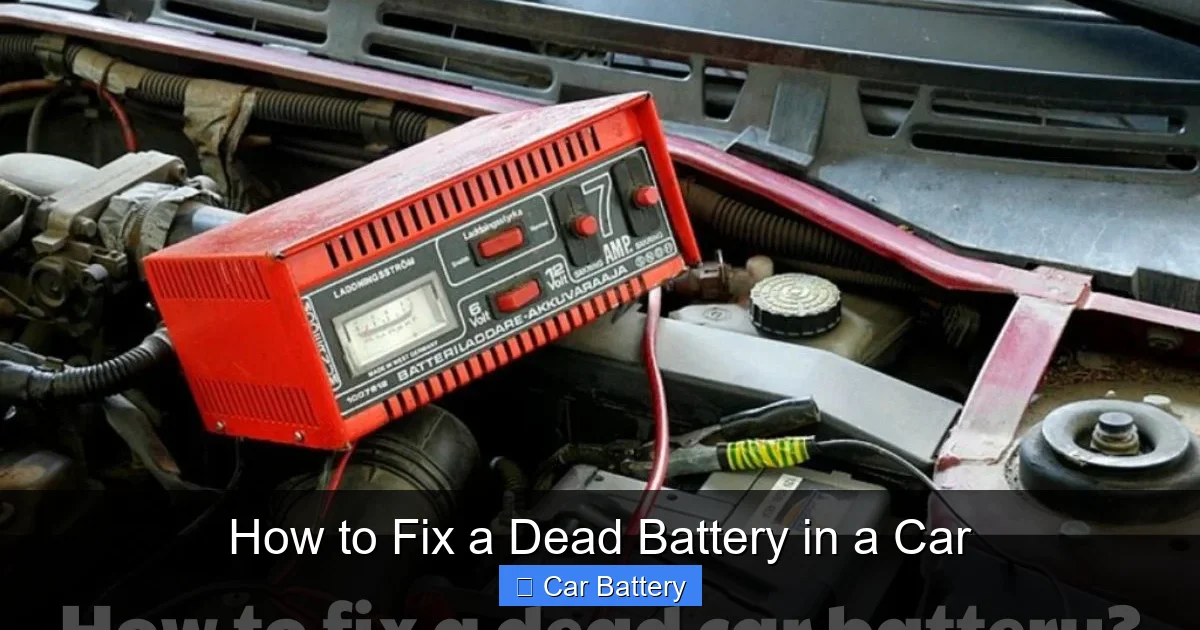
Visual guide about How to Fix a Dead Battery in a Car
Image source: bradscartunes.com
Fixing a dead battery isn’t dangerous—if you take the right precautions. But batteries contain sulfuric acid and produce hydrogen gas, both of which can be hazardous. Here’s what you’ll need and how to stay safe.
Essential Tools and Supplies
- Jumper cables (heavy-duty, 8–10 feet long)
- A working vehicle with a charged battery (for jump-starting)
- Battery charger (optional, for slow charging)
- Safety gloves and goggles
- Baking soda and water (for cleaning corrosion)
- Wire brush or battery terminal cleaner
- Wrench or socket set (to remove terminals if needed)
Safety First: Protecting Yourself and Your Vehicle
Always wear gloves and safety goggles when working near a battery. The acid can cause burns, and sparks can ignite hydrogen gas. Never smoke, use open flames, or create sparks near the battery.
Make sure both vehicles are turned off before connecting jumper cables. Park the working car close enough for the cables to reach, but don’t let the bumpers touch. Engage the parking brakes and put both cars in “Park” (or in gear for manual transmissions).
Identifying Battery Terminals
The battery has two terminals: positive (+) and negative (–). The positive terminal is usually red and marked with a “+” sign. The negative terminal is black and marked with a “–” sign. Some batteries have covers over the terminals—remove them carefully.
If you see a white, green, or blue crust around the terminals, that’s corrosion. It can prevent a good electrical connection and should be cleaned before jump-starting.
Step-by-Step Guide to Jump-Starting a Dead Battery
Visual guide about How to Fix a Dead Battery in a Car
Image source: thedailyautomotive.com
Jump-starting is the fastest way to fix a dead battery in a car. It uses power from another vehicle’s battery to give yours a boost. Follow these steps carefully to do it safely and effectively.
Step 1: Position the Vehicles
Park the working car so the batteries are close—usually within 18–24 inches. Turn off both engines, remove the keys, and engage the parking brakes. Make sure both cars are in “Park” or in gear.
Step 2: Connect the Jumper Cables
Follow this exact order to avoid sparks near the battery:
1. Connect the red (positive) clamp to the dead battery’s positive terminal.
2. Connect the other red clamp to the good battery’s positive terminal.
3. Connect the black (negative) clamp to the good battery’s negative terminal.
4. Connect the final black clamp to an unpainted metal surface on the dead car—like a bolt or bracket on the engine block. This grounds the circuit and reduces the risk of sparking near the battery.
Step 3: Start the Working Car
Start the engine of the working car and let it run for 3–5 minutes. This allows the alternator to send some charge to the dead battery.
Step 4: Attempt to Start the Dead Car
Try starting the dead car. If it doesn’t start right away, wait another minute or two and try again. Don’t crank for more than 10 seconds at a time—overworking the starter can damage it.
Step 5: Disconnect the Cables
Once the dead car starts, disconnect the cables in reverse order:
1. Remove the black clamp from the grounded metal on the dead car.
2. Remove the black clamp from the good battery’s negative terminal.
3. Remove the red clamp from the good battery’s positive terminal.
4. Remove the red clamp from the dead battery’s positive terminal.
Step 6: Let the Engine Run
Keep the revived car running for at least 15–30 minutes to allow the alternator to recharge the battery. Avoid turning it off during this time.
What If It Doesn’t Work?
If the car still won’t start after several attempts, the battery may be too damaged, or there could be another issue—like a bad starter, alternator, or fuel system. In that case, call a mechanic or roadside assistance.
Using a Battery Charger to Recharge a Dead Battery
If you have access to an electrical outlet and a few hours to spare, a battery charger is a safer and more thorough way to fix a dead battery in a car. Unlike jump-starting, which gives a quick boost, a charger slowly replenishes the battery’s charge, which can help extend its life.
Choosing the Right Charger
There are several types of battery chargers:
– **Trickle chargers:** Deliver a low, steady charge over many hours. Ideal for long-term maintenance.
– **Smart chargers:** Automatically adjust the charge rate and stop when the battery is full. Best for most users.
– **Fast chargers:** Charge quickly but can overheat or damage older batteries if not monitored.
For home use, a smart charger with 4–10 amp output is usually the best choice.
How to Use a Battery Charger
1. Turn off the car and remove the keys.
2. Open the hood and locate the battery.
3. Disconnect the negative terminal first, then the positive (to avoid short circuits).
4. Connect the charger’s red clamp to the positive terminal and the black clamp to the negative terminal.
5. Plug in the charger and turn it on. Follow the manufacturer’s instructions.
6. Let it charge for several hours—some smart chargers take 6–12 hours.
7. Once charged, disconnect the charger, then reconnect the battery terminals (positive first, then negative).
8. Start the car to confirm it works.
Benefits of Charging Over Jump-Starting
Charging gives the battery a full recharge, which can help if it was deeply drained. It’s also safer because there’s no risk of sparks or connecting to another vehicle. However, it’s not practical in emergencies or when you’re stranded.
Cleaning Battery Terminals and Cables
Sometimes, a dead battery isn’t actually dead—it’s just not making a good connection. Corrosion on the terminals can block the flow of electricity, making the battery appear dead even if it has plenty of charge.
Signs of Corrosion
Look for a white, green, or blue powdery substance around the terminals. It may also cause the cables to feel loose or look crusty.
How to Clean Battery Terminals
1. Turn off the car and remove the keys.
2. Disconnect the negative cable first, then the positive.
3. Mix a tablespoon of baking soda with a cup of water.
4. Dip an old toothbrush or wire brush into the solution and scrub the terminals and cable ends.
5. Rinse with clean water and dry thoroughly.
6. Reconnect the cables—positive first, then negative.
7. For extra protection, apply a thin layer of petroleum jelly or battery terminal protector spray.
Preventing Future Corrosion
Keep the terminals clean and dry. Avoid spilling battery acid, and consider using anti-corrosion washers or sprays. Regular maintenance can prevent this issue from recurring.
When to Replace Your Car Battery
Not every dead battery can be fixed. If your battery is old, damaged, or fails to hold a charge, replacement is the best option.
Signs It’s Time for a New Battery
– The battery is more than 4–5 years old.
– The car struggles to start, especially in cold weather.
– The battery swells or leaks.
– You’ve had to jump-start it multiple times.
– The battery warning light is on.
How to Replace a Car Battery
1. Turn off the car and remove the keys.
2. Disconnect the negative cable, then the positive.
3. Remove any brackets or clamps holding the battery in place.
4. Lift the old battery out (they’re heavy—use proper lifting technique).
5. Clean the battery tray if needed.
6. Place the new battery in the same position.
7. Secure it with the bracket.
8. Reconnect the positive cable first, then the negative.
9. Start the car to confirm it works.
Disposing of the Old Battery
Car batteries contain lead and acid, so they must be recycled. Most auto parts stores and service centers will take old batteries for free. Never throw them in the trash.
Preventing Future Battery Failures
The best way to fix a dead battery in a car is to avoid it altogether. With a few simple habits, you can extend your battery’s life and reduce the risk of being stranded.
Turn Off All Lights and Accessories
Before leaving the car, double-check that headlights, interior lights, and the radio are off. Even a small draw can drain the battery over time.
Limit Short Trips
If possible, combine errands into one longer trip. This gives the alternator time to recharge the battery fully.
Use a Battery Maintainer
If you don’t drive often, consider a battery maintainer (also called a trickle charger). It plugs into an outlet and keeps the battery charged without overcharging.
Test Your Battery Regularly
Many auto parts stores offer free battery testing. Have yours checked once a year, especially before winter.
Keep the Battery Clean and Secure
Check terminals for corrosion every few months and clean as needed. Make sure the battery is tightly secured to prevent vibration damage.
Watch for Warning Signs
Slow cranking, dim lights, or a check engine light can indicate a weak battery. Don’t ignore them—address the issue early.
Conclusion: Stay Prepared and Confident
Fixing a dead battery in a car doesn’t have to be stressful. With the right tools and knowledge, you can handle it safely and get back on the road quickly. Whether you jump-start, charge, or replace the battery, the key is preparation and caution.
Remember: safety comes first. Always wear protective gear, follow the correct steps, and know when to call for help. And by maintaining your battery and driving habits, you can prevent most failures before they happen.
Keep jumper cables in your trunk, check your battery regularly, and don’t wait until it’s too late. A little effort now can save you time, money, and frustration down the road.
Frequently Asked Questions
Can you fix a dead car battery permanently?
You can temporarily revive a dead battery with a jump-start or charger, but if the battery is old or damaged, it may not hold a charge long-term. Replacement is often the best permanent solution.
How long should I drive after jump-starting?
Drive for at least 15–30 minutes to allow the alternator to recharge the battery. Avoid turning the car off during this time to prevent it from dying again.
Is it safe to jump-start a car in the rain?
Yes, as long as you avoid water near the battery and electrical connections. Keep the jumper cables dry and don’t touch metal parts with wet hands.
Can a dead battery damage your car?
A dead battery itself won’t damage your car, but repeated deep discharges can shorten its life. Also, improper jump-starting can damage electronics if done incorrectly.
How often should I replace my car battery?
Most car batteries last 3–5 years. Have yours tested annually after the third year, especially if you live in extreme temperatures.
What if my car starts but dies again after a few minutes?
This could indicate a faulty alternator, which isn’t recharging the battery while driving. Have your charging system inspected by a mechanic.