How to Dispose of a Car Battery
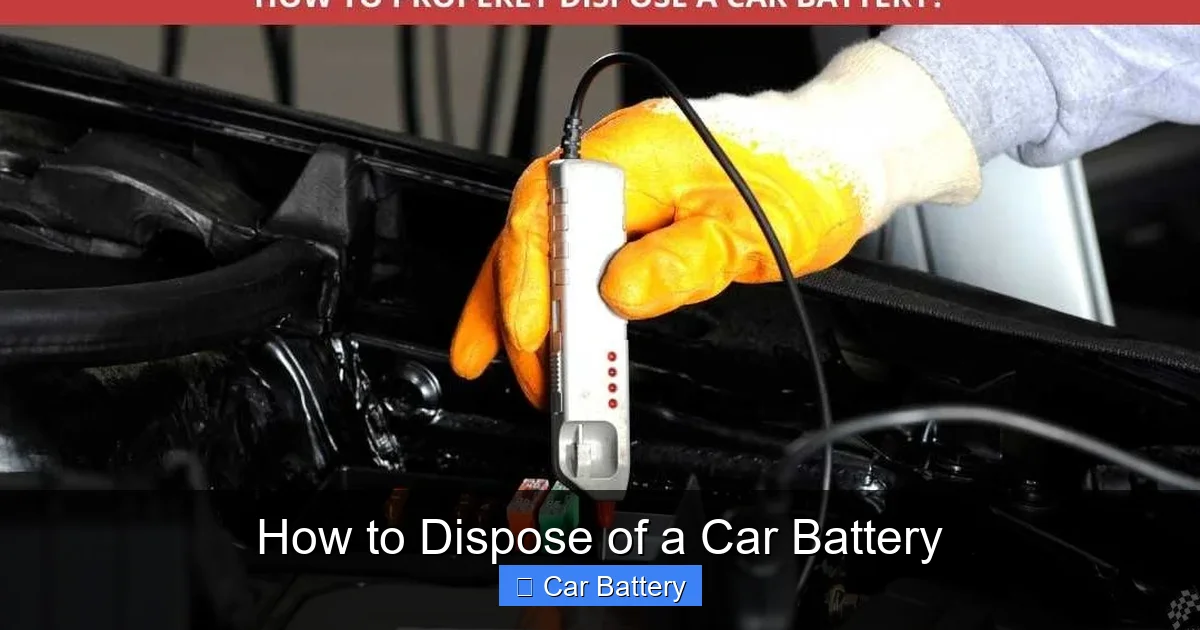
Disposing of a car battery isn’t as simple as tossing it in the trash—it’s a hazardous material that requires careful handling. This guide walks you through safe, legal, and environmentally responsible ways to recycle or dispose of your old car battery, from understanding its components to finding certified recycling centers near you.
In This Article
- 1 Key Takeaways
- 2 📑 Table of Contents
- 3 Why Proper Car Battery Disposal Matters
- 4 What’s Inside a Car Battery?
- 5 How to Safely Handle a Used Car Battery
- 6 Where to Dispose of a Car Battery
- 7 How Car Batteries Are Recycled
- 8 Common Mistakes to Avoid When Disposing of a Car Battery
- 9 Conclusion
- 10 Frequently Asked Questions
Key Takeaways
- Never throw car batteries in the trash: They contain toxic lead and sulfuric acid, which can harm people and pollute the environment if not handled properly.
- Recycling is the best option: Over 95% of a car battery can be recycled, including lead, plastic, and acid, making it one of the most recycled consumer products.
- Auto shops often take old batteries: Most mechanics and auto parts stores will accept used car batteries for free or offer a small credit toward a new purchase.
- Wear protective gear when handling: Always use gloves, goggles, and work in a well-ventilated area to avoid contact with corrosive materials.
- Check local regulations: Disposal rules vary by state and municipality, so always verify local laws before transporting or dropping off a battery.
- Transport safely: Place the battery in a sturdy, leak-proof container and secure it upright during transport to prevent spills.
- Look for certified recyclers: Use EPA or state-approved facilities to ensure your battery is processed responsibly and sustainably.
📑 Table of Contents
Why Proper Car Battery Disposal Matters
Car batteries might seem like just another piece of car junk, but they’re actually packed with dangerous materials that can wreak havoc on the environment and human health if mishandled. Unlike a worn-out tire or an old air filter, a car battery contains lead, lead dioxide, and sulfuric acid—all classified as hazardous waste. When these components leak into soil or water, they can contaminate drinking water, harm wildlife, and even enter the food chain.
You might be thinking, “It’s just one battery—how bad can it really be?” But consider this: the average car battery contains about 18 pounds of lead and up to 2 gallons of sulfuric acid. Multiply that by the millions of vehicles on the road, and you’ve got a serious environmental issue if those batteries aren’t disposed of correctly. In fact, lead-acid batteries are the number one source of lead pollution in the United States if not recycled properly.
The good news? Car batteries are incredibly recyclable. According to the Environmental Protection Agency (EPA), over 99% of lead-acid batteries in the U.S. are recycled—making them one of the most successfully recycled consumer products out there. That means your old battery can be broken down, cleaned, and turned into new batteries, reducing the need for mining raw materials and cutting down on pollution.
But recycling only works if people actually do it the right way. Throwing a car battery in the regular trash isn’t just irresponsible—it’s illegal in most states. Landfills aren’t equipped to handle the toxic chemicals inside, and over time, the battery casing can crack, leaking acid and lead into the ground. That’s why knowing how to dispose of a car battery safely isn’t just a good idea—it’s a responsibility we all share.
What’s Inside a Car Battery?
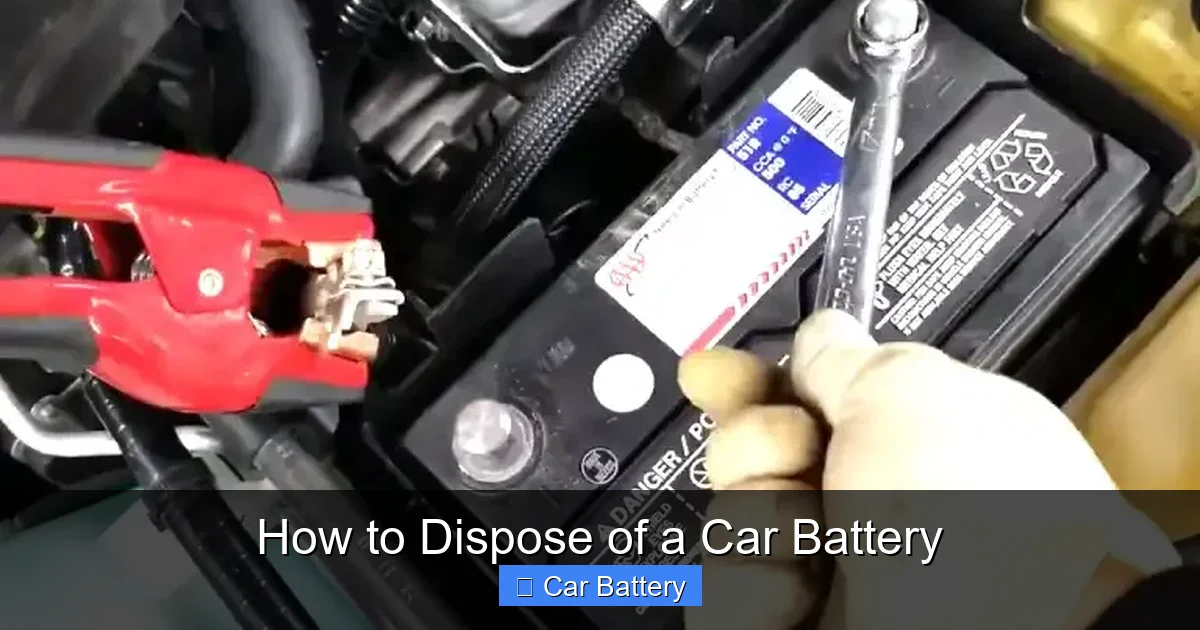
Visual guide about How to Dispose of a Car Battery
Image source: brightstarscrapmetal.com.au
Before we dive into disposal methods, it helps to understand what makes a car battery so dangerous—and so valuable for recycling. Most car batteries are lead-acid batteries, which have been the standard for over a century. They’re reliable, rechargeable, and powerful enough to start your engine, but their internal chemistry is anything but simple.
At the heart of every car battery are lead plates submerged in a solution of sulfuric acid and water, known as electrolyte. When the battery discharges (like when you start your car), a chemical reaction between the lead and acid produces electricity. When you recharge the battery (via your car’s alternator), the reaction reverses, restoring the battery’s charge.
Here’s a quick breakdown of the main components:
- Lead plates: These make up about 60–70% of the battery’s weight. Lead is highly toxic but also extremely recyclable.
- Sulfuric acid: This corrosive liquid can cause severe burns and damage to skin, eyes, and clothing. It’s also harmful to plants and aquatic life.
- Polypropylene casing: The hard plastic shell that holds everything together. This plastic can be melted down and reused in new batteries or other products.
- Separator material: Thin sheets between the lead plates that prevent short circuits. Usually made of porous plastic or fiberglass.
Because of these materials, car batteries are classified as hazardous waste under federal and state regulations. That means you can’t just toss them in the trash or leave them curbside for pickup. Even if the battery is dead or “empty,” it still contains dangerous substances that need special handling.
Why Can’t You Just Throw It Away?
You might be wondering why a simple battery can’t go in the regular garbage. After all, it’s not like it’s radioactive or explosive, right? Well, not exactly—but it’s still a major environmental hazard.
When a car battery ends up in a landfill, the plastic casing can degrade over time, especially when exposed to heat, pressure, and moisture. Once the casing cracks, the sulfuric acid can leak out, contaminating the soil and potentially reaching groundwater. Lead, which doesn’t break down naturally, can also leach into the environment, where it accumulates in plants, animals, and eventually humans.
Lead exposure is especially dangerous for children, as it can cause developmental delays, learning difficulties, and behavioral problems. In adults, it’s linked to high blood pressure, kidney damage, and reproductive issues. Even small amounts can be harmful over time.
Beyond health risks, improper disposal wastes valuable resources. Lead mining is energy-intensive and environmentally destructive. Recycling lead from old batteries uses up to 85% less energy than producing new lead from ore. By recycling your car battery, you’re not just protecting the planet—you’re helping conserve natural resources and reduce industrial pollution.
How to Safely Handle a Used Car Battery
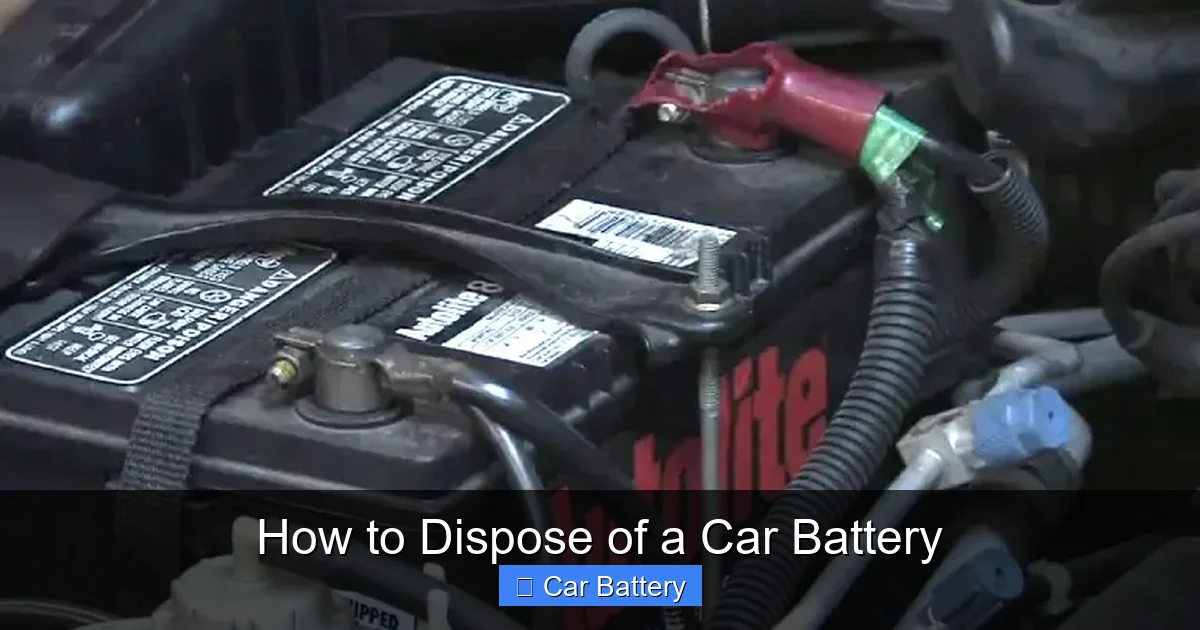
Visual guide about How to Dispose of a Car Battery
Image source: brightstarscrapmetal.com.au
Before you even think about transporting or disposing of your old car battery, you need to handle it with care. These aren’t like AA batteries you can toss in a drawer—car batteries are heavy, corrosive, and potentially dangerous if mishandled.
Wear the Right Protective Gear
Always protect yourself before touching a car battery. Even if it’s “dead,” it can still contain residual acid and lead dust. Here’s what you should wear:
- Rubber or nitrile gloves: These protect your hands from acid burns and lead exposure. Avoid cloth gloves—they can absorb chemicals.
- Safety goggles: Acid can splash during removal or transport, so eye protection is a must.
- Long sleeves and pants: Cover as much skin as possible to prevent accidental contact.
- Closed-toe shoes: Preferably with non-slip soles, in case of spills.
If you don’t have gloves or goggles on hand, consider asking a mechanic or auto parts store if they can help with removal. Many will do it for free or a small fee, especially if you’re buying a new battery from them.
Remove the Battery Safely
If you’re replacing the battery yourself, follow these steps to avoid spills or injury:
- Turn off the engine and remove the keys. This prevents accidental short circuits.
- Disconnect the negative terminal first. Use a wrench to loosen the clamp, then gently wiggle it off. Always remove the negative (black) cable before the positive (red) to reduce the risk of sparks.
- Disconnect the positive terminal. Once the negative is off, remove the positive cable.
- Remove any brackets or hold-downs. Most batteries are secured with a metal clamp or plastic bracket. Use the appropriate tool to loosen and remove it.
- Lift the battery straight out. Car batteries can weigh 30–50 pounds, so use your legs—not your back—to lift. If it’s too heavy, ask for help or use a battery carrier strap.
Never tip the battery on its side or shake it. Even a small amount of acid spill can damage your car’s paint, carpet, or clothing.
Store and Transport Properly
Once the battery is out, you need to store and transport it safely until you can drop it off for recycling.
- Place it in a sturdy, leak-proof container. A plastic battery tote or a sealed bucket works well. Avoid cardboard or paper bags—they can tear and leak.
- Keep it upright. This prevents acid from spilling out of the vent caps.
- Store in a cool, dry place. Avoid direct sunlight, heat sources, or freezing temperatures. Extreme temps can damage the casing or cause pressure buildup.
- Secure it during transport. Use a non-conductive strap or bungee cord to keep the battery from shifting in your vehicle. Never place it loosely in the trunk or back seat.
Never leave a used battery in your car, garage, or basement for long periods. The longer it sits, the greater the risk of leaks or corrosion.
Where to Dispose of a Car Battery
Visual guide about How to Dispose of a Car Battery
Image source: bateriku.com
Now that your battery is safely removed and stored, it’s time to figure out where to take it. The good news? You have several convenient and eco-friendly options.
Auto Parts Stores and Retailers
One of the easiest ways to dispose of a car battery is to take it to an auto parts store. Most major retailers—like AutoZone, O’Reilly Auto Parts, Advance Auto Parts, and NAPA—offer free battery recycling. In fact, many will even give you a small credit (usually $5–$15) toward the purchase of a new battery if you bring in your old one.
These stores partner with certified recycling facilities to ensure batteries are processed safely. They’ll handle the transportation and recycling for you, so you don’t have to worry about the logistics.
To find a location near you, simply visit the store’s website and use their store locator. Most will list battery recycling as a service. Some even offer curbside pickup or mail-in programs for added convenience.
Auto Repair Shops and Mechanics
If you had your battery replaced by a mechanic, there’s a good chance they’ll take the old one off your hands. Most repair shops are required by law to recycle used batteries and have established relationships with recycling companies.
Even if you didn’t have the work done there, many shops will still accept old batteries—especially if you’re a customer or plan to return for future service. It’s always worth calling ahead to ask.
Municipal Hazardous Waste Facilities
If you can’t find a retailer or mechanic that accepts batteries, your local government likely has a household hazardous waste (HHW) collection program. These facilities are designed to safely handle dangerous materials like paint, motor oil, pesticides, and car batteries.
To find a HHW facility near you, search online for “household hazardous waste near me” or check your city or county’s official website. Many offer drop-off events throughout the year or permanent collection sites.
Be aware that some HHW programs may charge a small fee for battery disposal, especially for large quantities. But for a single car battery, it’s usually free.
Metal Recycling Centers
Because car batteries contain a lot of lead, some scrap metal yards will accept them for recycling. These facilities specialize in processing metals and can extract the lead and plastic for reuse.
However, not all scrap yards handle batteries, and some may charge a fee due to the hazardous materials involved. Always call ahead to confirm they accept car batteries and ask about any requirements (like draining the acid first—though this is rarely recommended for safety reasons).
Mail-Back and Take-Back Programs
Some companies offer mail-in recycling programs for car batteries. These are less common but can be useful if you live in a rural area with limited local options.
For example, Call2Recycle (a nonprofit organization) partners with retailers and communities to provide battery recycling solutions. While they primarily focus on smaller batteries (like those in phones or power tools), they may have resources or referrals for car battery disposal.
Always verify that the program is certified and follows EPA guidelines before sending your battery through the mail.
How Car Batteries Are Recycled
You’ve dropped off your old battery—now what happens to it? The recycling process for car batteries is highly efficient and environmentally sound, turning waste into valuable raw materials.
The Recycling Process Step by Step
Once collected, car batteries are transported to a certified recycling facility. Here’s how they’re processed:
- Breaking: The batteries are fed into a machine called a hammer mill, which shreds them into small pieces. This separates the plastic, lead, and acid components.
- Separation: The shredded material is placed in a tank of water. The plastic floats to the top, while the lead and lead oxide sink to the bottom. The acid is neutralized and treated to become safe water, which is then filtered and reused or safely discharged.
- Plastic recycling: The polypropylene plastic is cleaned, melted, and pelletized. These pellets are used to make new battery cases, reducing the need for virgin plastic.
- Lead smelting: The lead plates and paste are melted in a furnace to remove impurities. The purified lead is then cast into ingots and sold to battery manufacturers to make new batteries.
- Acid treatment: The sulfuric acid is either neutralized with lime to create gypsum (used in drywall) or converted into sodium sulfate, a chemical used in detergents and textiles.
This closed-loop system means that nearly every part of the battery is reused, minimizing waste and environmental impact.
Environmental and Economic Benefits
Recycling car batteries isn’t just good for the planet—it’s also smart economics. Producing new lead from recycled batteries uses 60–85% less energy than mining and refining raw lead. It also reduces air and water pollution associated with mining operations.
According to the Battery Council International, the U.S. recycles more than 1.7 million tons of lead annually from spent batteries. That’s enough lead to build over 30,000 new batteries every day—without digging up a single ounce of ore.
By choosing to recycle your car battery, you’re supporting a sustainable industry that protects natural resources, reduces greenhouse gas emissions, and keeps toxic materials out of landfills.
Common Mistakes to Avoid When Disposing of a Car Battery
Even with the best intentions, it’s easy to make mistakes when disposing of a car battery. Here are some common pitfalls and how to avoid them.
Throwing It in the Trash
This is the biggest no-no. Despite what some people think, car batteries are not regular household waste. Putting one in the trash can result in fines, environmental damage, and harm to sanitation workers who may be exposed to acid or lead.
Always recycle—never trash.
Draining the Acid Yourself
Some people try to “neutralize” the acid by pouring it down the drain or mixing it with baking soda. This is extremely dangerous and illegal. Sulfuric acid can corrode pipes, harm septic systems, and contaminate water supplies.
Only certified facilities should handle acid neutralization. Leave it to the professionals.
Storing It Indoors for Too Long
While it’s okay to store a used battery for a few days, don’t let it sit in your garage or basement for weeks. Over time, the casing can degrade, and residual charge can cause swelling or leaks.
Aim to recycle your battery within a week of removal.
Transporting It Loosely
A loose battery can tip over, spill acid, or short-circuit if the terminals touch metal. Always secure it upright in a leak-proof container during transport.
Ignoring Local Laws
Disposal regulations vary by state and municipality. Some areas require batteries to be taken to specific facilities, while others ban them from landfills entirely. Always check local rules before disposing.
Conclusion
Disposing of a car battery responsibly isn’t just about following the rules—it’s about protecting your health, your community, and the planet. These seemingly ordinary devices contain powerful chemicals that can cause serious harm if mishandled, but they also hold incredible potential for reuse when recycled properly.
By understanding what’s inside a car battery, handling it safely, and choosing the right disposal method, you’re doing your part to support a cleaner, more sustainable future. Whether you drop it off at an auto parts store, take it to a recycling center, or let your mechanic handle it, every recycled battery makes a difference.
So the next time your car battery dies, don’t just think about replacing it—think about what happens to the old one. With a little effort and awareness, you can ensure it’s given a second life instead of becoming a toxic burden. Remember: when it comes to how to dispose of a car battery, recycling isn’t just the best option—it’s the only responsible one.
Frequently Asked Questions
Can I throw a car battery in the trash?
No, you should never throw a car battery in the trash. It contains hazardous materials like lead and sulfuric acid, which are illegal to dispose of in regular landfills in most states and can harm the environment.
How much does it cost to recycle a car battery?
Most auto parts stores and recycling centers accept used car batteries for free. Some may even offer a small credit toward a new battery purchase, making recycling both eco-friendly and economical.
Can I recycle a car battery at home?
No, car batteries should not be recycled at home. They require specialized equipment and processes to safely extract lead, plastic, and acid. Always take them to a certified recycling facility.
What happens if I break a car battery?
If a car battery cracks or leaks, avoid contact with the acid. Wear gloves and goggles, ventilate the area, and carefully place the battery in a sealed container. Take it to a hazardous waste facility immediately.
How long can I store a used car battery?
You can safely store a used car battery for up to a week in a cool, dry place. Avoid long-term storage, as the casing may degrade and lead to leaks or corrosion.
Are all car batteries recyclable?
Yes, nearly all lead-acid car batteries are recyclable. Over 99% of their components—including lead, plastic, and acid—can be recovered and reused in new products.