How to Deflate Bike Tire
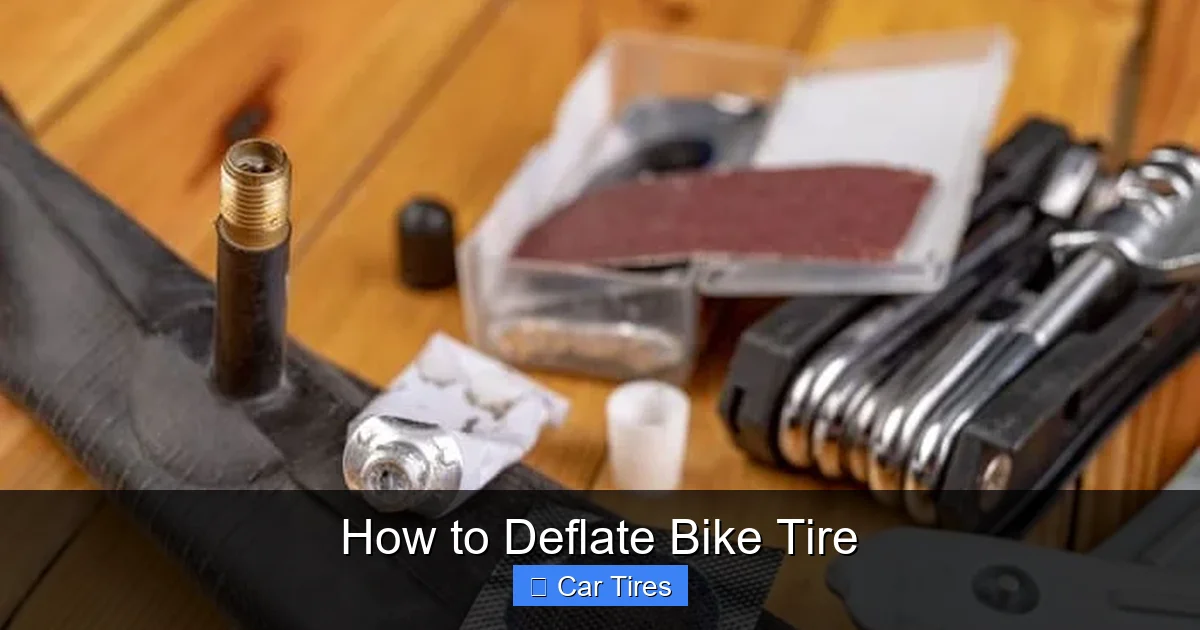
Deflating a bike tire might seem simple, but doing it correctly ensures safety and prevents damage. Whether you’re preparing for transport, storage, or maintenance, knowing the right technique saves time and protects your wheels.
In This Article
- 1 Key Takeaways
- 2 📑 Table of Contents
- 3 Why You Might Need to Deflate a Bike Tire
- 4 Understanding Bike Tire Valves: Schrader vs. Presta
- 5 Step-by-Step Guide: How to Deflate Bike Tire Safely
- 6 Common Mistakes to Avoid When Deflating Bike Tires
- 7 Tools and Accessories That Make Deflation Easier
- 8 When to Deflate vs. When to Leave It Inflated
- 9 Conclusion: Master the Basics for Better Bike Care
- 10 Frequently Asked Questions
- 10.1 How do I know if my bike tire is fully deflated?
- 10.2 Can I deflate a bike tire without tools?
- 10.3 Is it safe to fully deflate a bike tire?
- 10.4 Do I need to deflate tires when flying with my bike?
- 10.5 What happens if I don’t deflate my bike tire before storage?
- 10.6 Can I reuse a deflated inner tube?
Key Takeaways
- Know your valve type: Schrader and Presta valves require different deflation methods—identify yours first.
- Use proper tools: A tire lever or valve core tool makes deflating faster and safer.
- Deflate gradually: Release air slowly to avoid sudden pressure changes that can damage the tire or rim.
- Check tire condition: Inspect for cuts, punctures, or wear while the tire is flat.
- Store properly after deflating: Keep tires away from direct sunlight and sharp objects to maintain longevity.
- Reinflate correctly: Use a reliable pump and check recommended PSI before riding again.
- Safety first: Always wear eye protection and work in a stable environment to avoid accidents.
📑 Table of Contents
- Why You Might Need to Deflate a Bike Tire
- Understanding Bike Tire Valves: Schrader vs. Presta
- Step-by-Step Guide: How to Deflate Bike Tire Safely
- Common Mistakes to Avoid When Deflating Bike Tires
- Tools and Accessories That Make Deflation Easier
- When to Deflate vs. When to Leave It Inflated
- Conclusion: Master the Basics for Better Bike Care
Why You Might Need to Deflate a Bike Tire
At first glance, deflating a bike tire might seem like an odd task—after all, we usually focus on pumping them up, not letting the air out. But there are several practical reasons why you might need to know how to deflate bike tire properly. Whether you’re packing your bike for travel, storing it for the winter, or performing routine maintenance, removing air from the tire is often a necessary step.
For instance, if you’re flying with your bike, airlines typically require that tires be partially deflated to prevent pressure changes at high altitudes from causing blowouts in the cargo hold. Similarly, if you’re storing your bike for an extended period, slightly reducing tire pressure can help prevent flat spots on the rubber, especially if the bike will be stationary for weeks or months. Even during repairs—like fixing a puncture or replacing an inner tube—deflating the tire completely is the first step.
Understanding when and why to deflate a tire helps you maintain your bike more effectively. It also prevents unnecessary wear and tear. Overinflated tires left unused can degrade faster, and fully inflated tires packed tightly in a bike bag can strain the rims. So, while it may seem counterintuitive, knowing how to deflate bike tire safely is a valuable skill for any cyclist.
Understanding Bike Tire Valves: Schrader vs. Presta
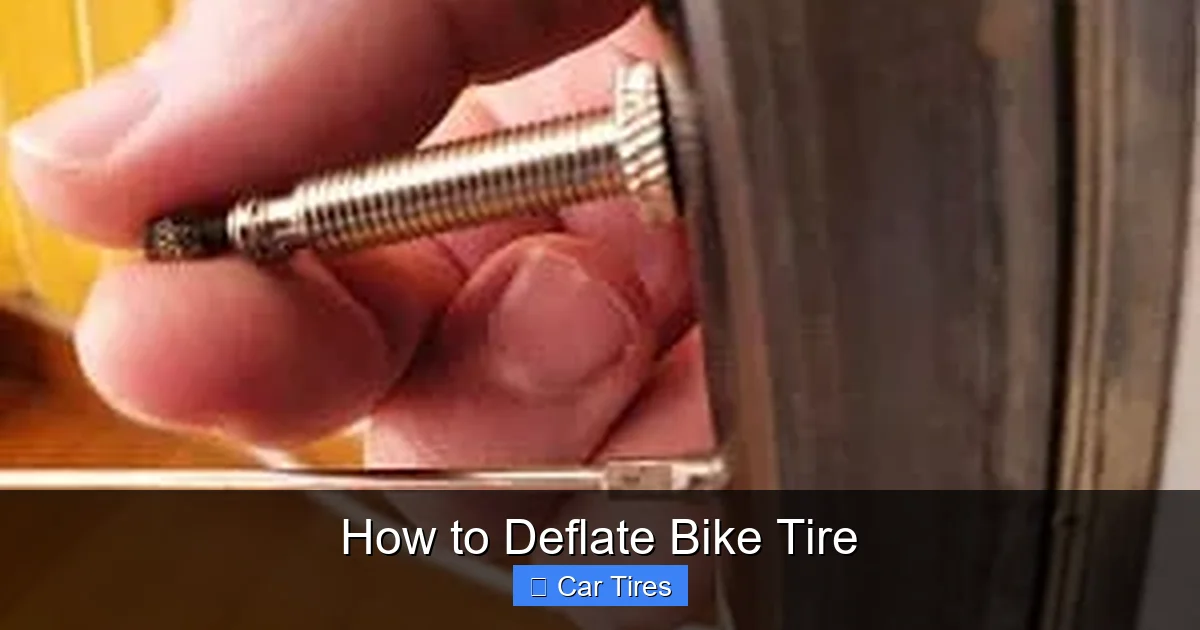
Before you even think about letting air out, you need to know what kind of valve your bike tire has. The two most common types are Schrader and Presta valves, and they look and function quite differently. Identifying your valve type is crucial because the deflation method varies between them.
Visual guide about How to Deflate Bike Tire
Image source: biketoworkday.us
Schrader Valve: The Familiar One
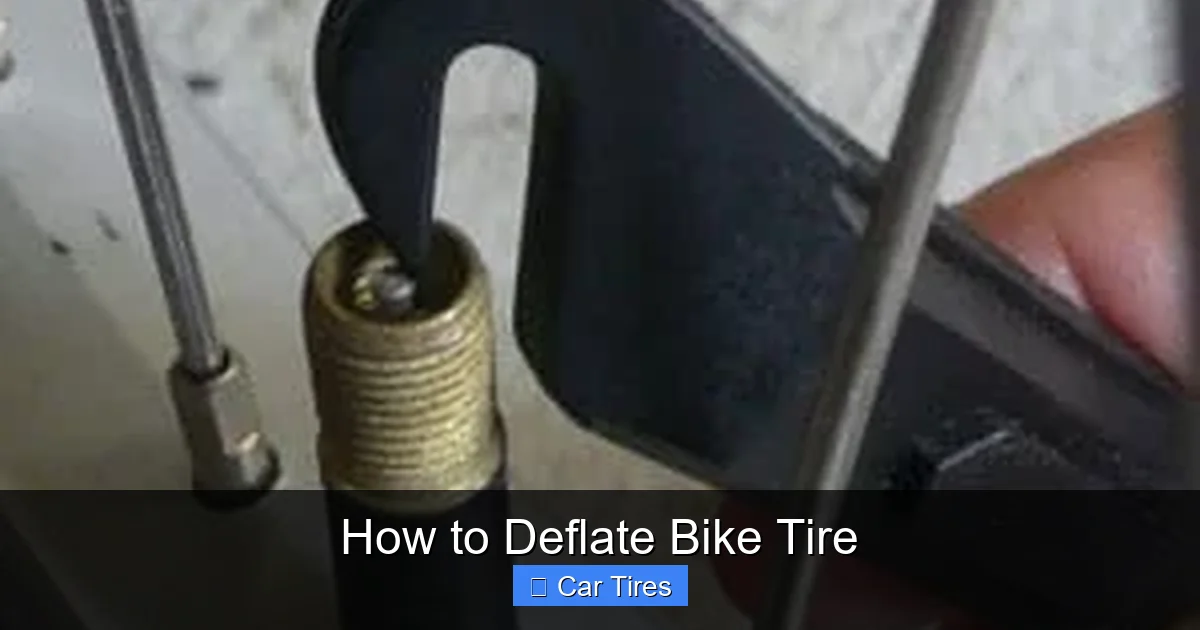
The Schrader valve is the same type used on car tires and is commonly found on hybrid, mountain, and budget road bikes. It’s a sturdy, threaded valve with a spring-loaded pin in the center. When you press down on the pin, air escapes. This design makes it easy to deflate—just press the pin with a small tool, your fingernail, or even a key.
One advantage of the Schrader valve is its durability and ease of use. You don’t need any special tools to deflate it, and it’s less prone to damage during handling. However, because it’s bulkier, it’s not typically used on high-performance road bikes where weight and aerodynamics matter.
Presta Valve: The Slim and Sleek Option
The Presta valve is thinner and longer, often seen on road bikes and high-end models. It has a threaded tip with a small nut at the top. To deflate a Presta valve, you must first unscrew the nut at the top (usually by hand or with pliers), then press down on the valve stem to release air.
Presta valves are lighter and allow for higher pressure, which is why they’re preferred for racing and performance cycling. However, they require a bit more finesse to deflate. If you don’t unscrew the nut first, pressing the stem won’t release any air. This extra step can confuse beginners, but once you get the hang of it, it’s straightforward.
Bonus: Dunlop Valve (Less Common)
Though rare in the U.S., the Dunlop valve is still used in some European and vintage bikes. It resembles a Presta valve but has a wider base and requires a special adapter for most pumps. Deflating it is similar to a Schrader—press the inner pin—but you may need to remove a cap first. If you have a Dunlop valve, check your bike’s manual or consult a local shop for guidance.
Knowing your valve type not only helps you deflate the tire correctly but also ensures you use the right pump and accessories. Misidentifying the valve can lead to frustration or even damage, so take a moment to inspect your tires before starting.
Step-by-Step Guide: How to Deflate Bike Tire Safely
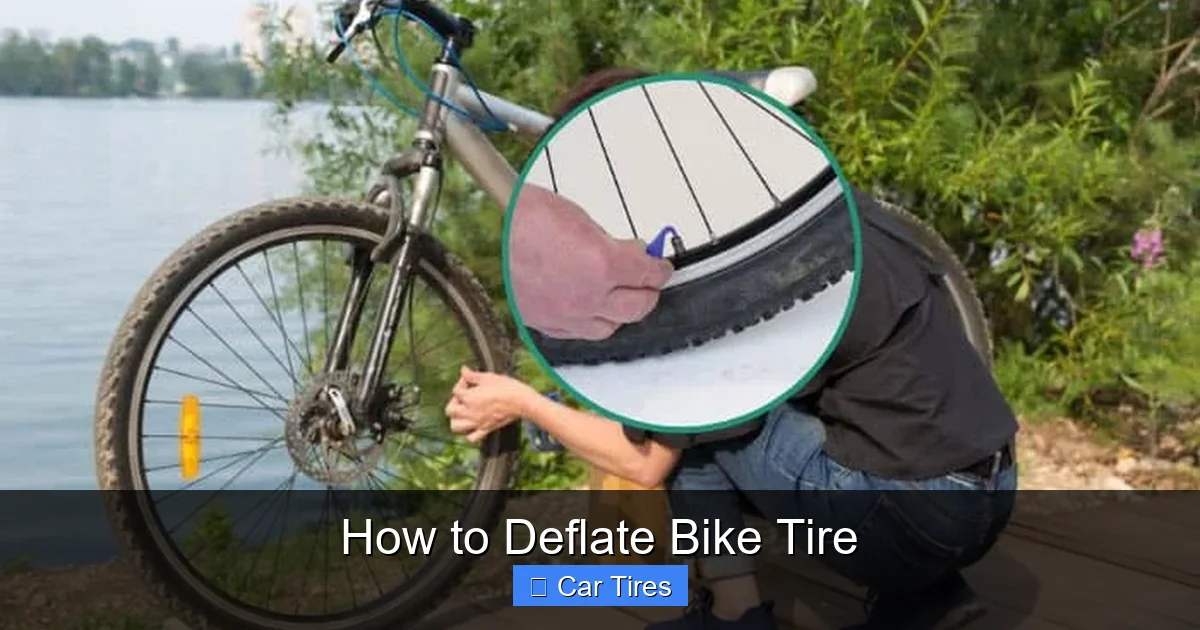
Now that you know your valve type, it’s time to get hands-on. Deflating a bike tire is simple, but doing it the right way prevents accidents and protects your equipment. Follow these steps carefully, and you’ll have a flat tire in no time—safely and efficiently.
Visual guide about How to Deflate Bike Tire
Image source: biketoworkday.us
Step 1: Prepare Your Workspace
Start by finding a clean, flat surface to work on. Lay down a towel or mat to protect your bike and the ground. Make sure the bike is stable—either on a repair stand or leaning against a wall. If you’re working on the front tire, turn the handlebars to the side to avoid interference. For the rear tire, shift into the smallest rear cog to loosen the chain and make removal easier if needed.
Gather your tools: a tire lever, valve core tool (optional), and a rag. While you can deflate most tires without tools, having them on hand makes the process smoother. Also, wear safety glasses—especially if the tire is overinflated. A sudden burst of air can send debris flying.
Step 2: Remove the Valve Cap
Unscrew the plastic cap from the valve stem. Keep it in a safe place—these small caps are easy to lose and important for keeping dirt and moisture out of the valve. If you have a Presta valve, check that the nut at the top is loose. If it’s tightened, unscrew it counterclockwise until it’s free. This step is essential—without it, you won’t be able to release air.
Step 3: Press the Valve to Release Air
For a Schrader valve, press down on the center pin with a tire lever, screwdriver, or even your fingernail. You’ll hear a hissing sound as air escapes. Hold it down until the tire is fully deflated. For a Presta valve, after loosening the nut, press down on the stem. Air will begin to flow out immediately. You may need to wiggle the stem slightly to ensure a full release.
Tip: If the tire is very tight, you can press the valve while gently squeezing the tire with your hands. This helps release air faster and more evenly. Avoid using excessive force—gentle pressure is all you need.
Step 4: Check for Complete Deflation
Once the hissing stops, press on the tire to confirm it’s flat. It should feel soft and pliable. If there’s still resistance, repeat the process. Sometimes air gets trapped, especially in high-pressure tires. For Presta valves, double-check that the nut is fully unscrewed.
If you’re preparing the bike for travel, you don’t always need to remove all the air. Airlines usually recommend reducing pressure to about 50–70% of the maximum PSI. This prevents overexpansion during flight but still keeps the tire somewhat protected. Use a pressure gauge to check if needed.
Step 5: Store or Transport Safely
Once deflated, store the tire properly. If you’re removing it from the bike, place it in a protective sleeve or wrap it in a cloth to prevent cuts or punctures. Avoid stacking heavy objects on top of it. If the bike will be stored, keep it in a cool, dry place away from direct sunlight, which can degrade rubber over time.
Remember: a fully deflated tire is more vulnerable to damage. If you’re storing the bike upright, consider slightly reinflating the tires to prevent flat spots. Just add a few PSI—enough to support the weight without stretching the rubber.
Common Mistakes to Avoid When Deflating Bike Tires
Even simple tasks can go wrong if you’re not careful. Deflating a bike tire seems straightforward, but there are several common mistakes that can lead to frustration, damage, or even injury. Being aware of these pitfalls will help you avoid them and keep your bike in top condition.
Visual guide about How to Deflate Bike Tire
Image source: biketoworkday.us
Rushing the Process
One of the biggest errors is rushing. People often press the valve and walk away, assuming the tire is flat. But if air remains, you might damage the rim or tire during removal. Always double-check by pressing on the tire. A properly deflated tire should feel soft and flexible.
Forgetting to Loosen the Presta Nut
This is a classic mistake for new riders. If you have a Presta valve and try to press the stem without unscrewing the nut, nothing happens. You might think the valve is broken or clogged. Always remember: unscrew first, then press. It’s a small step, but it makes all the difference.
Using Excessive Force
Some people press the valve stem too hard, especially on high-pressure tires. While it might seem like more force equals faster deflation, it can actually damage the valve or send debris flying. Use gentle, steady pressure. If the air isn’t coming out, check the valve type and ensure it’s properly prepared.
Ignoring Safety Precautions
Overinflated tires can burst when deflated suddenly, especially if they’ve been exposed to heat. Always wear eye protection and stand to the side when releasing air. Never point the valve at your face or others. Safety should always come first.
Not Inspecting the Tire After Deflation
Deflating a tire is a great opportunity to inspect it for damage. Look for cuts, embedded glass, worn tread, or bulges. Catching these issues early can prevent flats or blowouts on the road. Take a few minutes to examine both the inner and outer surfaces.
Storing Tires Improperly
After deflation, some people toss the tire in a corner or leave it exposed to the elements. Rubber degrades when exposed to UV light, oil, or extreme temperatures. Store tires in a cool, dry place, preferably in a bag or container. If storing long-term, consider adding a light coat of tire protectant.
Tools and Accessories That Make Deflation Easier
While you can deflate most bike tires with just your hands, having the right tools makes the job faster, safer, and more precise. Here are some essential accessories that every cyclist should consider.
Tire Levers
These plastic or metal tools are primarily used for removing tires, but they’re also great for pressing Schrader valve pins. Their flat, sturdy design gives you better leverage than a fingernail. Keep a set in your saddlebag for emergencies.
Valve Core Tool
This small, inexpensive tool is a game-changer for Presta and Schrader valves. It allows you to remove the valve core entirely, which speeds up deflation significantly. Simply unscrew the core, and air rushes out in seconds. Reinstall it when you’re ready to reinflate. Valve core tools are especially useful for travel or quick repairs.
Pressure Gauge
If you’re deflating for travel or storage, a pressure gauge helps you achieve the right level. Over-deflating can damage the tire, while under-deflating might not meet airline requirements. A digital gauge is more accurate, but analog ones work fine too.
Portable Pump with Deflate Function
Some high-end bike pumps come with a deflate button or lever. This lets you release air slowly and precisely, which is ideal for fine-tuning pressure. While not essential, it’s a nice feature for serious cyclists.
Valve Caps and Dust Covers
After deflation, always replace the valve cap. It keeps dirt and moisture out, which can clog the valve or cause corrosion. For Presta valves, consider using locking caps that prevent accidental unscrewing.
Investing in a few key tools not only makes deflation easier but also improves your overall bike maintenance routine. They’re inexpensive, take up little space, and can save you time and hassle in the long run.
When to Deflate vs. When to Leave It Inflated
Not every situation calls for a fully deflated tire. Knowing when to remove air—and when to leave it in—can help you maintain your bike more effectively and avoid unnecessary work.
Deflate for Travel
If you’re flying with your bike, deflate the tires to about 50–70% of max PSI. This prevents pressure buildup in the cargo hold. However, don’t remove all the air—some pressure helps protect the rim and tire structure during transport.
Deflate for Long-Term Storage
For bikes stored for months, slightly reduce pressure to prevent flat spots. But don’t go completely flat. A little air keeps the tire shape and reduces stress on the rubber. Check the tires every few weeks and top them up if needed.
Leave Inflated for Short Breaks
If you’re just parking your bike for a few hours or overnight, there’s no need to deflate. Modern tires are designed to hold pressure for days. In fact, deflating and reinflating frequently can wear out the valve over time.
Deflate for Repairs
Any time you need to remove the tire—for a flat, tube replacement, or brake adjustment—full deflation is necessary. This gives you room to work and prevents damage to the rim or tire beads.
Use your judgment. If in doubt, consult your bike’s manual or ask a local mechanic. The goal is to balance protection, convenience, and tire longevity.
Conclusion: Master the Basics for Better Bike Care
Learning how to deflate bike tire is more than just a handy trick—it’s a fundamental part of bike maintenance. Whether you’re preparing for a trip, storing your bike, or fixing a flat, knowing the right technique saves time, prevents damage, and keeps you safe.
Start by identifying your valve type, use the proper tools, and always deflate gradually. Avoid common mistakes like rushing or forgetting to loosen the Presta nut. And remember: safety comes first. Wear eye protection, work in a stable environment, and inspect your tires after deflation.
With these tips, you’ll handle tire deflation like a pro. Your bike will thank you with smoother rides, fewer flats, and longer-lasting components. So the next time you need to let the air out, you’ll do it with confidence—knowing you’re doing it right.
Frequently Asked Questions
How do I know if my bike tire is fully deflated?
Press on the tire with your hand. It should feel soft and pliable, with no resistance. If it still feels firm, repeat the deflation process. You can also listen for hissing sounds to confirm air is escaping.
Can I deflate a bike tire without tools?
Yes, most tires can be deflated by hand. For Schrader valves, press the center pin with your fingernail. For Presta valves, unscrew the nut and press the stem. Tools just make it faster and easier.
Is it safe to fully deflate a bike tire?
Yes, as long as you do it gradually and safely. Avoid sudden pressure releases, especially with overinflated tires. Always wear eye protection and stand to the side when releasing air.
Do I need to deflate tires when flying with my bike?
Most airlines recommend reducing tire pressure to 50–70% of max PSI to prevent blowouts during flight. Fully deflating is not required and may damage the tire or rim.
What happens if I don’t deflate my bike tire before storage?
Leaving tires fully inflated for long periods can cause flat spots or degrade the rubber. Slightly reducing pressure helps maintain tire shape and longevity.
Can I reuse a deflated inner tube?
Yes, if it’s not damaged. After deflating, inspect the tube for punctures, cuts, or wear. Patch small holes or replace it if necessary. Store it in a cool, dry place until reuse.