
How to Cool Your Car Down Faster

On hot days, your car can turn into an oven in minutes. But you don’t have to suffer—there are smart, simple ways to cool your car down faster and more efficiently. From pre-cooling strategies to driving hacks, this guide covers everything you need to stay comfortable and safe when the mercury rises.
Key Takeaways
- Crack your windows before driving: Letting hot air escape reduces interior temperature significantly before you even start the engine.
- Use a windshield sunshade: Reflective sunshades block up to 90% of solar heat, keeping your dashboard and steering wheel cooler.
- Start the AC on recirculation mode: This pulls already-cooled air back into the cabin instead of hot outside air, cooling your car down faster.
- Drive with windows down initially: Letting hot air rush out during the first minute of driving helps expel trapped heat quickly.
- Park in the shade or use a car cover: Preventing heat buildup in the first place is the most effective way to keep your car cool.
- Upgrade to tinted windows: Quality window tint reduces heat gain by blocking infrared and UV rays.
- Maintain your AC system: A well-maintained air conditioner works more efficiently and cools your car faster.
📑 Table of Contents
Why Your Car Heats Up So Quickly
On a sunny day, your car can become dangerously hot in just minutes. Even when outdoor temperatures are in the 70s or 80s, the interior of a parked vehicle can soar past 100°F (38°C) within 30 minutes. This happens because of a process called the greenhouse effect. Sunlight enters through the windows, heats up surfaces like the dashboard, seats, and steering wheel, and then traps that heat inside. The glass windows allow light in but prevent much of the heat from escaping, turning your car into a solar oven.
This isn’t just uncomfortable—it’s unsafe. Prolonged exposure to high temperatures can cause heat exhaustion, dehydration, or even heatstroke, especially for children, pets, or elderly passengers. Plus, hot interiors can damage electronics, warp plastic components, and degrade leather or fabric upholstery over time. That’s why knowing how to cool your car down faster isn’t just a convenience—it’s a necessity for safety, comfort, and vehicle longevity.
The good news? You don’t need expensive gadgets or complicated systems to beat the heat. With a few smart habits and simple tools, you can dramatically reduce how long it takes to get your car feeling cool and comfortable. Whether you’re dealing with a midday errand or a long summer commute, these strategies will help you reclaim your ride from the sweltering heat.
Pre-Cooling Strategies: Beat the Heat Before You Drive
Visual guide about How to Cool Your Car Down Faster
Image source: media-cldnry.s-nbcnews.com
The best way to cool your car down faster is to prevent it from getting hot in the first place. Think of it like pre-chilling a drink—starting with a cooler base makes everything easier. Here are some effective pre-cooling strategies you can use every time you park.
Park in the Shade Whenever Possible
This might seem obvious, but it’s worth repeating: parking in the shade is one of the most effective ways to keep your car cool. Whether it’s under a tree, a parking structure, or the shadow of a building, shaded areas can reduce interior temperatures by 20°F to 40°F compared to direct sunlight. If you’re at home, try to park on the north side of your house or garage, where the sun is less intense throughout the day.
When shade isn’t available, consider using a car cover designed to reflect sunlight. These covers, often made of reflective materials like aluminum foil or Mylar, can significantly reduce heat buildup. Some are even custom-fit for your vehicle and come with storage bags for easy use. While they take a few extra minutes to install, the payoff in comfort is well worth it.
Use a Windshield Sunshade
A high-quality windshield sunshade is one of the simplest and most affordable tools for cooling your car down faster. These reflective covers fit inside the windshield and block sunlight from hitting the dashboard and front seats. Studies show that sunshades can reduce interior temperatures by up to 40°F (22°C) on a hot day.
There are two main types: foldable accordion-style shades and roll-up bubble wrap versions. Accordion shades are sturdy and easy to store, while bubble wrap shades are lighter and more compact. Look for shades with a reflective silver or white surface for maximum heat reflection. Bonus tip: Place the shade with the reflective side facing outward to bounce sunlight away from your car.
Crack the Windows Slightly
Leaving your windows cracked open by about an inch allows hot air to escape and reduces pressure buildup inside the car. This simple trick can lower the interior temperature by 10°F to 15°F. Just be sure to crack all four windows slightly to promote airflow. Avoid opening them too wide, though—this can invite rain, debris, or even theft.
If you’re concerned about security, consider using window vent visors or rain guards. These accessories allow you to keep windows open a bit more while protecting against rain and prying hands. They’re especially useful in urban areas or during summer storms.
Pre-Cool with Remote Start or Smart Features
Many modern vehicles come equipped with remote start systems that let you turn on the engine and air conditioning from a distance. If your car has this feature, use it! Start the engine and AC about 5 to 10 minutes before you plan to drive. This gives the system time to cool the cabin before you get in.
Even better, some cars now offer smartphone apps that let you control the climate remotely. Brands like Ford, GM, Tesla, and Hyundai allow you to pre-cool your car from your phone. Just make sure your vehicle is parked in a safe, well-ventilated area—never remote-start your car in an enclosed space like a garage, as this can lead to carbon monoxide buildup.
Optimizing Your Air Conditioning System
Visual guide about How to Cool Your Car Down Faster
Image source: carscoops.com
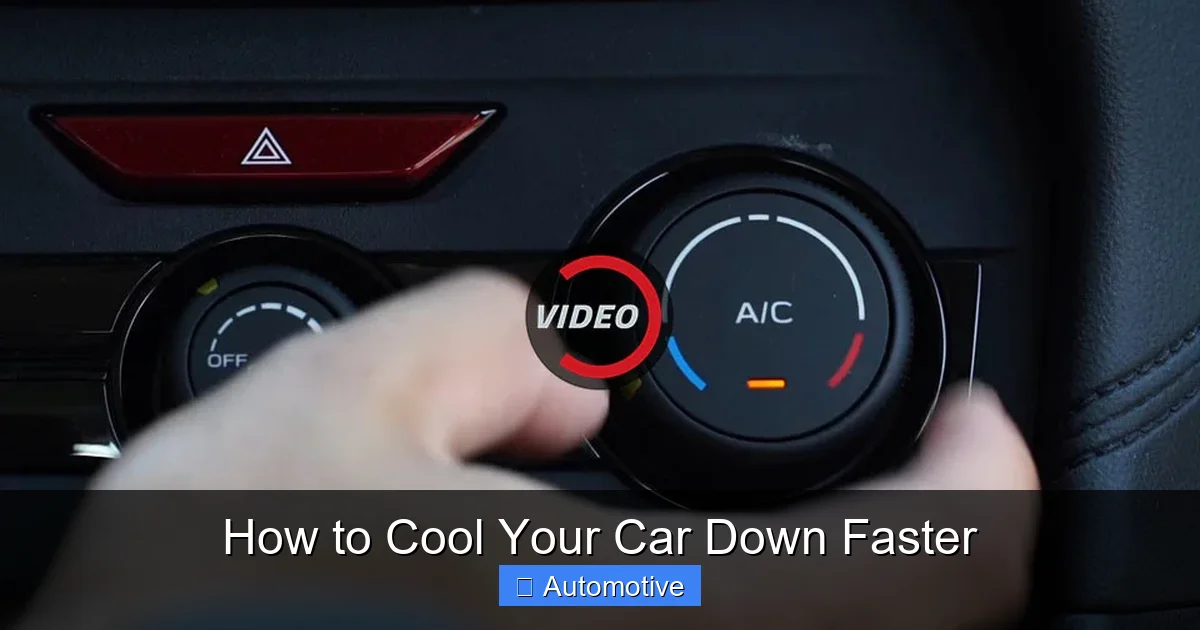
Once you’re ready to drive, your air conditioning system becomes your best friend. But using it correctly can make a huge difference in how quickly your car cools down. Many drivers make common mistakes that slow down the cooling process or strain the AC system.
Start with Recirculation Mode
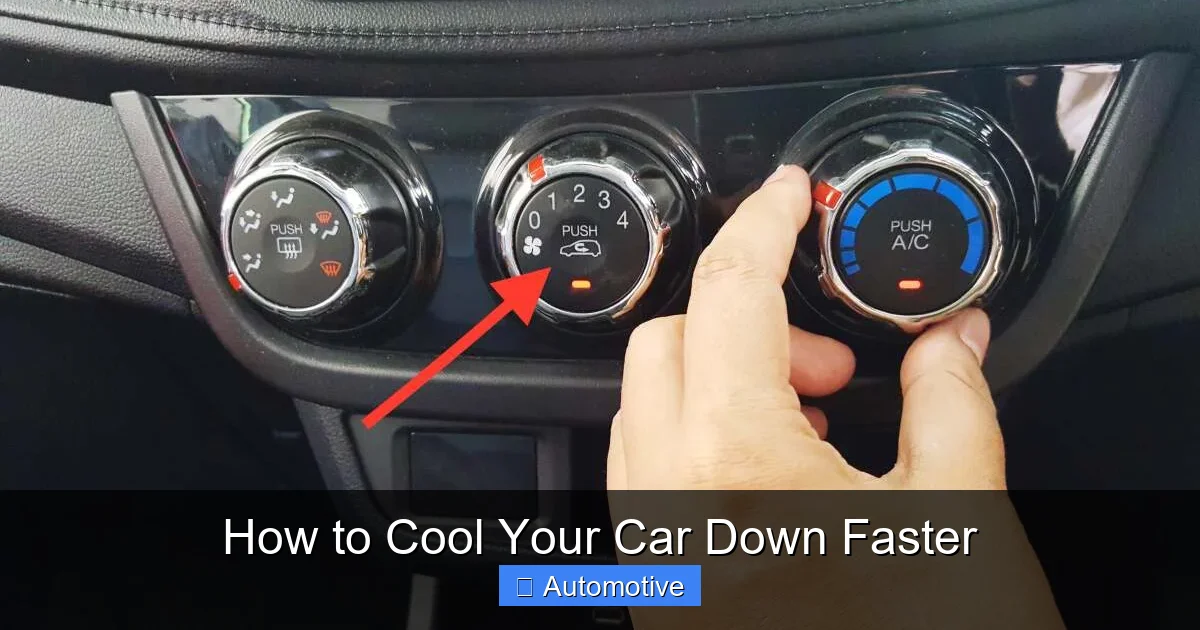
When you first get into a hot car, always set your AC to recirculation mode (usually marked with a car icon and an arrow looping inside). This setting pulls air from inside the cabin and re-cools it, rather than drawing in hot outside air. Since the air inside is already somewhat cooled by the AC, recirculating it allows the system to work more efficiently and cool the car down faster.
Only switch back to fresh air mode once the cabin has reached a comfortable temperature. Fresh air mode is better for long drives because it brings in oxygen and reduces cabin humidity, but it’s slower at cooling a hot interior.
Set the Temperature to the Coldest Setting Initially
Don’t be shy—turn the AC to the coldest setting and the fan to high when you first start driving. This maximizes cooling power and helps lower the temperature quickly. Once the car feels cool, you can adjust the temperature and fan speed to a more comfortable level.
Avoid the temptation to set the AC to a moderate temperature right away. The system works hardest at the beginning, so giving it full power helps it reach the desired temperature faster.
Direct Airflow to Key Areas
Most cars allow you to control where the air flows—face, feet, or windshield. In hot weather, aim the vents toward your face and upper body. This provides immediate relief and helps cool you down faster. You can also use the foot vents to circulate air throughout the cabin.
If your car has rear vents or a rear AC unit, make sure they’re open and adjusted properly. Passengers in the back often feel the heat more intensely, so balancing airflow ensures everyone stays comfortable.
Maintain Your AC System Regularly
A well-maintained air conditioner cools your car down faster and uses less fuel. Over time, AC systems can lose refrigerant, develop leaks, or accumulate dirt in the condenser and evaporator. This reduces efficiency and cooling power.
Have your AC system inspected annually, especially before summer. A professional can check refrigerant levels, clean components, and ensure the compressor is working properly. Replacing a cabin air filter—typically every 12,000 to 15,000 miles—also improves airflow and cooling performance.
Driving Techniques to Cool Your Car Faster
Visual guide about How to Cool Your Car Down Faster
Image source: lifehacker.com
How you drive in the first few minutes can significantly impact how quickly your car cools down. These driving techniques help expel hot air and speed up the cooling process.
Drive with Windows Down for the First Minute
When you first start driving, keep all windows down for about 60 seconds. This allows hot air trapped inside the cabin to rush out as the car moves. The faster you drive, the more effective this becomes—airflow increases with speed.
After the first minute, roll up the windows and turn on the AC. At this point, the interior air is cooler, and the AC can work more efficiently. This method is especially effective in stop-and-go traffic or city driving, where you’re not going fast enough to rely solely on airflow.
Use the “Slam Method” for Extra Cooling
The “slam method” is a quick trick to expel hot air from your car. Before starting the engine, open all doors and windows. Then, quickly close the driver’s side door several times in succession. Each time you slam the door, it pushes hot air out and pulls in slightly cooler air from outside.
This method works best when combined with cracked windows and a sunshade. It’s a simple, no-cost way to reduce interior temperature in under a minute.
Avoid Idling with the AC On
While it’s tempting to sit in your car with the AC running while you wait, this can actually be inefficient and harmful. Idling increases fuel consumption and puts extra strain on the engine and AC compressor. In some areas, idling is even restricted by law.
Instead, try to minimize idle time. If you’re waiting for someone, consider turning off the engine and using a portable fan or cooling towel to stay comfortable. Or, park in a shaded area and use the remote start feature to cool the car just before you return.
Upgrades and Accessories for Long-Term Cooling
If you live in a hot climate or frequently deal with extreme heat, consider investing in upgrades and accessories that make cooling your car down faster a long-term solution.
Install Window Tint
Quality window tint does more than just look cool—it reduces heat gain by blocking infrared and UV rays. High-performance ceramic or carbon tints can reject up to 80% of solar heat while still allowing visibility. This means your car stays cooler when parked and cools down faster when you drive.
Be sure to check local laws, as tint darkness and reflectivity are regulated in most states. A professional installer can help you choose a legal and effective tint for your vehicle.
Upgrade to Ventilated or Cooled Seats
If your budget allows, consider upgrading to ventilated or cooled seats. These seats use fans or thermoelectric systems to circulate air through the seat cushions, providing a cooling sensation even on the hottest days. Some luxury models even offer rear-seat cooling.
While this is a more expensive upgrade, it’s a game-changer for comfort, especially on long drives. If a full seat replacement isn’t feasible, look for aftermarket seat covers with built-in cooling fans.
Use a Portable Car Cooler or Fan
For a budget-friendly option, consider a portable car cooler or fan. These devices plug into your car’s 12V outlet and blow cool air into the cabin. Some models even use ice packs or evaporative cooling to lower the temperature.
While they won’t replace your AC, they can provide extra relief while the main system is cooling the car. They’re also great for passengers in the back seat who don’t have direct access to vents.
Special Considerations for Pets and Children
Cooling your car down faster isn’t just about comfort—it’s about safety, especially when children or pets are involved. Never leave kids or animals in a parked car, even for a few minutes. Temperatures can rise rapidly, leading to heatstroke or death in under 10 minutes.
Use a Car Seat Cooling Pad
For infants and toddlers, a car seat cooling pad can make a big difference. These pads attach to the car seat and use gel or airflow technology to keep the child cool. Some are battery-powered and portable, making them ideal for summer outings.
Always ensure the pad doesn’t interfere with the car seat’s safety features or harness system. Check the manufacturer’s guidelines before use.
Monitor Temperature with a Smart Sensor
Consider using a smart temperature sensor that alerts you if the car gets too hot. Devices like the Temp Stick or Netatmo Weather Station can send notifications to your phone if the interior temperature exceeds a safe threshold. This is especially useful if you frequently transport pets or elderly passengers.
Plan Ahead for Long Trips
On long drives, take regular breaks to let passengers cool off and rehydrate. Bring plenty of water and use rest stops to give everyone a chance to stretch and cool down. If traveling with pets, ensure they have access to shade and water at every stop.
Conclusion
Knowing how to cool your car down faster is essential for comfort, safety, and vehicle care—especially during the summer months. By combining pre-cooling strategies like sunshades and shaded parking with smart AC use and driving techniques, you can significantly reduce the time it takes to make your car feel comfortable.
Start with simple habits—crack your windows, use a sunshade, and set your AC to recirculation. Then, consider upgrades like window tint or remote start for long-term benefits. And always prioritize safety, especially when children or pets are involved.
With these tips, you’ll spend less time sweating and more time enjoying the drive. Stay cool, stay safe, and make the most of every summer adventure.
Frequently Asked Questions
How long does it take to cool a hot car?
It typically takes 5 to 10 minutes to cool a hot car to a comfortable temperature, depending on the outside heat, AC efficiency, and the methods used. Using sunshades, cracked windows, and recirculation mode can cut this time in half.
Can I leave my car windows open to cool it down?
Yes, cracking the windows slightly allows hot air to escape and reduces interior temperature. However, avoid opening them too wide to prevent rain, debris, or security risks.
Is it bad to turn the AC on high immediately?
No, it’s actually recommended. Setting the AC to the coldest setting and high fan speed when you first get in helps cool the car down faster. Adjust once the cabin is comfortable.
Do sunshades really make a difference?
Absolutely. Reflective sunshades can reduce interior temperatures by up to 40°F by blocking sunlight from heating the dashboard and seats.
Can window tint help cool my car?
Yes, quality window tint blocks infrared and UV rays, reducing heat gain and helping your car cool down faster. It also protects upholstery from sun damage.
Is it safe to remote-start my car to cool it?
Yes, as long as the car is parked in a safe, well-ventilated area. Never remote-start a vehicle in an enclosed space like a garage due to carbon monoxide risk.