
How to Check Tire Pressure on a Nissan Altima

Checking tire pressure on your Nissan Altima is simple, essential, and can improve safety, fuel efficiency, and tire life. With built-in TPMS and easy manual methods, you’ll stay in control of your vehicle’s performance in just minutes.
Key Takeaways
- Use the TPMS dashboard light: The Nissan Altima’s Tire Pressure Monitoring System alerts you when pressure is low, but it doesn’t show exact PSI—manual checks are still needed.
- Check tires when cold: Always measure tire pressure before driving or after the car has sat for 3+ hours for the most accurate reading.
- Find the correct PSI: The recommended tire pressure for your Altima is listed on a sticker inside the driver’s door jamb—not the tire sidewall.
- Use a quality tire gauge: Digital or analog gauges are affordable and more precise than gas station air pumps with built-in meters.
- Adjust pressure seasonally: Tire pressure drops in cold weather and rises in heat—check monthly, especially during seasonal changes.
- Don’t forget the spare: If your Altima includes a spare tire, check its pressure regularly to ensure it’s ready in an emergency.
- Maintain proper inflation: Correct tire pressure improves handling, braking, fuel economy, and reduces uneven wear.
📑 Table of Contents
- Why Checking Tire Pressure Matters for Your Nissan Altima
- Understanding Your Nissan Altima’s Tire Pressure Monitoring System (TPMS)
- Finding the Correct Tire Pressure for Your Nissan Altima
- Tools You Need to Check Tire Pressure
- Step-by-Step Guide: How to Check Tire Pressure on a Nissan Altima
- Common Mistakes to Avoid When Checking Tire Pressure
- Maintaining Proper Tire Pressure: Long-Term Benefits
- When to Seek Professional Help
- Conclusion
Why Checking Tire Pressure Matters for Your Nissan Altima
Driving a Nissan Altima is a smooth, reliable experience—thanks in part to its well-engineered suspension, responsive handling, and advanced safety features. But one of the most overlooked aspects of maintaining that performance? Tire pressure. It might seem like a small detail, but keeping your tires properly inflated is one of the easiest and most impactful things you can do for your car’s safety, efficiency, and longevity.
Underinflated tires can lead to poor fuel economy, reduced handling, longer braking distances, and even tire blowouts. Overinflated tires, on the other hand, cause a harsher ride, reduced traction, and uneven tread wear. For Altima drivers, who often rely on their sedan for daily commutes, family trips, or long highway drives, maintaining optimal tire pressure ensures a comfortable and safe journey every time.
The good news? Checking tire pressure on a Nissan Altima is straightforward, especially with modern tools and built-in technology. Whether you’re a seasoned car enthusiast or a first-time Altima owner, this guide will walk you through everything you need to know—from understanding your car’s Tire Pressure Monitoring System (TPMS) to manually checking each tire with a gauge. By the end, you’ll feel confident performing this simple but vital maintenance task on your own.
Understanding Your Nissan Altima’s Tire Pressure Monitoring System (TPMS)
Visual guide about How to Check Tire Pressure on a Nissan Altima
Image source: i.ytimg.com
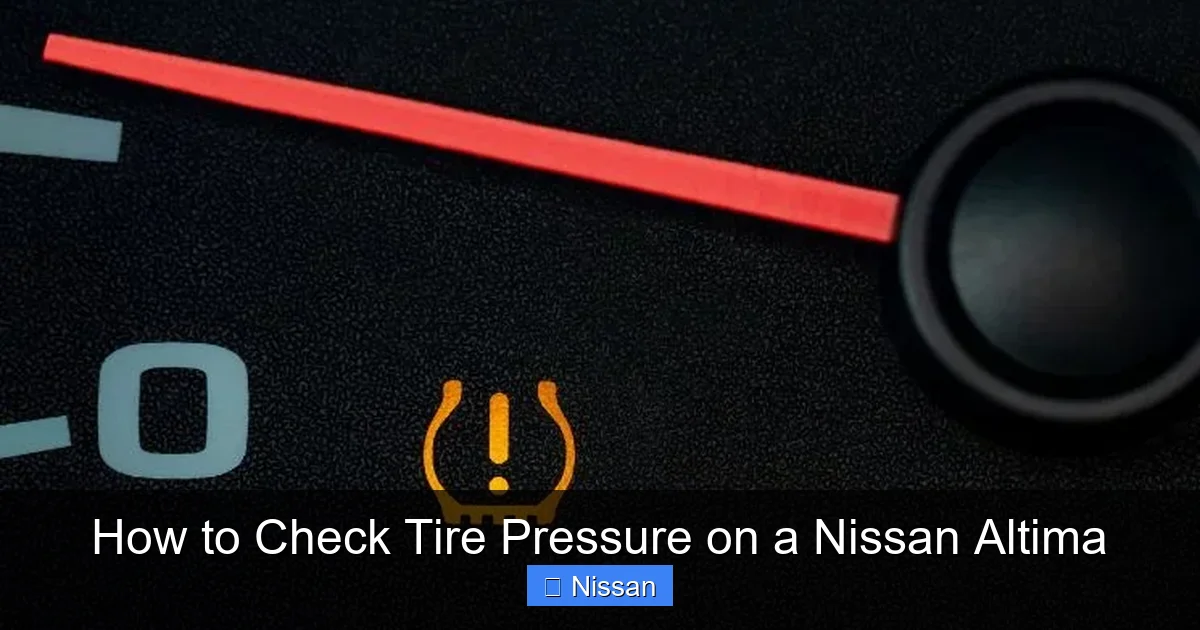
One of the standout features of the Nissan Altima is its Tire Pressure Monitoring System, or TPMS. This system continuously monitors the air pressure in your tires and alerts you via a dashboard warning light if one or more tires are significantly underinflated. The TPMS light looks like a flat tire with an exclamation point inside and usually appears in yellow or amber on your instrument cluster.
But here’s the catch: the TPMS is designed to warn you of a *problem*, not to give you precise pressure readings. It typically triggers when a tire is underinflated by 25% or more below the recommended PSI. That means your tires could still be slightly low—enough to affect performance and safety—without the light coming on. That’s why it’s crucial to manually check your tire pressure regularly, even if the TPMS light isn’t illuminated.
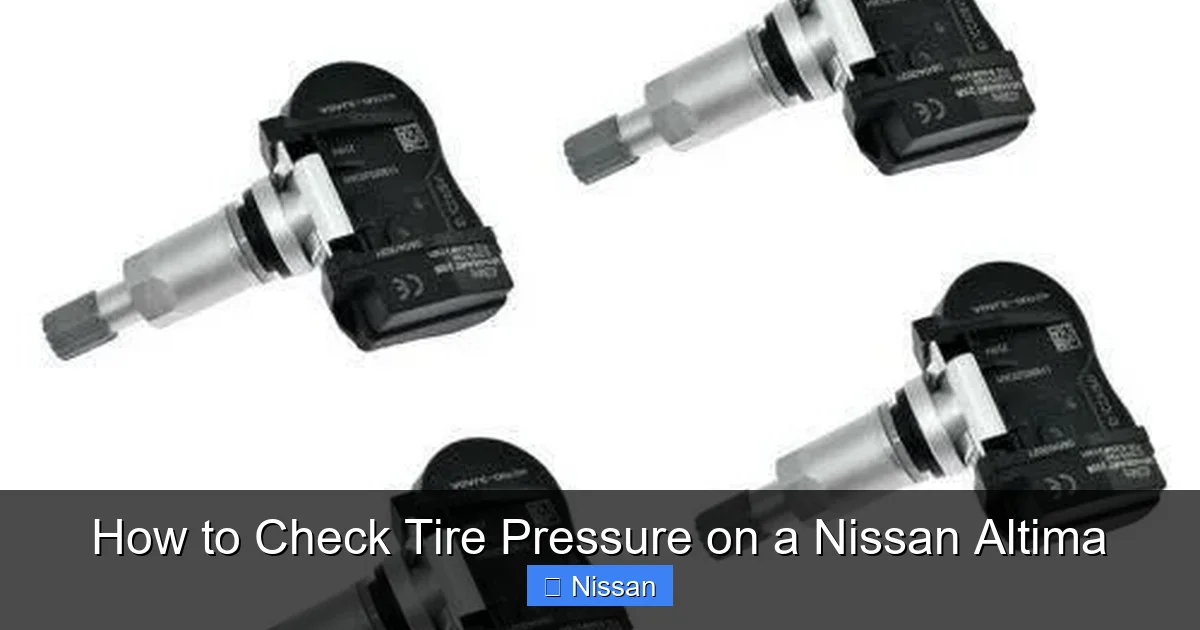
The TPMS in most Nissan Altimas uses direct sensors mounted inside each tire valve stem. These sensors transmit real-time pressure data to your car’s computer system. If a sensor detects low pressure, it sends a signal that activates the warning light. Some newer Altima models also display individual tire pressures on the infotainment screen, giving you more detailed information.
However, TPMS isn’t foolproof. Sensors can fail, batteries can die (they typically last 5–10 years), and the system may not detect slow leaks or gradual pressure loss. That’s why combining TPMS alerts with manual checks is the best practice. Think of the TPMS as your early warning system—and your tire gauge as your precision tool.
How the TPMS Light Works
When you start your Altima, the TPMS light may flash for a few seconds and then turn off—this is normal. If it stays on or begins flashing while driving, it indicates a problem. A steady light usually means one or more tires are low. A flashing light could signal a system malfunction, such as a dead sensor or communication error.
If the light comes on, don’t ignore it. Pull over safely and check your tire pressures as soon as possible. Even if the tires look fine, they could be losing air slowly. Use a tire gauge to verify the PSI and inflate as needed. After correcting the pressure, the light should turn off after a short drive. If it doesn’t, you may need to reset the TPMS or visit a Nissan service center.
Resetting the TPMS on a Nissan Altima
After inflating your tires to the correct pressure, the TPMS light may remain on until the system recalibrates. On most Altima models, this happens automatically after driving a short distance (usually 10–20 minutes at speeds above 15 mph). However, if the light persists, you may need to manually reset the system.
Here’s how:
1. Turn the ignition to the “ON” position (do not start the engine).
2. Press and hold the TPMS reset button, usually located under the steering column or near the fuse box. The button is often labeled “SET” or “TPMS.”
3. Hold it for about 3–5 seconds until the TPMS light blinks twice.
4. Release the button and start the engine.
5. Drive the car for 10–15 minutes to allow the system to recalibrate.
If you can’t find the reset button or the light still won’t turn off, consult your owner’s manual or visit a Nissan dealer for assistance.
Finding the Correct Tire Pressure for Your Nissan Altima
Visual guide about How to Check Tire Pressure on a Nissan Altima
Image source: i.ebayimg.com
One of the most common mistakes drivers make is assuming the correct tire pressure is printed on the tire sidewall. While you’ll see a PSI number there, that’s the *maximum* pressure the tire can hold—not the recommended pressure for your vehicle. For the Nissan Altima, the correct PSI is determined by Nissan engineers based on the car’s weight, suspension, and performance characteristics.
The official recommended tire pressure for your Altima is listed on a sticker inside the driver’s side door jamb. Open the door and look for a white or yellow label near the latch. It will show the front and rear tire pressures, usually in PSI (pounds per square inch) and sometimes in kPa (kilopascals). Most Altimas recommend between 32 and 35 PSI for all four tires, but this can vary slightly depending on the model year, trim level, and tire size.
For example:
– 2020–2024 Nissan Altima: 32 PSI (front and rear)
– 2015–2019 Nissan Altima: 33 PSI
– Some performance trims or larger wheels may recommend 35 PSI
Always use the pressure listed on the door jamb sticker, not the tire sidewall or gas station air pump defaults. Overinflating to match the tire’s max PSI can lead to a bumpy ride and reduced grip, especially in wet or snowy conditions.
Why Cold Tire Pressure Matters
Tire pressure changes with temperature. As tires heat up during driving, the air inside expands, increasing the PSI. That’s why it’s essential to check tire pressure when the tires are “cold”—meaning the car hasn’t been driven for at least three hours, or has been driven less than a mile at low speed.
Checking pressure when tires are warm can give you a falsely high reading, leading you to underinflate them. For the most accurate results, check your tires first thing in the morning or after the car has been parked overnight.
Seasonal Adjustments
Temperature fluctuations affect tire pressure significantly. For every 10°F drop in temperature, tire pressure decreases by about 1 PSI. That means in winter, your tires could lose 3–5 PSI without any leaks. Conversely, in summer, pressure can rise, especially on long drives.
To maintain optimal performance:
– Check tire pressure monthly, especially during seasonal changes.
– In winter, consider checking weekly if temperatures drop below freezing.
– Use a reliable gauge—don’t rely solely on gas station air pumps, which can be inaccurate or poorly maintained.
Tools You Need to Check Tire Pressure
Visual guide about How to Check Tire Pressure on a Nissan Altima
Image source: nissannationpodcast.com
Checking tire pressure doesn’t require fancy equipment, but using the right tools ensures accuracy and convenience. Here’s what you’ll need:
Tire Pressure Gauge
A tire pressure gauge is a small, handheld device that measures the air pressure inside your tires. There are two main types:
– **Analog (dial) gauges:** Feature a round dial with a needle that points to the PSI. They’re durable, don’t require batteries, and are often more accurate than cheap digital models.
– **Digital gauges:** Display pressure on an LCD screen. They’re easy to read, especially in low light, and many include backlighting and auto-shutoff features.
Both types are affordable, typically costing between $5 and $20. For best results, choose a gauge with a range of at least 0–60 PSI and a reputation for accuracy (brands like Accutire, Michelin, or Longacre are reliable).
Air Compressor or Air Pump
If your tires are low, you’ll need a way to add air. Options include:
– **Portable 12V air compressors:** Plug into your car’s cigarette lighter and are great for on-the-go inflation. Many come with built-in pressure gauges and automatic shutoff.
– **Gas station air pumps:** Convenient but often less accurate. The built-in gauges can be worn or misaligned, so always double-check with your own gauge after inflating.
– **Home air compressor:** If you have a garage setup, a small electric compressor makes tire maintenance quick and easy.
Tire Valve Stem Tool (Optional)
This small tool helps remove and reinstall valve stem caps and cores. While not essential, it’s useful if you frequently check or adjust tire pressure.
Owner’s Manual
Keep your Nissan Altima owner’s manual handy. It contains specific information about your vehicle’s TPMS, recommended tire pressure, and reset procedures.
Step-by-Step Guide: How to Check Tire Pressure on a Nissan Altima
Now that you understand the importance of tire pressure and have the right tools, let’s walk through the process step by step. This method works for all Nissan Altima models and takes less than 10 minutes.
Step 1: Park on a Level Surface
Find a flat, level area to park your Altima—like a driveway or garage. Turn off the engine and engage the parking brake. This ensures safety and stability while you work.
Step 2: Locate the Recommended PSI
Open the driver’s side door and check the sticker on the door jamb for the correct front and rear tire pressures. Note the numbers—most Altimas use the same PSI for all four tires, but some models may have different front and rear recommendations.
Step 3: Remove the Valve Stem Cap
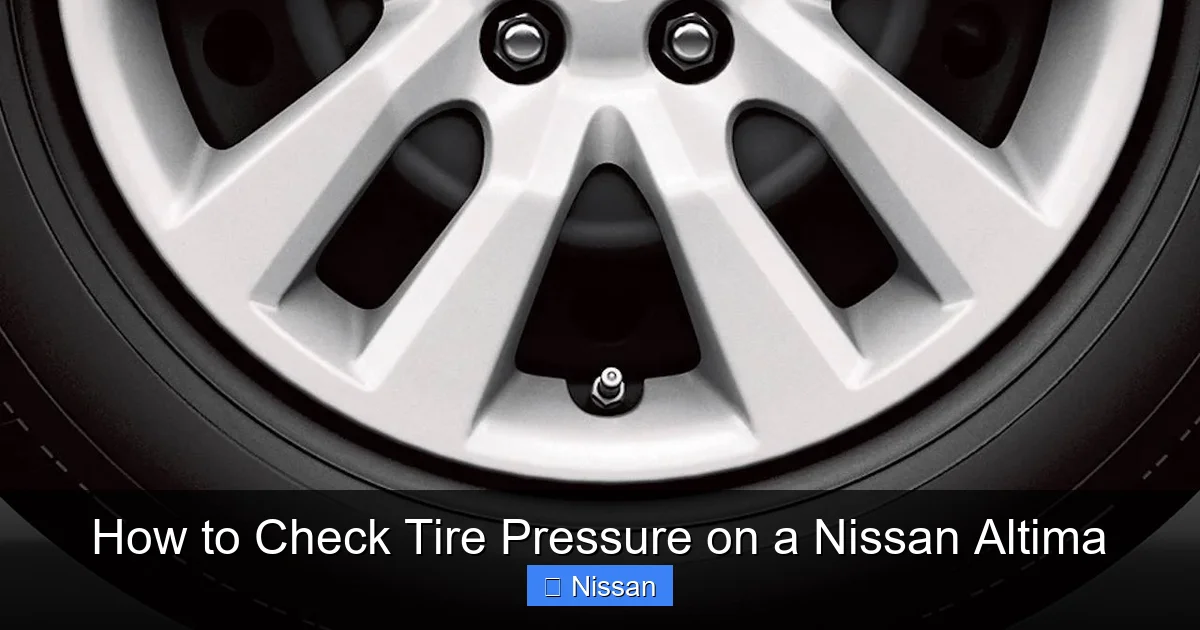
Twist the small cap on the tire’s valve stem counterclockwise to remove it. Keep the cap in a safe place (like your pocket or car cup holder) so you don’t lose it. The valve stem is a small, metal protrusion near the rim—it looks like a tiny pencil tip.
Step 4: Attach the Tire Gauge
Press the tire gauge firmly onto the valve stem. You’ll hear a brief hiss of air—that’s normal. Hold it steady until the reading stabilizes. If using a digital gauge, wait for the display to stop changing. For analog gauges, read the number where the needle points.
Step 5: Read and Record the Pressure
Check the PSI reading and compare it to the recommended pressure from the door jamb sticker. If the reading is:
– **Too low:** Add air using an air compressor or pump.
– **Too high:** Press the gauge’s release button (or use a small tool) to let out air until the pressure drops.
– **Just right:** Replace the valve cap and move to the next tire.
Step 6: Repeat for All Four Tires
Check each tire—front left, front right, rear left, and rear right. Don’t forget the spare tire if your Altima includes one. Spare tires often require higher pressure (check the sticker or manual), so verify the correct PSI.
Step 7: Replace Valve Caps and Reset TPMS (If Needed)
After adjusting pressure, screw the valve caps back on securely. If the TPMS light was on and you’ve corrected the pressure, drive the car for 10–15 minutes to allow the system to reset. If the light remains on, follow the manual reset procedure described earlier.
Pro Tips for Accuracy
– Check tires in the same order each time (e.g., front left → front right → rear left → rear right) to avoid missing one.
– If you’re using a gas station air pump, check the pressure *before* and *after* inflating to ensure accuracy.
– Keep your tire gauge in a protective case or glove compartment to prevent damage.
Common Mistakes to Avoid When Checking Tire Pressure
Even simple tasks can go wrong if you’re not careful. Here are some common pitfalls Altima drivers encounter—and how to avoid them:
Checking Tires When Warm
As mentioned earlier, checking tire pressure after driving can give false readings. Always wait until the tires are cold for the most accurate measurement.
Using the Wrong PSI Reference
Never use the number on the tire sidewall. That’s the maximum pressure, not the recommended pressure for your vehicle. Always refer to the door jamb sticker.
Ignoring the Spare Tire
Many drivers forget the spare. If your Altima has one, check its pressure monthly. A flat spare is useless in an emergency.
Overinflating to “Be Safe”
Some drivers think more air equals better performance. But overinflated tires reduce contact with the road, leading to poor handling and increased wear in the center of the tread.
Using a Faulty Gauge
A broken or inaccurate gauge can mislead you. Test your gauge by checking a tire with a known pressure (e.g., at a service station with a calibrated pump) or replace it every few years.
Not Checking Regularly
Tire pressure can drop slowly due to temperature changes or small leaks. Make it a habit to check monthly—set a calendar reminder if needed.
Maintaining Proper Tire Pressure: Long-Term Benefits
Consistently checking and maintaining proper tire pressure on your Nissan Altima isn’t just about avoiding a dashboard warning light—it’s about protecting your investment and ensuring a safer, more efficient drive.
Improved Fuel Economy
Underinflated tires increase rolling resistance, which means your engine has to work harder. According to the U.S. Department of Energy, properly inflated tires can improve gas mileage by up to 3%. For an Altima that averages 30 MPG, that’s an extra 1 MPG—saving you money at the pump over time.
Extended Tire Life
Correct pressure ensures even tread wear. Underinflated tires wear faster on the edges; overinflated tires wear in the center. Proper inflation helps your tires last longer, delaying the need for costly replacements.
Better Handling and Safety
Properly inflated tires provide better grip, shorter braking distances, and more responsive steering—especially important in rain, snow, or emergency maneuvers.
Reduced Risk of Blowouts
Underinflated tires generate more heat, which can weaken the tire structure and lead to blowouts at high speeds. Maintaining correct pressure reduces this risk significantly.
Enhanced Comfort
Overinflated tires make your ride feel harsh and bumpy. Proper pressure ensures a smooth, comfortable drive—perfect for the Altima’s refined suspension.
When to Seek Professional Help
While checking tire pressure is a DIY task, there are times when you should visit a Nissan service center or tire shop:
– The TPMS light won’t turn off after resetting and inflating tires.
– You notice a slow leak or frequent pressure loss.
– Tires show uneven wear, bulges, or damage.
– You’re unsure about the correct PSI for your specific model.
– The valve stem is damaged or leaking.
Professionals can inspect your tires, test the TPMS sensors, and ensure everything is functioning correctly.
Conclusion
Checking tire pressure on your Nissan Altima is a simple, quick, and essential part of vehicle maintenance. With the help of the built-in TPMS and a reliable tire gauge, you can ensure your tires are always at the optimal pressure for safety, efficiency, and comfort. By following the steps in this guide—checking when cold, using the correct PSI from the door jamb, and avoiding common mistakes—you’ll keep your Altima running smoothly for years to come.
Make it a monthly habit, especially during seasonal changes, and don’t forget the spare. Your tires are the only part of your car that touches the road—treat them well, and they’ll take you wherever you need to go.
Frequently Asked Questions
How often should I check tire pressure on my Nissan Altima?
Check your tire pressure at least once a month and before long trips. Also check it during seasonal changes, especially in winter when cold weather can cause pressure to drop.
Can I rely solely on the TPMS light to know if my tires are low?
No, the TPMS only warns you when pressure is significantly low (usually 25% below recommended). It doesn’t show exact PSI, so manual checks are still necessary for accuracy.
What PSI should my Nissan Altima tires be?
The correct PSI is listed on a sticker inside the driver’s door jamb. Most Altimas recommend 32–35 PSI, but always refer to your specific model’s label.
Is it okay to check tire pressure after driving?
No, always check when tires are cold—before driving or after the car has sat for 3+ hours. Warm tires give falsely high readings.
What should I do if the TPMS light stays on after inflating tires?
Drive the car for 10–15 minutes to allow the system to recalibrate. If the light remains on, try a manual reset or visit a Nissan service center.
Do I need to check the spare tire on my Nissan Altima?
Yes, if your Altima includes a spare tire, check its pressure monthly. Spare tires often require higher PSI and can lose air over time.