
How to Check Nissan Cvt Transmission Fluid Level Without a Dipstick

Many modern Nissan vehicles use CVTs without traditional dipsticks, making fluid checks tricky. This guide walks you through safe, accurate methods to inspect your CVT fluid level using the fill plug and temperature-based procedures.
Key Takeaways
- No dipstick? No problem: Most Nissan CVTs rely on a fill plug and level inspection port instead of a dipstick for fluid checks.
- Temperature matters: Always check the fluid when the transmission is at operating temperature (typically 30–50°C or 86–122°F) for accurate readings.
- Use the right tools: A long, thin funnel or fluid pump with a flexible hose is essential for adding fluid through the fill hole.
- Overfilling is dangerous: Excess fluid can cause foaming, overheating, and transmission damage—always add slowly and recheck.
- Check for leaks regularly: Inspect under the vehicle and around the transmission pan for signs of fluid seepage.
- When in doubt, consult a pro: If you’re unsure about the process or notice unusual noises or slipping, visit a certified Nissan technician.
- Use only Nissan-approved CVT fluid: Using the wrong fluid can void your warranty and damage the transmission.
📑 Table of Contents
Why Nissan CVTs Don’t Have a Dipstick
If you’ve recently popped the hood of your Nissan Altima, Rogue, Sentra, or Maxima and looked for a transmission dipstick—only to come up empty—you’re not alone. Starting in the mid-2000s, Nissan began phasing out traditional dipsticks on many of its Continuously Variable Transmission (CVT) models. Instead, they adopted a sealed system design that relies on precise factory fill levels and a fill/level plug for maintenance.
This change wasn’t just about cutting costs or simplifying design. Nissan’s CVTs are engineered to operate within very tight fluid level and temperature tolerances. Too much or too little fluid can lead to poor performance, overheating, or even catastrophic failure. By eliminating the dipstick, Nissan aimed to reduce the risk of improper fluid levels caused by DIY mistakes. However, this also means that checking and maintaining your CVT fluid requires a bit more know-how.
So, how do you check the fluid level without a dipstick? The answer lies in understanding the CVT’s fill plug system and following a temperature-based inspection procedure. While it may sound complicated, it’s actually quite manageable once you know the steps. In this guide, we’ll walk you through everything you need to know—from locating the fill plug to safely adding fluid and avoiding common pitfalls.
Understanding the Nissan CVT Fill Plug System
Visual guide about How to Check Nissan Cvt Transmission Fluid Level Without a Dipstick
Image source: carlegit.com
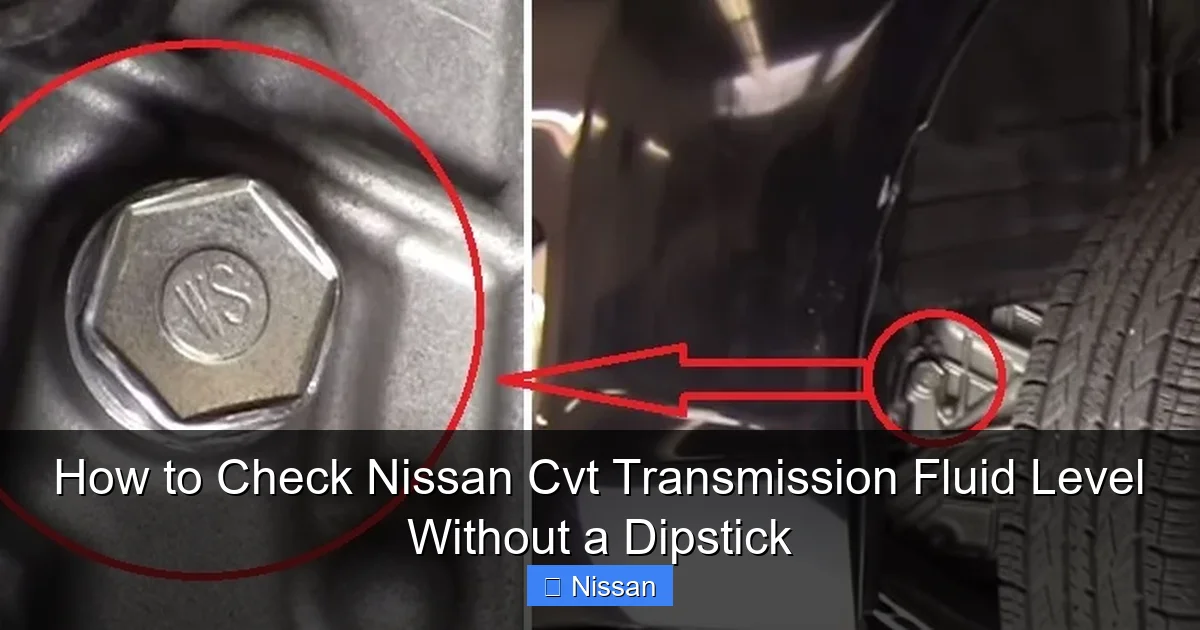
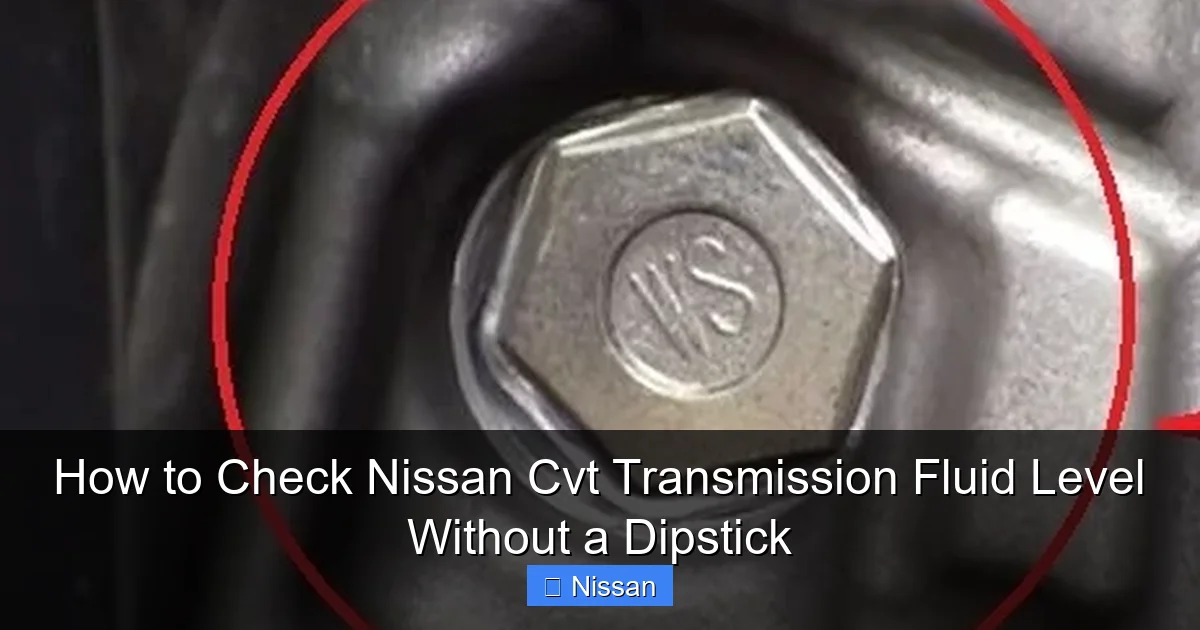
The heart of the Nissan CVT fluid check process is the fill plug—a small, often 10mm or 12mm bolt located on the side of the transmission. This plug serves a dual purpose: it’s both the point where fluid is added and the reference point for checking the fluid level.
Unlike traditional transmissions with a dipstick tube, the CVT uses a “fill-to-level” method. This means the correct fluid level is achieved when fluid just begins to drip out of the fill hole after the transmission has reached operating temperature. The fill plug is positioned at the exact height where the fluid should sit when the transmission is full and warm.
To locate the fill plug, you’ll typically need to get under the vehicle. On most front-wheel-drive Nissan models, it’s found on the passenger side of the transmission, near the axle shaft. It’s usually a hex-head bolt (not a Phillips or flathead) and may be labeled or color-coded. Some models also have a separate inspection plug, but in most cases, the fill plug doubles as the level check point.
It’s important to note that the fill plug is not the same as the drain plug. The drain plug is usually larger and located at the bottom of the transmission pan. Never confuse the two—removing the wrong plug can lead to a messy (and expensive) fluid loss.
Tools You’ll Need
Before you begin, gather the right tools to make the process smooth and safe:
- A jack and jack stands (or a hydraulic lift if available)
- Wheel chocks to prevent the vehicle from rolling
- A 10mm or 12mm socket wrench or ratchet
- A long, thin funnel with a flexible hose (essential for adding fluid)
- A fluid pump or hand pump designed for transmission fluid
- Nissan-approved CVT fluid (such as NS-2 or NS-3, depending on your model)
- A clean rag or shop towels
- A thermometer (optional, but helpful for verifying fluid temperature)
Avoid using makeshift tools like plastic bottles with holes poked in them—these can introduce debris into the transmission and lead to contamination.
Step-by-Step Guide to Checking CVT Fluid Level
Visual guide about How to Check Nissan Cvt Transmission Fluid Level Without a Dipstick
Image source: olezol.com
Now that you understand the system and have your tools ready, let’s walk through the actual process of checking your Nissan CVT fluid level. This method works for most Nissan models from 2007 onward, including the Altima, Rogue, Sentra, Versa, and Maxima.
Step 1: Warm Up the Transmission
The most critical part of checking CVT fluid is ensuring the transmission is at the correct operating temperature. Unlike engine oil, which can be checked cold, CVT fluid expands with heat, and the level changes significantly as it warms up.
To warm up the transmission:
- Start the engine and let it idle for 5–10 minutes.
- Shift through all gears (P → R → N → D → L, if applicable) and hold each for a few seconds.
- Drive the vehicle gently for 10–15 minutes to bring the transmission fluid to operating temperature.
The ideal fluid temperature for checking is between 30°C and 50°C (86°F to 122°F). Some newer Nissan models have a transmission fluid temperature sensor, and you can check this via the dashboard or an OBD2 scanner. If you don’t have a scanner, a good rule of thumb is that the transmission is ready when the engine has been running long enough to reach normal operating temp and you’ve driven the car for a short trip.
Step 2: Park on a Level Surface and Secure the Vehicle
Once the transmission is warm, park your Nissan on a flat, level surface. This is crucial—if the car is tilted, the fluid level will appear higher or lower than it actually is, leading to incorrect readings.
Turn off the engine and engage the parking brake. Place wheel chocks behind the rear tires to prevent rolling. Then, use a jack to lift the front of the vehicle and secure it with jack stands. Never work under a car supported only by a jack.
Step 3: Locate the Fill Plug
Crawl under the vehicle and locate the fill plug on the side of the transmission. It’s usually a 10mm or 12mm bolt, often with a copper washer. It may be near the axle shaft or close to the transmission pan. Refer to your owner’s manual or a repair guide for your specific model if you’re unsure.
Clean the area around the plug with a rag to prevent dirt from falling into the transmission when you remove it.
Step 4: Remove the Fill Plug and Check the Level
Using your socket wrench, carefully loosen and remove the fill plug. Be prepared—some fluid may drip out, especially if the level is high.
Now, observe the fluid:
- If fluid slowly drips or flows out, the level is correct or slightly high.
- If no fluid comes out, the level is low and needs to be topped up.
- If fluid gushes out forcefully, the transmission is overfilled—this is a problem and should be addressed immediately.
The goal is to have fluid just begin to seep out when the plug is removed. This indicates the fluid is at the proper level for a warm transmission.
Step 5: Add Fluid if Necessary
If no fluid comes out, you’ll need to add CVT fluid. This is where the long funnel and fluid pump come in handy.
Insert the flexible hose of the funnel or pump into the fill hole. Slowly add small amounts of Nissan-approved CVT fluid (such as NS-2 or NS-3). Add no more than 8–10 ounces at a time, then wait a minute for the fluid to settle.
Recheck the level by removing the plug again. Repeat the process until fluid just begins to drip out. Never overfill—adding too much fluid can cause foaming, which reduces lubrication and leads to overheating and transmission damage.
Step 6: Reinstall the Fill Plug and Clean Up
Once the fluid level is correct, clean the fill plug and its threads. Replace the copper washer if it’s damaged or flattened (it’s a good idea to replace it every time to ensure a proper seal).
Hand-tighten the plug first, then use the wrench to tighten it to the manufacturer’s torque specification (usually around 10–15 ft-lbs). Over-tightening can strip the threads or crack the transmission housing.
Lower the vehicle, remove the jack stands, and take the car for a short test drive to circulate the fluid. Check under the car afterward for any leaks.
Common Mistakes to Avoid
Visual guide about How to Check Nissan Cvt Transmission Fluid Level Without a Dipstick
Image source: olezol.com
Even with the best intentions, it’s easy to make mistakes when checking CVT fluid. Here are some common pitfalls and how to avoid them:
Checking Fluid When Cold
One of the biggest errors is checking the fluid when the transmission is cold. Cold fluid contracts, so the level will appear low even if it’s actually correct. Always warm up the transmission before checking.
Using the Wrong Fluid
Nissan CVTs are very sensitive to fluid type. Using generic or incorrect transmission fluid can cause slipping, overheating, and premature wear. Always use Nissan-approved CVT fluid (NS-2 for older models, NS-3 for newer ones). Check your owner’s manual for the exact specification.
Overfilling the Transmission
Adding too much fluid is a serious mistake. Excess fluid can aerate (foam), reducing its ability to lubricate and cool the transmission. This leads to increased heat, wear, and potential failure. Add fluid slowly and recheck frequently.
Confusing the Fill Plug with the Drain Plug
The drain plug is larger and located at the bottom of the transmission pan. Removing it will drain all the fluid. Always double-check which plug you’re removing.
Skipping the Copper Washer
The copper washer on the fill plug creates a seal. Reusing a flattened or damaged washer can lead to leaks. Replace it every time you remove the plug.
Not Cleaning the Area
Dirt and debris can fall into the transmission when the plug is removed, causing contamination. Always clean around the plug before opening it.
When to Check CVT Fluid and How Often
So, how often should you check your Nissan CVT fluid? While Nissan doesn’t always specify a strict interval, it’s a good idea to inspect the fluid level every 30,000 to 50,000 miles, or once a year—whichever comes first.
You should also check the fluid if you notice any of the following symptoms:
- Transmission slipping or hesitation during acceleration
- Delayed engagement when shifting from Park to Drive
- Unusual noises (whining, grinding, or humming) from the transmission
- Rough or jerky shifts
- Dashboard warning lights (such as the CVT or Check Engine light)
Regular checks can help you catch low fluid levels or contamination early, preventing costly repairs down the road.
Signs of Low or Contaminated Fluid
Low fluid isn’t the only issue—dirty or degraded fluid can also cause problems. Here’s what to look for:
- Dark or burnt-smelling fluid: Healthy CVT fluid is usually bright red or pink. If it’s dark brown or smells burnt, it’s time for a change.
- Metallic particles in the fluid: Small metal shavings can indicate internal wear. This requires professional inspection.
- Cloudy or milky appearance: This suggests coolant contamination, often from a failed transmission cooler. Immediate service is needed.
If you notice any of these signs, don’t just top off the fluid—have the transmission inspected by a qualified technician.
Professional vs. DIY: When to Call a Mechanic
While checking CVT fluid level is doable at home, there are times when it’s best to leave it to the professionals.
When to DIY
You can safely check and top off the fluid yourself if:
- You have the right tools and Nissan-approved fluid
- The transmission is only slightly low (less than a quart)
- You’re comfortable working under the vehicle
- There are no signs of leaks or mechanical issues
When to Visit a Technician
Seek professional help if:
- The fluid is dark, burnt, or contaminated
- You suspect a leak or internal damage
- The transmission is slipping, jerking, or making noise
- You’re unsure about the correct fluid type or procedure
- The fill plug is seized or difficult to remove
A certified Nissan technician has the tools, knowledge, and access to diagnostic equipment to properly assess your CVT’s health. They can also perform a full fluid exchange if needed, which is more thorough than a simple top-off.
Maintaining Your Nissan CVT for Long-Term Health
Checking the fluid level is just one part of CVT maintenance. To keep your transmission running smoothly for years, follow these best practices:
Follow the Maintenance Schedule
Refer to your owner’s manual for the recommended service intervals. Some models suggest a CVT fluid change every 60,000 to 100,000 miles, while others claim “lifetime” fluid. However, many experts recommend changing the fluid every 50,000 to 75,000 miles to prevent wear and contamination.
Avoid Heavy Towing and Aggressive Driving
CVTs are not designed for heavy loads or high-stress driving. Avoid towing beyond your vehicle’s rated capacity, and drive smoothly to reduce strain on the transmission.
Use the Correct Fluid
Always use Nissan-approved CVT fluid. Substitutes may not have the right friction modifiers or additives, leading to poor performance and damage.
Monitor for Leaks
Regularly inspect under your car for fluid leaks. Transmission fluid is usually red or pink and has a distinct odor. A leak could indicate a failing seal or gasket.
Keep the Cooling System in Good Shape
CVTs generate heat, and overheating is a leading cause of failure. Ensure your radiator and transmission cooler are clean and functioning properly.
Conclusion
Checking the transmission fluid level on a Nissan CVT without a dipstick may seem daunting at first, but it’s a manageable task with the right knowledge and tools. By understanding the fill plug system, warming up the transmission, and following a careful procedure, you can maintain proper fluid levels and help extend the life of your CVT.
Remember, the key is precision—temperature, fluid type, and level all matter. Avoid common mistakes like checking cold fluid or using the wrong fluid, and don’t hesitate to consult a professional if something seems off.
Regular maintenance, including fluid checks and changes, is one of the best ways to protect your investment and enjoy smooth, reliable performance from your Nissan. With a little attention and care, your CVT can serve you well for hundreds of thousands of miles.
Frequently Asked Questions
Can I check Nissan CVT fluid when the engine is cold?
No, you should never check CVT fluid when the transmission is cold. The fluid contracts when cold, giving a false low reading. Always warm up the transmission to operating temperature (30–50°C) before checking.
What happens if I overfill the CVT fluid?
Overfilling can cause the fluid to foam, reducing its ability to lubricate and cool the transmission. This leads to overheating, increased wear, and potential transmission failure. Always add fluid slowly and recheck the level.
Can I use regular ATF in my Nissan CVT?
No, never use regular automatic transmission fluid (ATF) in a Nissan CVT. These transmissions require specific CVT fluid (like NS-2 or NS-3) with unique friction and viscosity properties. Using the wrong fluid can damage the transmission.
How often should I check my CVT fluid level?
Check the fluid level every 30,000 to 50,000 miles or once a year. Also inspect it if you notice slipping, delays, or unusual noises from the transmission.
Is it safe to drive with low CVT fluid?
Driving with low CVT fluid is risky and can cause overheating and internal damage. If the fluid is low, top it up immediately and check for leaks. If the level drops frequently, have the transmission inspected.
Do all Nissan CVTs lack a dipstick?
Most Nissan CVTs from 2007 onward do not have a dipstick. However, some earlier models or certain trims may still include one. Check your owner’s manual or look under the hood to confirm.