
How to Change the Rear Wiper Blade on a 2017 Jeep Wrangler

Changing the rear wiper blade on your 2017 Jeep Wrangler is a simple, inexpensive DIY task that takes under 10 minutes. You only need a new blade and possibly a flathead screwdriver. This guide provides clear, model-specific steps to ensure a perfect fit and optimal performance, keeping your rear window clear for safe driving in all conditions.
Let’s be honest: the rear wiper on your 2017 Jeep Wrangler is probably the most neglected component on your entire vehicle. It gets used less than the front pair, often sits exposed to the elements on the tailgate, and is easily forgotten until you’re stuck in a sudden downpour on the trail or a rainy highway commute, desperately trying to see through a smeared mess. That moment of frustration is your signal. A clear rear window isn’t just about convenience; it’s a critical safety element for changing lanes, reversing, and maintaining awareness of what’s behind you. The fantastic news? Swapping out that tired, squeaky blade is one of the easiest and most satisfying pieces of maintenance you can do on your Wrangler. You don’t need a garage, a lift, or a mechanic’s certificate. In the time it takes to watch a few online videos, you can have a brand-new, streak-free wiper blade installed and your visibility restored. This guide will walk you through every single step, from identifying the right part to testing your work, ensuring you do it right the first time.
Key Takeaways
- Simple & Quick: Replacing the rear wiper blade on a 2017 Jeep Wrangler is a straightforward job requiring no special tools, typically completed in 5-10 minutes.
- Correct Blade Type is Crucial: The 2017 Wrangler uses a specific 10-inch J-hook style blade. Using the wrong size or connector type will cause poor fit and performance.
- Gentle Handling Prevents Damage: The wiper arm is spring-loaded. Always lift it away from the glass carefully and support it to avoid the arm snapping back and cracking the rear window.
- Clean the Glass and Arm: Before installation, wipe the rear glass and the wiper arm’s pivot point. This prevents debris from causing streaks and ensures smooth operation.
- Listen and Watch After Installation: Test the new blade. It should operate quietly and evenly. Any chattering, skipping, or uneven wiping indicates improper installation or a damaged arm.
📑 Table of Contents
- Why Your Rear Wiper Blade Matters More Than You Think
- Gathering Your Tools and the Correct Replacement Part
- Step-by-Step: Removing the Old Rear Wiper Blade
- Step-by-Step: Installing the New Rear Wiper Blade
- Different Wiper Blade Types and What to Buy for Your Wrangler
- Troubleshooting: What If the New Blade Doesn’t Work Perfectly?
- Maintenance Tips for Long-Lasting Wiper Performance
- Conclusion: Your Clear View Awaits
Why Your Rear Wiper Blade Matters More Than You Think
It’s easy to underestimate the rear wiper on a Jeep. After all, the Wrangler’s iconic shape and removable doors and roof mean the rear window is often open to the air. But when that rear window is closed—whether you’re battling a thunderstorm, driving through mud, or just dealing with road spray from a truck ahead—that little blade becomes your best friend. A worn-out rear wiper doesn’t just smear water; it can leave a thick, opaque film of grime that severely limits your rearward vision. For a vehicle designed for adventure and daily driving alike, this is a major safety hazard. Furthermore, a deteriorated rubber blade can actually damage the glass over time, especially if the metal arm’s joints are worn and the blade doesn’t conform to the glass’s curve. Regularly inspecting and replacing this component is a non-negotiable part of responsible Wrangler ownership. It’s a small investment of time and money that pays huge dividends in safety and peace of mind. Think of it as clearing your view to the world behind you, whether that’s a scenic mountain pass or a busy city street.
The Unique Challenge of the Jeep Wrangler’s Rear Wiper
Unlike most sedans or crossovers, the Wrangler’s rear wiper is mounted on the tailgate, which swings open like a door. This design exposes the wiper mechanism to the elements 24/7—sun, rain, snow, dirt, and road salt. This constant exposure accelerates wear and tear on both the rubber blade and the small mechanical components. You might also notice more frequent debris buildup (think mud, sand, or pine needles) around the arm’s pivot point if you take your Wrangler off-pavement. This means the rear wiper on a Wrangler often needs more frequent attention than on a commuter car. Being proactive about its condition is key. A quick visual check every few months—looking for cracks, brittleness, or uneven wear on the rubber—can save you from being caught off-guard when you need it most.
Gathering Your Tools and the Correct Replacement Part
Before you get your hands dirty, the single most important step is getting the right replacement blade. Using an incorrect size or attachment type will lead to a frustrating, unsuccessful installation. For the 2017 Jeep Wrangler (both 2-door and 4-door models), the rear wiper blade size is 10 inches. This is a standard size, but the connector is what truly matters.
Visual guide about How to Change the Rear Wiper Blade on a 2017 Jeep Wrangler
Image source: paulstravelpictures.com
Understanding Wiper Blade Connector Types
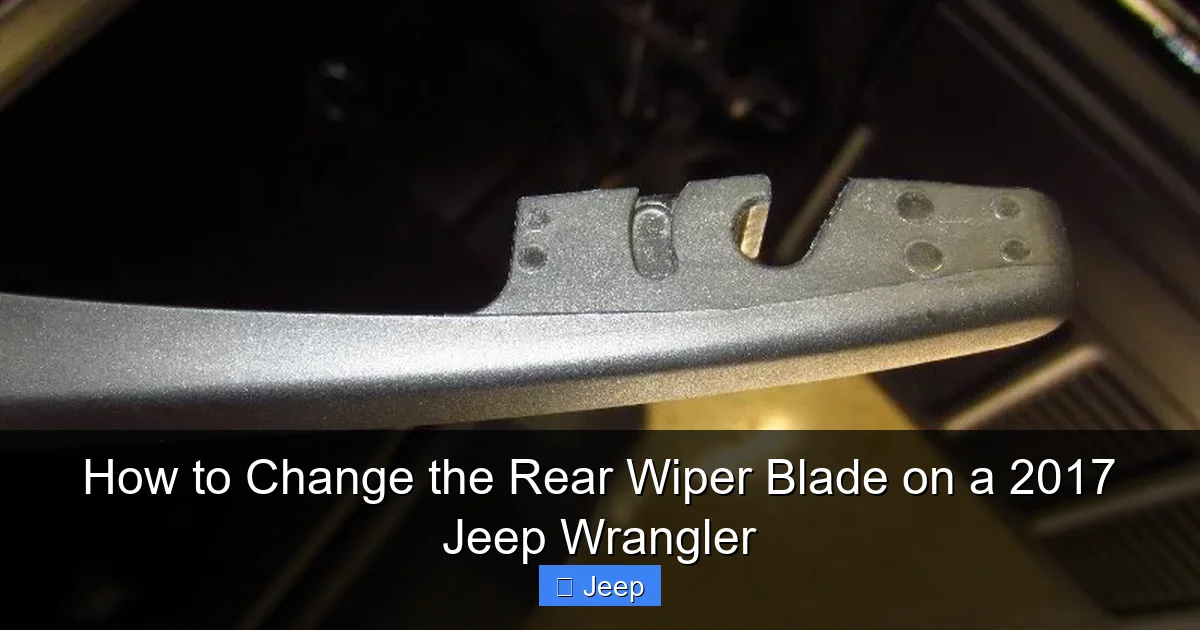
Wiper blades attach to the metal arm via a small adapter. The 2017 Wrangler uses the very common J-hook (also called a “hook” or “bayonet”) style adapter. It looks like a small, curved hook. When you look at the back of your old blade, you’ll see a plastic piece with a hole that fits over a pin on the wiper arm. That pin has a hook shape. You must buy a blade that comes with a J-hook adapter pre-installed or includes it in the package. Most universal blades or blades sold for the Wrangler will have this. Always double-check the packaging for compatibility with “2015-2023 Jeep Wrangler” or “JK/JL” models. If you’re ever unsure, take a photo of your old blade’s connector to the auto parts store. A quick internet search for “2017 Jeep Wrangler rear wiper blade” will also yield dozens of correct options from brands like Bosch, Rain-X, Anco, and Denso.
Tools You’ll Actually Need
This is the best part: the tool list is incredibly short. For this job, you will likely need:
- The new wiper blade. Ensure it’s the correct 10-inch size with a J-hook adapter.
- A flathead screwdriver (optional). Some people find it helpful to gently pry the wiper arm away from the glass if it’s stiff. It can also be used to carefully release some stubborn blade clips. However, on the Wrangler’s rear, you should be able to do it by hand.
- A clean microfiber cloth. For wiping down the glass and arm.
- Glass cleaner (optional but recommended). To give your rear window a perfect finish after the blade is on.
That’s it. No wrenches, no sockets, no electrical tools. The process is purely mechanical and designed for easy consumer replacement.
Step-by-Step: Removing the Old Rear Wiper Blade
Now, let’s get to work. Park your Wrangler on a level surface, engage the parking brake, and open the rear tailgate fully to give yourself clear access to the wiper mechanism. It’s also a good idea to clean the rear glass lightly at this stage so you don’t grind any loose dirt into the new blade later.
Visual guide about How to Change the Rear Wiper Blade on a 2017 Jeep Wrangler
Image source: paulstravelpictures.com
Step 1: Position the Wiper Arm
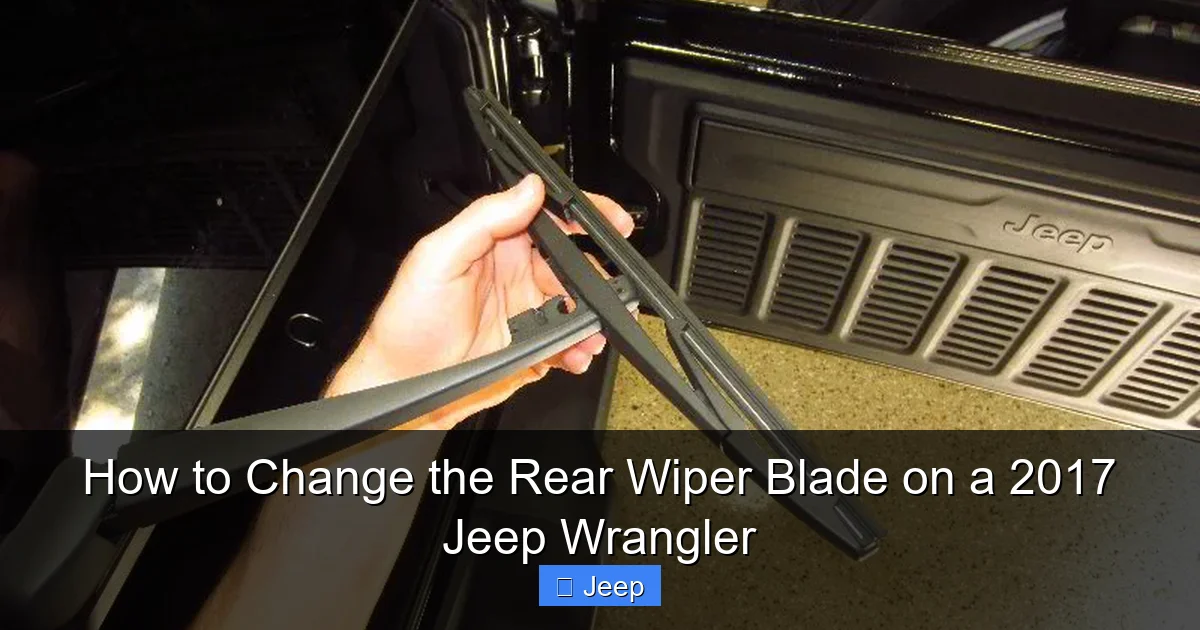
Gently lift the wiper arm away from the rear glass. It will have some spring tension, so be prepared. The goal is to get the arm to stand up and away from the window so you can access the blade’s connector. Do not let the arm snap back against the glass, as this can crack the tempered rear window—an expensive and dangerous mistake. If the arm is very stiff, you can use your flathead screwdriver to gently wedge it at the pivot point, but do so carefully to avoid scratching the paint.
Step 2: Locate and Release the Connector
Look at the point where the rubber blade meets the metal wiper arm. You’ll see a small plastic clip or tab on the back of the blade’s connector. On the J-hook style, this is typically a small button or lever that you press or slide to release the blade from the hook on the arm. The exact mechanism can vary slightly by manufacturer, but it’s almost always a simple push-button or slide tab. Press or slide this tab while pulling the blade downward (away from the arm). The blade should slide off the pin easily. If it’s stuck, ensure you’ve fully depressed the tab. Do not use excessive force; instead, wiggle it gently.
Step 3: Remove and Inspect
Once the connector releases, slide the old blade completely off the wiper arm’s hook. Take a moment to inspect the old blade. You’ll likely see cracks, a hardened or brittle rubber edge, or uneven wear. This confirms you’ve made the right decision. Also, quickly glance at the wiper arm’s pivot point and the hook itself. Is there any rust, excessive play, or damage? If the arm feels loose or wobbly when you wiggle it by hand, that’s a separate issue that needs addressing before you install the new blade.
Step-by-Step: Installing the New Rear Wiper Blade
Installation is essentially the reverse of removal, but with a few critical checks.
Visual guide about How to Change the Rear Wiper Blade on a 2017 Jeep Wrangler
Image source: paulstravelpictures.com
Step 1: Prepare the New Blade
Unpack your new blade. Verify that the J-hook adapter is correctly oriented on the blade. Most come pre-assembled correctly. If it’s an adjustable universal adapter, consult the included diagram to ensure it’s set for the J-hook configuration. Give the rubber squeegee a quick wipe with a clean cloth to remove any manufacturing residue or dust.
Step 2: Align and Attach
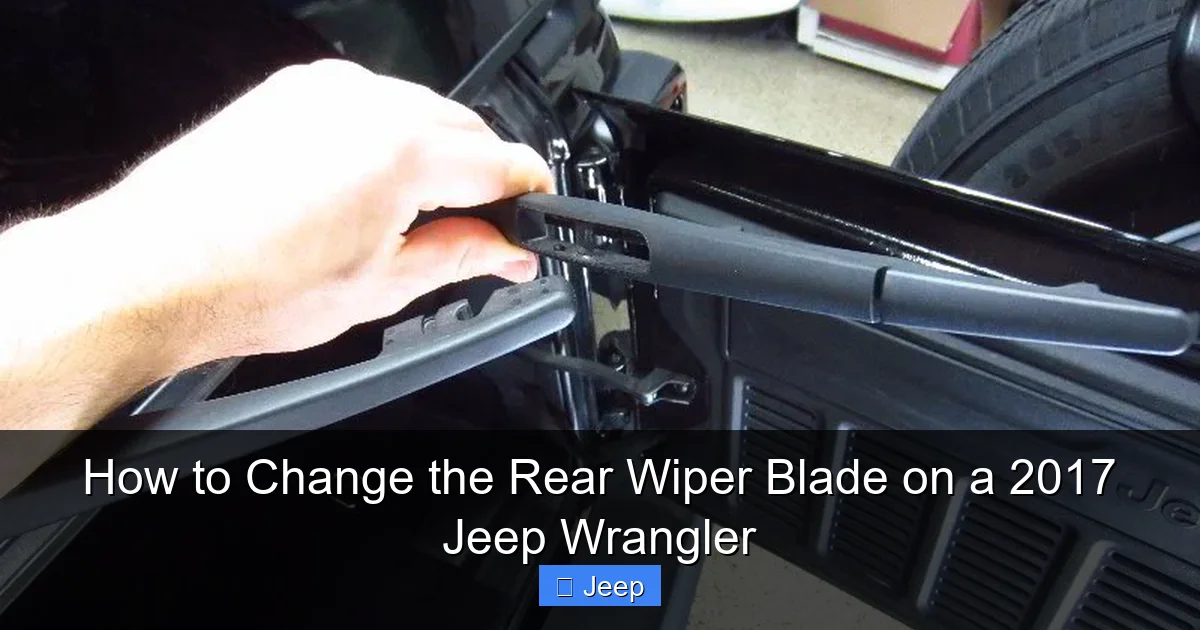
With the wiper arm still lifted and supported, align the new blade’s connector with the hook on the arm. The hole in the blade’s connector should slide smoothly onto the pin. You’ll feel a distinct click or snap when it’s fully seated. This click is your confirmation that the locking tab has engaged. Give the blade a firm tug downward (in the direction it would wipe) to make absolutely sure it is locked in place. A partially seated blade can fly off during operation, potentially damaging your tailgate or rear glass.
Step 3: Lower Gently and Test
Carefully lower the wiper arm back onto the rear glass. Do not let it drop. Once it’s resting on the glass, get inside the vehicle and turn on the ignition. Activate the rear wiper on a low-speed setting. Watch it carefully. The new blade should move smoothly across the glass in a single, clean arc without skipping, chattering, or leaving large unwiped spots. If it does any of those things, turn the wiper off immediately. The issue is likely an improperly seated blade or a contaminated glass surface. Lift the arm, re-seat the blade connector, and ensure the glass is clean. Listen for any unusual noises—a loud squeak or grind could indicate a problem with the wiper motor or arm linkage, not the blade itself.
Different Wiper Blade Types and What to Buy for Your Wrangler
Walking down the auto parts aisle can be overwhelming. Beyond the size, you’ll encounter different blade constructions. For your 2017 Wrangler’s rear, any of these types will work as long as they are 10 inches with a J-hook adapter.
Standard Framed Blades
These are the most common and affordable. They have a metal frame (the “skeleton”) that holds the rubber blade. They work perfectly fine for most climates and are easy to install. They are a great, cost-effective choice for the Wrangler’s rear.
Beam Blades (Bracketless)
These have a sleek, one-piece design with no external frame. They use an internal metal strip for tension. They often provide more uniform pressure on the glass and can be better at resisting snow and ice buildup. They are typically a bit more expensive but offer excellent performance and a clean look. They are fully compatible with the Wrangler’s J-hook arm.
Winter/All-Season Blades
If you live in an area with snow and ice, consider a winter-specific blade. These often have a rubber or synthetic boot that covers the metal frame joints to prevent ice from forming and clogging them. They are a smart upgrade for year-round utility in harsh climates. Brands like Bosch offer their “Icon” or “Enforcer” lines which are excellent all-weather performers.
Pro Tip: When you buy your blade, check the manufacturer’s warranty. Many premium brands offer multi-year warranties against defects and premature wear. This is a good indicator of quality. Also, consider buying from a store with a good return policy in case you accidentally get the wrong connector type.
Troubleshooting: What If the New Blade Doesn’t Work Perfectly?
You followed all the steps, but the new blade still streaks, chatters, or wipes unevenly. Don’t panic. This is common and usually has a simple fix.
Problem: Chattering or Skipping Across the Glass
Cause: This is almost always due to contamination. A film of wax, silicone, or road grime on the glass creates a slick surface the rubber can’t grip. It can also happen if the new blade’s rubber has a manufacturing coating that needs to be worn off (rare with modern blades).
Solution: Thoroughly clean the rear glass with a dedicated automotive glass cleaner and a clean microfiber cloth. Avoid household window cleaners that can leave a residue. You can also try a very light application of rubbing alcohol on the cloth to remove any final film. Ensure the glass is completely dry before testing again.
Problem: Uneven Wiping or Streaks on One Side
Cause: The blade may not be fully seated on the arm, or the arm itself is bent or worn. A worn wiper arm loses its spring tension, causing the blade to not press evenly against the glass.
Solution: First, re-check the blade’s connector. Make sure it’s clicked fully into the J-hook. Then, inspect the wiper arm. With the arm lifted, look down the length of the arm. Is it straight? Does the pivot point have any excessive side-to-side play? If the arm is bent or loose, it needs to be replaced. This is a less common but possible issue, especially on a vehicle exposed to off-road conditions.
Problem: Squeaking Noises
Cause: Similar to chattering, this is usually a lubrication or contamination issue. A very dry pivot point on the arm can also cause noise.
Solution: Clean the glass. You can also put a tiny drop of silicone-based spray lubricant (like a dedicated wiper blade treatment or even a very small amount of WD-40 on a cloth) on a clean cloth and wipe it along the rubber blade’s edge. This can quiet a new blade that’s a bit stiff. Avoid getting lubricant on the glass.
Maintenance Tips for Long-Lasting Wiper Performance
Getting a new blade on is half the battle. Making it last is the other. A little periodic care goes a long way.
Regular Cleaning is Non-Negotiable
Every time you wash your Wrangler, take an extra 30 seconds to wipe the rubber edge of the rear wiper blade with a damp cloth. This removes loose dirt and grit that acts like sandpaper, wearing down the rubber. Also, clean the area where the blade rests on the glass when not in use. Grit trapped there will be dragged across the glass every time the wiper cycles.
Lift the Blades in Winter and During Storage
If you know snow or ice is coming, or if you’re storing your Wrangler for the season, gently lift the wiper arms away from the glass. This prevents the blades from freezing to the window and tearing the rubber edge when you try to use them. It also takes stress off the arm springs. For long-term storage, some people even prop the arms up with a piece of cardboard or a specialized wiper arm spacer.
Don’t Forget the Pivot Point
Occasionally, put a drop of light silicone grease on a cloth and wipe it around the pivot point where the wiper arm attaches to the tailgate mechanism. This keeps that joint moving smoothly and prevents squeaks. Be careful not to get grease on the glass.
Know When to Replace Both Blades and Arms
Wiper blades are consumable items. A good rule of thumb is to inspect them every six months and replace them at least once a year, even if they look okay. Rubber hardens and loses flexibility over time. If your new blade starts performing poorly within a few months, the culprit is likely a worn wiper arm. The arms themselves have a lifespan, often 3-5 years or more, but can fail sooner in harsh conditions. If you’ve replaced the blade twice and still have issues, it’s time to inspect and likely replace the arm. This is also a perfect time to check and replace your cabin air filter, another easy DIY task that improves interior air quality, especially important if you use your Wrangler for off-road adventures with the top off.
Conclusion: Your Clear View Awaits
Changing the rear wiper blade on your 2017 Jeep Wrangler is a quintessential DIY automotive task: it’s fast, cheap, empowering, and has an immediate, tangible payoff. You’ve now armed yourself with the knowledge to identify the correct part, execute the replacement flawlessly, and troubleshoot any hiccups. You’ve also gained insight into the unique demands of your Wrangler’s exposed rear wiper system. By making this a regular part of your maintenance routine—checking it with your oil, tires, and fluids—you ensure that when the weather turns or the trail gets muddy, your view to the rear is crystal clear. This small act of care is what keeps your Jeep ready for any adventure, from the daily grind to the great unknown. Now, go enjoy that freshly cleaned rear window and the satisfaction of a job well done. And remember, staying on top of routine maintenance like this, along with tasks such as resetting your vehicle’s maintenance reminder lights, is the key to a reliable and long-lasting vehicle, no matter the brand.
Frequently Asked Questions
How often should I change the rear wiper blade on my 2017 Jeep Wrangler?
Inspect your rear wiper blade every six months. As a general rule, plan to replace it at least once a year, or sooner if you notice streaking, squeaking, or hardened rubber. The Wrangler’s exposed tailgate location may require more frequent changes than on other vehicles.
What size and type of wiper blade does a 2017 Jeep Wrangler rear need?
The 2017 Jeep Wrangler requires a 10-inch rear wiper blade with a J-hook (bayonet) adapter. This is a standard size and connector type, so many brands label their blades as compatible with 2015-2023 Wrangler JK/JL models.
Can I use a winter wiper blade on my Wrangler’s rear?
Absolutely. Winter or all-season wiper blades are an excellent choice for the Wrangler, especially if you encounter snow and ice. They often have a protective boot over the frame joints to prevent ice buildup and are made with tougher rubber that stays flexible in cold temperatures.
What should I do if the new blade still streaks after installation?
First, ensure the blade is fully clicked into the wiper arm. Then, thoroughly clean the rear glass with automotive glass cleaner and a microfiber cloth to remove any film or residue. If streaking persists, inspect the wiper arm for bends or excessive wear, as a faulty arm can prevent even contact.
My wiper arm feels very stiff when I lift it. Is that normal?
Some spring tension is normal, but it should not be extremely difficult to lift. If it’s very stiff, it could indicate a seized pivot point or a weakened spring. Try lifting it gently while supporting the arm. If it remains difficult, you may need to lubricate the pivot point or, in some cases, replace the wiper arm assembly.
Why is my rear wiper making a loud squeaking noise even with a new blade?
A new blade can sometimes be stiff. Try lightly wiping the rubber edge with a cloth dampened with a tiny amount of silicone-based spray. Also, ensure the glass is perfectly clean. If the noise persists, the wiper arm’s pivot point may be dry; a drop of silicone grease there can help. If squeaking continues, the arm itself may be worn and need replacement.
