
How Tight Should A Road Bike Helmet Be: Fit Guide

Contents
- 1 Why helmet fit matters for safety and comfort
- 2 How tight should a road bike helmet be: simple fit checklist
- 3 Three quick fit tests to use every time
- 4 Adjusting straps and retention systems step-by-step
- 5 Common mistakes and how to avoid them
- 6 Sizing tips and choosing the right helmet
- 7 Personal experience: lessons from the road
- 8 When to replace a helmet and safety limits
- 9 Practical tips for different head shapes and hair
- 10 Frequently Asked Questions of how tight should a road bike helmet be
- 11 Conclusion

Pressure Washer for Car

Car Windshield Wiper Blades

Portable Work Light

LED Indicator Light
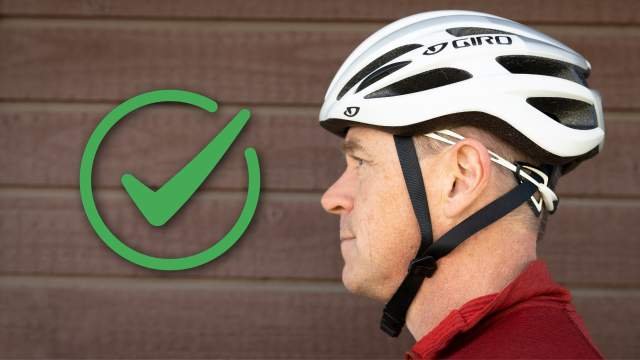
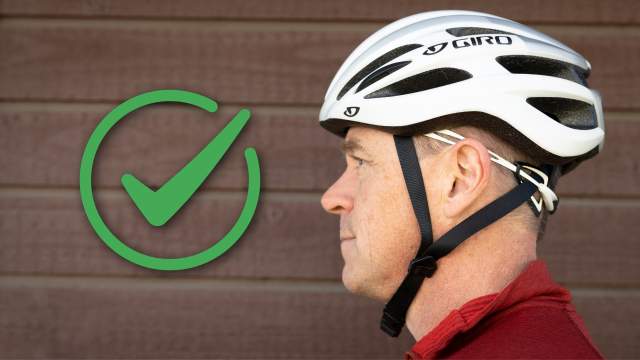
A road bike helmet should fit snugly with no movement and one finger clearance under the rim.
I’ve fitted helmets for years as a cyclist and coach. I know how tight should a road bike helmet be matters for safety and comfort. Read on for clear, step-by-step guidance, tests you can do at home, and tips to avoid common fitting mistakes.

Why helmet fit matters for safety and comfort
A helmet that fits right protects your head in a crash. A loose helmet can shift on impact and fail to protect the skull. A helmet that is too tight can cause pain, headaches, and distract you while riding. Knowing how tight should a road bike helmet be keeps you safer and more comfortable on every ride.
How tight should a road bike helmet be: simple fit checklist
Use this short checklist to check fit quickly. Follow each step and make small adjustments. These easy checks answer how tight should a road bike helmet be with practical tests.
- Chin strap should be snug and comfortable. The strap should keep the helmet from sliding forward or back.
- Side straps should form a V under each ear. Adjust so the V sits just below the ear.
- Retention dial or pads should pull the helmet close to your head. Tighten until the helmet sits snug without pain.
- One to two fingers should fit between your chin and the strap. Too tight feels pinching; too loose lets the helmet move.
Three quick fit tests to use every time
Do these tests with the helmet on and straps fastened. Each test shows whether you know how tight should a road bike helmet be.
- Shake test: Shake your head side to side. The helmet should not move independently of your skull.
- Forefinger test: Slide one finger between the strap and your chin. It should be snug but not tight.
- Two-finger rim test: With helmet in place, try to lift the front rim with two fingers. You should feel resistance but not pain.

Adjusting straps and retention systems step-by-step
Start loose, then tighten. Go slow and check often. Small changes make a big difference.
- Center the helmet on your head. The front rim should sit one to two finger-widths above your eyebrows.
- Fasten the chin strap and tighten until it’s snug. You should be able to speak easily.
- Tighten the retention dial or adjust foam pads. Aim for a uniform fit top to bottom.
- Re-check shake, forefinger, and rim tests. Repeat until the helmet stays put and feels comfortable.

Common mistakes and how to avoid them
Avoid these easy errors that change how tight should a road bike helmet be in practice.
- Wearing the helmet too high on the head. This reduces frontal protection and lets the helmet slip.
- Over-tightening the chin strap. It can cause jaw pain and restrict breathing.
- Assuming size labels fit every brand the same. Always try the helmet on before buying.
- Ignoring hair and head shape. Long hair, ponytails, and round heads change how the helmet sits.
 choosing the right helmet”
style=”max-width: 100%; height: auto; border: 2px solid black; border-radius: 10px; display: block; margin: 0 auto;”
loading=”lazy”
/>
Sizing tips and choosing the right helmet
Measure your head for a quick start. Use a tape measure around the largest part of the head above the eyebrows. Pick a size that matches that measurement. Try different models because shell shape and padding change how tight should a road bike helmet be for you.
- Try the helmet on in a store when possible. Move your head to test fit.
- If buying online, check return policies and compare measurements to other helmets you own.
- Consider helmets with adjustable retention systems. They make small fit tweaks easy on the road.

Personal experience: lessons from the road
I once rode a long group ride with a helmet that felt just a bit loose. Mid-ride, I adjusted the dial and the helmet stopped shifting. The small fix made the ride more confident. From fitting helmets for friends, I learned that tiny adjustments matter. That real-world testing taught me how tight should a road bike helmet be feels different in motion than in a shop.
When to replace a helmet and safety limits
Helmets age and take damage. Replace a helmet after a crash or if the shell or foam shows cracks. Most manufacturers recommend replacing helmets every 3 to 5 years. Even a perfectly tight helmet will not protect well if its structure is compromised, so check for wear regularly.
Practical tips for different head shapes and hair
Heads are unique. Try padding and strap tweaks to get the right fit. For round heads, use thicker rear pads or a tighter retention setting. For long hair or ponytails, place hair under the helmet or use lower-profile padding so you can tighten properly. These small changes help you answer how tight should a road bike helmet be for your head.
Frequently Asked Questions of how tight should a road bike helmet be
How do I know if a helmet is too tight?
If you feel pressure, headaches, or pain after a few minutes, the helmet is too tight. Loosen the retention system and pads until comfort returns.
Can a helmet be too loose and still be safe?
A loose helmet can move in a crash and reduce protection. It is safer to wear a snug helmet that does not shift.
How high should a helmet sit on my forehead?
The front rim should sit about one to two finger-widths above your eyebrows. This position protects the forehead and keeps the helmet stable.
Is it okay to wear a hat under my helmet?
Thin liners or skull caps are fine in cool weather. Thick hats can prevent a snug fit, so avoid bulky layers under the shell.
How often should I recheck helmet fit?
Check fit before every ride. Helmets and hair change during rides, and quick adjustments take seconds.
Conclusion
A road helmet must fit snugly, be comfortable, and not move when you shake your head. Use simple checks every time you ride to ensure the right fit. Make small adjustments with straps, pads, and the retention dial until the helmet feels secure but not painful. Try the steps above, test on the road, and replace your helmet when it shows damage or age. Share your fitting tips or questions below, and consider subscribing for more bike safety guides.


